Why Most Under-Sink Organizers Are a Waste of Money
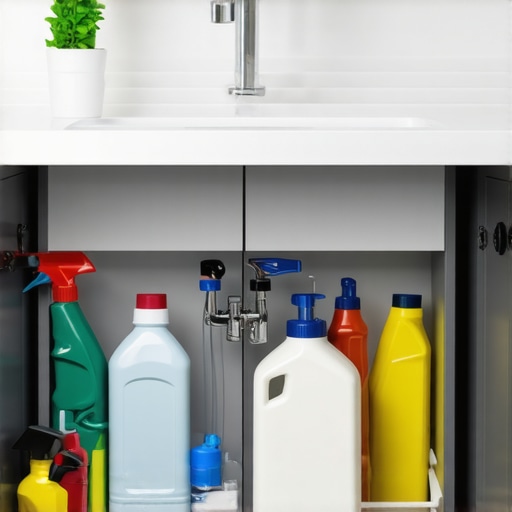
I still remember the late-night Amazon purchase like it was yesterday. Frustrated by the absolute avalanche of half-empty cleaning bottles, trash bags, and random sponges spilling out of my kitchen sink cabinet, I bought a highly rated, two-tier sliding plastic organizer. It looked great in the photos. But the moment I tried to slide it in, reality hit. The drainage pipe blocked the top tier entirely. The garbage disposal unit left me with about three inches of clearance on the right. In my desperate bid to tidy up, I had ignored the physical laws of plumbing. I ended up with a flimsy piece of plastic that held less than I had before, constantly tipped over, and became a breeding ground for sticky soap drips.
The Great Under-Sink Storage Illusion
We have all been sold the dream of the quick-fix organizer. You buy a generic wire basket or a cheap tension rod, hoping it will magically bring order to the chaos. It rarely works. The truth is, most off-the-shelf organizers are designed for a perfect, empty box. But your under-sink area is anything but empty. It is a chaotic obstacle course of hot and cold water supply lines, drain traps, giant garbage disposals, and maybe even filtration systems. If you want real, lasting organization, you have to stop buying plastic band-aids and start thinking about smart, integrated design.
Are these plastic organizers actually worth the hype?
Honestly? No. Most of them end up in a landfill within a couple of years because they simply do not fit the unique footprint of your plumbing. When we plan a modern kitchen remodel featuring custom cabinets and built-ins, we treat the sink base as its own specialized engineering puzzle. Early in my DIY days, I made the classic mistake of ignoring how much weight a sink cabinet actually bears, leading to sagging floors and jammed slide-outs. I learned the hard way that a sturdy, moisture-resistant foundation is everything. In fact, standard particle board cannot handle the inevitable slow leaks of an under-sink environment, which is why particle board sink bases are a disaster compared to marine-grade plywood. According to the National Kitchen and Bath Association (NKBA), water damage under the kitchen sink is one of the top five most expensive minor home repairs, often costing thousands of dollars to fix. Have you ever bought a highly recommended organizer only to realize it did not even clear your garbage disposal? Share your worst under-sink organizing failures with me in the comments below! If you want to bypass the plastic junk entirely, it is time to look at innovative storage solutions that work around your home’s unique layout.
Map Your Plumbing Obstacles First
Before you spend a single dollar on organization, you need to map out your cabinet’s interior like a land surveyor. Treat the pipes, hoses, and disposal unit as permanent geographical features. I remember working on a high-end home in Livonia where the client wanted a complex water filtration system. Instead of measuring first, they bought a massive off-the-shelf shelving unit that completely blocked access to the shut-off valves. We had to tear it all out. When planning modern kitchen remodels featuring custom cabinets and built-ins, we use a simple piece of cardboard to template the exact footprint of the floor, marking the drainage pipes and the disposal unit projection. This ensures you buy or build storage that actually fits.
Measure clearance heights with the faucet running
It sounds simple, but water pressure causes flexible drain hoses to move and vibrate. When measuring your vertical clearance for sliding shelves, turn on your faucet and garbage disposal. Watch how the pipes shift under pressure. You do not want a sliding drawer to pinch a drainage line, which is why understanding why most 6 stage reverse osmosis systems fail due to poor under sink cabinet layouts is so critical. Always leave at least two inches of clearance around any flexible hoses to prevent wear and tear over time.
The Pull-Out Tray Strategy
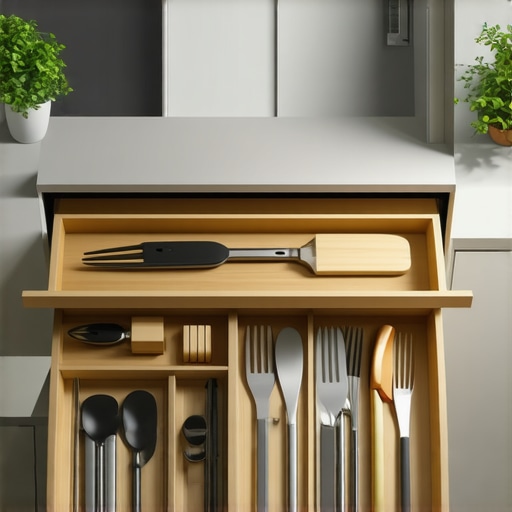
The ultimate weapon against under-sink chaos is the custom-built pull-out tray. Instead of crawling on your knees with a flashlight to find a lost bottle of dish soap, the entire cabinet floor should glide out to meet you. This is a massive part of creating innovative storage solutions for modern kitchen remodels. When we build these trays, we cut a custom ‘U’ shape out of the center of the drawer box to navigate directly around the vertical drainpipe. This gives you two deep, usable channels on either side of the plumbing while keeping the plumbing completely accessible for repairs.
Why standard drawer slides fail under the sink
Never use cheap, side-mounted slides in a sink base. The high-humidity environment and potential for chemical spills will rust them out in a year. Instead, opt for heavy-duty, undermount, soft-close drawer slides with a zinc or epoxy coating. During a kitchen overhaul, we always recommend why your custom cabinets should feature dovetail drawers combined with these robust slides to withstand the weight of heavy cleaning jugs. I once installed standard runners for a client who stored five-gallon buckets of vinegar under their sink; the slides buckled within three months, jamming the entire unit.
Protect Your Wood Foundation from Slow Drips
Even the best drawer system is useless if the cabinet floor underneath it rots away. Moisture is the silent killer of cabinetry. Every sink cabinet needs an active line of defense against the inevitable slow drip of a worn-out faucet washer. You can learn more about protecting this vulnerable area by checking out why your sink cabinet needs a drip tray right now to prevent expensive water damage.
Install a heavy-duty polymer mat
Before you load any trays or organizers into your cabinet, lay down a commercial-grade, flexible silicone under-sink mat. These mats feature a raised lip around the entire perimeter that can hold up to two gallons of water. This simple barrier keeps slow, unnoticed leaks from seeping into the wooden cabinet floor, saving you from structural failure and mold growth.
When planning high-end spaces, most homeowners make a classic mistake: they assume every square inch of a cabinet should be packed tight. Everyone says you need to maximize your storage footprint by filling every void. In my experience, leaving strategic empty space is actually the secret to a long-lasting installation. When you crowd your plumbing area with tightly packed storage bins, you restrict airflow and create micro-climates of trapped humidity. This moisture slowly warps wood, degrades hardware, and degrades structural integrity without you ever noticing a major pool of water.
The Illusion of More Is Better
The biggest trap in modern design is adding too many bells and whistles without considering real-world mechanics. I call this the ‘Oops’ factor of custom organizational features. Homeowners regularly request elaborate, multi-tiered pull-outs that wrap around pipes, only to find that the sheer weight of their cleaning supplies causes the drawers to sag and rub against the plumbing lines. A study by the National Association of Home Builders (NAHB) emphasizes that structural cabinet failures are almost always caused by overloaded drawers and improper weight distribution. If your layout is crowded, you cannot easily inspect your connections, meaning a tiny drip can turn into a catastrophic failure before you even see it on your cabinet floor.
Why do most 6-stage reverse osmosis systems fail due to poor under-sink layouts?
It comes down to accessibility and spatial planning. Many homeowners squeeze these complex, heavy filtration systems into the same small cabinet as their garbage disposals and trash pull-outs. Because these systems require regular filter changes, squeezing them into tight quarters means you will inevitably bump, pull, or loosen the delicate plastic water lines during routine maintenance. When we design modern kitchen remodels featuring custom cabinets and built-ins, we treat these systems as major mechanical appliances. This means dedicating a specific, unobstructed zone for the system to prevent tension on the plumbing lines, which is exactly the hidden cabinet layout that fits a 6 stage reverse osmosis system without losing storage capacity elsewhere.
The Counterintuitive Trick to Longevity
Instead of trying to squeeze a generic organizer into a complex plumbing hub, the smart move is to customize your storage around your specific utility lines. When coordinating a custom cabinets as a game changer in your kitchen remodel journey, we often recommend using a combination of shallow drawers and deep pockets. This gives you easy access to daily essentials while leaving ample breathing room around your water shut-off valves. If you block those valves with heavy, hard-to-remove shelving, a simple leak can quickly escalate into a household emergency. Have you ever fallen into this trap and blocked your main shut-off valves with too many organizers? Let me know in the comments below! If you are ready to stop fighting your plumbing and want to design a space that actually works, check out our contact us page to start planning your next project.
I have spent years fixing sagging shelves and water-damaged bases. The key to preventing these costly headaches lies in your choice of hardware and your ongoing maintenance routine. When we design custom cabinets as a game changer in your kitchen remodel journey, we do not just walk away once the doors are hung. We plan for the next ten years of daily wear and tear, moisture cycles, and plumbing upgrades.
How do I maintain my under-sink storage system over time?
To keep your system sliding smoothly, you need to establish a simple bi-annual maintenance routine. I always tell my clients to pull the entire drawer tray out every six months. Check the undermount runners for any signs of grit or sticky residue. I personally use a dry PTFE lubricant spray on the metal tracks. Unlike standard WD-40, dry PTFE will not attract household dust or pet hair, keeping your heavy-duty glides operating without friction. While the tray is out, wipe down your silicone mat and inspect the plywood base underneath for any signs of dampness.
The Professional Tools That Make All the Difference
If you are tackling this as a DIY project, do not rely on a standard tape measure alone. I highly recommend using an digital angle finder and a self-centering drill bit. When installing runners inside a tight sink base, being even half a degree out of plumb can cause your sliding trays to bind. If you find your cabinet doors are rubbing after adding weight to the drawers, learning how to fix a cabinet door that is rubbing the frame will save you from stripping your hinges. For securing hardware into solid wood frames, I rely on the classic parallel jaw clamp to hold the runner perfectly flush while driving the screws.
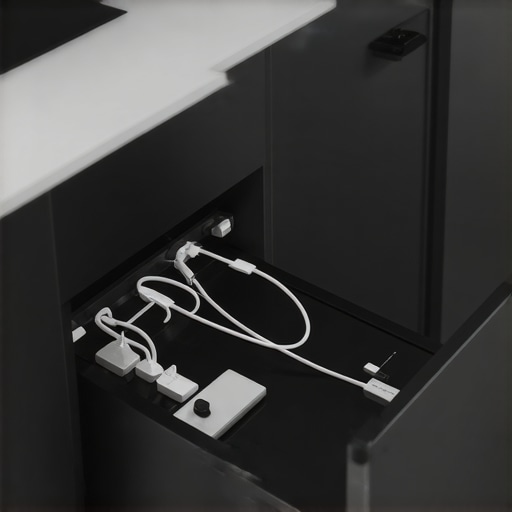
Looking ahead, the future of under-sink design is moving toward smart cabinet integration. We are already seeing the integration of early-warning leak detection systems linked to smart home hubs, as noted in the smart building guidelines by the International Association of Plumbing and Mechanical Officials (IAPMO). In the coming years, expect to see pre-wired, moisture-insulated low-voltage channels built directly into custom cabinet backs to power these sensors and internal cabinet lighting safely. If you want to stay ahead of the curve and protect your home, try my dry PTFE lubricant trick this weekend on your existing drawers, or explore our innovative storage solutions for modern kitchen remodels to upgrade your entire layout.
I still remember the late-night Amazon purchase like it was yesterday. Frustrated by the absolute avalanche of half-empty cleaning bottles, trash bags, and random sponges spilling out of my kitchen sink cabinet, I bought a highly rated, two-tier sliding plastic organizer. It looked great in the photos. But the moment I tried to slide it in, reality hit. The drainage pipe blocked the top tier entirely. The garbage disposal unit left me with about three inches of clearance on the right. In my desperate bid to tidy up, I had ignored the physical laws of plumbing. I ended up with a flimsy piece of plastic that held less than I had before, constantly tipped over, and became a breeding ground for sticky soap drips.
The Great Under-Sink Storage Illusion
We have all been sold the dream of the quick-fix organizer. You buy a generic wire basket or a cheap tension rod, hoping it will magically bring order to the chaos. It rarely works. The truth is, most off-the-shelf organizers are designed for a perfect, empty box. But your under-sink area is anything but empty. It is a chaotic obstacle course of hot and cold water supply lines, drain traps, giant garbage disposals, and maybe even filtration systems. If you want real, lasting organization, you have to stop buying plastic band-aids and start thinking about smart, integrated design.
Are these plastic organizers actually worth the hype?
Honestly? No. Most of them end up in a landfill within a couple of years because they simply do not fit the unique footprint of your plumbing. When we plan a modern kitchen remodel featuring custom cabinets and built-ins, we treat the sink base as its own specialized engineering puzzle. Early in my DIY days, I made the classic mistake of ignoring how much weight a sink cabinet actually bears, leading to sagging floors and jammed slide-outs. I learned the hard way that a sturdy, moisture-resistant foundation is everything. In fact, standard particle board cannot handle the inevitable slow leaks of an under-sink environment, which is why particle board sink bases are a disaster compared to marine-grade plywood. According to the National Kitchen and Bath Association (NKBA), water damage under the kitchen sink is one of the top five most expensive minor home repairs, often costing thousands of dollars to fix. Have you ever bought a highly recommended organizer only to realize it did not even clear your garbage disposal? Share your worst under-sink organizing failures with me in the comments below! If you want to bypass the plastic junk entirely, it is time to look at innovative storage solutions that work around your home’s unique layout.
Map Your Plumbing Obstacles First
Before you spend a single dollar on organization, you need to map out your cabinet’s interior like a land surveyor. Treat the pipes, hoses, and disposal unit as permanent geographical features. I remember working on a high-end home in Livonia where the client wanted a complex water filtration system. Instead of measuring first, they bought a massive off-the-shelf shelving unit that completely blocked access to the shut-off valves. We had to tear it all out. When planning modern kitchen remodels featuring custom cabinets and built-ins, we use a simple piece of cardboard to template the exact footprint of the floor, marking the drainage pipes and the disposal unit projection. This ensures you buy or build storage that actually fits.
Measure clearance heights with the faucet running
It sounds simple, but water pressure causes flexible drain hoses to move and vibrate. When measuring your vertical clearance for sliding shelves, turn on your faucet and garbage disposal. Watch how the pipes shift under pressure. You do not want a sliding drawer to pinch a drainage line, which is why understanding why most 6 stage reverse osmosis systems fail due to poor under sink cabinet layouts is so critical. Always leave at least two inches of clearance around any flexible hoses to prevent wear and tear over time.
The Pull-Out Tray Strategy
The ultimate weapon against under-sink chaos is the custom-built pull-out tray. Instead of crawling on your knees with a flashlight to find a lost bottle of dish soap, the entire cabinet floor should glide out to meet you. This is a massive part of creating innovative storage solutions for modern kitchen remodels. When we build these trays, we cut a custom ‘U’ shape out of the center of the drawer box to navigate directly around the vertical drainpipe. This gives you two deep, usable channels on either side of the plumbing while keeping the plumbing completely accessible for repairs.
Why standard drawer slides fail under the sink
Never use cheap, side-mounted slides in a sink base. The high-humidity environment and potential for chemical spills will rust them out in a year. Instead, opt for heavy-duty, undermount, soft-close drawer slides with a zinc or epoxy coating. During a kitchen overhaul, we always recommend why your custom cabinets should feature dovetail drawers combined with these robust slides to withstand the weight of heavy cleaning jugs. I once installed standard runners for a client who stored five-gallon buckets of vinegar under their sink; the slides buckled within three months, jamming the entire unit.
Protect Your Wood Foundation from Slow Drips
Even the best drawer system is useless if the cabinet floor underneath it rots away. Moisture is the silent killer of cabinetry. Every sink cabinet needs an active line of defense against the inevitable slow drip of a worn-out faucet washer. You can learn more about protecting this vulnerable area by checking out why your sink cabinet needs a drip tray right now to prevent expensive water damage.
Install a heavy-duty polymer mat
Before you load any trays or organizers into your cabinet, lay down a commercial-grade, flexible silicone under-sink mat. These mats feature a raised lip around the entire perimeter that can hold up to two gallons of water. This simple barrier keeps slow, unnoticed leaks from seeping into the wooden cabinet floor, saving you from structural failure and mold growth.
When planning high-end spaces, most homeowners make a classic mistake: they assume every square inch of a cabinet should be packed tight. Everyone says you need to maximize your storage footprint by filling every void. In my experience, leaving strategic empty space is actually the secret to a long-lasting installation. When you crowd your plumbing area with tightly packed storage bins, you restrict airflow and create micro-climates of trapped humidity. This moisture slowly warps wood, degrades hardware, and degrades structural integrity without you ever noticing a major pool of water.
The Illusion of More Is Better
The biggest trap in modern design is adding too many bells and whistles without considering real-world mechanics. I call this the ‘Oops’ factor of custom organizational features. Homeowners regularly request elaborate, multi-tiered pull-outs that wrap around pipes, only to find that the sheer weight of their cleaning supplies causes the drawers to sag and rub against the plumbing lines. A study by the National Association of Home Builders (NAHB) emphasizes that structural cabinet failures are almost always caused by overloaded drawers and improper weight distribution. If your layout is crowded, you cannot easily inspect your connections, meaning a tiny drip can turn into a catastrophic failure before you even see it on your cabinet floor.
Why do most 6-stage reverse osmosis systems fail due to poor under-sink layouts?
It comes down to accessibility and spatial planning. Many homeowners squeeze these complex, heavy filtration systems into the same small cabinet as their garbage disposals and trash pull-outs. Because these systems require regular filter changes, squeezing them into tight quarters means you will inevitably bump, pull, or loosen the delicate plastic water lines during routine maintenance. When we design modern kitchen remodels featuring custom cabinets and built-ins, we treat these systems as major mechanical appliances. This means dedicating a specific, unobstructed zone for the system to prevent tension on the plumbing lines, which is exactly the hidden cabinet layout that fits a 6 stage reverse osmosis system without losing storage capacity elsewhere.
The Counterintuitive Trick to Longevity
Instead of trying to squeeze a generic organizer into a complex plumbing hub, the smart move is to customize your storage around your specific utility lines. When coordinating a custom cabinets as a game changer in your kitchen remodel journey, we often recommend using a combination of shallow drawers and deep pockets. This gives you easy access to daily essentials while leaving ample breathing room around your water shut-off valves. If you block those valves with heavy, hard-to-remove shelving, a simple leak can quickly escalate into a household emergency. Have you ever fallen into this trap and blocked your main shut-off valves with too many organizers? Let me know in the comments below! If you are ready to stop fighting your plumbing and want to design a space that actually works, check out our contact us page to start planning your next project.
I have spent years fixing sagging shelves and water-damaged bases. The key to preventing these costly headaches lies in your choice of hardware and your ongoing maintenance routine. When we design custom cabinets as a game changer in your kitchen remodel journey, we do not just walk away once the doors are hung. We plan for the next ten years of daily wear and tear, moisture cycles, and plumbing upgrades.
How do I maintain my under-sink storage system over time?
To keep your system sliding smoothly, you need to establish a simple bi-annual maintenance routine. I always tell my clients to pull the entire drawer tray out every six months. Check the undermount runners for any signs of grit or sticky residue. I personally use a dry PTFE lubricant spray on the metal tracks. Unlike standard WD-40, dry PTFE will not attract household dust or pet hair, keeping your heavy-duty glides operating without friction. While the tray is out, wipe down your silicone mat and inspect the plywood base underneath for any signs of dampness.
The Professional Tools That Make All the Difference
If you are tackling this as a DIY project, do not rely on a standard tape measure alone. I highly recommend using an digital angle finder and a self-centering drill bit. When installing runners inside a tight sink base, being even half a degree out of plumb can cause your sliding trays to bind. If you find your cabinet doors are rubbing after adding weight to the drawers, learning how to fix a cabinet door that is rubbing the frame will save you from stripping your hinges. For securing hardware into solid wood frames, I rely on the classic parallel jaw clamp to hold the runner perfectly flush while driving the screws.
Looking ahead, the future of under-sink design is moving toward smart cabinet integration. We are already seeing the integration of early-warning leak detection systems linked to smart home hubs, as noted in the smart building guidelines by the International Association of Plumbing and Mechanical Officials (IAPMO). In the coming years, expect to see pre-wired, moisture-insulated low-voltage channels built directly into custom cabinet backs to power these sensors and internal cabinet lighting safely. If you want to stay ahead of the curve and protect your home, try my dry PTFE lubricant trick this weekend on your existing drawers, or explore our innovative storage solutions for modern kitchen remodels to upgrade your entire layout.
The Critical Plumbing Lessons That Changed My Craft
After years of installing cabinetry and correcting DIY mishaps, I have run into three absolute truths that completely change how you should approach under-sink space. First, planning is everything: a beautiful drawer box is completely useless if you cannot reach your main water shut-off valves in a sudden midnight emergency. Second, never trust a standard straight measurement under a sink; drains slope, waste lines curve, and water pipes vibrate. Third, humidity is a silent structural threat. If you do not design dedicated space for dry airflow, even the most expensive cabinetry will suffer over time. These harsh lessons are the driving force behind why we specialize in creating durable, smart layouts during a custom cabinets as a game changer in your kitchen remodel journey.
My Recommended Hardware Gear and Resources
To pull off a high-functioning under-sink renovation that lasts decades, I rely on a few specific tools and products that have never let me down:
- Blum Tandem undermount drawer runners: These slides handle moisture, heavy cleaning bottles, and thousands of glides without sagging.
- Weather-resistant polymer under-sink liners: I always use thick, molded silicone mats with a raised perimeter lip to catch and hold up to two gallons of water before it ever touches your wood foundation.
- Dry PTFE spray lubricant: Far superior to standard WD-40, this dry lubricant keeps heavy pull-outs sliding smoothly without attracting sawdust, hair, or household grime.
- The NKBA planning guidelines: For exact clearance dimensions and plumbing safety rules, keeping this resource handy ensures you build to code.
Build a Space That Works for You
Stop fighting against the physical layout of your home with generic plastic bins that do not fit. Your kitchen deserves structural integrity, smart plumbing clearances, and accessible organization that stands the test of time. When you are ready to invest in your home’s long-term value, you can count on innovative storage solutions for modern kitchen remodels to bring stability and beauty to your custom cabinets. Have you ever struggled with measuring around a bulky garbage disposal or water filter? Let me know in the comments below!