Why Open Shelving Is Losing Ground to Fluted Glass Cabinets
It was during my latest kitchen remodel when I realized something crucial—my beloved open shelves, which I thought would showcase my carefully curated dishware, quickly turned into dust magnets and clutter magnets. No matter how aesthetically pleasing they looked initially, reality set in: open shelving demanded constant upkeep, and I found myself dreading each cleaning session. That lightbulb moment made me question if open shelving was truly the best choice—or just a pretty idea with hidden pitfalls.
Is Open Shelving Still the Best Choice for My Kitchen?
Many homeowners, myself included, have been seduced by the charm and accessibility of open shelves. They promise a sense of openness, easy access, and a chance to display that trendy, repurposed pottery or vintage dishware. However, as I dove into more research and my personal experience grew, I started noticing a pattern: open shelving often struggles under practicality. Items gather dust, fingerprints become unavoidable, and in some cases, the cluttered look quickly outweighs the visual appeal.
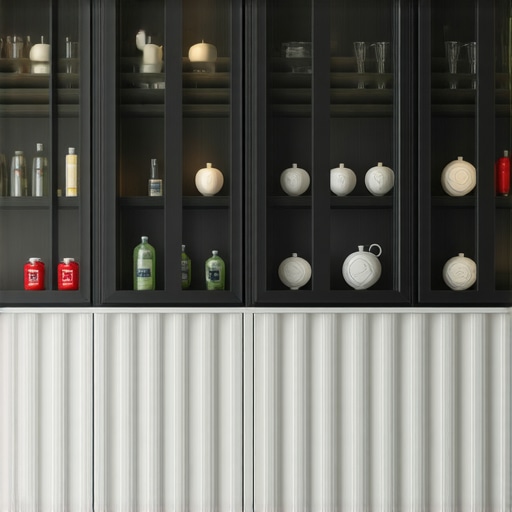
What I’ve come to learn is that there’s a better alternative gaining popularity—fluted glass cabinets. Unlike plain glass or simple wood, fluted glass adds texture, privacy, and sophistication without sacrificing the lightness that open shelving offers. They’ve become a game-changer for those seeking stylish storage that doesn’t compromise on cleanliness or maintenance.
In fact, a recent study highlighted that households spend an average of 23 hours annually cleaning kitchen surfaces and storage areas—that’s almost a full day per year just tidying up! (source: American Cleaning Institute). With such a significant time investment, it’s only sensible to opt for storage solutions that balance aesthetics with ease of maintenance.
This leads us to an important question: are open shelves still worth the effort, or are modern alternatives, like fluted glass cabinets, the smarter choice? Well, let’s explore why it might be time to reconsider the traditional open shelf.
Before jumping into the solutions, I need to admit a mistake I made early on: I assumed that open shelving would always make my space feel larger and more inviting. Turns out, without proper organization and design, it can make a kitchen look cluttered or unfinished. If you’re facing similar doubts or frustrations, you’re not alone—and understanding the advantages of fluted glass cabinets could be your first step toward a more functional and beautiful kitchen.
Select the Perfect Location for Your New Cabinets
Start by assessing your kitchen layout to identify areas where additional storage could improve functionality. For example, I decided to replace an underused wall section near my sink, which freed up space and made everything more accessible. Measure the space carefully, noting height, width, and depth, to ensure a precise fit.
Measure and Mark Before Cutting
Use a tape measure and level to mark where the cabinets will be installed. During my project, I labeled the wall studs with a pencil and a stud finder to avoid misplacing screws and to ensure sturdy attachment. This step prevents costly mistakes and guarantees a level, secure installation.
Choose the Right Building Materials and Hardware
Opt for high-quality plywood or MDF for cabinet carcasses that resist warping over time. I selected 3/4-inch thick cabinet panels for durability. For the fluted glass doors, I ordered custom-cut panels from a local supplier, ensuring the texture matched my desired aesthetic. Heavy-duty hinges and soft-close mechanisms are essential for smooth operation and longevity; I used dampers to minimize noise.
Prepare for Precise Cutting and Assembly
Use a table saw or circular saw with a guide to make clean, straight cuts. During my first cut, I clamped a straight edge for accuracy. Dry-fit all components before assembly to prevent surprises. Applying builders’ glue to joints and securing with clamps during assembly ensures sturdy, seamless cabinets.
Install Your Cabinets Safely and Securely
Attach the cabinets to wall studs using appropriate screws and anchors, making sure they are level. I used a spirit level during installation to double-check alignment. For top cabinets, brace them with supports if the span is large, preventing sagging over time. Use a helper or wall-mounted brackets to hold heavy sections temporarily during mounting.
Seal and Finish for a Polished Look
Fill screw holes and seam gaps with wood filler, then sand smoothly. Finish surfaces with paint or varnish suited to kitchen environments; I opted for a moisture-resistant paint to withstand humidity. For glass doors, apply a clear sealant to prevent fingerprints and water spots, keeping your display crisp and attractive.
Maintain and Organize for Longevity
Regular cleaning with a soft cloth and mild soap preserves the textured glass and wood finish. Organize your dishware using vertical dividers and pull-out trays, making everything accessible without clutter. Incorporate smart storage ideas from this guide to optimize space and keep your new cabinets looking pristine.
Many homeowners approach kitchen remodels with the assumption that bigger or more custom features automatically mean better functionality. However, a common misconception is that high-end, intricate built-ins are always worth the investment—that more elaborate solutions lead to superior long-term gains. In reality, this belief can overlook the nuances of practicality and maintenance, especially if the design doesn’t align with everyday habits and lifestyle nuances. For instance, custom cabinets with overly complex mechanisms might look stunning but could hinder accessibility or increase upkeep, leading to frustration over time.
Are Custom Cabinets Actually a Foolproof Investment, or Do They Often Backfire?
Despite their aesthetic appeal, many get tripped up by assuming all custom solutions will pay off. Without meticulous planning—considering not just style but also user ergonomics and future-proofing—custom cabinetry can become a costly mistake. An article by the National Kitchen & Bath Association underscores that poorly planned designs often result in underused space or accessibility issues, which diminishes ROI. It’s vital to think critically about your specific needs; for example, height-adjustable shelves or accessible pull-outs can significantly enhance usability—details that many overlook during initial planning.
Furthermore, many assume built-ins will require minimal maintenance, but they can harbor hidden pitfalls. Improper sealing or choosing unsuitable materials can lead to moisture damage or warping, especially in humid environments. For example, using particleboard in moisture-prone areas may initially seem cost-effective, but as highlighted in a recent study, high-moisture exposure accelerates deterioration, leading to costly repairs or replacements. A smarter choice involves selecting durable materials like moisture-resistant plywood or HMR (High Moisture Resistant) MDF, ensuring longevity and preserving your investment.
In the realm of storage solutions, there’s also a misconception that all drawers and cabinets are equally effective at managing clutter. The truth is, many standard designs fail at optimizing space, especially in small kitchens. Pull-out trays, vertical dividers, and specialty organizers, when thoughtfully implemented, drastically improve efficiency—yet many homeowners stick to basic cabinetry, missing out on these advanced functionalities. For inspiration, explore ideas from our guide on smart storage solutions for small kitchens. Properly planning for these nuanced elements can prevent the dreaded clutter trap and streamline daily routines.
To truly elevate your kitchen, consider integrating built-ins that are designed with both form and function in mind. For example, hidden charging stations or custom spice drawers can enhance convenience without cluttering your space. But beware—without consulting experts or doing thorough research, you risk implementing solutions that look good but fall short in performance or durability. Visit our contact page if you’re ready to avoid costly pitfalls and achieve a renovation that truly works for your lifestyle.Maintaining your kitchen’s built-ins and storage solutions over time is crucial to preserve their style, functionality, and longevity. Investing in the right tools and adopting proven maintenance methods can save you money and prevent costly repairs down the line. One tool I personally rely on is a high-quality microfiber cloth paired with a gentle, pH-balanced cleaner; this combination effectively keeps textured glass cabinets and matte finishes free of fingerprints and water spots without scratching surfaces. Additionally, a handheld vacuum with various nozzle attachments is indispensable for quickly removing dust and debris from hard-to-reach corners and intricate moldings, ensuring every detail remains pristine.
For periodic deep cleaning, a soft bristle brush proves invaluable—especially for textured surfaces like fluted glass or textured laminates—allowing you to dislodge dirt lodged within grooves. I recommend using a dedicated brush with synthetic bristles, as natural fibers can trap grease over time. When it comes to hardware, a small container of silicone-based lubricant can keep hinges and slides operating smoothly, reducing squeaks and preventing stiffness that could lead to breakage.
On the software side, I utilize design planning tools like SketchUp to visualize storage layouts, ensuring functionality aligns with real-world usage. For maintenance schedules, setting up quarterly reminders helps me stay on top of tasks such as reapplying lubricants, inspecting seals, and checking for moisture intrusion—especially near plumbing or in areas prone to humidity. Consider also subscribing to industry publications or online forums where professionals share insights about emerging products and techniques; staying informed enables you to upgrade your maintenance routine proactively.
Looking ahead, the trend toward smart home integration is likely to influence kitchen upkeep. Automated sensors and IoT-enabled devices can alert you to water leaks, humidity spikes, or hardware failures before they escalate. This predictive maintenance approach minimizes downtime and extends the life of your cabinets and built-ins.
How do I keep my cabinetry functioning smoothly over time? Regularly inspecting hinges, seals, and finishes is key. For example, a study by cabinetry expert Mark W. Knauss emphasizes that moisture intrusion remains a primary threat to cabinet integrity, so ensuring proper sealing and ventilation is vital. Applying a silicone-based lubricant to moving parts every few months can prevent squeaks and sagging, while sealing any small cracks with a high-quality wood filler preserves structural integrity.
Don’t forget to stay proactive—try one advanced tip today: schedule quarterly inspections for your hardware and lubricate hinges with a silicone spray. This small step can make a significant difference in maintaining a silent, smoothly operating kitchen. For tailored advice on integrating these tools into your renovation project, visit our contact page and get professional support.
What I Wish I Knew About Balancing Style and Function in My Kitchen
Initially, I believed that investing in elaborate custom cabinets would seamlessly elevate my kitchen’s look and utility. However, I learned that without proper planning for everyday use and maintenance, even the most stunning built-ins can become a source of frustration. The lesson? Prioritize materials and designs that marry aesthetics with durability, ensuring your investment ages gracefully instead of turning into a constant battle against wear and tear.
How Personal Experience Shaped My Approach to Storage Solutions
Trial and error taught me that clever organization trumps mere space! For example, installing vertical dividers for deep drawers transformed chaos into order, making accessories easily accessible. My takeaway is that customizing storage to your habits—like including a hidden charging station or spice drawer—can dramatically improve daily workflows and keep clutter at bay, making your kitchen truly reflect your lifestyle.
Why I Realized Maintenance Should Never Be an Afterthought
After experiencing the mess open shelves tend to gather over time, I understood that ongoing upkeep is key. Regular cleaning routines, combined with choosing textured or textured finishes like fluted glass, made a significant difference in how long your cabinets stay looking fresh. Embracing maintenance as part of your design choice ensures your beautiful kitchen remains functional and inviting long after the remodel.
My Secret to Saving Time and Effort in Kitchen Upkeep
From my journey, I’ve discovered that investing in quality hardware—like soft-close hinges and durable slides—reduces the frequency of repairs and makes daily use smoother. Additionally, setting up quarterly inspections for hinges, seals, and finishes helps catch issues early. This proactive approach means less stress and more enjoyment in your remodeled space, freeing you to focus on cooking and creating memories.
Where I Found Inspiration to Elevate My Space
Books like Custom Cabinets That Transform Your Home’s Style and online resources such as Modern Kitchen Remodels Featuring Custom Cabinets and Built-ins provided fresh ideas and practical tips. Trusting these sources helped me make informed decisions, ensuring my project balanced beauty with functionality. These tools became my trusted guides in creating a kitchen that’s both stylish and livable.
Embrace the Change: Your New Kitchen Awaits
Remember, a successful remodel hinges on aligning your vision with practical solutions. The journey may be intricate, but with patience and the right mindset, you can craft a space that boosts your home’s comfort and resale value. Don’t wait for the perfect moment—start implementing smart storage and durable finishes today, and watch your kitchen transform into a haven of beauty and efficiency.