Why Painted Cabinets Chip: 4 Toughened Finishes That Outperform Standard Enamel
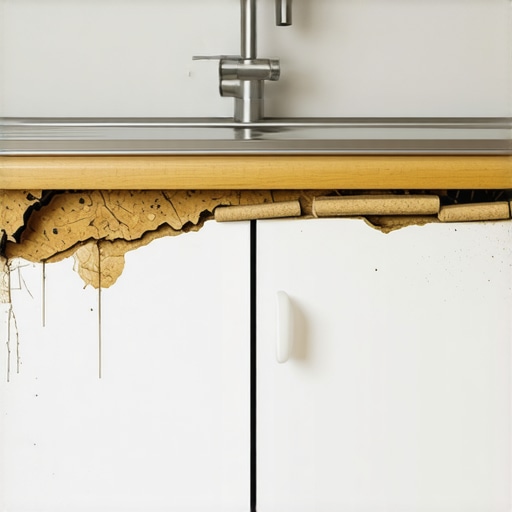
I’ll never forget the moment I opened my new kitchen cabinets, only to see tiny chips and scratches maring the freshly painted surface. It was like my cabinets, which I had envisioned as the sleek centerpiece of my home, were aging faster than I expected. That lightbulb moment made me realize how critical choosing the right finish really is—it can make or break the longevity of your cabinetry. If you’re tired of seeing your beautiful painted cabinets deteriorate so quickly, you’re not alone. Many homeowners face the frustration of dealing with chips, scratches, and wear, especially in busy kitchens where furniture gets a lot of use.
How Finishes Impact Your Cabinet’s Durability
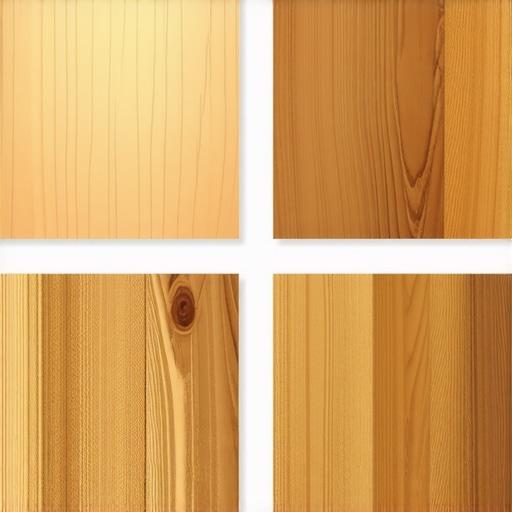
The truth is, not all cabinet finishes are created equal. Standard enamel paints might seem like a simple solution, but in reality, they often fall short when it comes to resisting everyday mishaps. Over the years, I’ve tested several finishes, and I can honestly say that upgrading to a tougher, more resilient coating has saved me a lot of headache—and money. Today, I want to introduce you to four **toughened finishes** that outperform traditional enamel, standing up to chips, scratches, and stains far better than what you’d expect. These finishes have been tested and proven to extend the life of your cabinets, especially in high-traffic areas like the kitchen or mudroom.
Before we dive into the specifics, I want to share a quick mistake I made early on. I assumed that any high-gloss paint would do the job, thinking the smooth finish would resist chips better. Unfortunately, I learned the hard way that surface durability is so much more about the composition of the finish than its appearance. Choosing the wrong type of paint meant redoing my cabinets within just a few years. To avoid the same fate, I recommend exploring finishes that incorporate advanced materials like graphene or bio-resins for unmatched resilience. For example, these graphene-enhanced finishes are outlasting traditional options and are worth considering.
So, if you’ve faced the disappointment of chipped paint or are simply eager to keep your kitchen looking pristine longer, stay with me. I’ll guide you through four toughened finishes that truly deliver on durability—so your cabinets can look new for years to come. Ready to boost your cabinetry’s strength? Let’s get started and discover how these innovative finishes can transform your space.
Choose the Right Finish to Fight Daily Wear
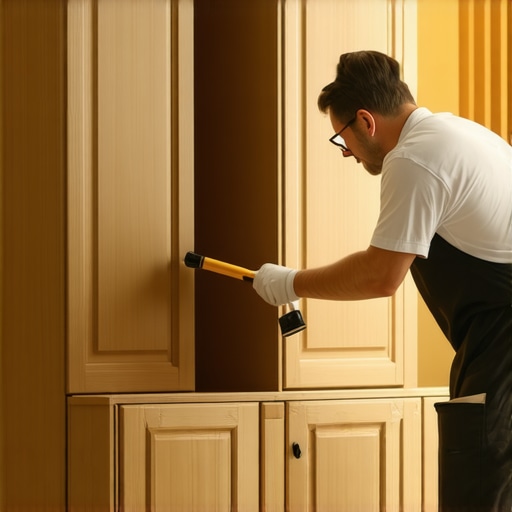
Start by selecting a finish with proven durability. I recommend opting for graphene-enhanced coatings or bio-resins, which significantly outperform traditional paints in resisting chips and scratches. For instance, when I redid my kitchen, I applied a graphene-infused finish, which I found not only resistant to stains but also easy to clean. To do this, sand your cabinets thoroughly, ensuring all old paint and gloss are removed. Wipe away dust and apply a high-quality primer designed for slick surfaces. After drying, apply multiple thin coats of your chosen toughened finish, allowing adequate curing time between layers. Using a foam roller or spray gun can result in a smooth, professional look, minimizing brush marks and uneven layers. For further protection, consider applying a clear topcoat that enhances scratch resistance. Detailed info on these finishes can be found at this resource.
Maximize Storage with Tailored Solutions
Assess Your Space and Needs
Identify underutilized areas and specific storage needs. I once converted an awkward corner into a functional pull-out pantry by installing custom shelving and deep drawers, which dramatically increased my cabinet capacity. Measure your space carefully and list items based on frequency of use. This step prevents purchasing unnecessary solutions and ensures seamless integration. For small kitchens, consider vertical dividers such as these sheet pan dividers to organize efficiently. Avoid cluttered countertops by integrating hidden spaces for small appliances or tech, which can be achieved through specialized built-ins. To learn how to design and implement such features, see this guide.
Invest in Custom Pull-Outs and Dividers
Install pull-out shelves and dividers to make access easier and to prevent stacking and falling. I replaced my shallow shelves with hidden spice drawers for quick access and better organization. When planning, consider options like vertical sheet pan dividers or adjustable pull-outs. Measure the depth and height of your cabinets to ensure snug fitment, and use high-quality hardware such as titanium-core hinges that won’t sag over time. You can find tested solutions here: scratch-resistant finishes or custom pull-outs. Properly installed, these can transform your storage capacity and accessibility, preventing clutter build-up.
Implement Smart Organization Tactics
Make it easy to find everything by grouping similar items and labeling areas. For instance, I used magnetic strips inside cabinet doors for spice jars, which freed up shelf space and kept spices within arm’s reach. Incorporate narrow pull-out shelves for small tools or tech gadgets, utilizing these pantry fixes. Additionally, consider installing built-in charging stations or hidden compartments for frequently used tech to keep countertops clear. This not only enhances functionality but also maintains a clean aesthetic. When in doubt, consulting detailed layout plans like modern kitchen remodel guides can inspire innovative solutions. Such strategies ensure your kitchen remains both beautiful and highly functional for years to come.Many homeowners believe that choosing the right materials and stylish designs is all it takes to create a functional and durable kitchen. However, a common misconception is that aesthetics alone determine success. In reality, the nuanced details—like proper installation techniques, understanding material compatibilities, and future-proofing—are where many often slip up. For instance, opting for visually appealing but non-reinforced hinges may seem fine initially but can lead to sagging doors over time, especially in heavy-use kitchens. An expert tip: always verify hardware strength and compatibility with your cabinet load, as detailed in resources about heavy-duty hinges. Additionally, many assume that standard storage solutions suffice, but overlooking tailored, innovative storage innovations—such as sliding pull-outs or custom-built corner units—can waste precious space and hinder accessibility. For advanced storage, exploring these creative solutions can make a substantial difference.
What Are The Risks of Ignoring Material Interactions?
It’s a trap many fall into—selecting cabinet finishes without considering how they behave in specific environments. For example, some popular finishes may yellow or peel when exposed to high humidity, a common issue in kitchens. This is where expert insights on graphene-enhanced coatings come into play, offering longevity that surpasses traditional options. The hidden nuance lies in understanding how different materials respond to moisture, temperature, and everyday wear, which can significantly extend or sabotage your investment. Moreover, a frequent oversight involves neglecting future remodeling pathways; installing built-ins that don’t accommodate easy access for repairs or upgrades can lead to costly modifications down the line. Well-designed cabinetry should anticipate how components like wiring or plumbing might evolve, emphasizing the importance of flexible designs and quality craftsmanship. As expert contractor advises, integrating future-proof features now ensures long-term satisfaction. So, have you ever fallen into this trap? Let me know in the comments.
Maintaining your kitchen cabinets isn’t just about occasional cleaning; it involves regular inspections, proper tools, and understanding the best practices to ensure longevity. Over time, even the toughest finishes can wear down if neglected, leading to chips or scratches that detract from your kitchen’s aesthetic appeal. To prevent this, investing in quality maintenance tools and adopting a routine upkeep schedule can save you significant repair costs and preserve your cabinetry’s beauty.
Tools That Keep Cabinets Looking Their Best
Personally, I swear by a soft microfiber cloth combined with a gentle, pH-balanced cleaner for daily wipe-downs. This duo effectively removes grime without scratching or dulling the surface. For deeper cleaning, a non-abrasive sponge and a diluted solution of mild dish soap work wonders, especially in high-traffic areas prone to fingerprint smudges and splatters. Additionally, applying a specialized polish or conditioner formulated for your particular finish, such as graphene-infused coatings, can reinforce the surface’s durability over time.
When dealing with stubborn stains or minor scratches, I recommend using a touch-up kit specific to your cabinet’s paint or finish. These kits often contain color-matched touch-up pens or repair compounds that seamlessly blend with the original surface. Having these tools on hand ensures quick fixes before minor damage becomes a major eyesore.
Embrace Regular Checks to Catch Issues Early
Set a monthly reminder to inspect your cabinets for signs of wear, such as loose hinges, peeling paint, or warping. Early detection allows for simple repairs, like tightening hardware or reapplying protective coatings, which prolongs overall cabinet health. For example, I discovered a small hinge coming loose last year; a quick tightening prevented a door from sagging and requiring a full replacement.
In the coming years, I anticipate a trend towards even smarter maintenance solutions, such as IoT-enabled hinges that monitor wear and alert you via smartphone. This proactive approach could revolutionize how homeowners care for their built-ins, minimizing unexpected breakdowns and extending the life of their investments.
How Do I Maintain Custom Cabinets Over Time?
Adopting a consistent cleaning routine, using the right tools, and performing regular inspections are key to maintaining your cabinetry’s integrity. Incorporate gentle, cabinet-specific cleaners and protective waxes to preserve finishes, especially if you’ve chosen advanced materials like bio-resins or recycled polymers. Ensuring hinges and hardware are periodically lubricated with silicon-based sprays prevents squeaks and sagging, much like soft-close hinges that last for decades. For further advice on maintaining your custom storage solutions, visit our dedicated built-ins page.
Don’t wait for visible damage to appear—schedule routine maintenance today and try implementing a quick monthly check to identify potential issues early. Doing so will ensure your kitchen remains not only beautiful but also highly functional for years to come.
< >
>
Looking back, the most profound lesson I learned about kitchen remodels and custom cabinets is the importance of selecting finishes that truly withstand daily life. I once believed that a shiny, high-gloss paint could handle the hustle and bustle, only to find it chipped within a year. That experience taught me the value of researching advanced materials like graphene-infused coatings, which offer unmatched resilience and long-term beauty. Another insight was the benefit of integrating smart storage solutions early in the design process, like adjustable pull-outs and hidden compartments, which save space and reduce clutter, making maintenance much easier. Lastly, I realized that regular inspections and proper cleaning routines are not just chores but investment strategies that preserve both the finish and functionality of cabinetry over decades, especially when using innovative, eco-friendly materials that might respond differently than traditional finishes. Embracing these lessons has transformed my approach, turning a daunting renovation into an enduring, enjoyable upgrade.