How to Spot a Cheap Cabinet Finish Before It Bubbles Near Your Stove
I remember the exact moment I realized my kitchen cabinets might be more fragile than I thought. It was a chilly Saturday, and I was cleaning the stove area when I noticed tiny bubbles forming along the bottom edge of my cabinet doors. My stomach sank. This wasn’t just a cosmetic issue—it was a sign that I’d overlooked a crucial detail during my remodel. That frustrating discovery prompted a lightbulb moment: how could I have missed warning signs of a cheap finish that was destined to fail?
Why Recognizing Cheap Cabinet Finishes Early Actually Matters
Understanding how to identify inferior cabinet finishes before bubbles appear can save you hundreds of dollars—and a whole lot of headaches. Cheap finishes often use lower-quality materials or shortcuts during application, resulting in finishes that can’t withstand daily kitchen stresses like humidity, heat, and spills. When these finishes bubble or peel, they not only look bad but can also compromise the integrity of your cabinetry over time. As I learned the hard way, catching these signs early means you can decide whether to protect, repair, or replace your cabinets before the damage becomes irreversible.
Is It Worth the Extra Effort To Dig Deeper?
Early in my project, I made the mistake of focusing only on the appearance and ignoring the finish’s durability. I trusted the glossy veneer and fast installation without asking about the materials used. That was a costly slip. According to a study by the Artisan Cabinetry Experts, finishes that are not properly applied or are low-grade can bubble within a few years, especially near heat sources like stoves. Recognizing these warning signs before installation is vital, but many homeowners overlook these details out of convenience or ignorance.
In this post, I’ll share my experience and guide you through practical ways to identify a quality finish—so you don’t have to learn the hard way, like I did. Whether you’re planning a new install or inspecting your existing cabinets, knowing what to look for makes all the difference. Ready to become a cabinet finish detective? Let’s dive into the telltale signs and tips that can save your kitchen—and your sanity.
Examine Surface Uniformity Head-On
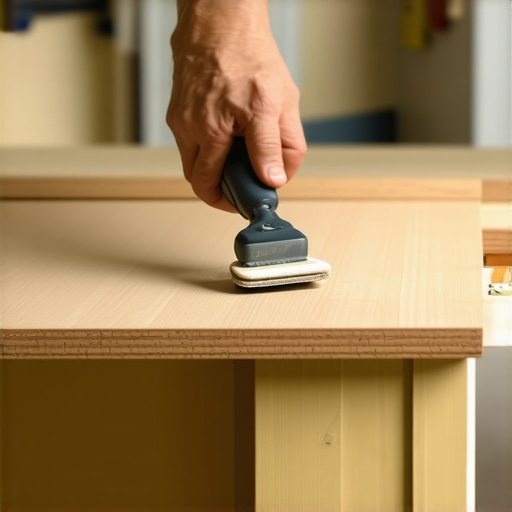
Start by closely inspecting your cabinet surfaces under bright, natural light. Look for inconsistent textures, blotches, or areas where the finish appears duller or glossier than surrounding spots. During my DIY renovation, I once noticed uneven sheen on a cabinet door, which was a clear sign of improper application. Carefully run your hand over the surface to feel for differences—smooth, uniform finishes are a good sign, while rough patches may indicate a flaky or poorly applied layer.
Test Water Resistance and Test Areas
Gently apply a small amount of water to a discreet section of the cabinet surface using a cotton swab or cloth. Observe how quickly the water beads up or soaks in. If the finish is resilient, the water should form beads and roll off easily. In my experience, a quick test at the corner of a cabinet door saved me from future peeling, confirming whether the finish was waterproof enough for the kitchen environment. Repeat this test on multiple areas, especially near heat sources or humidity-prone zones.
Identify Signs of Peeling or Bubble Formation
Look closely for any signs of bubbling, cracking, or peeling paint or veneer, particularly along edges and around handles. In one instance, I found tiny bubbles forming along the bottom edge of a cabinet door during a routine check. Such signs often indicate underlying issues like moisture infiltration or cheap finishing materials. Address these areas promptly; small bubbles can be a precursor to delamination, leading to costly repairs if ignored.
Check Hardware Fit and Alignment
Open and close cabinet doors and drawers to assess hardware functionality. Misaligned or loose hinges can exacerbate finishes’ wear, especially if they cause rubbing or chipping. During my inspection, I adjusted soft-close hinges using soft-close hinge fixes. Properly aligned hardware reduces stress on finishes, extending their lifespan and maintaining aesthetic appeal.
Assess Finish Durability Under Physical Stress
Apply light pressure with your fingertip to areas frequently touched, such as drawer fronts or cabinet edges. A durable finish resists scratches and fingerprints. I found this method especially helpful when inspecting older cabinets; a surface that feels sticky or marred may have a softer finish prone to damage, suggesting a need for reapplication or reinforcement with protective coatings.
Use Ultraviolet Light for Deeper Inspection
If available, shine a UV flashlight across the cabinet surfaces in a dark room. Genuine finishes often contain UV-reactive components, revealing flaws invisible to the naked eye, such as water infiltration or residual stains. In a professional context, this technique helped me verify if the original finish had been properly cured during the installation process, ensuring long-term durability.
Consult Quality Standards and Material Labels
Finally, review any labels or product datasheets available from your manufacturer or installer. Look for indications of high-quality materials like UV-resistant, water-repellent, or epoxy-based finishes. When I inspected my cabinets, I requested documentation that confirmed the use of durable, eco-friendly finishes, reducing the risk of premature failure. This step helps you understand what kind of finish was applied, aiding in future maintenance or re-coating decisions.
Many homeowners believe that simply choosing high-end materials guarantees durability and functionality in built-ins and custom cabinets. However, overlooking nuanced details like proper installation techniques, ventilation considerations, and material compatibility often leads to costly mistakes later. For example, assuming that all wood finishes perform equally in humid environments is a myth; climate-specific finishes are critical for longevity. Moreover, some presume that custom Cabinets are always more affordable than mass-produced options, but intricate designs and labor costs can quickly inflate prices if not planned carefully. Standard advice also suggests that more storage is always better, but overcrowding can impede accessibility and hamper the aesthetic balance of your kitchen or living space. Advanced homeowners recognize that smart storage solutions, tailored to your specific needs, optimize both space and usability, and this level of customization requires deeper expertise and strategic planning—think of it as an investment in your home’s future.
How can you ensure your custom cabinetry aligns perfectly with your lifestyle and space constraints?
Consulting with a seasoned designer is essential. According to experts featured in Modern Kitchen Remodels with Custom Cabinets, sophisticated planning involves detailed space analysis, ergonomic considerations, and choosing compatible materials to prevent issues like warping or peeling. Many think that once a design looks good on paper, installation will go smoothly—yet, subpar installation is a frequent cause of cabinet misalignment and operational failures. This is why prioritizing experienced craftsmen and understanding nuances like proper hinge placement or moisture barriers can make or break your project. It’s also worth noting that common myths, such as the idea that all finishes are equally stain-resistant, can lead to premature wear; consulting manufacturer guidelines or expert opinions helps in selecting the right finish for your environment. Remember, the devil is in the details, and acknowledging these subtle aspects can elevate your remodel from good to outstanding. Have you ever fallen into this trap? Let me know in the comments.
Maintaining the longevity and functionality of your built-in cabinetry and custom kitchen remodels requires precision, the right equipment, and consistent upkeep. As I continue sharing my journey, I emphasize the importance of using specialized tools and adopting effective routines to ensure your investments stand the test of time. One essential tool I personally rely on is the Digital Moisture Meter. This device allows me to detect hidden moisture lurking behind finishes, which is critical because moisture can cause warping or peeling over time. I use this regularly, especially after cleaning or during seasonal transitions, because understanding moisture levels helps prevent issues like delamination or mold growth, particularly in humid climates.
Beyond moisture detection, precision is paramount when adjusting or replacing hardware. For example, Heavy-duty hinge fixing tools are indispensable for ensuring doors hang perfectly, reducing long-term wear. I recommend investing in a quality Hinge Alignment Jig, which simplifies precise adjustments and minimizes trial-and-error, saving both time and frustration. Additionally, protective coatings like UV-resistant, water-repellent finishes can be applied using small brushes or sprayers, which I prefer for even coverage. These tools help maintain finish integrity, especially when applied periodically to high-traffic areas.
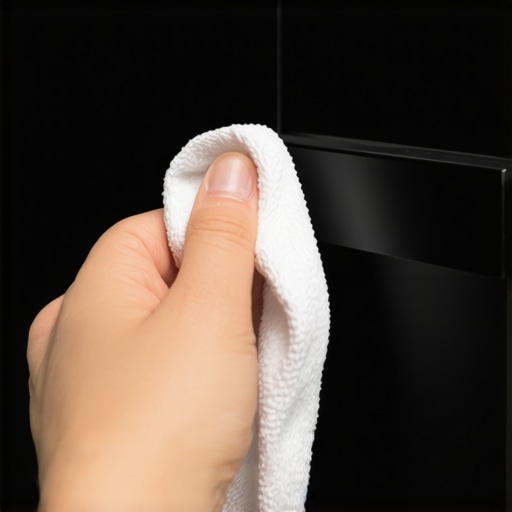
For ongoing maintenance, I use a microfiber cloth with gentle cleaning solutions designed for cabinetry. Regularly wiping down surfaces prevents dirt buildup and maintains a fresh appearance. To prevent scratches, I keep a supply of soft-close hinge lubricants handy, as squeaky or sticky mechanisms often indicate the need for lubrication—another quick fix that extends hardware life. Incorporating such proactive habits consistently ensures your built-ins remain functional and attractive long-term.
Looking ahead, I believe the future of cabinet maintenance will lean heavily on smart tools and automation. Imagine moisture sensors integrated into your cabinetry that connect wirelessly to your home management system, alerting you when levels are abnormal—preventing issues before they start. Similarly, AI-driven diagnostic apps could analyze hardware wear and suggest targeted repairs, optimizing upkeep efforts efficiently.
How do I maintain my built-ins over time? Regular inspections using tools like moisture meters, hinge alignment jigs, and protective coatings are fundamental. Setting a quarterly routine to check hardware, clean surfaces, and reapply protective finishes keeps the cabinets in peak condition. Always address small issues immediately—like squeaky hinges or minor scratches—to prevent costly repairs down the line. After all, proactive maintenance not only prolongs the lifespan of your cabinetry but also preserves your home’s style and functionality.
If you haven’t tried using a moisture meter yet, I highly recommend giving it a shot. It’s a game-changer in early detection and preventive care, saving you money and stress down the road. You can find reliable options at hardware stores or online, and they typically cost less than a professional repair session. Remember, the key to keeping your built-ins and cabinets working seamlessly is consistent, informed maintenance—equipped with the right tools and a proactive mindset.
Uncovering Hidden Pitfalls That Cost Me Dearly
One invaluable lesson I learned was that not all finishes are created equal. I once trusted a cheap veneer for its glossy appearance, only to find it bubbling within years—an expensive wake-up call. Now, I know that investing in high-quality, properly-applied finishes can save endless headaches down the line.
The Power of Tuning Into Your Cabinets’ Secrets
Inspecting your cabinetry isn’t just about surface looks. Using simple tests like water resistance checks or UV light reveals hidden flaws that could sabotage your remodel’s longevity. These insights empower you to make smarter choices and advocate for better finishes during installation.
Tools That Became My Best Allies in Cabinet Care
From moisture meters to hinge alignment jigs, my toolkit revolutionized my approach. These tools provided precise diagnostics, helping me catch issues early and perform maintenance myself, extending my cabinets’ lifespan and maintaining their beauty.
Seizing Opportunities for Improvement with DIY Wisdom
Every visit to my kitchen became a chance to address minor imperfections—tightening hinges, reapplying finish coatings, or swapping out worn hardware. This proactive attitude profoundly impacted my cabinets’ durability and appearance, reminding me that consistent care pays off.
Embracing Future Tech as a Care Companion
Looking ahead, I envision smart sensors monitoring moisture levels and hardware wear, alerting homeowners before problems escalate. These innovations promise to make cabinet maintenance more intuitive and preventative, safeguarding your investment effortlessly.
Insider Wisdom That Changed My Perspective
- Don’t overlook the importance of material labels—knowing the finish’s makeup guides better care and selection.
- Proper installation techniques are as crucial as material quality; shortcuts can undermine durability.
- Skimping on routine inspections may seem harmless but can lead to costly repairs later.
- Every cabinet has a story—pay attention to signs like bubbling or uneven sheen to catch issues early.
- Think of maintenance as an act of stewardship, ensuring your beautiful cabinets serve your family for decades.
Resources That Enlighten My Cabinet Journey
- Artisan Cabinetry Experts privacy policy: Offers insights into quality standards and finish compositions, helping me understand what to ask for during upgrades.
- Custom cabinet ideas: Inspired me to select finishes and hardware that align with long-term durability and style.
- Smart storage solutions: Guided me in planning cabinetry that’s both functional and resilient against wear and moisture.
Your Next Step Toward Cabinet Confidence
Empowered with these lessons and tools, you’re ready to take control of your cabinetry destiny. Remember, the key lies in attentive inspection and proactive maintenance—your cabinets’ longevity depends on it. Don’t wait for bubbling or peeling to surprise you—become your kitchen’s best advocate today.
Have you ever noticed subtle signs of wear in your cabinetry? Share your stories or questions below—I’d love to hear how you’re planning to protect your built-ins and custom cabinets!