Why Semi-Gloss Is Often Better Than High-Gloss for Painted Cabinets
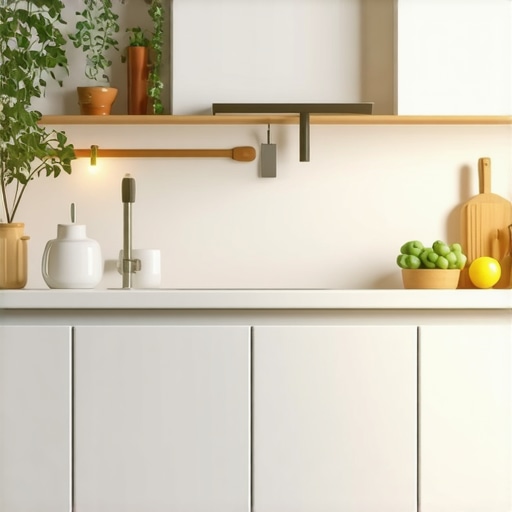
One sunny afternoon during a kitchen renovation, I vividly remember standing in my newly painted cabinets, watching the light bounce off their shiny surface, only to realize — I had chosen high-gloss without truly understanding what I was getting into. That glossy shine, which I thought would make the space feel modern and sleek, unexpectedly highlighted every fingerprint, smudge, and water spot. It was a wake-up call that sent me down a rabbit hole of research and personal experiments. The more I learned, the clearer it became: choosing the right finish isn’t just about aesthetics; it profoundly impacts the maintenance, durability, and overall feel of your space.
Why You Should Reconsider Your Cabinet Finish Choice
Let’s face it — renovating or updating kitchen cabinets is a significant investment of time, money, and effort. The finish you select can make or break the long-term success of your project. While high-gloss finishes have their fans, especially for their vibrant, mirror-like effect, many homeowners, including myself, are discovering that semi-gloss offers a balanced blend of beauty and practicality. Semi-gloss finishes tend to hide fingerprints and smudges better than high-gloss, making daily upkeep a lot less stressful. Plus, they tend to be more forgiving with minor scratches and imperfections, which are inevitable over years of everyday use. This is especially true if you have kids or love cooking—the kitchen tends to get messy faster than you might think.
To put it simply, I wish I had known about the benefits of semi-gloss before committing to a high-gloss finish. Early on, I made the mistake of assuming that the extra shine was worth the trade-offs. But as I’ve come to realize through personal experience and expert advice, a semi-gloss finish hits the sweet spot for many homeowners. If you’re wondering whether your cabinets will stand up to the hustle and bustle of daily life, keep reading. We’ll explore real reasons why semi-gloss may be the smarter choice for your next renovation.
Is the Hype About High-Gloss Really Justified?
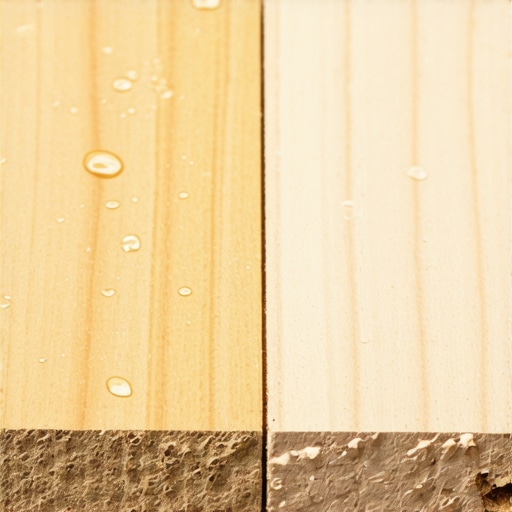
I used to believe that high-gloss was the ultimate finish for a modern kitchen. After all, glossy surfaces are easy to clean and look stunning in photos. However, I learned the hard way that gloss can magnify every fingerprint, smudge, or water stain, requiring constant maintenance. Early in my project, I also didn’t realize that high-gloss paints are usually less forgiving when it comes to surface imperfections — any bump or brushstroke could become glaringly obvious. It was a costly lesson that made me appreciate the subtle advantages of semi-gloss, which offers a softer glow while still being easy to wipe clean.
Supporting this, interior design experts note that semi-gloss finishes provide excellent durability and a pleasing aesthetic without the high-maintenance pitfalls of high-gloss. This realization has helped many homeowners avoid the frustration I faced and opt for a finish that’s both beautiful and practical. If you want to see how other homeowners have transformed their spaces, I recommend checking some [built-ins that elevate your living rooms’ functionality](https://artisancabinetworkz.com/built-ins-that-elevate-your-living-rooms-functionality). Now, let’s dive into how you can choose the perfect semi-gloss finish for your cabinets.
Assess Your Space and Usage Needs
Start by evaluating how your kitchen is used daily. If you have kids, cook frequently, or entertain often, prioritize durability and ease of maintenance. For instance, during my kitchen remodel, I realized that glossy cabinets might look stunning but would require constant cleaning due to fingerprints. Instead, I decided to focus on semi-gloss finishes that hide smudges better and withstand regular cleaning.
Select Your Color Palette and Finish
Choose a color that complements your overall design theme. Then, opt for a semi-gloss finish, which provides a soft sheen that balances aesthetics and practicality. When I selected semi-gloss for my cabinets, I noticed that the light softly reflected without highlighting every fingerprint, creating a warm and inviting ambiance.
Prepare Your Cabinets for Painting
Proper preparation is crucial. Remove all hardware, clean surfaces thoroughly with a degreaser, and sand lightly with fine-grit sandpaper to ensure adhesion. I used a sanding block to smooth out rough spots, which made the final coat of paint look seamless. This step prevents future peeling and ensures an even finish.
Apply a Primer for Better Adhesion
Use a high-quality primer suited for semi-gloss paints on cabinets. It seals the surface, enhances paint adherence, and prevents stains from bleeding through. I opted for a bonding primer, which worked well on my previously laminated cabinets, resulting in a professional-looking finish.
Paint in Thin, Even Coats
Apply the semi-gloss paint using a high-quality brush or roller designed for cabinetry. Work in thin layers to avoid drips and uneven texture. During my project, I used a foam roller to achieve a smooth surface and a small brush for corners. Allow adequate drying time between coats as specified by the manufacturer.
Finish with a Clear Sealant or Topcoat
For added durability, especially in high-traffic kitchens, consider applying a clear semi-gloss polyurethane or polycrylic topcoat. This extra layer protects against water spots and scratches. I applied a water-based polyurethane after the final coat, which hardened the finish and made cleaning easier without altering the color.
Reinstall Hardware and Personalize
Once the finish is fully cured, reattach your hardware and add personal touches like cabinet labels or decorative knobs. During my last step, I found that using new hardware gave my cabinets a refreshed look, tying the entire renovation together.
Many homeowners assume that choosing the right storage or custom cabinetry is as simple as picking a style and size, but let’s dig deeper into common misconceptions that could sabotage your remodel. A prevalent myth is that larger, more elaborate cabinets automatically mean better organization. In reality, oversized cabinets can become maze-like, making it harder to find things quickly, and leading to clutter accumulation. Experts emphasize that personalized space planning, incorporating smart storage hacks like hidden drawers or adjustable shelving, offers more practicality.
Are Custom Cabinets Always the Best Investment for Your Space?
Contrary to popular belief, custom cabinets aren’t a one-size-fits-all solution. While they offer tailored aesthetics, many overlook the importance of proper installation and material quality. Poorly installed or low-grade materials can result in warping or damage, nullifying the benefits of a custom design. In fact, studies show that DIY mistakes in measurements and installation are among the top causes of remodeling failures, often costing homeowners time and extra money. It’s crucial to work with seasoned professionals who understand nuanced details like cabinet door alignment or moisture-resistant finishes, especially in kitchens with high humidity. For insight into avoiding common pitfalls, check out [expert tips on selecting storage solutions](https://artisancabinetworkz.com/expert-tips-on-selecting-storage-solutions-for-a-perfect-kitchen-upgrade). Overlooking these nuances is a frequent oops that leads to compromised functionality.
Built-ins: Form Over Function or the Secret to Efficiency?
Built-ins are often praised for their sleek integration, but many fall into the trap of sacrificing accessibility for aesthetics. For instance, a beautifully paneled wall with hidden compartments may look stunning, but if access is awkward or storage is limited, it defeats the purpose. To truly optimize space, think beyond appearance—consider how often you reach for items, the placement of heavy or bulky objects, and whether the design accommodates future needs. Innovative storage solutions like adjustable dividers or pull-out shelves can turn a decorative built-in into a powerhouse of efficiency. Check out [built-ins and storage hacks](https://artisancabinetworkz.com/built-ins-and-storage-hacks-for-a-sleek-functional-kitchen) for ideas that marry form and function. Remember, a clever blend of aesthetic appeal and usability makes all the difference. Have you ever fallen into this trap? Let me know in the comments.
Tools I Trust to Keep Cabinets and Built-Ins Functioning Smoothly
Investing in high-quality tools is essential to maintain the aesthetic and functionality of your cabinetry and built-ins over time. I personally swear by a few select products, starting with a Cordless Detail Cleaner equipped with soft brushes, which is perfect for reaching into tight corners and delicate surfaces without risking scratches. It saves me hours in annual cleaning sessions and ensures that dirt and grime don’t build up in hidden spots.
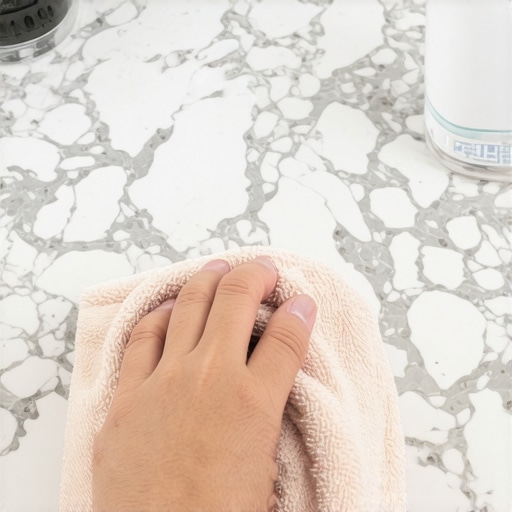
Next, a Microfiber Spray Cloth combined with a high-quality, non-abrasive cleaner helps preserve your finishes, especially if you opt for semi-gloss or matte surfaces which can be more susceptible to streaks. Regular gentle cleaning prevents the buildup of grease and fingerprints that can degrade the finish over time.
Maintenance Routines That Protect Your Investment
Establishing a simple maintenance routine is key. I recommend quarterly deep cleaning—removing all hardware, cleaning surfaces thoroughly, and rechecking hardware tightness. For cabinetry with soft-close hinges or slides, lubricate the mechanisms annually with a silicone-based spray to prevent squeaks and ensure smooth operation. Proper humidity control in your home also plays a vital role in preventing warping and joint failure, making your investments last longer.
The Future is Smart: Technology for Maintenance
Looking ahead, smart sensors embedded in cabinetry are emerging, capable of detecting humidity levels or mechanical issues early. While still in their infancy, these tools promise to alert homeowners of potential problems before they become expensive repairs. Imagine receiving an auto-notification when your hinges need lubrication or when a moisture leak is detected in a fully integrated built-in system. This trend toward ‘smart maintenance’ will undoubtedly shape the way we care for our homes and extend the lifespan of custom features.
How do I keep my built-ins looking new without constant effort?
The secret lies in strategic sealing and protective finishes. Applying a high-quality topcoat tailored to your finish, such as a water-based polyurethane, creates a barrier against stains, moisture, and scratches. For example, I use a satin finish on my kitchen built-ins, which resists fingerprints better than gloss but still provides a durable surface. I urge you to experiment with an advanced sealant technique—testing patches on scrap parts before full application—to find what works best for your environment.
For more ideas on protecting your storage investments, explore built-in storage solutions that integrate both beauty and durability seamlessly. In the future, expect innovations like self-healing coatings and IoT-enabled maintenance alerts that simplify home upkeep even further. So, why not try applying a professional-grade topcoat to your current cabinetry this weekend? It’s a straightforward step that significantly prolongs the life of your custom investments and keeps them looking stunning for years to come.
Lessons from the Trenches: What I Wish I Knew About Kitchen Storage and Finishes
One of the most eye-opening lessons I learned was that overemphasizing aesthetics without considering daily practicality can lead to frustration. For instance, choosing a glossy finish solely for its modern appeal seemed ideal until I realized how much time I’d spend wiping away fingerprints. Now, I prioritize finishes that balance beauty with durability, like semi-gloss, which maintains elegance without the constant cleaning. Another vital insight was that custom cabinets, while alluring, demand precise planning and professional execution—a misstep here can turn a dream kitchen into a maintenance nightmare. Lastly, I discovered that built-ins, when thoughtfully designed, can truly revolutionize space utilization, but only if their functionality is at the forefront of design. These lessons have reshaped my approach, and I hope they help you craft a kitchen that’s both stunning and user-friendly.