Why Shaker Doors Are Dust Magnets and the Sloped Profile Alternative
Picture this: after a weekend of installing beautiful custom cabinets in my kitchen, I notice a thin layer of dust settling right on my new Shaker doors. It’s as if those sleek, classic panels have turned into dust magnets overnight. I’d spent hours choosing the perfect finish, only to have my pristine cabinets accumulate grime faster than I could clean them. That moment was a lightbulb moment for me—realizing that style can sometimes battle function. If you’ve ever felt frustrated by dust gathering on your cabinet doors, you’re not alone. Today, I want to share my experience and show you how to address this common problem effectively.
The Dust Dilemma with Shaker Doors
Shaker cabinet doors, with their clean lines and timeless appeal, are undeniably popular in modern and traditional kitchens alike. However, their recessed panel design creates tiny crevices that can trap dust, dirt, and grime, making maintenance a chore. I learned this early on the hard way—assuming that a durable finish would keep dust at bay, I overlooked how design features influence cleanliness. The problem is especially pronounced in homes with pets, children, or high-traffic areas where dust and dirt travel easily. The more I cleaned, the more I saw dust reappearing, and it felt like an endless battle. That’s when I started exploring alternatives that married style with practicality.
Can This Be Prevented? I Thought I Knew Everything
One mistake I made initially was opting for a highly detailed, textured finish, hoping it would hide fingerprints and smudges. Turns out, that same texture made it even harder to clean—dust got lodged in the tiny grooves. I wish I had known earlier about the benefits of a sloped profile or flat-front designs that are easier to wipe down. Many homeowners fall into the trap of believing that all cabinet styles are equally low-maintenance—when in fact, some are designed to hide dirt better than others. The key is understanding how your choices impact daily upkeep and long-term cleanliness.
In the sections ahead, I’ll guide you through practical solutions, including an innovative alternative to traditional Shaker doors that minimizes dust accumulation. Whether you’re planning a kitchen remodel or just tired of dusting every other day, you’ll find actionable tips that make maintenance simpler and your space more inviting. Ready to transform your cabinet game? Let’s dive into the options that will keep your cabinets looking fresh for longer.
Choose the Right Finish for Easy Maintenance
During my own remodel, I learned that selecting a smooth, matte finish significantly reduces dust adhesion compared to glossy or textured surfaces. I opted for a low-sheen, sealed polyurethane coating that creates a smooth barrier, making dust and dirt easier to wipe away. To apply this effectively, I sanded the cabinets thoroughly with fine-grit paper, then used a high-quality brush or roller to ensure a uniform layer. This process took careful attention, especially around detailed edges, but the outcome was worth the effort—less dust accumulation and faster cleanups. For more ideas on customizing cabinets that elevate your home’s style, visit this post.
Opt for Flat-Front Cabinet Doors
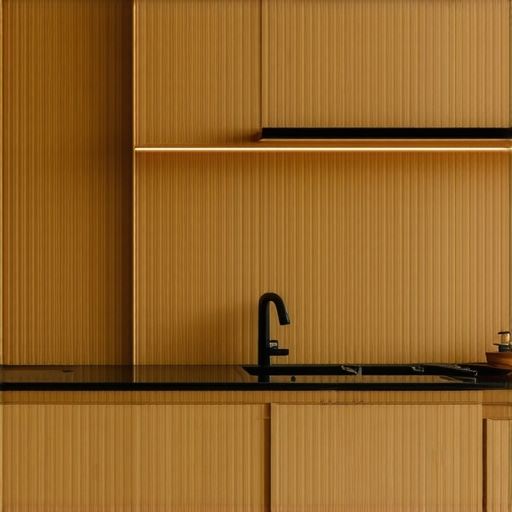
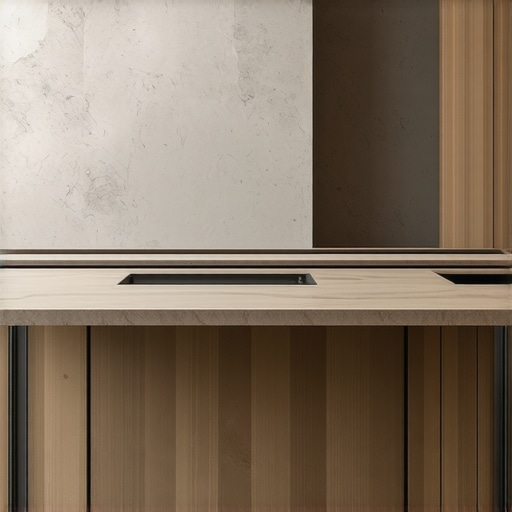
One immediate change I made was replacing my traditional Shaker doors with sleek flat-panel designs. Flat doors lack the recessed panels and detailed moldings that trap dust, making them much easier to clean with a simple damp cloth. I measured my existing doors precisely, then ordered custom flat-front replacements. Installing them involved removing the old doors, adjusting hinges, and ensuring a perfect alignment. The new style not only improved cleanliness but also modernized my kitchen’s look. If you’re interested in built-ins that elevate both form and function, check out these innovative ideas.
Implement Regular, Targeted Cleaning Routines
I established a daily wiping ritual, focusing on cabinet fronts and recessed areas, which kept dust from building up. Using microfiber cloths, I avoided streaks and lifted dust efficiently. For stubborn grime in corners, I used a soft brush attachment on my vacuum. I also scheduled weekly deep cleans with a mild soap solution for the doors and handles. This routine dramatically lowered dust levels and reduced the frequency of intensive cleaning sessions. For effective storage and organization tips that reduce clutter and make cleaning easier, visit this resource.
Seal Crevices and Recessed Areas
To prevent dust from settling into grooves, I applied a thin bead of clear silicone caulk along the edges of my cabinet panels. This created a smooth, sealed surface that resisted dust infiltration. Carefully masking the area with painter’s tape ensured clean lines, and I let the caulk cure fully before reassembling. This step effectively eliminated dust traps in hard-to-reach corners. When planning your remodel, consider designing with fewer recesses or decorative moldings, which are known dust magnets. For insights into custom cabinetry options, see this collection.
Use Anti-Static Products and Proper Ventilation
I started applying anti-static sprays designed for cabinetry surfaces, which repel dust particles. Ventilation also plays a role; I installed a high-quality Range Hood with an efficient filter system to reduce airborne dust settling on surfaces. Keeping windows open when possible, and running air purifiers with HEPA filters, further lowered dust levels. Combining these measures maintained a cleaner environment and extended the time between cleanings. For inspiring modern kitchen remodels featuring custom cabinetry and built-ins, explore this guide.
When it comes to designing custom cabinets and remodeling a kitchen, many homeowners fall prey to misconceptions that can lead to costly mistakes. A prevalent myth is that opting for intricate, highly decorative finishes or elaborate molding always adds value and style. In reality, these details often complicate maintenance, trap dust, and require more frequent cleaning. An advanced homeowner knows that simplicity, focused on smooth surfaces and minimal recesses, enhances both aesthetics and practicality. For example, many believe that heavy-duty hardware and thick-core plywood ensure long-lasting cabinets, but without proper installation and quality materials, these features can still fail prematurely. Selecting the right hardware and ensuring proper securing—such as anchoring floor-to-ceiling units to metal studs—can make a significant difference in durability and safety; for in-depth guidance, visit this resource.
A common oversight involves overlook of the hidden nuances in storage solutions. For example, many underestimate the importance of sealing gaps and crevices to prevent dust infiltration or moisture buildup, especially in high-humidity areas. While it might seem trivial, small details like sealing edges with expert precision not only ease cleaning but also preserve the longevity of your cabinetry. Moreover, the misconception that all built-ins are suitable for universal spaces overlooks the importance of tailored design—what works in a large open-concept kitchen may be a disaster in a compact apartment. Mismatched styles or neglected space planning lead to inefficient layouts and wasted potential; explore these transformative ideas for insights.
One of the most overlooked advanced mistakes is neglecting the ventilation and static control aspects in cabinetry design. Many believe that high-quality finishes and sturdy hardware compensate for poor airflow or static buildup, but in fact, dust and grime are more likely to settle undisturbed. Anti-static treatments and proper ventilation, such as incorporating well-placed range hoods or air purifiers, can dramatically reduce dust accumulation and extend the clean look of your investments. According to a study by the American Society of Heating, Refrigerating and Air-Conditioning Engineers (ASHRAE), improved air quality significantly reduces maintenance costs and health hazards in home environments. Invest in these features early in your design process to avoid hefty cleaning routines later on.
Have you ever fallen into this trap? Let me know in the comments. Remember, the devil is in the details when it comes to smart choices in custom cabinets, storage solutions, built-ins, and kitchen remodels. By understanding and avoiding these common pitfalls, you’ll ensure that your renovation not only looks stunning but also stands the test of time.
Staying Ahead with the Right Tools
Maintaining your custom cabinetry and built-ins doesn’t have to be a chore when you have the right equipment. I personally swear by a high-quality cordless drill equipped with precision screwdriver bits; it streamlines adjustments, such as tightening loose hinges or installing new hardware, saving me from cumbersome manual work. For cleaning, I prefer microfiber dusters with extendable handles, enabling me to reach into recessed areas without the hassle of scaffolding or step ladders—making routine maintenance quick and safe. An electric orbital sander is another investment I’d recommend; it’s invaluable when refinishing surfaces or smoothing out minor scratches in finishes, particularly for cabinets subjected to frequent wear.
Investing in a digital moisture meter can be game-changing for diagnosing potential wood warping caused by humidity fluctuations—especially in kitchens and bathrooms where moisture levels can be unpredictable. Regularly checking moisture content allows early intervention, preserving your investment and preventing costly repairs. When it comes to tools, having a quality laminate trimmer helps in modifying or repairing edges and moldings that may chip or become damaged over time, ensuring your cabinets look pristine without replacing entire sections.
How do I maintain my cabinets over time?
Consistent inspection is key. Schedule quarterly check-ups for loose hardware, signs of moisture damage, or peeling finishes. Use a soft cloth with mild, non-abrasive cleaners; avoiding harsh chemicals preserves your finish and prevents deterioration. Sealing cracks with clear silicone or paintable caulk prevents dust and moisture infiltration, extending your cabinet’s lifespan. Additionally, setting up a cleaning routine that targets high-contact areas with anti-static sprays reduces dust accumulation, keeping your cabinetry looking new longer. For example, I routinely apply anti-static spray to my cabinet surfaces, which has noticeably decreased dust buildup—a tip I learned from interior design experts at Architectural Digest.
Will DIY maintenance keep your cabinets pristine?
Absolutely—when armed with the correct tools and knowledge, regular upkeep becomes manageable and cost-effective. I encourage you to try integrating a moisture meter into your routine and see how early detection can save you money in the long run. Remember, the trend is moving towards modular, smart storage solutions; maintaining your existing setups ensures they remain functional and attractive amidst future upgrades. To explore innovative storage ideas that complement your maintained cabinets, visit this guide.
Don’t forget: preventive care beats reactive repairs. Incorporate these tools and tips into your routine and enjoy the long-lasting beauty and functionality of your custom cabinets and built-ins.
After my kitchen renovation, I realized that making the right design and finish choices can dramatically cut down on cleaning time and preserve the beauty of your custom cabinets. My journey taught me that small decisions in material selection and layout can have long-lasting impacts—less dust, fewer fingerprints, and less stress. Embracing simplicity with flat-front designs and smooth finishes turned into game changers, empowering me to enjoy my space rather than constantly maintaining it. If you’re eager to unlock how to achieve this harmony between style and practicality, continue reading for insider secrets that will upgrade your cabinetry game.
What I Wish I Knew Before Choosing My Cabinets
- Less Recessed Detailing Means Less Dust: Opting for sleek flat-panel doors instead of traditional shaker styles reduced my cleaning routine substantially. The absence of grooves and intricate moldings means dust and grime don’t settle as easily, saving time and effort.
- The Power of a Simple Finish: I discovered that matte, sealed finishes repel dust and fingerprints better than gloss or textured surfaces. A high-quality, low-sheen polyurethane coating provided a smooth barrier that I could wipe clean effortlessly, extending my cabinets’ lifespan.
- Design Harmony Fosters Easier Maintenance: Minimalist layouts with fewer grooves and recesses simplify daily chores. Combining this with sealing gaps and crevices prevents dust infiltration, leading to a cleaner, healthier environment.
- Tools Make All the Difference: Regular inspections and proactive care, like moisture monitoring and sealing cracks, prevent costly repairs and ward off dust buildup. Investing in the right tools, from microfiber cloths to anti-static sprays, streamlines upkeep and keeps my cabinets looking pristine.
Tools and Resources That Became My Go-To Allies
- Precision Moisture Meter: Protects wood from humidity damage and warping, ensuring your cabinets stay true to their form. I trust brands like Extech for reliable readings that catch issues early.
- Microfiber Dusters with Extendable Handles: Reach into recessed areas without hassle, making daily dusting quick and safe. They’re gentle on finishes and highly effective.
- Quality Silicone Caulk: Sealing edges and gaps prevents dust from settling into hard-to-clean corners. This simple upgrade can dramatically improve cleanliness.
- Expert Advice from Artisan Cabinet Network: Their blog and consultation services offer tailored insights into designing and maintaining beautiful, low-maintenance cabinetry—worth exploring for your next project.
Your Next Step in Mastering Kitchen Elegance
Remember, creating cabinets that captivate visually while demanding minimal care isn’t just a dream—it’s achievable with informed choices and strategic planning. By prioritizing simplicity in design, selecting the right finishes, and leveraging effective tools, you can enjoy a stylish, tidy, and welcoming kitchen for years to come. Your journey toward smarter storage solutions and durable beauty starts here—embrace these insights and start transforming your space today.
What’s the biggest challenge you face in maintaining your cabinets? Let me know in the comments—your experience might inspire fellow enthusiasts to find their perfect harmony between form and function.
,