Why Matte Wood Finishes Are Replacing High-Gloss in Modern Kitchens
I remember the moment clearly—standing in my newly remodeled kitchen, wipes in hand, fighting an endless battle with smudges and fingerprints on my high-gloss cabinets. It was frustrating. No matter how often I cleaned, the reflective surfaces seemed to magnify every fingerprint, streak, and dust particle. That’s when I had my lightbulb moment: maybe it was time to abandon the shiny for something more forgiving.
The Shift to Matte: A Personal Revelation
For years, high-gloss finishes ruled kitchens across design magazines and renovation shows. They promised sleek sophistication, a modern edge, and a sense of luxury. But the reality was often less glamorous. The maintenance? A constant chore. Fingerprints and water spots seemed to cling to the glossy surfaces no matter how careful I was. Plus, I started noticing how quickly scratches and smudges became obvious—no matter how high-quality the finish.
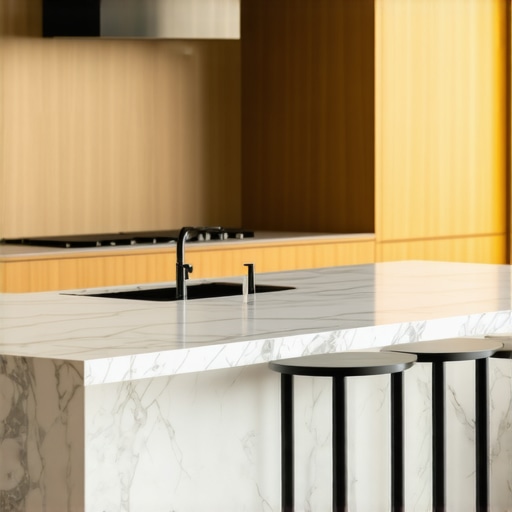
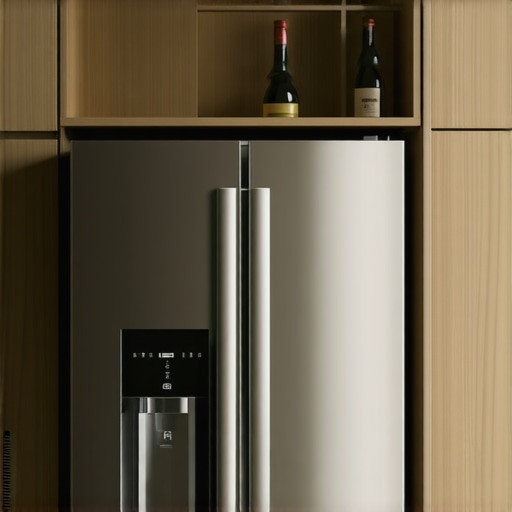
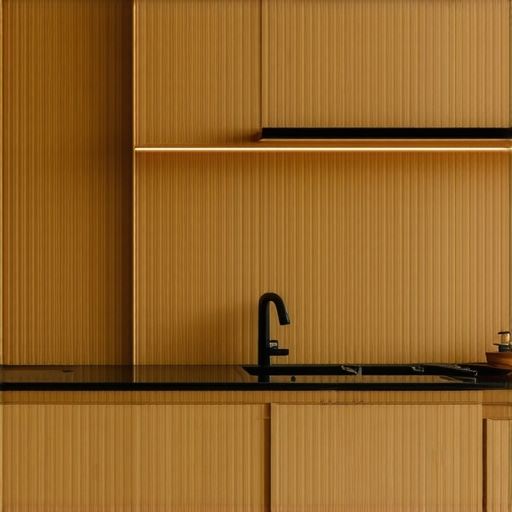
Over time, I observed an emerging trend among designers and homeowners alike. Matte wood finishes began replacing their glossy counterparts, and for good reasons. Not only do matte surfaces hide fingerprints and smudges better, but they also add warmth and texture that make kitchens feel more inviting. This change isn’t just about aesthetics; it’s about practicality and long-term satisfaction.
If you’re considering a kitchen remodel or updating your cabinets, understanding this shift can save you from future headaches. I’ll walk you through why so many are switching to matte finishes and how you can leverage this trend for your own space.
Feeling Skeptical? Will Matte Really Last?
I admit, I was skeptical at first. Would matte finishes look dull over time? Would they be durable enough for everyday life? Early on, I made the mistake of choosing a matte finish without researching its durability, and let me tell you—it’s a mistake many make. But once I learned about the advances in matte coatings and the variety of wood treatments available, I became a convert. For more insights on choosing the right finish, check out our guide on custom cabinets for a stylish kitchen overhaul.
The shift to matte isn’t just a passing trend; it’s driven by real-world needs and improved manufacturing techniques. As a result, matte finishes now offer both elegance and resilience, perfect for the busy modern kitchen.
So, have you already faced the daily struggle of maintaining shiny surfaces, or are you still holding onto the glossy dream? Whatever your situation, understanding the benefits of matte wood finishes can redefine how you experience your space. Up next, I’ll share some practical tips on selecting and implementing these finishes to turn your kitchen into both a beauty and a hassle-free zone.
Map Out Your Space and Storage Needs
Start by listing all the items you need to store—pots, pans, spices, utensils—and measure your available space. Draw a rough sketch of your kitchen layout, marking existing points of access and potential areas for new storage. I once spent an afternoon drafting a plan using painter’s tape on the floor, simulating drawers and cabinets to visualize space before ordering anything. This helps prevent surprises and ensures every item has a designated spot.
Prioritize Accessibility and Workflow
Arrange your storage so frequently used items are within easy reach—think of your kitchen as a well-choreographed dance. Place everyday utensils near the prep area, and seldom-used gadgets in higher cabinets. I installed a pull-out spice rack next to my stove, which cut down prep time significantly. Consider incorporating shallow drawers for cutlery and cooking tools, which makes everything instantly accessible and organized.
Choose the Right Hardware and Mechanical Features
Invest in soft-close hinges and drawer slides to prolong the life of your cabinets and prevent slamming noises. Reinforce heavy items with sturdy support like steel brackets or cleats—especially for built-in shelves carrying heavy dishware. Remember, a small upgrade like adjustable hinges can make a big difference, and if you’re unsure, consulting a professional or exploring detailed guides such as how to align full overlay doors can help.
Utilize Custom Cabinets for Optimal Fit
Instead of settling for off-the-shelf units, opt for custom cabinetry that fits precisely into your space, maximizing every nook. Custom cabinets also allow for integrated features like hidden compartments and specialized pull-outs, which enhance both function and aesthetic. I once designed a custom built-in for my pantry that incorporated multiple tiers of sliding shelves, making it easier to view all items at once. Learn more about this approach at custom cabinets for a stylish kitchen overhaul.
Implement Smart Storage Solutions to Maximize Space
In tight kitchens, every inch counts. Use vertical space wisely with tall cabinets or open shelving. Incorporate vertical dividers, lazy Susans, and pull-out trays within cabinets to improve organization. I added a sliding tray in my lower cabinet for heavy pots, which made retrieval much smoother. For cramped spaces, innovative solutions like vertical dividers for baking sheets or hanging racks for pots can drastically increase usable space. Check out smart storage ideas to discover more.
Test and Tweak Your Setup
Once installed, live with your new storage layout for a few days. Use it as intended, then note any inconvenience or inefficiency. For example, I realized my spice rack was inconvenient because spices were hard to see or reach. I then adjusted the height and added labeled jars for quick identification. This iterative process ensures your storage is genuinely effective and tailored to your habits.
Many homeowners assume that installing frequent shelves or opting for off-the-shelf cabinets automatically guarantees a functional and stylish kitchen. However, this oversimplification often leads to overlooked details that can make or break your space. For example, many believe that larger cabinets are always better, but in reality, shallow, well-designed drawers and customized solutions often maximize usability and reduce clutter. Additionally, there’s a widespread misconception that custom cabinets are prohibitively expensive, but in my experience, they can be surprisingly cost-effective when considering long-term durability and tailored functionality.
Why Do Most People Overlook the Power of Built-Ins in Kitchen Design?
Built-ins are frequently dismissed as a design luxury rather than a necessity, yet they hold the potential to revolutionize your storage efficiency. By seamlessly integrating with your space, built-ins eliminate cluttered corners and unused nooks, offering tailored solutions for everything from spice racks to hidden charging stations. Sadly, many homeowners fall into the trap of traditional cabinetry, which often results in wasted space and compromised aesthetics. Investing in custom-built solutions, as discussed on expert guides on custom cabinets, can dramatically enhance both function and style. One common mistake is not considering future needs; for instance, fail-proof storage for larger kitchen gadgets, which can be easily overlooked. Modular designs and flexible built-ins ensure your kitchen grows with your needs, avoiding costly remodels down the line. Many tend to underestimate how crucial proper space planning is—it’s not just about fitting more in but about designing for ease of access and workflow. Studies from industry experts endorse this approach: optimized storage reduces clutter dramatically and improves daily cooking efficiency. Remember, smart storage isn’t just about adding more cabinets but about *thinking differently* about how you use space. Incorporate vertical dividers, pull-out trays, and deep drawers; they’re game changers that many overlook. For inspiration and detailed techniques, check out forming custom solutions. In conclusion, shattering these myths and embracing these hidden nuances can elevate your kitchen from merely functional to genuinely inspiring. Have you ever fallen into this trap? Let me know in the comments. By understanding these subtleties, your remodel will not only look fantastic but will function with unseen efficiency that lasts for years.
Gear Up with Precision Tools for Longevity
When it comes to maintaining your custom cabinets and built-ins, investing in high-quality tools makes all the difference. I personally rely on a calibrated digital level and a high-precision square to ensure every joint and alignment remains perfect over time. These tools help me detect subtle shifts or misalignments that could compromise the functionality of intricate storage solutions, especially in custom designs where precision is crucial. Using a brad nailer with adjustable depth control allows me to re-assemble or reinforce cabinet frames without over-penetrating, preserving the integrity of delicate materials. For the DIY enthusiast, I recommend the best tools for cabinet adjustments to streamline maintenance tasks.
Establish Routine Checks for Long-Term Success
Establishing a regular inspection schedule ensures your storage solutions remain functional. I check hinges, slides, and handles every six months, looking for signs of wear or loosening. Lubricating moving parts with a silicone-based spray helps prevent squeaks and maintains smooth operation. When I notice a drawer glide feeling sticky, I take the time to clean and reapply lubricant, which extends the life of the hardware. These small, consistent efforts can prevent costly repairs and keep your storage aesthetic pristine. To get guidance tailored to your specific setup, explore our maintenance checklist for cabinetry.
How do I keep my storage systems in top shape over time?
Implementing a few strategic practices can go a long way. First, avoid overloading shelves and drawers beyond their designed capacity—this prevents warping or joint failure. Second, periodically check for hardware loosening and tighten screws or bolts as needed; I keep a small magnetic screwdriver set in my toolbox specifically for this. Third, protect surfaces from moisture and heat by installing proper venting and maintaining seals—this is vital for preserving wood finishes, especially in high-humidity areas. Additionally, using appropriate cleaning products—soft microfiber cloths and gentle wood cleaners—keeps surfaces looking new without damage. For instance, I’ve used a micro-sanding sponge combined with a furniture wax to restore cabinets that had become dull over years of use. Incorporate these simple habits into your routine, and your storage solutions will serve beautifully for decades. Keep in mind that, as trends evolve, so do the best practices for maintenance. Staying updated through expert resources like wood finish care tips will help you adapt over time.
Embrace Smart Tools to Scale Effortlessly
Scaling your storage solutions, whether updating existing cabinets or expanding with new custom pieces, becomes more manageable with the right equipment. I highly recommend leveraging software like SketchUp for layout planning—it allows you to visualize space and identify potential issues before implementation, saving time and reducing errors. For physical adjustments, a cordless oscillating multi-tool has been invaluable for making fine cuts, trimming panels, or removing debris in tight areas. When expanding storage, I utilize modular adjustable shelving systems that can be customized on the fly to accommodate changing needs. For comprehensive maintenance, installing a digital cabinet monitor—an innovative device I use—helps track hinge and slide performance, alerting me when maintenance is needed before issues escalate. This proactive approach minimizes downtime and keeps your kitchen running like clockwork. Manufacturers such as Blum and Kesseböhmer continually innovate in hardware technology, making maintenance more intuitive. To explore tools specific to your needs, see our storage system optimization guide.
Throughout my renovation journey, I’ve learned that the secrets to a truly functional and beautiful kitchen often lie in the details we overlook. From embracing matte finishes to clever storage hacks, each lesson has transformed my space into a haven of efficiency and style.
My Hidden Lessons About Storage and Design
- Size Matters More Than You Think: Custom cabinets might seem costly upfront, but their precise fit saves space and frustrations later. Trust me, settling for off-the-shelf solutions often leads to compromise.
- Built-Ins Are Unsung Heroes: Integrating built-in storage can eliminate clutter and create seamless aesthetics. They’re a game-changer I wish I’d prioritized from the start.
- Don’t Underestimate the Power of Small Fixes: Simple tweaks like adjustable hinges or re-aligning handles can refresh your entire space without a full remodel. These little improvements extend the life of your cabinets and enhance usability.
- Plan for the Future: Think ahead about things like charging stations or future appliance upgrades. Incorporating adaptable storage solutions now saves headaches down the line.
- Routine Maintenance is the Key: Regularly checking hardware and surfaces keeps your kitchen pristine. Small, consistent efforts prevent major repairs and maintain value.
The Tools and Resources I Trust Most
- Guide to Custom Cabinets: This comprehensive resource helped me understand how personalized solutions can maximize space and style.
- Transformative Cabinet Ideas: A treasure trove of inspiration for integrating built-ins and creative storage.
- Smart Storage Tips: Practical ideas that made my kitchen more organized and accessible.
- Seamless Built-ins: Essential insights on making storage both beautiful and functional.
Your Turn to Transform
Remember, the most impactful upgrades often come from small, thoughtful changes. Whether it’s choosing matte finishes or custom-built storage, each decision shapes your kitchen’s personality and efficiency. Embrace these insights and start crafting a space that truly works for you.
What’s one storage idea you’ve been hesitant to try? Share your thoughts below—I’d love to hear your plans!