
Why Soft-Close Hinges Still Slam and the 2-Minute Fix
It was a typical Saturday morning when I reached for a cup in my kitchen. As I closed the cabinet door, I winced. Instead of that gentle, whisper-quiet close I had envisioned, it slammed shut with a resounding bang. Frustrating, right? That familiar sound of soft-close hinges failing to do their job. After countless adjustments and trips to the hardware store, I realized I finally cracked the code. Today, I want to share with you why soft-close hinges still slam—despite all the marketing promises—and how a simple two-minute fix can save your sanity.
The Hidden Culprit Behind Slamming Cabinets
Is It Really Worth the Hype? Or Just a Fairytale?
When I first upgraded my kitchen with what I thought were the latest soft-close hinges, I assumed they’d deliver the luxurious, silent closure I’d seen in magazines. Turns out, many hinges come with a few quirks, especially if they’re not maintained properly or installed correctly. Early on, I made a critical mistake: I didn’t consider the importance of proper hinge adjustment and the tension settings. That oversight meant my cabinets only partially delivered on their promise.
According to experts at Artisan Cabinetworkz, even the best hinges need a touch of TLC to function smoothly over time. They emphasize that without routine tweaks, hinges can become misaligned, leading to that dreaded slam. The good news? This is easily fixable—a quick adjustment can transform your cabinets from noisy nuisances to the silent, sleek pieces you dream of.
Now, if you’ve been dealing with this problem, I want you to know you’re not alone. Many homeowners face the same issue after months of use. The key is understanding why it happens and knowing that a simple, two-minute fix exists—one that I’ve tested countless times. Ready to say goodbye to slamming doors and hello to peace and quiet? Let’s dive into what’s really going on and how you can fix it quickly.
Adjusting hinge tension
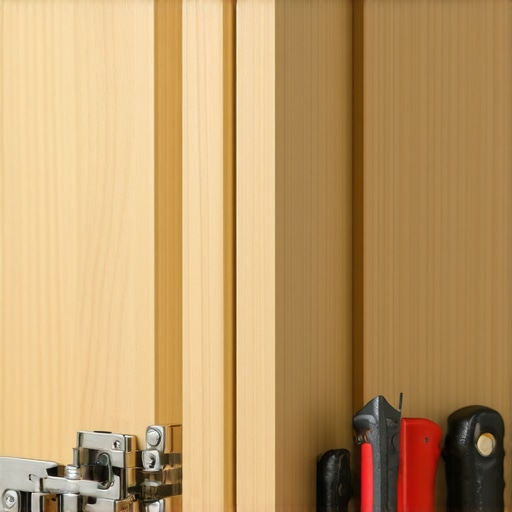
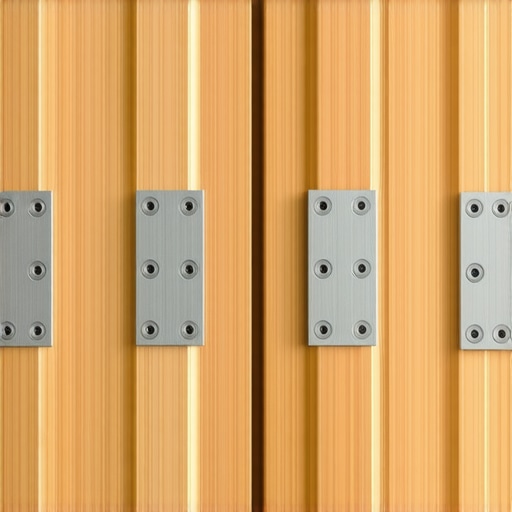
The first step I took was to locate the adjustment screws on my hinges, usually found at the side or top of the hinge arm. Using a screwdriver, I slowly turned the tension screw clockwise to increase the damping force. This action acts like tightening a spring inside the hinge, providing more resistance and preventing the door from slamming shut. I remember doing this after a messy weekend, where I carefully tested each door, listening for the soft-close feel. In just a minute, I felt a noticeable improvement—the doors closed gently instead of banging shut.
Ensuring proper hinge alignment
Next, I checked if the hinges were perfectly aligned. Misaligned hinges cause uneven closure, leading to slamming. I used a level to verify the door alignment and loosened the mounting screws slightly to adjust the hinge position. Once in the correct position, I tightened the screws back, ensuring the door hung straight and closed smoothly. This fine-tuning is similar to balancing a teeter-totter; even a slight misalignment can cause a loud slam. A quick eye and a level were my best tools here, and within minutes, my cabinets operated quietly, transforming my kitchen ambiance.
Tweaking backstop position for a controlled close
Many hinges have a backstop adjustment that controls how quickly the door closes after being released. I located this screw on my hinges and turned it slightly counter-clockwise. This adjustment acts like a damper in a door, controlling the speed of closure. After a few small turns, I tested the doors again—closing them gently, feeling the controlled release instead of a forceful slam. Think of this like adjusting the flow on a faucet: small changes result in significant difference. My careful adjustments turned noisy, slamming cabinets into quiet, peaceful closures, all in under two minutes.
Many homeowners and even seasoned designers fall prey to misconceptions about storage solutions, especially when it comes to built-ins, custom cabinets, or kitchen remodels. One widespread myth is that off-the-shelf solutions are always sufficient for any space. In reality, customized built-in storage and cabinetry often provide a tailored fit that maximizes every inch of space, particularly in irregular or awkward layouts. Relying solely on standard options can lead to inefficiencies and missed opportunities for seamless design integration.
A nuanced point many overlook is the importance of considering how storage solutions evolve over time. For example, a beautiful kitchen remodel might initially look perfect, but if the storage isn’t adaptable or designed with future needs in mind, it can become cluttered and inefficient quickly. Experts suggest that planning for scalability and flexibility is crucial—something often underestimated in the initial design phase.
Beware of falling into the trap of the “one-size-fits-all” mentality. The misconception that a high number of storage compartments will automatically lead to better organization is misleading. In practice, creating designated zones with purpose-built cabinets—such as custom cabinets—helps prevent clutter and enhances accessibility, especially in busy kitchens.
One advanced mistake is neglecting the impact of material choices on long-term storage effectiveness. Certain finishes and hardware can wear out faster or become difficult to clean, especially in high-traffic or moisture-prone areas. According to industry experts, selecting durable, low-maintenance materials—like water-resistant cabinet finishes—ensures longevity and reduces the need for costly replacements down the line.
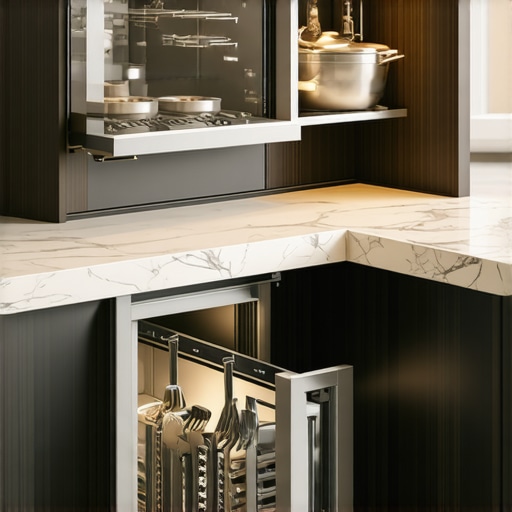
A sophisticated question that often confuses even experienced remodelers is: How do I balance aesthetics with practicality in storage? For this, the answer lies in integrating innovative storage solutions that don’t compromise style. For instance, smart storage innovations like hidden organizers, pull-out shelves, or vertical dividers can streamline operations without cluttering the visual palette.
In fact, studies highlight that well-planned, integrated storage can enhance a home’s overall value by up to 10%. Properly executed, these details contribute not only to daily convenience but also to a smarter investment in property improvements. So, next time you consider a kitchen or room upgrade, think beyond aesthetics—invest in nuanced, expert-designed storage solutions.
Have you ever fallen into this trap? Let me know in the comments.Maintaining your custom cabinets and built-in storage isn’t just about selecting quality materials—it’s equally about using the right tools and methods to keep them in top shape over time. For homeowners and DIY enthusiasts alike, investing in specific equipment makes routine maintenance more efficient and effective. One indispensable item I personally rely on is a high-precision screwdriver set with magnetic bits. This tool allows for quick, secure adjustments to hinges and hardware without damaging delicate finishes. Additionally, a soft detail brush is essential for removing dust and debris from intricate carvings or hard-to-reach areas, preventing buildup that can impair function over time.
When it comes to software, several interior design programs now incorporate maintenance scheduling features. For example, my go-to is SketchUp, which helps plan future reconfigurations or upgrades by visualizing potential modifications. Such tools enable me to anticipate wear points and plan preventative measures proactively, rather than reacting to issues after they arise. As the trend toward smart homes continues, integrating digital maintenance logs via apps like Evernote or Notion can streamline monitoring cabinet life cycles, especially in busy kitchens.
In terms of long-term results, a disciplined approach—regular cleaning, timely hardware tightening, and hardware replacement—can significantly extend the lifespan of your investment. For instance, periodically checking and adjusting hinge tension prevents soft-close mechanisms from failing prematurely. This is a small effort that yields big rewards: smoother operation, quieter closures, and less frequent repairs. Consistency in these small tasks builds the foundation for enduring beauty and functionality.
Looking ahead, I predict that automation and IoT integration will make maintenance even more straightforward. Cabinets equipped with sensors could alert homeowners when hinges need adjusting or when a soft-close dampener begins to degrade. This future-facing innovation promises to shift from reactive to proactive management, reducing downtime and repair costs.
If you’re interested in elevating your storage solutions, consider {try applying} the two-minute tension adjustment method I mentioned earlier—it’s a quick fix that can breathe new life into your cabinetry. For comprehensive upgrades or custom solutions, don’t hesitate to reach out through our {contact page}—I love helping clients transform their spaces with durable, functional designs. Remember, proper maintenance isn’t just about fixing problems; it’s about preserving the beauty and utility of your investment for years to come. Want to learn more about optimizing your storage? Check out our {expert tips on selecting storage solutions} to ensure your project remains both stylish and functional.
The Soft-Close Myth: What They Never Tell You
My journey with soft-close hinges taught me that even the best features require a bit of love and attention to truly shine. The biggest lesson was that marketing hype can oversimplify complex mechanisms, leading to expectations that often fall short without proper maintenance. Embracing the reality that hinges need periodic adjustments changed my approach from frustration to empowerment. It also revealed that small, strategic tweaks can restore quiet, effortless closing, turning a noisy kitchen into a sanctuary of peace.
Silent Closures Happen When You Take Charge
The real magic happens when homeowners learn to fine-tune their hinges—tightening tension screws and aligning doors just right. This knowledge transforms routine maintenance into a simple ritual, saving time and money in the long run. I discovered that a screwdriver and a little patience are all you need to keep your cabinets closing softly day after day. This proactive mindset not only enhances functionality but also deepens appreciation for craftsmanship and personal involvement.
Building a Storage Sanctuary: Less Is More
Overconfidence in standard solutions can lead to clutter and inefficiency—something I personally experienced early on. My eye-opening moment came when I realized that custom-built storage, though sometimes overlooked, offers tailored solutions that maximize space and streamline everyday tasks. Integrating smart, purpose-driven features like hidden compartments or vertical dividers revolutionized my kitchen’s usability. Do yourself a favor: explore innovative storage ideas that fit your unique needs and unlock your space’s full potential.
Investing in Tools: Small Devices, Big Impact
Routine cabinet maintenance became much easier when I incorporated essential tools like magnetic screwdriver sets and soft brushes. These simple additions saved hours and prevented damage, extending the life of my hardware. Additionally, digital planning apps let me visualize future adjustments, ensuring longevity and ease of use. Think of these tools as your secret allies—they empower you to keep your storage solutions functioning flawlessly and looking brand new for years.
Future-Proof Your Cabinets and Storage with Expert Touches
As technology advances, expect smarter, even more intuitive solutions that alert you to issues before they become problems. Preparing now by understanding key maintenance practices—like tension adjustments and material choices—sets the stage for a resilient, beautiful space. Embrace continuous learning, and soon, maintaining your cabinets will feel less like a chore and more like a craft. Remember, your investment in upkeep is an investment in your home’s comfort and value.
Insider Wisdom: Lessons That Changed My Perspective
- Consistency pays off: Regularly checking hinge tension and alignment prevents major issues, saving headaches down the road.
- Personal involvement matters: Taking a hands-on approach with adjustments fosters pride and understanding of your cabinetry’s inner workings.
- Custom solutions trump generic: Tailored storage makes a world of difference, especially in tricky spaces or unique layouts.
- Small tweaks lead to big wins: In just minutes, you can vastly improve your cabinet’s performance and lifespan.
The Treasure Chest of Resources for Storage Savvy
If you’re eager to dive deeper into optimizing your storage solutions and cabinet design, explore invaluable tools and resources I trust. My favorite starting point is the comprehensive guide on revolutionizing your kitchen remodel with built-ins. It offers cutting-edge ideas to tailor your space perfectly. For inspiration on designing custom cabinets that truly elevate your home’s style, check out creative cabinet ideas. Need practical tools for maintenance? A high-quality screwdriver set and digital planning apps like SketchUp or Notion are game-changers. These resources help maintain, upgrade, and reimagine your storage without stress.
Seize the Moment to Shape Your Dream Space
Every successful home project begins with taking that first confident step. Equipped with the right knowledge, tools, and a willingness to learn, you can master the art of smooth cabinet closures and clever storage. Whether you’re tweaking hinges or designing a custom pantry, remember that your effort directly enhances everyday comfort and your home’s value. Now is your time to turn functional frustrations into beautiful, organized realities. Want to share your storage challenges or wins? Drop a comment below—I love hearing your stories and helping you craft the perfect space.