5 Minimalist Hardware Styles for a Modern Kitchen Refresh
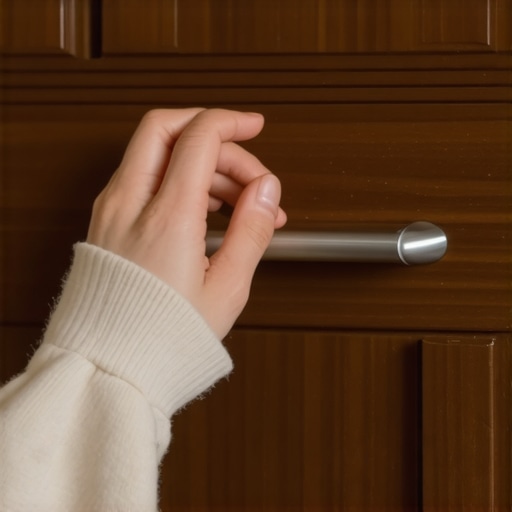
It was a morning like any other, but as I opened my kitchen drawer, I realized something was off. Instead of the sleek, clutter-free space I envisioned, I was greeted by a jumble of mismatched handles and worn-out knobs. That lightbulb moment made me rethink everything about my kitchen’s hardware. Why was I still clinging to outdated fixtures that made my space feel chaotic?
In my quest to refresh my kitchen, I discovered that choosing the right minimalist hardware could make a world of difference. It’s such a simple change, yet it can elevate the entire look and feel of your space. Today, I want to share my journey and show you how five carefully selected hardware styles can transform your modern kitchen without the hefty renovation costs.
Why Your Hardware Choices Actually Matter More Than You Think
Choosing hardware might seem like a minor detail, but it plays a crucial role in defining your kitchen’s personality. Small touches like handles and knobs set the tone—are you going for sleek and modern, warm and inviting, or industrial chic? The right hardware can visually unify your cabinets and countertops, creating a cohesive look that feels intentional and polished. According to a study by Houzz, 70% of homeowners say hardware updates were the easiest way to refresh their kitchen’s appearance without a full remodel.
Early in my project, I made a classic mistake: I bought generic knobs just because they were cheap. The result? A mismatch of styles and finishes that detracted from my otherwise modern aesthetic. It dawned on me that deliberate hardware selection is an investment, not an afterthought. If you’re wondering whether hardware is truly worth the fuss, trust me—it’s worth every penny.
For those feeling skeptical, I get it. Changing knobs and handles can seem insignificant compared to major appliances or cabinetry. But I promise, the right hardware acts like jewelry for your kitchen—subtle, stylish, and instantly elevating your space. Want some inspiration? Check out this guide on innovative storage solutions to see how hardware ties everything together.
Now that we understand why hardware matters, let’s explore the five minimalist styles that can breathe new life into your kitchen and make your space feel both modern and welcoming. Ready to find your perfect match? Let’s dive in.Now, let’s get hands-on with the core strategies to elevate your kitchen. First, evaluate your space thoroughly. Measure every inch, noting awkward corners, ceiling height variations, and existing plumbing or electrical features. Use a tape measure and a notepad, or better yet, create a scaled sketch on graph paper to visualize potential layouts. When I did this for my project, I realized that my unused corner could house a custom lazy Susan or pull-out shelves, making a huge difference in accessibility.
Design Your Customized Storage Solutions
Identify Your Needs
Make a list of items that clutter your current setup—pots, pans, spices, baking tools. Prioritize accessible storage for frequently used items and concealed compartments for things you want to keep out of sight. For my kitchen, I wanted a dedicated spice drawer, which I achieved with a shallow pull-out tray fitted into a lower cabinet. This step prevents clutter and saves time during busy mornings.
Choose the Right Materials and Finishes
Opt for durable materials that match your aesthetic. For instance, HDF panels are excellent for painted cabinets as they resist cracking, a point I learned when my previous veneer doors split after a winter. Select hardware finishes that complement the overall design—matte black handles for modern looks or brass for warmth. Consistency here ties your entire remodel together.
Fabricate or Select Your Custom Components
Work with Skilled Craftsmen or Use DIY Guides
If you’re comfortable, small projects like a custom spice drawer or toe-kick storage can be DIY. For larger components like full-height cabinets or built-in pantries, partner with a cabinet maker experienced in modern minimalist styles. I collaborated with artisans who used quarter-sawn oak to add a touch of luxury that also resisted warping over time. Visiting a showroom or browsing portfolios helps ensure your vision aligns with craftsmanship.
Order and Schedule Your Build
Once designs are finalized, confirm deadlines and installation windows. Allocate extra time for adjustments—unexpected delays happen. When my custom cabinets arrived, I initially faced misalignments. Adjusting hinges and securing hardware improved the outcome, but early delays underscored the importance of flexible planning. Check if your builder offers a pre-installation inspection to catch issues early.
Install and Fine-tune Your Kitchen Setup
Prepare Your Space
Clear the workspace, protect flooring, and ensure proper lighting for installation. A messy environment can lead to mistakes or damage. During my install, I used painters’ plastic and moved all furniture aside to maintain a clean working zone.
Supervise and Adjust as Needed
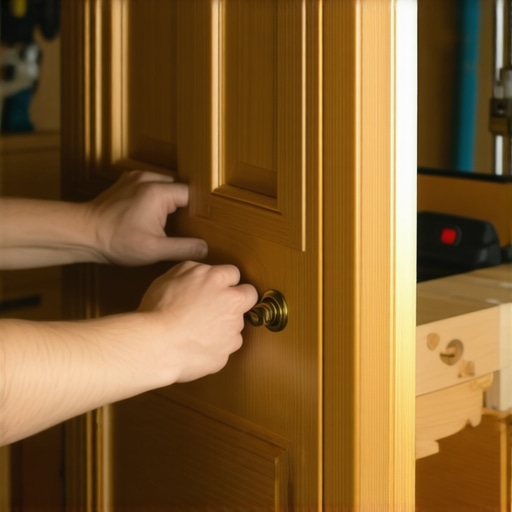
Stay engaged during the process. Confirm that cabinet alignments are plumb, doors open smoothly, and hardware sits flush. Often, minor shimming is required; I used simple wooden shims to level cabinets on an uneven floor. Fine-tuning ensures longevity and satisfaction with your new kitchen.
By methodically measuring, designing, fabricating, and installing your cabinetry and built-ins, you turn a chaotic space into a tailored haven. Each step, from initial planning to final adjustment, builds towards a functional and stylish kitchen that complements your lifestyle and aesthetic preferences. For detailed insights into creating seamless storage, visit this guide.Many homeowners assume that adding storage is a straightforward process, but in reality, even seasoned DIY enthusiasts often overlook the nuanced complexities involved in creating truly functional and stylish spaces. One common misconception is treating storage solutions as an afterthought, rather than integrating them seamlessly into the overall kitchen design. This oversight can lead to bulky, inefficient, or visually distracting cabinetry that hampers both aesthetics and usability.
A frequently misunderstood aspect is the importance of custom cabinetry tailored to your specific needs. While off-the-shelf units might be tempting due to lower initial costs, they often result in wasted space and limited accessibility. Skilled craftsmen who design custom cabinets understand the subtle interplay between ergonomics, aesthetics, and spatial flow—elements that standard solutions rarely accommodate.
One critical nuance that many overlook involves the strategic use of built-ins. These features, when thoughtfully designed, can maximize underutilized areas like corners or above appliances. However, designing effective built-ins requires an advanced understanding of both seamless storage integration and the specific constraints of your space. The trap here is opting for generic solutions that do not account for your unique kitchen layout, thus sacrificing functionality for mere aesthetics.
#### Are Built-ins Always Better Than Free-Standing Units?
Many assume built-ins are reserved for high-end, luxury kitchens, but in fact, they are often the most advantageous choice for small or irregularly shaped spaces. Built-ins can be customized to hide appliances, incorporate specialized storage, or create a cohesive look that off-the-shelf units can’t match. Yet, the complexity of designing and installing such features can intimidate homeowners, leading them to settle for suboptimal solutions. It’s vital to collaborate with experienced designers who understand advanced storage techniques—this can prevent costly missteps and ensure your remodel delivers both style and practicality.
A common mistake is prioritizing aesthetics over long-term functionality. For instance, choosing hardware finishes solely for their visual appeal without considering fingerprint resistance or ease of cleaning can lead to frustration. Hardware is often the last detail, but it has a significant impact on user experience. Finishing touches like choosing hardware that hides fingerprints—such as matte black or bronze—save time and effort in maintenance.
Another trap to avoid concerns the misconception that more storage always equals better organization. Overstuffed cabinets and drawers can quickly turn into clutter hotspots, defeating the purpose of improved storage. Expert advice suggests employing innovative storage solutions like peg systems, pull-out trays, and hidden compartments to maximize usability without sacrificing design.
In essence, understanding the sophisticated nuances of storage and cabinetry design can elevate your kitchen from merely functional to truly exceptional. It requires meticulous planning, a clear vision, and collaboration with craftsmen who know these intricacies inside out. Remember, the devil is in the details—skipping them can lead to costly mistakes, or worse, a space that’s beautiful but impractical.
Have you ever fallen into this trap? Let me know in the comments. For more insights on creating seamless, stylish storage, explore our comprehensive guide to modern kitchen remodels.Maintaining a high-functioning kitchen, especially one outfitted with custom cabinets and built-ins, requires the right tools and a bit of consistent effort. Personally, I rely on a few specialized equipment pieces that have proven invaluable over the years. A high-quality cordless drill, for instance, makes adjusting and installing hardware seamless and precise, saving me time and reducing frustration. I favor models with adjustable torque settings and ergonomic grips, such as the Makita XFD12Z, which I use for everything from tightening handles to aligning hinges. Pairing this with a set of specifically designed cabinet screwdrivers ensures you can reach tight spots without damaging your finish. Another staple is a digital level—like the Bosch D-TECT 150—crucial for aligning doors and shelves perfectly, especially when verifying that all components are plumb after installation. In my experience, using a laser distance measurer like the Bosch GLM 50 C not only speeds up dimension checks when planning custom storage but also guarantees accuracy, which is critical for seamless built-in placements. Software automation tools are trending upward; I use SketchUp to visualize modifications, allowing me to plan storage solutions that optimize space without guesswork. This proactive approach minimizes costly mistakes and streamlines the installation process. Prediction-wise, as smart technology advances, I foresee an integration of app-controlled tools that continuously update measurements and calibrations in real-time, further reducing human error and elevating precision. So, I challenge you to try out a digital level or a laser measure on your next project—these small upgrades can dramatically improve your results, ensuring your cabinetry and storage solutions stay aligned and functional for years. How do I maintain these tools over time? Regular calibration checks and gentle cleaning with a microfiber cloth keep them in peak condition, extending their lifespan and maintaining their accuracy. Staying on top of maintenance not only protects your investment but also ensures your remodeling efforts remain flawless.Throughout this journey of transforming my kitchen, I learned that the devil truly is in the details. The biggest lesson I wish I knew earlier was how much thoughtful hardware selection and customized storage could elevate not just the aesthetics but also the functionality of the entire space. I was initially fixated on visual appeal, but I soon realized that ease of access and seamless integration are what make a kitchen truly user-friendly.
Designing built-ins with purpose taught me the importance of tailoring solutions to my specific needs, rather than settling for off-the-shelf options that often feel generic and inefficient. Embracing custom cabinetry and smart storage hacks revealed how small, deliberate choices can make even the tightest spaces feel expansive and organized.
Ultimately, I wish I had prioritized craftsmanship and internal planning from the beginning—it would have saved me time, money, and frustration. Now, I see my kitchen not just as a cooking zone but as a reflection of intentional design and personalized comfort.