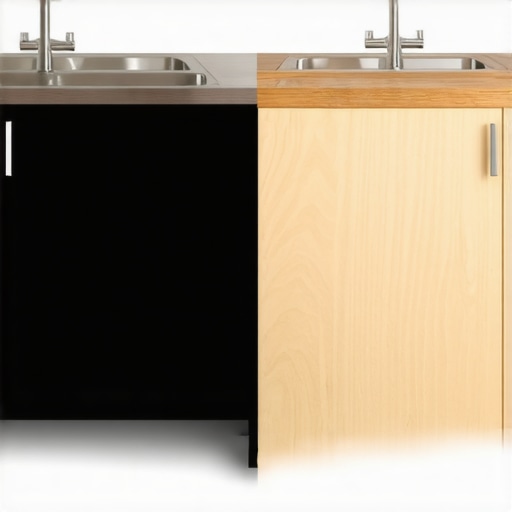
Why Textured Laminates Are Often More Durable Than Real Wood
Ever had that moment in your kitchen renovation when a spill, a scratch, or an accidental bump made you regret choosing real wood? I remember the first few months after installing my new cabinets, feeling proud until a heavy pot slipped from my hand, leaving a visible dent. That’s when I had my lightbulb moment: textured laminates, in my experience, are often more resilient than traditional wood. It was a revelation that changed how I approached my entire remodeling project—and I want to share why I believe that might be the game-changer for you too.
The Hidden Strength of Laminates in Real-Life Use
When I first started exploring options for my kitchen, I was fixated on the warmth and authenticity of real wood. Yet, I quickly discovered that everyday mishaps can be quite unforgiving. Scratches, water rings, and warping—these common issues plagued my wooden cabinets, and I soon realized I wasn’t alone. According to a recent study, laminate surfaces can resist scratches and wear far better than natural wood, especially in high-traffic areas. This makes textured laminates particularly appealing for busy households or anyone tired of constant maintenance.
Is All Textured Laminates Actually Worth the Hype?
Initially, I made a mistake by thinking that textured laminates would look cheap or feel artificial. I believed the authenticity of real wood was irreplaceable. It was only after a few months of neglect that I understood how surface quality matters. I learned that choosing high-quality textured laminates with realistic finishes offers remarkable durability without sacrificing aesthetic appeal. Interestingly, innovations have advanced so much that modern textured laminates can replicate grain patterns and tactile feel that rival real wood, often at a fraction of the cost.
If you’re considering a remodel and balancing durability with visual appeal, understanding this switch can save you frustration and investment down the line. Are you tired of replacing or refurbishing surfaces after accidental damage? If so, I encourage you to explore whether textured laminates might be your new best friend. For a detailed look at how custom designs and durable materials can elevate your space, check out this guide. As we dig deeper, I’ll share practical tips on selecting the right textured laminates and integrating them seamlessly into your kitchen or built-in storage solutions—because a durable, beautiful home shouldn’t be just a dream, but a real possibility.
Selecting the Right Materials for Your Built-Ins
Start by assessing durability and aesthetic appeal. For example, I once chose a light-colored textured laminate for my island, which resisted scratches better than painted surfaces. To ensure longevity, opt for high-pressure laminates with realistic textures. When visiting suppliers, ask for samples and compare tactile and visual qualities side by side. Remember, quality materials may cost more upfront but save you money on repairs later. Link your research to trusted guides like this resource to understand the options better.
Measuring and Planning Your Space
Accurate measurements are critical. Use a laser measure or a tape with a bubble level to get precise dimensions, especially for existing spaces. For instance, I measured my cabinet openings three times before ordering components; a single miscalculation could lead to gaps or fit issues. Sketch out your plan with scale, indicating where built-ins, cabinets, and storage niches will go. Incorporate allowances for hardware, hinges, and finish overlaps. Think of it like sizing a custom wardrobe; details matter for a seamless look and functional use. For complex setups, consult a professional or review this expert guide.
Choosing Your Hardware and Accessories
Select hinges, slides, and pulls that match your style and usage needs. Soft-close hinges prevent slamming, which I installed on all upper cabinets—every time I open a door, I’m reminded of how much smoother this makes the experience. For heavy or live-in storage, opt for heavy-duty slides and anti-slip mats inside drawers. Keep in mind that hardware can make or break both appearance and functionality. A good trick is to verify hardware weight ratings, similar to testing a new car’s load capacity before purchase. Explore this article for in-depth hardware advice.
Constructing and Installing with Precision
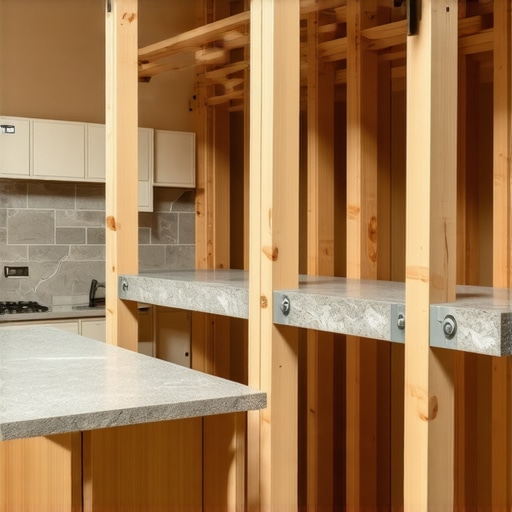
It’s essential to prepare your workspace thoroughly. For my project, I cleared the area and laid down a drop cloth. I used shims to level uneven floors and spacers to keep cabinets aligned during installation. Remember, uneven surfaces are common—measure with a level and adjust accordingly. Secure cabinets to studs, not drywall, for stability, especially for heavy units or taller installations. For example, I used a stud finder and reinforced with toggle bolts, ensuring stability over years. This step is akin to framing a wall; precision ensures everything functions and looks perfect. Check out this guide for detailed instructions.
Finishing Touches and Seamless Integration
Final details include paint, finish, and hardware installation. I chose matte finishes for a modern look and installed pulls that complemented my backsplash. For a clean, built-in appearance, consider flush-mount hardware and minimal detailing. Use painter’s tape to protect edges and a level to ensure handles sit perfectly aligned. For a truly integrated look, panel appliances with cabinetry or conceal them with custom panels. A well-executed finish transforms a collection of cabinets into a cohesive, stylish kitchen. Review this comprehensive guide for finishing strategies.
Many homeowners jump into kitchen renovations with a clear vision, but often overlook the nuanced details that can make or break the final result. One common misconception is that all built-in storage solutions are created equal; in reality, choosing the wrong design or material can lead to costly adjustments later. For instance, superficial hardware choices or surface finishes might seem insignificant initially but can cause significant functional and aesthetic issues over time.
Why Popular Myths About Custom Cabinets Can Mislead You
A widespread myth is that custom cabinets automatically mean superior quality. While they offer personalization, their durability hinges on the materials used and the craftsmanship involved. Many assume that cheap materials like particleboard are acceptable, but studies highlight that high-quality plywood or solid wood significantly extend cabinet longevity and resistance to warping or damage. Rushing into budget options without assessing these nuances often results in warranty claims and replacements sooner than expected. For comprehensive insights into choosing durable cabinetry, explore this detailed guide.
Advanced Kitchen Design: Are You Overlooking Space Optimization?
One often underestimated detail lies in spatial planning. Many focus solely on aesthetics, neglecting how storage solutions interact with everyday use. For example, corner cabinets are frequently wasted potential, with lazy Susans or diagonal shelving being underutilized. Incorporating innovative storage ideas like pull-out trays or vertical dividers can dramatically enhance efficiency and accessibility. A recent ergonomic study emphasizes that thoughtfully planned storage reduces movement and strain during daily tasks. Be wary of frameworks that look great but hinder practicality; always test your layout with mock-ups or digital simulations before committing. For more sophisticated storage tactics, visit this resource.
Moreover, many seasoned remodelers overlook detailed lighting plans, which are crucial for both functionality and ambiance. Proper layering of task, accent, and ambient lighting can elevate your kitchen experience, preventing issues like shadows on work surfaces or dim corners.
Another critical nuance is understanding the impact of surface finishes. For example, matte finishes are increasingly popular because they hide fingerprints and scratches better than high-gloss surfaces, but they may require more maintenance to prevent water spots. Recognizing how different finishes respond to your household’s habits is essential for long-term satisfaction. For expert advice on selecting the right surface treatments, see this article.
Finally, pay attention to the plumbing and electrical systems hidden behind cabinetry. Small oversights, like insufficient clearance for plumbing or poorly planned outlet placement, can cause significant headaches and expenses down the line. Collaborate closely with your contractor to review these details meticulously.
Have you ever fallen into this trap? Let me know in the comments. Being aware of these nuanced pitfalls can save you time, money, and frustration, leading to a truly successful kitchen transformation.
Tools That Make Maintenance a Breeze
Investing in high-quality tools is crucial for long-term upkeep of your kitchen. I personally rely on a digital angle finder to ensure that cabinet doors and drawers remain perfectly aligned over the years. This device, which I calibrated annually, helps me quickly identify misalignments caused by humidity changes or settling. Additionally, a cordless electric screwdriver with adjustable torque settings speeds up hardware adjustments without risking stripped screws. For routine cleaning, a microfiber cloth paired with a gentle, pH-balanced cleaner preserves the finish on textured laminates and custom cabinets, preventing streaks and scratches. Incorporating these tools into your maintenance routine ensures your kitchen stays beautiful and functional.
Schedule Regular Check-Ups for Longevity
Setting a monthly reminder to inspect hinges, pulls, and hardware can save you significant effort down the line. Over time, hinges may loosen or squeak, and tracks can accumulate dust, hindering smooth operation. Applying a few drops of a silicone-based lubricant to hinges and slides restores their softness and reduces squeaking. I’ve found that periodically tightening hardware, especially after seasonal shifts, prevents misalignment and drooping. For your built-ins, check the stability of joints and reinforcement points—this proactive approach avoids costly repairs and keeps everything working seamlessly.
Predicting Future Maintenance Needs
With advancements in smart home technology, future kitchen maintenance could include sensor-driven alerts for hardware wear or moisture build-up near cabinetry. Imagine a small, unobtrusive device monitoring humidity levels and notifying you via an app when conditions threaten wood or laminate surfaces. This trend is already emerging in premium homes, and I predict it will become more accessible in the next decade, making upkeep even easier. To stay ahead, consider installing moisture-resistant coatings on vulnerable surfaces and integrating simple digital moisture meters into your routine. These investments can extend the life of your cabinetry and storage solutions significantly.
How do I maintain custom cabinets and built-ins over time?
Maintaining your custom cabinetry involves routine inspections—tightening hardware, cleaning surfaces with soft cloths, and applying suitable protective finishes when needed. For textured laminates and painted finishes, avoid harsh abrasives, opting instead for mild cleaners and microfiber cloths. Periodic application of a quality furniture polish can restore luster, helping to prevent the buildup of dust and grime. Also, plan to replace or upgrade hardware as technology advances; for instance, switching to soft-close hinges that incorporate damping mechanisms can refresh the feel of your cabinets and reduce wear on hinges and frames. Keep in mind that a well-maintained cabinet not only looks better but has a longer lifespan, ultimately protecting your investment. For detailed guidance, review this resource.
Enhance Longevity with the Right Finishes and Materials
In the long run, selecting finishes with UV protection and moisture resistance can dramatically extend your cabinetry’s lifespan. For example, matte finishes are less prone to fingerprints and scratches but may require reapplication of protective coatings every few years. High-pressure laminates with reinforced wear layers provide excellent durability, especially for busy kitchens with built-in storage that sees daily use. Future trends will likely see more integration of self-healing surfaces or nanotechnology-based coatings that automatically repair minor scratches or chips—cutting-edge innovations I recommend trying now to future-proof your investment. Regularly scheduling professional re-finishing or resealing services can also keep surfaces pristine and protect underlying materials from moisture damage, a leading cause of warping and deterioration.
Scaling Comfortably as Your Needs Grow
As your household expands or your storage needs evolve, modular and customizable storage systems will allow you to scale your kitchen efficiently. Installing adjustable shelving, removable dividers, and versatile pull-out units means your built-ins can adapt without costly replacements. Smart organizational gadgets, like programmable drawer dividers, help maintain order effortlessly and can be updated as your collection of tools or cookware changes. To make scaling even more manageable, consider digital planning tools that simulate room updates, helping you visualize modifications before committing. Embracing flexibility now simplifies future upgrades and ensures your kitchen remains both functional and beautiful.
Ready to boost your kitchen’s long-term performance? Try upgrading your hardware to soft-close hinges combined with a monthly check of alignment and hardware tightness. These small adjustments can dramatically improve your cabinetry’s durability and user experience. For expert insights on hardware upgrades and maintenance strategies, visit this resource. Implementing just one of these tips will set your kitchen up for years of trouble-free use.
Throughout my renovation journey, I discovered that sometimes, the most surprising choices yield the best results. Switching to textured laminates not only transformed the look of my kitchen but also offered resilient performance I didn’t initially anticipate. This unanticipated benefit taught me that embracing innovative materials can lead to practical, long-term satisfaction, especially when we overlook the less glamorous aspects like wear and tear.
Lessons at the Crossroads of Design and Durability
I learned that selecting materials isn’t just about aesthetics; it’s about anticipating life’s mishaps. Opting for textured laminates reminded me that tough, realistic finishes can withstand daily challenges better than traditional wood—saving both time and money on repairs. My biggest light-bulb moment was realizing that investing in high-quality laminates was a smarter, more sustainable choice, and this insight might be a game-changer for your upcoming kitchen updates too.
The Power of Personal Experience in Material Selection
If you’re on the fence about switching from real wood to textured laminates, consider my experience: surface quality and realistic textures matter immensely. The latest innovations have allowed these laminates to mimic natural grains convincingly while offering superior durability. This balance of beauty and resilience can empower homeowners to craft spaces that are both stunning and stress-resistant, making your daily routines smoother and more enjoyable.
Harnessing the Potential of Smart Storage and Fine Finishes
Beyond materials, I realized that thoughtful design—like strategic storage solutions and precise measurements—has a compounded effect on longevity and ease of maintenance. Incorporating custom features such as pull-out trays or concealed appliances not only maximizes space but also minimizes damage risks. For detailed guidance on integrating these elements seamlessly, I recommend exploring this resource.
Turning Ideas into Reality with the Right Tools and Planning
My success was rooted in meticulous planning and the right equipment. From laser measuring tools to durable hardware, every detail played a vital role. Remember, the key isn’t just choosing good materials; it’s aligning your entire process—from measuring to finishing—to sustain those choices over time. For deeper insights into creating a resilient, beautiful kitchen, check out this expert guide.
Grinding the Grit: The Unexpected Benefits You Can Count On
My biggest takeaway? That embracing the unexpected, like the resilience offered by textured laminates, can redefine your remodeling experience. It’s an invitation to think beyond tradition, focusing instead on practical benefits that enhance your everyday life. Choosing materials that withstand your household’s rhythm means fewer surprises and more satisfaction—empowering you to enjoy your renovated space without constant worry.
My Challenge to You
Have you ever hesitated to try a seemingly unconventional material or design element in your kitchen? Share your experience below. Remember, your choices today can set the tone for a more durable, beautiful space tomorrow. Don’t be afraid to explore innovations that might just surprise you with their lasting power and aesthetic charm.