Why Pre-Finished Maple Interior Is Better Than Melamine
I’ll never forget the sound of my kitchen sink cabinet literally crumbling under my touch. It wasn’t even a major flood—just a slow, sneaky drip from a dish soap bottle that I hadn’t noticed for a month. When I finally cleared out the sponges and cleaners, the white melamine floor had swollen like a sponge, the particle board core was a soggy mess of oatmeal, and the smell was unmistakably funky. It was a classic rookie mistake. I had prioritized a few hundred dollars in savings over the long-term durability of my cabinetry. Since that day, I’ve been a staunch advocate for pre-finished maple interiors. Whether you are planning [modern kitchen remodels](https://artisancabinetworkz.com/modern-kitchen-remodels-featuring-custom-cabinets-and-built-ins) or designing a simple mudroom bench, the material you choose for the ‘guts’ of your cabinets matters more than the paint on the outside. Today, I want to share exactly why maple is the king of the kitchen and how it can save you from the same heartbreak I faced.
The Melamine Trap That Ruined My First Kitchen
In the world of [custom cabinets](https://artisancabinetworkz.com/the-ultimate-guide-to-custom-cabinets-for-a-stylish-kitchen-overhaul), melamine is often pitched as the ‘clean, clinical’ choice. It looks bright, it’s easy to wipe down, and it’s undeniably cheaper. But here’s the secret: melamine is essentially a thin piece of plastic-coated paper glued over compressed sawdust. When I built my first set of built-ins, I thought I was being savvy. I ignored the warnings about [why plywood box construction still beats particle board for kitchens](https://artisancabinetworkz.com/why-plywood-box-construction-still-beats-particle-board-for-kitchens) and went for the budget option. Three years later, those cabinets looked like they had aged twenty years. Every time a pot bumped the side or a drawer slide carried a bit too much weight, the melamine chipped, exposing the fragile core beneath. Once that core is exposed to even the slightest bit of humidity, it’s game over. You’ll start seeing those dreaded [5 signs your cabinet bases are rotting quietly under the sink](https://artisancabinetworkz.com/5-signs-your-cabinet-bases-are-rotting-quietly-under-the-sink), and by then, the structural integrity is already compromised.
Is real wood actually worth the extra investment?
Most homeowners ask this question when they see the line item for pre-finished maple. My answer is a resounding yes. According to data from the Wood Components Manufacturers Association (WCMA), maple is one of the densest and most stable domestic hardwoods available, meaning its veneer can withstand significant impacts and humidity shifts without delaminating. Unlike melamine, which can feel cold and ‘plasticky,’ pre-finished maple offers a warm, natural wood grain that instantly elevates the look of your [storage solutions](https://artisancabinetworkz.com/expert-tips-on-selecting-storage-solutions-for-a-perfect-kitchen-upgrade). It doesn’t just look better; it performs better. Have you ever opened a cabinet only to find the shelves sagging under the weight of your heavy ceramic plates? That rarely happens with high-quality maple plywood. It’s a structural powerhouse that stays flat and true for decades. Tell me, have you ever dealt with a cabinet shelf that bowed or a bottom that swelled after a minor spill? I’d love to hear your horror stories in the comments—it might just help someone else avoid the melamine trap.
Stop the Sag with Plywood Box Construction
If you think of your cabinets as a car, the doors are the shiny paint job, but the box is the chassis. A flimsy chassis means the whole thing eventually rattles apart. When I’m planning custom cabinets as a game-changer in your kitchen remodel journey, I always start with 3/4-inch pre-finished maple plywood. Think of plywood like a high-tech sandwich; the layers of wood are glued with grains running in opposite directions. This cross-graining means that unlike solid wood, which expands and contracts with the weather, plywood stays dead flat. It’s why why plywood box construction still wins over furniture board in wet areas like under the sink or near the dishwasher. The UV-cured finish on the maple isn’t just for show—it’s a clear, factory-applied shield that’s much tougher than any clear coat you could brush on by hand.
The Sink Base Strategy That Saves Your Floors
The most vulnerable spot in your entire home is the floor of your sink cabinet. I learned this the hard way during a project where we installed a massive, 100-pound cast-iron farmhouse sink. If you don’t know how to reinforce a sink base cabinet for a 100-pound cast-iron sink, the weight alone can cause the cabinet floor to bow, creating a gap where water from a minor leak will pool and rot the wood. I’ve started implementing what I call the vancouver plumber trick why waterproof liners are mandatory for custom sink bases. By using a pre-finished maple floor and adding a silicone mat or a removable plastic liner, you create a secondary barrier. I once saw a client’s garbage disposal fail and spray water everywhere for two hours; because we had used a sealed maple interior with a liner, we just wiped it out with a towel. Zero swelling, zero damage. 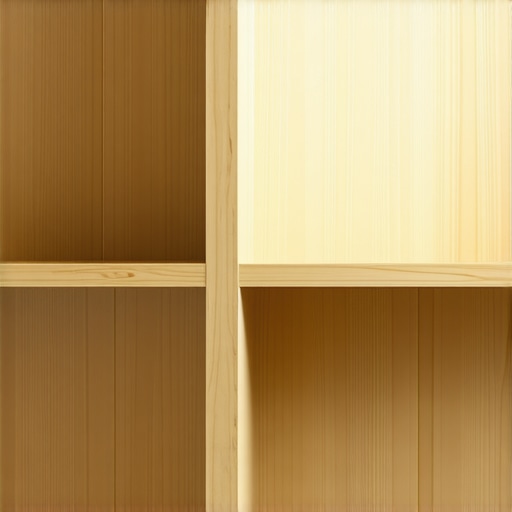
Don’t Let Cheap Hardware Sabotage Your Maple Boxes
It breaks my heart to see a beautiful maple interior paired with bargain-bin drawer slides. If you’ve ever felt a drawer ‘catch’ or heard a screeching sound, you’re likely experiencing the real reason your cabinet drawer slides are grinding: metal-on-metal friction from poor-quality bearings. High-end maple boxes deserve full-extension, under-mount slides. These hide the hardware beneath the drawer, so when you open it, all you see is the clean, natural grain of the wood. This is especially critical when designing smart storage solutions for small kitchens in 2025, where you need to maximize every inch.
Mastering the Load-Bearing Limits
A common mistake is assuming all shelves are created equal. In a pantry, a 36-inch shelf made of melamine will eventually smile at you—and by smile, I mean sag in the middle until your cans of soup start sliding toward the center. Pre-finished maple plywood has a much higher modulus of elasticity. For extra-wide spans, I always suggest a 1-inch thick maple shelf or adding a solid maple nosing to the front edge. This nosing acts like a steel ‘I-beam’ for the wood, preventing the shelf from ever dipping, even under the weight of a heavy stand mixer or a stack of cast-iron pans.
The Hidden Chemistry of a Forever Kitchen
If you think ‘custom’ just refers to the size of the box, you’re only seeing half the picture. The real difference between a cabinet that lasts ten years and one that lasts fifty lies in the molecular level of the finish. Most homeowners focus on the exterior paint color, but the interior clear coat is what actually takes the abuse from sliding pots, spilled oils, and leaking cleaners. When you dive into the chemical specifics, like the difference between pre-catalyzed and post-catalyzed cabinet lacquer, you realize that not all ‘clear coats’ are created equal. A pre-finished maple plywood uses a UV-cured finish that is baked on at the factory, creating a cross-linked chemical bond that is virtually impenetrable. I’ve seen cheap shop-sprayed interiors turn yellow and gummy within five years just from exposure to common household grease. 
Does the type of lacquer really change how long your cabinets last?
Absolutely. In my years of doing innovative storage solutions for modern kitchen remodels, I’ve found that homeowners often mistake ‘all wood’ for ‘high quality.’ But if those wood surfaces aren’t sealed with a high-solids, industrial-grade coating, they are just as vulnerable as melamine. According to the Architectural Woodwork Institute (AWI) Quality Standards, a cabinet’s resistance to ‘wet heat’ and ‘chemical resistance’ is largely determined by the finishing process, not just the species. If your quote doesn’t specify the finish type, that’s one of the hidden red flags in a cheap kitchen cabinet paint quote you need to watch out for.
Why ‘Solid Wood’ Might Be a Structural Mistake
Here is a contrarian take that usually surprises my clients: I will almost never build a cabinet box out of solid wood planks. While ‘solid wood’ sounds like the pinnacle of luxury, it is a liability inside a kitchen. Solid wood is alive; it breathes, expands, and contracts with every shift in humidity. If you build a box out of solid oak, the joints will eventually pull apart as the wood moves. High-performance plywood, especially maple-faced, is engineered for dimensional stability. This is why I always recommend plywood for creating seamless kitchen remasters with built-in storage solutions. It gives you the beauty of the grain with the strength of an engineered product.
Stop the Squeak with Smarter Backing
One of the biggest ‘traps’ in the industry is the 1/8-inch stapled back. Many manufacturers use a thin piece of hardboard that is simply stapled to the back of the cabinet. Over time, as you load up your shelves, the cabinet can ‘rack’—meaning it tilts out of square. This is why we stopped using nails for cabinet backing and switched to screws and a full 1/2-inch or 3/4-inch integrated back panel. It transforms the cabinet from a flimsy box into a rigid structural unit. Have you ever fallen into this trap where your cabinets started leaning or drawers started sticking after a few years? Let me know in the comments. If you’re ready to build something that actually stands the test of time, feel free to contact us for a consultation.The difference between a DIY project and a professional-grade kitchen often comes down to 1/32nd of an inch. When I’m installing modern kitchen remodels featuring custom cabinets and built-ins, I don’t rely on a standard bubble level. I use a self-leveling rotary laser because I’ve learned that floors in older homes can drop significantly across a single run of cabinetry. If you don’t know the proper way to shim a cabinet on a slanted slab floor, your countertops will eventually crack under the uneven stress. I personally swear by the ‘Cabinet Claw’—a specialized clamp that aligns two face frames while you screw them together. It’s the only way to get those invisible seams that define high-end work.
Precision tools that separate pros from amateurs
To get perfectly straight lines, you also need the one tool you need for perfectly-aligned cabinet knobs every time: a dedicated hardware jig. I’ve seen people try to measure each door individually, but manual measurement is a recipe for ‘stair-stepping’ handles. A jig ensures that every pull is mathematically identical, which is crucial for built-ins and storage hacks for a sleek functional kitchen.
How do I keep my custom storage looking new for decades?
Maintenance isn’t just about wiping down spills; it’s about mechanical upkeep. Every six months, I tell my clients to do a ‘hinge check.’ Over time, the vibration of daily use can loosen the mounting screws. If you notice the reason your cabinet doors are slamming despite having soft-close hinges, it’s usually a simple tension adjustment rather than a broken part. According to the KCMA (Kitchen Cabinet Manufacturers Association) A161.1 Performance Standard, cabinets are tested for 25,000 door cycles and 25,000 drawer cycles to ensure structural integrity. To hit those numbers, you need to know why your soft-close slides are failing and the quick cleaning fix. I use a dry PTFE lubricant because unlike common oils, it doesn’t attract kitchen grease which can turn into a grinding paste inside your tracks. 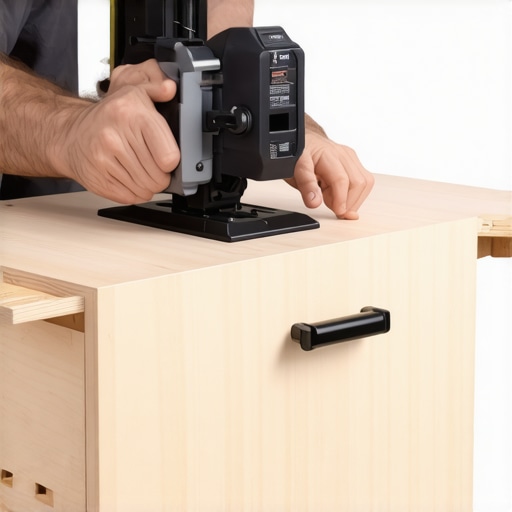
Smart sensors and the future of kitchen durability
Looking ahead to 2025, I expect to see even more integration of sensors within smart storage solutions for small kitchens in 2025. We’re already seeing low-profile moisture sensors that can alert your phone the second a leak starts under the sink. It’s the ultimate evolution of protecting your investment. Integrating these tools into your innovative storage solutions for modern kitchen remodels ensures that your ‘forever kitchen’ actually stays that way. Try this today: Grab a screwdriver and check the screws on your most-used drawer. A quarter-turn of tightening now can prevent a total hardware failure next year. If you’re overwhelmed by the technical details of creating seamless kitchen remasters with built-in storage solutions, don’t hesitate to contact us for an expert walkthrough.
Hard-Won Lessons from My Cabinetry Graveyard
If my years in the shop have taught me anything, it’s that the ‘deal’ you get today usually becomes the demolition project of tomorrow. I’ve seen hundreds of modern kitchen remodels fail prematurely because the homeowner focused on the paint color while ignoring the substrate. Here are the three truths that changed how I approach every build: First, veneer thickness is your insurance policy. If the maple layer is too thin, you can’t sand out a scratch without hitting the glue line. Second, weight is the ultimate litmus test. If a shelf feels light, it will sag—period. And finally, the best hardware in the world can’t save a box made of compressed paper. Investing in custom cabinets is about buying time, not just furniture.
The Toolbelt Staples I Won’t Build Without
I don’t just rely on intuition; I rely on tools and standards that have proven their worth over decades. If you are diving into built-ins and storage hacks for a sleek functional kitchen, you need more than a hammer. I always recommend the Cabinet Claw for face-frame alignment—it’s the only way to get those seamless joints. For long-term maintenance, I trust Dry PTFE Lubricants over standard oils to keep your tracks moving without attracting gunk. I also suggest every homeowner keep a copy of the KCMA Performance Standards handy; it’s the best way to vet a contractor’s claims. To ensure your aesthetic matches your structural quality, don’t forget the one tool you need for perfectly aligned cabinet knobs every time—a professional-grade drilling jig.
Building a Kitchen That Outlasts the Mortgage
Your home is likely your biggest investment, and the kitchen is its heart. When you choose high-performance materials like pre-finished maple, you aren’t just being ‘fancy’—you are being a responsible steward of your property. Whether you are creating seamless kitchen remasters with built-in storage solutions or simply replacing a single vanity, demand the quality that your daily life requires. It’s about the peace of mind that comes with knowing a spilled gallon of milk or a heavy cast-iron skillet won’t ruin your morning. You deserve storage solutions that work as hard as you do. If you’re ready to stop settling for ‘good enough’ and want a kitchen built for the long haul, contact us today to start your project the right way. Have you ever had a cabinet shelf fail or a drawer bottom drop out on you? Let me know your experiences in the comments below!