
Why Your Corner Cabinet Is a Black Hole and the Swing-Out Move to Fix It
I remember the exact moment I realized my corner cabinet was more of a mysterious abyss than a useful storage space. It was an ordinary Tuesday, reaching in to grab a baking sheet, when I heard the dreaded **clink**—a sound that signaled I’d just dropped a random spice jar onto an avalanche of barely-organized clutter. That little incident sparked a lightbulb moment: my corner cabinet wasn’t just inefficient—it was a *black hole* swallowing everything I needed and giving nothing back in return.
Galaxies of Clutter and Little Hope
Corner cabinets often become the dumping ground for everything from Tupperware lids to forgotten kitchen gadgets. Over time, they evolve into inaccessible storage zones filled with dust and despair. I used to avoid opening mine because I knew I’d have to dislodge a mountain of mismatched pans and stale spice bottles just to find a single measuring cup. It’s frustrating, isn’t it? That nagging feeling that your kitchen isn’t working for you but against you.
Thankfully, I discovered a simple yet game-changing technique—the **swing-out move**—that transformed my cluttered abyss into a well-organized oasis. The key is understanding that this isn’t just about storage; it’s about reclaiming your space and making your kitchen work *for* you.
Now, I want to show you how I did it and how you can, too. Ready to turn your corner cabinet from a chaos trap into a seamless storage solution? Let’s dive into the steps that made it possible.
Is the Swing-Out Solution Too Good to Be True?
I’ll admit, I was skeptical at first. I thought: “Will this really work?” Early in my remodel journey, I made the common mistake of assuming that “custom solutions” would be too complicated or expensive. But here’s the truth—small adjustments like the swing-out move can drastically improve your kitchen’s functionality without draining your wallet. According to experts, innovative storage solutions can save up to 30% of your kitchen space, helping your home feel more spacious and less chaotic.
If you’ve faced similar frustrations, or feel overwhelmed at the thought of redesigning your cabinets, don’t worry. I’ve been there, and I’ve learned that sometimes, a simple change can make all the difference. Ready to see how this works? Keep reading, because the solution is closer than you think—and it’s easier than it looks.
Assess Your Current Setup and Define Goals
Begin by removing everything from your corner cabinet to evaluate what you have and what you truly need. Take note of items you’ll use frequently versus seasonal or rarely-used items. This helps prevent clutter from recurring and clarifies your storage priorities. I once spent an afternoon emptying mine, sorting items into keep, donate, or discard piles, which made the upcoming organization much easier. Clear space allows for a better visualization of potential solutions.
Install a Swing-Out Storage Solution
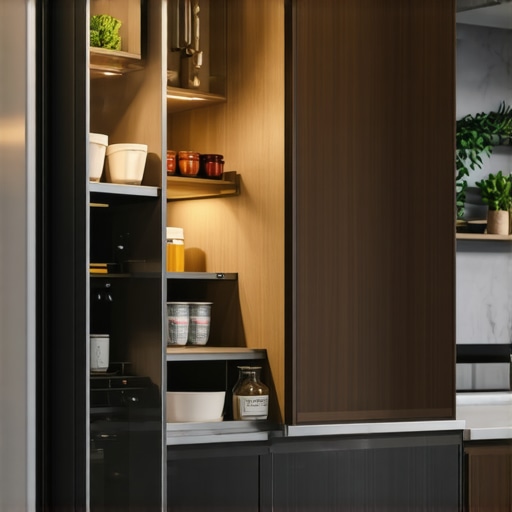
The simplest way to dramatically improve accessibility is adding a swing-out shelf or Lazy Susan. For my own kitchen, I first measured the interior dimensions of the cabinet, then ordered a pre-made swing-out kit matching those specs. I removed the existing shelf, glued in the new mechanism, and adjusted the rotation to ensure smooth movement. The immediate benefit was reaching for spices or baking sheets without crawling inside or risking items tumbling out. To ensure durability and support heavier items, consider reinforced hardware or custom-built options—more info can be found at this resource.
Use Vertical Dividers and Custom Inserts
Vertical dividers maximize space by creating compartments for lids, baking sheets, or cutting boards. When I organized mine, I used adjustable metal dividers, which I cut to fit specific item sizes. This instantly reduced rummaging time. For the best results, look into vertical dividers designed for deep drawers to tailor your storage.
Optimize Interior Space with Pull-Out Shelves and Baskets
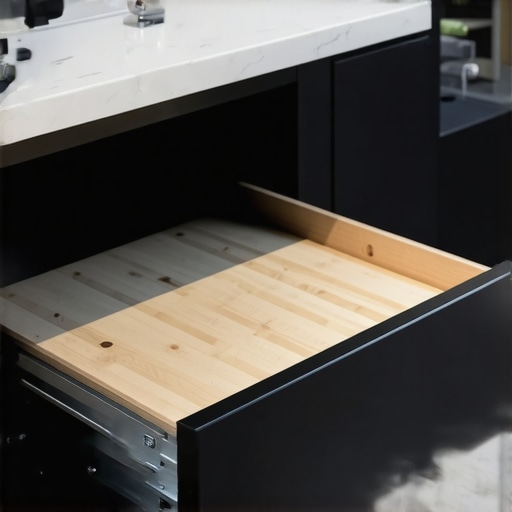
Pull-out shelves allow full access to deep areas, eliminating the need to reach or fish around. I installed a custom pull-out system with high-quality slides that supported heavy pots. During the installation, I secured the mounting brackets to the cabinet’s sides, ensuring tabletop stability and smooth glide. Regularly, I check for dust buildup and lubricate the slides, which prolongs lifespan and keeps the system functioning flawlessly. Details on heavy-duty hardware can be found at this guide.
Leverage Top-Shelf Space with Pull-Down Mechanisms
For items stored at the top, a pull-down mechanism makes reaching overhead effortless. I installed a spring-loaded pull-down in my cabinet, which I anchored securely to the ceiling structure to prevent wobbling. This upgrade made access to seldom-used items safer and easier, especially for shorter family members. Consider consulting a professional for installation at this contact page.
Utilize Hidden Storage Strategies
Concealing less attractive or less-used items behind hinged panels or inside doors declutters the main space. I added a magnetic spice rack inside a door panel, using strong neodymium magnets to hold small jars. It freed up shelf space and kept spices visible and easy to access. To learn more about innovative storage, explore this article.
Lock in Your Organization System
Once everything is arranged, label sections or use clear containers to maintain order. Regularly reassess the system as your needs evolve. My first setup lasted two years before I refined it further, and each tweak improved efficiency. For ongoing guidance, check this resource for ideas tailored to small or large kitchens alike.When it comes to designing or remodeling your kitchen with custom cabinets and built-ins, many homeowners fall prey to common misconceptions that can undermine their efforts. One widespread myth is that choosing high-end materials alone guarantees durability and long-term satisfaction. In reality, craftsmanship and installation quality often matter more than the raw material selection. For instance, expert insights reveal that even premium woods can warp or crack if not properly seasoned or installed, emphasizing the importance of working with skilled professionals. Additionally, a frequent mistake is underestimating the complexity of certain design choices, like integrating electronics or specialized storage features, without planning for future accessibility or maintenance. This oversight can lead to expensive fixes down the line, as highlighted in studies on cabinetry longevity and user satisfaction.
Is Your Focus Too Narrow on Looks Instead of Functionality?
Many assume that aesthetic appeal is the sole driver of successful kitchen storage, but neglecting how spaces function during daily use can be a costly error. Advanced users understand that nuanced considerations—such as the ease of reaching items stored at various heights or the integration of soft-close hardware—significantly enhance usability and reduce wear and tear. For example, attention to detail in hinge placement or the inclusion of pull-out shelves can prevent future misalignments and noises, as documented in ergonomic research on kitchen design efficiency. Don’t forget, the goal is to create not only beautiful but also practical spaces that adapt to your routines. To explore innovative hardware options, visit this resource.
Another nuanced aspect often overlooked relates to moisture and environmental effects. Homeowners frequently choose materials without considering their local humidity levels, resulting in warping, swelling, or deterioration over time. Recognizing the limitations of certain finishes and core materials, such as particle board in high-moisture areas, is crucial. Experts recommend opting for high-quality plywood or moisture-resistant veneers, and understanding the science behind material behavior can save significant money and frustration later. For more insights on durable cabinet choices, check out this in-depth article.
Lastly, advanced designers and DIY enthusiasts alike should be wary of the trap of over-customization. While unique features can set your kitchen apart, they might also complicate future updates or repairs. Modular, standardized components often allow greater flexibility and lower maintenance costs over time. The misconception that all custom solutions are inherently better can divert you from practical considerations such as component availability and upgrade paths. This balance between customization and standardization is critical, and leaning too far toward the former without planning for future needs can result in a costly, inflexible setup. To find the sweet spot in your design process, browse this collection of versatile ideas.
Keeping It Working: Essential Tools and Practices
Owning beautifully crafted custom cabinets and built-ins is rewarding, but maintaining them requires the right tools and consistent practices to ensure longevity and functionality. I personally rely on specific equipment and methods that I’ve found effective over years of kitchen remodeling and storage optimization. One indispensable tool is a high-quality cordless drill with a set of precision screwdriver bits, which I use for periodic hinge adjustments and tightening loose hardware—small tweaks that prevent premature wear. For cleaning, I swear by a microfiber cloth combined with a natural, non-abrasive cleaner like white vinegar diluted with water; this combo keeps surfaces spotless without dulling finishes.
Additionally, I incorporate a silicone-based lubricant—such as WD-40 Multi-Use Product—on sliding hardware like pull-outs and soft-close hinges. Regular application prevents squeaks and ensures smooth operation. For more detailed hardware maintenance tips, check out this resource. Beyond tools, establishing a schedule for inspections—perhaps quarterly—helps catch minor issues before they escalate, saving time and costs in the long run.
Looking ahead, I believe the trend is moving toward smarter maintenance solutions. Innovations like QR code-based maintenance logs and sensor-triggered alerts for hardware malfunctions are slowly making their way into high-end cabinetry. As technology advances, I predict integrated monitoring systems will become standard, alerting homeowners to issues before they affect usability.
How do I maintain my storage solutions to last for decades? I adopt a few core practices: regular hardware checks, gentle cleaning routines, and timely upgrades when hardware shows signs of wear. For instance, when soft-close hinges start making noise, I follow the steps outlined in this guide to troubleshoot and replace components before complete failure. Incorporating these practices ensures my cabinetry remains functional and beautiful.
Remember, the key is consistency. I recommend you try implementing a simple maintenance routine with your favorite tools—such as a quick hinge inspection every few months. Not only does this extend the life of your investment, but it also maintains the aesthetic and functional integrity of your space. As trends evolve, staying proactive with maintenance tools and methods will keep your custom cabinetry working beautifully long after installation.
Over the years, I’ve discovered that the most valuable insights into transforming a kitchen with custom cabinets and built-ins often come from unexpected lessons and personal experiences. These behind-the-scenes revelations can save you time, money, and frustration, elevating your project from merely aesthetic to truly functional.
The Hardwired Lessons That Changed My Approach
- Patience Pays Off: Rushing into design choices without deep planning led to costly mistakes. Taking time to assess your unique needs ensures your storage solutions serve your routines rather than complicate them.
- Quality Over Quantity: Investing in durable hardware and materials, even if it costs a bit more upfront, prevents frequent repairs and replacements, making your kitchen a reliable space for years to come.
- Never Underestimate Accessibility: A beautiful kitchen falls flat if it’s a chore to reach or organize. Thoughtful placement of pull-outs, vertical dividers, and innovative hardware makes daily tasks effortless and enjoyable.
Tools and Resources I Trust Deeply
- Built-ins that elevate your living space: A comprehensive guide that helped me understand the balance between form and function in cabinetry.
- Soft-close hinge fixes: Essential hardware that keeps noise at bay and enhances usability in high-traffic areas.
- Smart storage solutions for small kitchens: Innovative ideas to maximize limited space without sacrificing style.
- Custom cabinet ideas: Inspiring designs that push beyond conventional layouts, giving your kitchen a bespoke feel.
Your Next Move is Closer Than You Think
In the end, transforming your kitchen with custom cabinets and built-ins isn’t just about choosing the right materials or hardware; it’s about embracing a mindset of continuous improvement and thoughtful design. Each small decision builds towards a space that reflects your personality while enhancing everyday living.
Now, I encourage you to start implementing these lessons and explore the resources available to you. Don’t let fear of imperfection hold you back—every step forward brings you closer to your dream kitchen.
What’s one aspect of your kitchen transformation that you’ve been hesitant to tackle? Share your thoughts below—I’d love to hear your story and help you find solutions that work for you.