3 Ways to Organize Your Tupperware Without Losing Your Mind
There was a moment in my kitchen when I couldn’t find a matching lid to save my life. The Tupperware drawer was a chaotic maze of mismatched containers, stacked haphazardly, with lids hiding underneath or perched precariously on top. I’d spend more time rummaging than actually cooking. That lightbulb moment made me realize: if you don’t organize your Tupperware properly, it’s like inviting clutter and frustration into your home.
Transform the Chaos Into Calm with Simple Solutions
Today, I want to share with you the three methods that finally brought order to my Tupperware nightmare. These are tried-and-true strategies that I’ve tailored through trial and error, and they can work for any kitchen—big or small. With just a few tweaks, you’ll be surprised at how effortlessly your containers find their perfect match.
Question That Might Be On Your Mind
Is investing in custom storage solutions really worth the hype? I’ll admit, I was skeptical at first—thinking I’d just end up spending more money on something that might not work. Early on, I made the mistake of simply stacking lids and containers in a pile, which only made things worse. But trust me, the right system can make a world of difference, saving you time and mental energy every single day. I’ll guide you through effective, budget-friendly options that don’t require a major kitchen overhaul—and yes, there are ways to do it without breaking the bank.
Before we dive into the methods, it’s worth noting that proper organization can also boost your kitchen’s overall efficiency. According to industry experts, well-designed storage solutions can increase usable space by up to 30% and reduce clutter-related stress. So, it’s not just about tidiness—it’s about making your everyday routines smoother and more enjoyable.
Ready to reclaim your drawer and say goodbye to the Tupperware chaos? Let’s get started with the strategies that worked wonders in my kitchen, and I believe they’ll do the same for you.
Sort and Categorize Your Containers
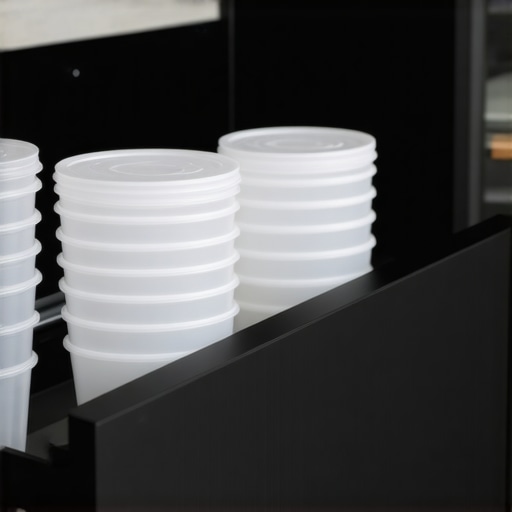
Start by emptying the entire drawer onto a clean surface. Pick up each piece and ask yourself: is this a lid or a container? Group them into categories: small lids, large lids, small containers, large containers. As I did last weekend, I assigned dedicated sections on my kitchen counter for each group, which made the next step straightforward.
Create Matching Sets
Identify pairs or sets that still fit, and set aside mismatched or damaged pieces for recycling. For instance, I found that my collection of spaghetti containers matched perfectly with a handful of lids, saving me from buying replacements. This process clarifies what you actually need, turning chaos into clarity.
Implement Storage Solutions That Work
Choose a method: adjustable dividers, stacking bins, or specially designed Tupperware organizers. I replaced my cluttered drawer with a drawer insert featuring adjustable compartments, which you can explore further in storage hacks for kitchens. When I installed it, I saw my lids and containers neatly separated, making every retrieval quick and easy.
Use Vertical Space Effectively
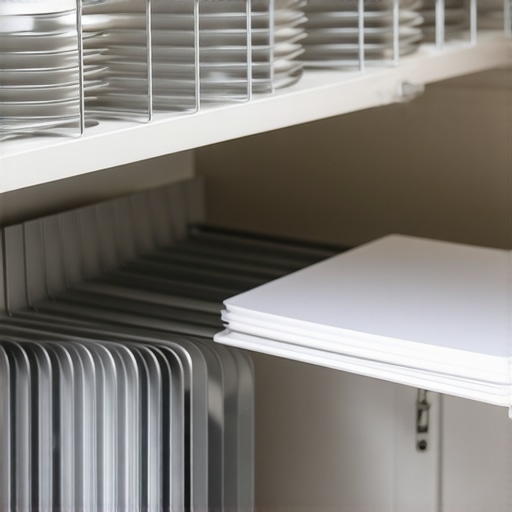
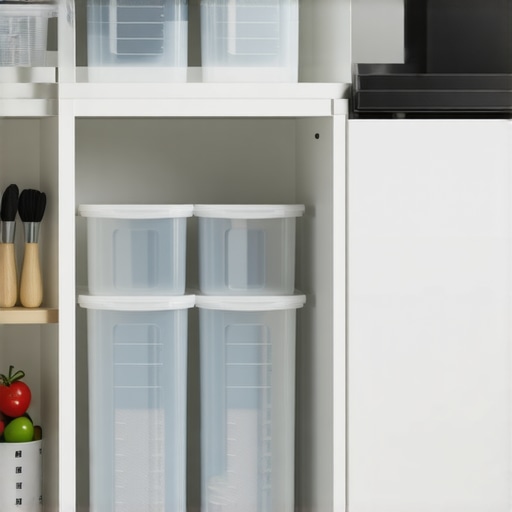
Vertical organization isn’t just for pantries. I stacked my lids vertically using a tiered rack I mounted in the drawer. The visual analogy here is like building a mini library inside your drawer—each piece having its designated shelf. It’s a simple, budget-friendly trick that maximizes space and minimizes clutter.
Label and Maintain the System
Once everything is in place, label sections or individual compartments. Spray-painted labels or masking tape work well. I dedicated 10 minutes once a month to reorder misplaced lids or containers, keeping the system functional long-term. Thinking of transforming your entire kitchen storage? Check out built-in storage solutions for a sleek upgrade.
Build a Custom Container Storage Rack
If your setup still feels insufficient, consider designing a custom rack. Imagine a slim, vertical pull-out with adjustable dividers, similar to a jewelry organizer, but for your lids. When I built mine, I used leftover wood and a few screws, turning a chaotic drawer into a model of efficiency that fits my space perfectly. Custom solutions can be tailored to your exact needs—more info at custom cabinets ideas.
Fine-Tune and Enjoy
Finally, evaluate your system after a week of use. Tweak the dividers or repurpose sections as needed. Consistent maintenance ensures it doesn’t revert to chaos. Remember, the key is simplicity—keep it manageable so it becomes a habit, not a chore. With these concrete steps, your Tupperware drawer will go from cluttered mess to organized haven, saving you time and frustration every day.
When it comes to built-ins and kitchen remodels, many assume that installing these features is a straightforward way to upgrade their space. However, a common misconception is that all built-in solutions are inherently superior or easier than traditional cabinetry. In my experience, there’s a nuanced landscape of errors and myths that can trip up even the most well-intentioned homeowners. Let’s dig deeper into what often goes unnoticed in this process.
The Hidden Pitfall of Oversimplification
One of the biggest myths is that built-in cabinetry is always more cost-effective. While they can provide a sleek, custom look, the reality is that building-in sometimes involves complex framing, specialty hardware, or structural modifications, which can drive up costs unexpectedly. Homeowners often overlook these hidden expenses, assuming that prefabricated solutions will suffice, leading to budget overruns.
Beware the Myths About Space Efficiency
Another misconception is that custom cabinets maximize every inch of available space. In truth, without careful planning, they can inadvertently create awkward dead zones or make the interior less accessible. For example, poorly optimized storage layouts can reduce usability. The key is in detailed design—working with experienced professionals ensures that every inch serves a purpose, rather than becoming wasted space.
What Advanced Tricks Can Elevate Your Built-In Strategy?
For advanced homeowners or designers, paying attention to details like deep drawer span, soft-close hardware, and full-extension slides can dramatically improve functionality. Skimping on quality hardware or ignoring accessibility considerations—such as lower cabinet heights for ease of reach—are common pitfalls. Experienced craftsmen know that integrating these nuanced features transforms a good build into a truly high-end solution.
Moreover, integrating custom cabinets with your overall interior style enhances not just practicality but the aesthetic, creating harmony throughout your space. Considering these advanced design principles prevents costly revisions or dissatisfaction later on.
Don’t Fall for the Generic Solutions
A recurring mistake is opting for off-the-shelf solutions that promise quick fixes, but lack the tailored fit or durability of custom-made alternatives. For instance, pre-made shelving or cheap veneer doors may appear economical initially, but can fail prematurely or look less polished over time. Investing in quality, bespoke furniture—like the custom cabinets designed specifically for your space—rides the fine line between cost and long-term value.
Remember, a well-thought-out built-in system doesn’t just look good; it functions perfectly for your lifestyle, saves space, and adds value to your home. Falling into the trap of assumptions can be costly, so consult with experts who appreciate the nuances behind great design.
Have you ever fallen into this trap? Let me know in the comments!
Maintaining your built-in cabinets, custom storage solutions, and kitchen remodel investments is essential to ensure their longevity and continued functionality. Over time, even the most well-crafted systems can encounter issues like wear, misalignment, or hardware fatigue. To address this, I rely on a set of precise tools and methods that keep my cabinetry performing at its best.
Tools That Make Regular Maintenance a Breeze
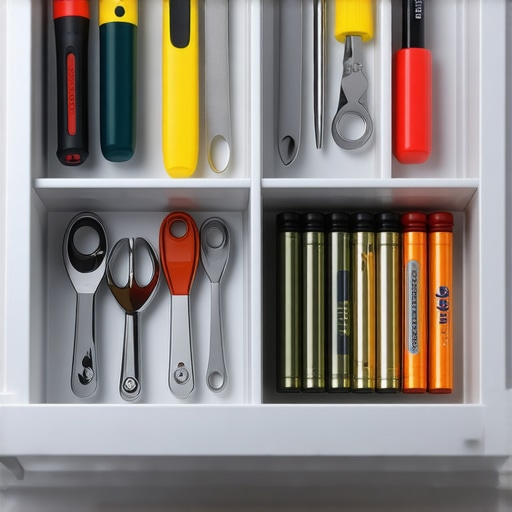
First, I swear by the use of a precision screwdriver set. Brands like Wiha offer screwdrivers with magnetic tips that make tightening or replacing hinges and hardware straightforward, especially in tight spaces. I also keep a set of Blum hinge adjustment tools—these allow me to fine-tune door alignments without stripping screws or causing other damage. Regular use of these tools helps me prevent issues like sagging doors or uneven gaps, which can often develop over years of use.
For checking the levelness and plumbness of built-ins, I prefer a high-quality digital level. I trust models that sync with my smartphone, like the Bosch GLM 120 C, which provides precise readings and makes sure everything stays perfectly aligned. If I notice any misalignment, quick adjustments with my hinge tools restore optimal operation and extend the life of the cabinetry.
Software That Supports Long-Term Results
Beyond physical tools, I utilize design software like SketchUp to plan periodic updates or minor modifications. This digital approach allows me to visualize changes before implementation, reducing errors and ensuring that ongoing maintenance aligns with my overall design goals. It’s particularly useful when I consider scaling parts of my storage or planning internal upgrades as my needs evolve.
How do I maintain built-ins over time?
Consistent checks and routine cleaning are vital. I recommend inspecting hardware for signs of wear once every six months. Use your screwdriver to tighten any loose screws, and apply a small amount of furniture wax to hinges to keep them lubricated. For aesthetic upkeep, gentle cleaning with a soft cloth and mild soap prevents dust buildup or finish deterioration, especially on painted or lacquered surfaces. Remember, proactive maintenance saves money and preserves your investment longer.
Looking ahead, I believe the integration of smart maintenance tools—like IoT-enabled sensors that notify you of hardware failure or misalignment—will revolutionize how we care for built-ins. These advancements could offer real-time diagnostics, making upkeep even more effortless.
If you want to take your maintenance to the next level, try calibrating your hinges using a dual-action adjustment tool. This quick step can significantly diminish sagging over time and is a small investment with big benefits.
Keep your cabinetry in prime condition, and your home will reward you with seamless functionality and timeless style. For more ideas on evolving your storage systems, check out custom cabinets that transform your space—it’s a game changer.
What I Wish I Knew When I Started Building In
- One of the hardest lessons I learned was that premium materials and advanced hardware might seem costly upfront but save money long-term by reducing repairs and replacements. Opting for quality over cheap fixes is a game-changer.
- Small details, like properly aligning doors and setting hinge adjustments proactively, can prevent years of frustration. I discovered that regular check-ins and maintenance save more time than endless troubleshooting later.
- I initially underestimated the power of professional planning, but collaborating with experienced designers transformed my vision into functional perfection over DIY attempts. Expertise truly makes a difference.
Tools and Resources That Changed My Approach
- Wiha screwdriver set: Reliable and magnetic, it makes tightening hardware seamless, especially in tight spaces—trust me, it’s worth every penny.
- Blum hinge adjustment tools: Mastering hinge calibration with these tools ensures perfect alignment and smooth operation, extending your cabinetry’s lifespan.
- Design software like SketchUp: Visualizing your storage plans reduces errors and clarifies your ideas before hitting the carpentry stage.
- Expert articles and blogs: Staying informed through trusted sources keeps you at the forefront of innovative storage ideas and helps avoid common pitfalls.
Your Journey Starts Now
Building integrated storage solutions isn’t just about organizing space—it’s about transforming how you experience your home. With the right mindset, tools, and expert insights, you’re empowered to create cabinetry that’s both beautiful and functional. Embrace this journey, and soon your kitchen or living space will reflect your personal style and smart planning. Remember, every step you take today shapes a more organized, inviting future.
What’s the one built-in project you’re eager to start or improve? Share your plans below, and let’s inspire each other to make homes smarter and more beautiful!