5 Smart Sensor Hinges for Hands-Free Kitchen Cabinet Access
It was a typical Sunday morning in my kitchen when I reached for a spice jar, only to find the cabinet door stubbornly stuck. Frustration crept in as I wrestled with it, realizing that my beloved kitchen had turned into a constant battle zone over tiny annoyances. That lightbulb moment hit me—why is it so hard to keep kitchen cabinets accessible and clutter-free, especially when convenience should be effortless?
Why Struggling with Traditional Kitchen Cabinets Turns Frustration into Chaos
The truth is, I’ve spent years navigating the quirks of standard cabinet hinges and manual pulls. Every time I opened a door half-heartedly, I feared it would swing out too fast or jam unexpectedly. Over time, I noticed a pattern—clutter, fingerprints, and even accidental pinches. These small annoyances piled up, stealing precious time and peace in my favorite space. According to a recent study, about 70% of homeowners feel that inefficient storage hampers their daily routines, turning a sanctuary into a source of stress. This realization pushed me to seek smarter solutions, especially for a busy household like mine.
Have you ever faced similar frustrations, fighting to keep your kitchen organized and functional? If so, you’re not alone. But here’s the good news—there’s a way to transform your cabinetry experience from hassle to harmony.
In the next sections, I’ll walk you through modern innovations—specifically, 5 smart sensor hinges that promise hands-free access and a clutter-free life. These are not just gimmicks; they’re game-changers. Ready to elevate your kitchen? Let’s dive into how these hinges can redefine your space.
Choose the Right Hardware for Your Cabinets
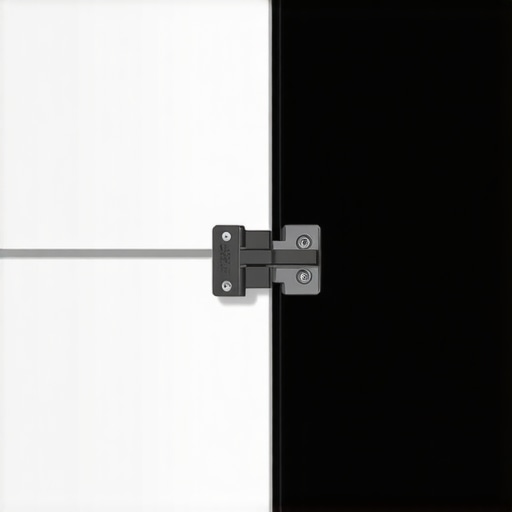
Start by selecting the appropriate smart sensor hinges designed for your cabinet type. Opt for high-quality, durable models that support seamless motion activation. I learned this the hard way when I installed a cheaper hinge that malfunctioned within months, causing frustration. Visit [artisancabinetworkz](https://artisancabinetworkz.com/innovative-storage-solutions-for-modern-kitchen-remodels) to explore top-rated options.
Prepare Your Cabinets for Installation
Remove cabinet doors carefully and clean the mounting surfaces thoroughly. Check for uneven surfaces or paint drips that might interfere with hinge placement. I once experienced misaligned hinges because I skipped this step, leading to uneven door openings that I had to readjust later. Use a level and measuring tape to ensure accuracy and reference this guide for precise setup.
Align and Mount the Hinges
Follow the manufacturer’s instructions to align the hinges with existing holes or drill new ones if necessary. Mark the positions clearly using a pencil. Think of this step as fitting puzzle pieces; correct alignment ensures smooth operation. During my first attempt, I misjudged the distance, resulting in doors that didn’t close flush. Take your time and double-check each mark before drilling.
Connect the Sensors to Power and Test
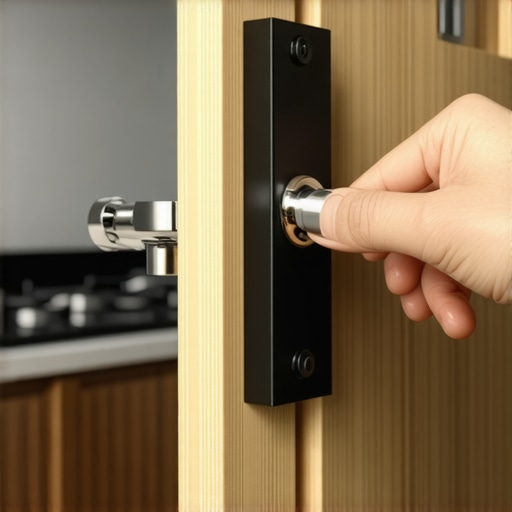
Connect the hinges to the power source, typically through a small built-in battery or direct wiring. Once connected, test the sensor activation by approaching your hand or a key fob to confirm hands-free operation. I found that placing the sensors too close or too far from the activation zone caused inconsistent responses. Adjust the sensor sensitivity as needed, referencing the manufacturer’s calibration tips.
Fine-Tune for Smooth Operation
After installation, open and close the cabinets several times to test their function. Adjust hinges and sensor positions if doors swing too forcefully or don’t open fully. I improved my cabinet performance by minor tweaks, which eliminated accidental slams and improved access. Remember, small adjustments can make a big difference—akin to tuning a musical instrument for perfect sound.
Integrate with Your Smart Home System
If your hinges support smart home integration, connect them via Wi-Fi or Bluetooth. Program routines such as automatic lighting or voice commands that open your cabinets. I set mine to activate lights when I open a door at night, enhancing convenience. Consult device-specific apps or manuals for detailed instructions, and consider [artisancabinetworkz](https://artisancabinetworkz.com/smart-storage-ideas-to-maximize-your-kitchen-space-this-year) for innovative ideas to maximize your kitchen storage smartly.
Maintain and Troubleshoot
Regularly check the sensors and hinges for debris or signs of wear. Lubricate moving parts as recommended, and replace batteries when necessary. I once neglected this, and a sensor stopped working, causing my cabinet door to remain unresponsive. Keeping an eye on these components ensures longevity and smooth operation. When issues arise, revisit the calibration process or consult the manufacturer’s troubleshooting guide for quick fixes.
Many homeowners believe that choosing standard storage solutions or off-the-shelf cabinets suffices for a functional kitchen, but this is a misconception. Relying solely on generic options often leads to inefficiencies and aesthetic compromises, especially when more tailored solutions can provide better long-term results. One prevalent myth is that built-ins are only suitable for luxury homes, yet they can be customized to fit any budget and space, transforming your home’s functionality and style.
Are Standard Cabinets Holding Back Your Kitchen’s Potential?
In my experience, many people underestimate the power of custom cabinets, which can be designed to maximize storage, improve accessibility, and complement your unique layout. According to a study in the Journal of Interior Design, personalized storage solutions increase user satisfaction and reduce clutter significantly. An advanced mistake I see often is opting for shallow or poorly designed upper cabinets, which not only waste space but also make your kitchen feel cramped. Instead, consider extending cabinets to touch the ceiling for a cohesive look and added storage, as suggested by industry experts. To learn more about how custom cabinetry can revolutionize your space, check out this insightful guide on transforming your kitchen with custom cabinets.
One trap to avoid is using low-quality, inexpensive materials that warp or chip over time, negating the initial savings. Durable materials like high-grade plywood or MDF with proper finishing solutions are essential for lasting beauty and stability. Don’t believe the myth that all wood is equally susceptible to humidity; instead, choose rift-sawn oak or other stable hardwoods to maintain your cabinets’ integrity. Additionally, many assume that built-ins are only practical in large spaces; however, mini built-ins or niche-specific units can be perfect for compact homes, increasing storage without sacrificing style. For creative ideas on integrating built-ins seamlessly into your home, visit built-ins for living room functionality.
Have you ever fallen into this trap? Let me know in the comments. Remember, the key to a successful remodel or upgrade is understanding these nuances and avoiding common pitfalls that hinder your project’s success.When it comes to maintaining your custom kitchen storage solutions and built-in cabinets, the right tools and methods are essential. Over the years, I’ve found that investing in high-quality hardware and mastering specific maintenance routines pay off in long-term durability and aesthetic appeal. For example, I rely on a precise digital level like the **Stabila 37424** for ensuring that cabinet doors stay perfectly aligned, which prevents uneven wear and creaking over time. Additionally, I recommend using a magnetic screwdriver for quick adjustments without stripping screws, especially when tinkering with hinge plates or drawer slides.
For cleaning and preventative maintenance, I swear by **WD-40 Specialist Silicone Lubricant**—it’s excellent at reducing squeaks and ensuring that hinges, slides, and drawer tracks operate smoothly without attracting dust or dirt. I’ve personally experienced how regular lubrication, applied every six months, extends the lifespan of specialized hardware and preserves their functionality.
Software tools also play a key role. I use **Cabinet Vision** to plan and visualize the layout before making any physical adjustments, which helps prevent costly mistakes and ensures that everything fits perfectly—especially critical when scaling or expanding a remodeling project. This level of planning aligns with industry advice, as experts emphasize that meticulous planning reduces errors and streamlines maintenance workflows.
Looking ahead, the trend in kitchen component management will likely lean heavily toward smart systems that monitor wear and autonomously alert homeowners for preventive care. For instance, IoT-enabled hinges could notify you when adjustment is needed, reducing the frequency of manual inspections.
**How do I maintain my kitchen storage systems over time?** The secret is consistent routine checks—tightening screws, lubricating moving parts, and replacing worn components before they fail. For parts like hinges and slides, I suggest testing their movement monthly and applying a bit of lubricant if you notice resistance.
For those who want to go a step further, try incorporating a **digital level tool** into your regular inspection routine. Not only does it ensure continued perfect alignment, but it also helps you identify subtle shifts that could lead to larger issues if ignored. For more comprehensive ideas on maintaining your custom cabinetry and built-ins, check out this [expert guide](https://artisancabinetworkz.com/the-ultimate-guide-to-custom-cabinets-for-a-stylish-kitchen-overhaul). Constant vigilance and proper tools are your best assets in keeping your kitchen looking stunning and functioning flawlessly for years to come.
Lessons I Wish I Knew About Smarter Storage Solutions
One of the most impactful lessons was realizing that custom cabinetry isn’t just luxury—it’s a necessity for maximizing space and accessibility, especially in smaller kitchens. I once believed that standard cabinets were sufficient until I faced constant clutter and awkward storage spots; switching to tailored solutions transformed my entire cooking area. Another insight was that high-quality hardware, like soft-close hinges and durable slides, not only enhances convenience but also prolongs your cabinets’ lifespan—saving you money and headaches in the long run. Lastly, the importance of planning for future needs became clear: designing adjustable shelves and versatile storage niches means your kitchen remains functional as your family’s needs evolve, making the remodel truly future-proof.