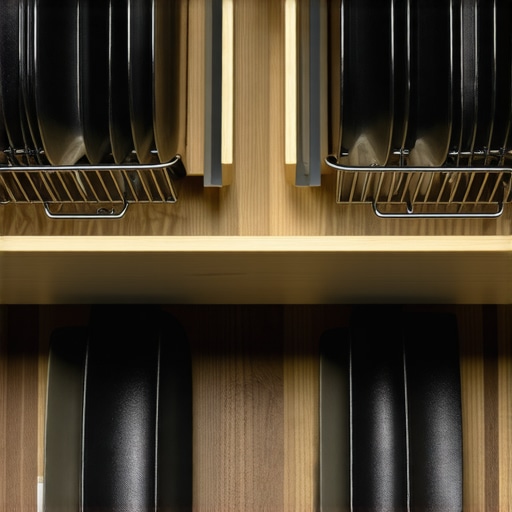
7 Heavy-Duty Drawer Dividers That Actually Hold Your Cast Iron Skillets
There was a moment during my latest kitchen remodel that I won’t forget. I reached into a deep, cluttered drawer expecting to find my favorite cast iron skillet—and instead, I was met with a cascade of mismatched lids, rusty tools, and a frustrating lack of organization. That lightbulb moment made me realize something essential: traditional storage solutions just don’t cut it when it comes to heavy-duty cookware. If you’ve ever wrestled with deep drawers that swallow your cast iron collection or struggled to keep bulky pans accessible, you’re not alone. It can feel like an endless battle against chaos every time you open your kitchen drawer.
Why Your Kitchen Deserves Better Drawer Storage
Contemporary kitchens are all about maximizing space and efficiency, especially in the realm of built-in storage and custom cabinets. But even with the trend towards seamless design, the practicality of storing heavy, awkward items like cast iron pans often gets overlooked. The wrong drawer dividers can turn what should be a convenient space into a frustrating maze of metal and clutter. Trust me; I’ve been there. Early on, I made the mistake of using standard plastic dividers, which warped and failed under the weight of my heaviest pans. That experience pushed me to seek out heavy-duty solutions specifically designed to handle the weight and irregular shapes of cast iron cookware. The right drawer dividers make all the difference—these are the tools that prevent your pans from slipping, banging, and creating chaos each time you open the drawer. In this post, I’ll share my journey and recommendations for the best heavy-duty drawer dividers that truly hold your cast iron collection securely and make your kitchen safer and more functional.
Is Heavy-Duty Drawer Dividers Actually Worth the Hype?
It’s a fair question. When I first started searching for solutions, I wondered if investing in robust dividers was overkill. I had bought into the allure of flashy gadgets and affordable options, only to be disappointed when they failed to support my heaviest pans. Early on, I made the mistake of trusting lightweight plastic dividers that looked good but quickly bowed under pressure. As I learned more about materials like reinforced steel, high-density rubber, and specialty composites, I realized that quality really does matter. Now, I swear by heavy-duty dividers, especially those engineered for kitchen tools with substantial weight. If you’ve ever worried about a divider snapping or sliding out of place, you’ll understand why these secure storage options are so game-changing. And based on my experience, the right divider can extend your cabinetry’s lifespan while making every cooking session smoother. Curious to see what options are out there? Let’s dive into what makes a heavy-duty drawer divider truly hold your cast iron.
Assess Your Existing Drawer Space
Start by measuring your current drawers’ width, depth, and height. Remove all contents to get accurate dimensions and identify potential obstructions like pipes or wiring. This step was crucial when I decided to upgrade my kitchen; I discovered that my deep drawer was wider than I thought, which allowed me to select custom dividers that fit perfectly, enhancing stability and ease of access. Using a tape measure and a notepad, note down all measurements carefully.
Select the Right Heavy-Duty Dividers
Choose dividers made from reinforced steel or high-density composite materials designed to support weight without warping. I once bought inexpensive plastic dividers that buckled after a few weeks, causing pans to slide and fall. Invest in heavy-duty options with adjustable or modular features for flexibility. For my remodel, I opted for metal dividers with rubberized grips that kept pans in place during transport; this dramatically reduced noise and prevented accidental damage.
Consider Adjustable and Custom-Fitted Solutions
Adjustable dividers allow you to customize compartment sizes for various cookware, including lids and handles. When I installed mine, I used a modular system that could be rearranged as my collection grew. This adaptability saved me from future costly replacements and kept everything organized. For truly tailored storage, consider commissioning custom dividers from a specialist, which can be designed to fit your unique drawer dimensions. For inspiration and ideas, check out options at custom cabinet ideas.
Install Dividers with Precision
Securely position your dividers, ensuring they are flush against the drawer sides and bottoms. Use a level if necessary to avoid tilting, which can cause pans to tip or slide. In my case, I utilized self-drilling screws and a power drill to attach the dividers firmly, preventing any movement during opening and closing cycles. Double-check measurements along the way to prevent misalignment that could restrict drawer movement or damage the structure. Proper installation not only keeps cookware safe but also prolongs the life of your cabinetry.
Organize Your Cookware Methodically
Arrange heavy pans at the back for easy lifting and lighter items at the front. Use vertical storage for lids, leveraging vertical dividers or racks to maximize space and prevent stacking. I found that grouping similar items by size and frequency of use made cooking mornings less hectic—saving precious time. Assign specific compartments for different types of cookware, whether cast iron, enamel, or non-stick, to streamline your workflow. For more innovative storage solutions, visit storage ideas for kitchens.
Maintain and Adjust Over Time
Regularly inspect your dividers and reconfigure as your collection changes. Tighten any loose screws and replace worn components promptly. I periodically rearranged my dividers after acquiring new pans, which kept everything accessible and prevented clutter buildup. Establishing a routine check ensures your storage system remains effective and your cookware well-protected, prolonging their usability. For additional tips on customizing your kitchen, refer to storage solutions advice.
,Many homeowners believe that opting for standard solutions is the quickest way to an efficient kitchen remodel, but in my experience, this can be a costly mistake. A widespread myth is that all custom cabinets and storage solutions are overpriced and unnecessary. However, quality craftsmanship tailored to your space often results in better functionality and long-term savings, as explained by industry experts at Artisan Cabinetry. Another misconception revolves around built-in features being rigid or limiting. While it’s true that poorly designed built-ins can feel restrictive, well-planned integrations enhance accessibility and aesthetic appeal. Overlooking these nuances leads many to settle for less than optimal layouts, especially in tight spaces.
Are All Custom Cabinets Truly Worth the Investment For Your Space?
Many think that custom cabinetry is only justified in luxury kitchens, but the fact is, custom solutions can be tailored for any budget and space. They optimize available room, accommodate unique layouts, and prevent the common pitfalls of off-the-shelf options, which often require costly modifications later. In fact, according to research published in the Journal of Interior Design, customized cabinetry significantly increases both functionality and perceived value, providing a smarter investment than most homeowners realize. Beware of the trap where homeowners buy premade solutions, only to find that they don’t fit or can’t support specialized storage needs. This oversight results in cluttered surfaces and inefficient workflows, which are hard to rectify post-installation. Additionally, many fall prey to the myth that built-ins are purely decorative. The truth is, integrated storage can be designed to maximize every inch of your kitchen, hiding appliances and decluttering countertops—making your space cleaner and more organized. To avoid these pitfalls, always work with a designer who understands spatial nuances and can help you leverage custom solutions effectively. For further insights, check out innovative storage ideas that explore how tailored solutions transform even modest spaces. Remember, the nuances often lie in details—think about your current frustrations and how thoughtful design can eradicate them. Have you ever fallen into this trap? Let me know in the comments.
Investing in quality tools and establishing effective maintenance routines are crucial to ensuring the longevity and functionality of your kitchen remodel. Personally, I rely on a handful of specialized equipment and software to keep my custom cabinetry and storage solutions in top shape. For instance, I swear by my Bosch cordless drill and the Dewalt impact driver—they’re lightweight yet powerful, making routine adjustments or repairs straightforward without the hassle of cords or bulky batteries. When it comes to precision, I never compromise on my Festool track saw, which delivers clean, accurate cuts essential for maintaining the perfect fit of built-in cabinets over time.
On the software side, I use SketchUp for designing modifications or upgrades to my cabinetry. It’s intuitive and allows me to visualize potential changes before committing to physical adjustments, saving me both time and money. As trends evolve and new materials become available—like high-density composites designed for long-term durability—it’s vital to stay updated through industry resources such as Artisan Cabinetry. Regularly reviewing product updates and maintenance tips ensures your investment retains its value and aesthetic appeal for years to come.
How do I maintain my storage solutions effectively over time?
Routine inspections are your best friend. I schedule biannual checks to tighten screws, replace worn rubber grips, and verify that sliding mechanisms on heavy-duty drawers function smoothly. Applying appropriate lubricants—like silicone spray on drawer tracks—can prevent sticking and squeaking, which are common signs of wear. For built-in shelves and cabinetry, using a soft cloth to clean dust and residue prevents buildup that can compromise mechanisms or finishes. Additionally, understanding how materials age—like how certain wood finishes might degrade under high humidity—allows me to take preventive measures, such as installing dehumidifiers or using specific sealants compatible with my cabinetry’s finish.
In the future, I predict trends will lean towards smarter maintenance with integrated sensors that monitor humidity, temperature, and mechanical wear. Imagine cabinets that notify you when hinges need adjusting or slides require lubrication—technology that could revolutionize how we care for our kitchens. To stay ahead, it’s worth exploring solutions like smart storage innovations.
So, don’t wait until a minor issue turns into a costly repair. Try upgrading your drawer slides to a top-tier soft-close model like the ones discussed in this guide—a small step that pays off in long-term performance. Incorporate these precise tools and maintenance habits today to keep your kitchen functioning seamlessly for years to come.

What I Wish I Knew Before Choosing My Storage Solutions
The most valuable lesson I learned during my kitchen remodel is that investing in high-quality, heavy-duty drawer dividers transformed my space. I once believed that inexpensive plastic options could handle my cast iron collection, but they failed quickly, leading to more clutter. From this, I realized that smart, durable choices upfront prevent frustration and costly replacements later, a principle I now apply to all kitchen upgrades.
Why Tailored Storage Can Save Your Sanity
Quick fixes and off-the-shelf solutions might seem tempting, but customizing your storage—especially for heavy or oddly shaped cookware—ensures everything stays put. Working with professionals to design compartments specific to my pans and lids meant I avoided the chaos of sliding cookware, making my daily routines smoother. This personalized approach is a game-changer I recommend to anyone looking for practical harmony in their kitchen.
How Well-Thought-Out Installation Pays Off
Properly securing your dividers with the right tools and measurements prevents mishaps. I learned this the hard way by rushing installation, which resulted in shifting dividers and scratched cookware. Taking the time to level, secure, and double-check placements protected my investment and kept my kitchen safe. Remember, precision during setup is key to long-term satisfaction with your storage system.
Continuous Tuning Keeps Your Kitchen at Its Best
Over time, cookware collections grow or change, so periodically revisiting your storage layout keeps things tidy and accessible. I set reminders to inspect and adjust my dividers, which maintained order and extended their lifespan. This ongoing care ensures your kitchen remains an efficient haven rather than a cluttered chaos zone.
Sharing My Next Step to Elevate Kitchen Organization
If you’re inspired to upgrade your storage, consider exploring innovative solutions tailored for heavy cookware. Advanced materials and adjustable modules are now more accessible than ever, and they can truly revolutionize your space. For expert advice and inspiration, visit this page on modern storage ideas. Remember, your kitchen’s potential is limited only by your imagination and willingness to invest in quality solutions.
Ride the Wave of Kitchen Innovation
Change starts with a single step, and the right heavy-duty drawer dividers are a smart move toward a more organized, enjoyable cooking environment. If you’ve ever faced the frustration of slipping pans or cluttered drawers, it’s time to rethink your storage game. Dive into the possibilities and make your kitchen truly work for you—long-term satisfaction is within reach.
Have you experienced the chaos of poorly organized kitchen drawers? Share your story below and let’s swap tips for creating a space that feels like a culinary sanctuary.