The Breakfast Station Layout That Saves Ten Minutes Every Morning
With a quick glance at my cluttered countertops and rummaging through a mountain of pots and pans every morning, I realized my kitchen layout was costing me precious time—and patience. It hit me hard: a messy, inefficient setup was turning my busy mornings into rushed chaos. That lightbulb moment led me to experiment with simple but impactful layout modifications that could save me ten minutes each day—and it worked. Today, I want to share that discovery with you, so you can reclaim your mornings and start each day on a better note.
Simplify Your Kitchen Flow for Faster Mornings
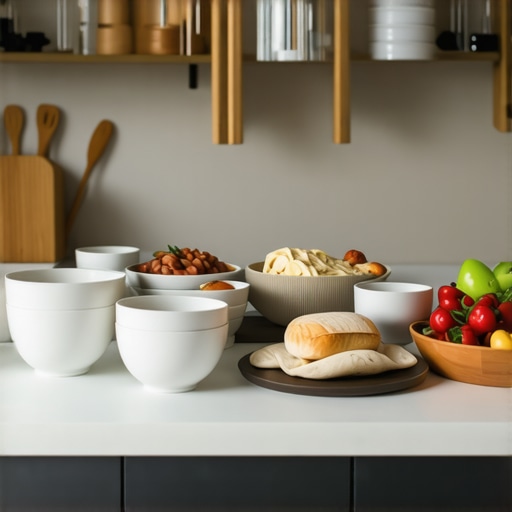
Imagine this: a kitchen that practically works itself. No more frantic searches for your favorite mug or last-minute trips across the kitchen to fetch ingredients. Instead, a well-thought-out layout streamlining your routine—sounds like a dream, right? The secret is positioning your Breakfast Station efficiently. By integrating custom storage solutions and built-in features, you can cut down your prep and cleanup time significantly. My personal experience proves that even modest adjustments—like relocating your coffee maker or installing pull-out shelves—can make a difference. Curious about how to approach this transformation? Check out this guide on creating seamless kitchen remasters with built-in storage for smart ideas.
Avoid the Common Mistake That Sabotages Your Kitchen Efficiency
Early on, I made the mistake of assuming that tossing in more storage would automatically streamline my mornings. Spoiler: it didn’t. Instead, clutter piled up, and I wasted time searching for essentials. The key is not just adding storage but arranging it thoughtfully—placing everyday items within arm’s reach of where they’re used most. Trust me, my rookie error taught me the importance of strategic placement. For more insights on optimizing your space, you might want to peek at expert tips on selecting storage solutions. Up next? We’ll explore some practical steps to redesign your kitchen for quick, hassle-free mornings.
Start with Precise Measurements for Custom Cabinets
My first step was to measure my kitchen’s dimensions meticulously. I used a laser distance meter to get exact wall-to-wall, floor-to-ceiling, and cabinet space measurements. This prevented costly mistakes later. When I ordered my custom cabinets, I provided these precise specs to ensure a perfect fit. Take your time here; accuracy is crucial. Remember, sloppy measurements will lead to gaps and misaligned doors, defeating the purpose of a seamless upgrade.
Design Your Storage with Functionality in Mind
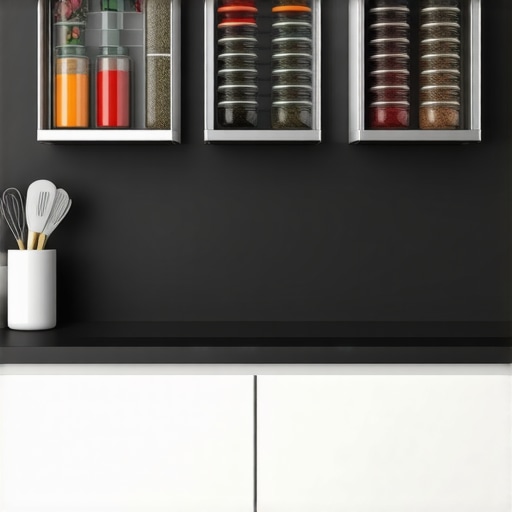
I drew sketches to plan the layout, focusing on workflow. Think of your cabinets as the arteries of your kitchen—each must serve a purpose. I identified frequently used items and designated specific spots—like a dedicated spice drawer close to the stove and a built-in wine rack away from busy traffic. Use online design tools or consult with a professional to optimize space. For inspiration on clever storage ideas, you can explore smart storage for small kitchens. Proper planning prevents clutter from creeping back in and keeps everything accessible.
Choose Material and Construction Methods Wisely
Choosing the right materials is like selecting the armor for your storage soldiers. I opted for HDF painted doors instead of solid wood, valuing durability and cost-efficiency. For shelves, I selected adjustable aluminum tracks, allowing flexibility as needs change. I also confirmed my cabinet-maker would use quality joinery techniques, such as dowels and dado joints, instead of cheap pocket screws. These choices ensure longevity and a sleek look. For a deep dive into cabinet construction, see custom cabinet construction options.
Incorporate Built-Ins into Your Design
Built-ins are game-changers—they turn standard spaces into tailored storage zones. I integrated a built-in spice rack inside a shallow drawer, making spices easy to access. To do this, I measured the depth of my cabinets and selected adjustable dividers. Installing them took some wire-bracket drilling, but the result was worth it. Imagine a custom-built coffee station with a pull-out shelf for mugs and a concealed drawer for accessories—seamless and clutter-free. For design ideas, visit creating seamless kitchen remasters.
Optimize Your Space with Innovative Storage Hacks
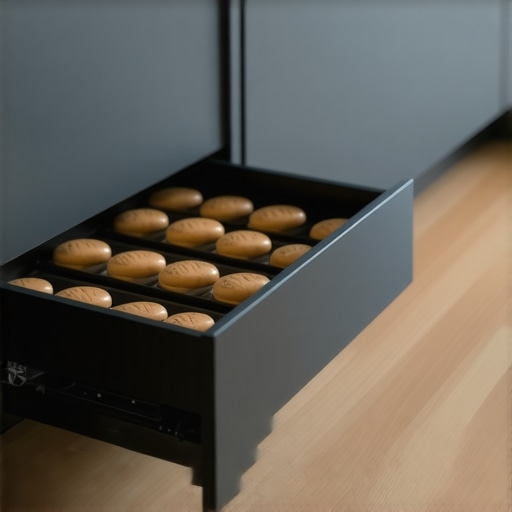
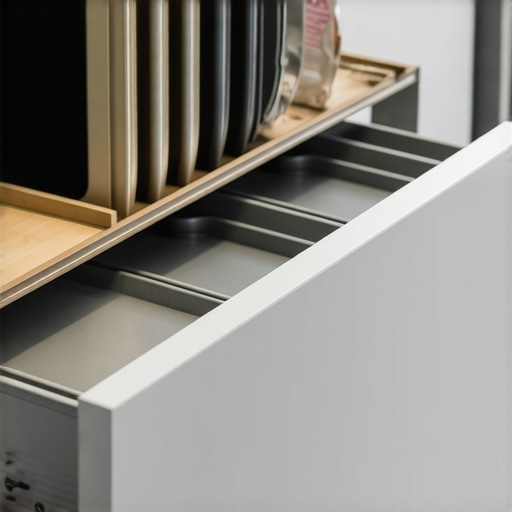
I looked for clever solutions to maximize every inch. A pull-out trash bin replaced the bulky pedestals, freeing up cabinet space. I also added toe-kick drawers to store baking sheets and cutting boards—these are often wasted areas. Think of these hacks as secret passages in your storage fortress, providing easy access without sacrificing aesthetics. For proven ideas, check built-in hacks for kitchen storage. Remember, the goal is to keep your counters clear and your workflow smooth.
Ensure Durable and Reliable Installation
Once everything was designed and built, my focus shifted to installation. I hired professionals experienced in hanging heavy upper cabinets—they used steel cleats for support, ensuring safety and stability. I also verified they used enough screws to prevent sagging over time. During installation, I watched closely, measuring door gaps and checking for levelness. It was messy—dust, tools everywhere—but precision here promised a lasting result. Proper installation turns a good design into a perfect one, so don’t cut corners on this step.
Many homeowners believe that opting for custom cabinets or building-in storage solutions automatically guarantees a flawless kitchen. However, **the real challenge lies in understanding the nuanced pitfalls** that often go unnoticed. One common misconception is that more cabinetry or elaborate built-ins translate to better organization—that’s not always true. In fact, without careful planning, extra storage can create clutter or impede workflow, turning your space into a maze rather than an efficient zone. An advanced mistake many overlook is neglecting **material compatibility and environmental factors**, which can lead to warping, delamination, or aesthetic inconsistencies over time. For instance, choosing low-quality MDF for painted doors might seem cost-effective initially but can result in paint chipping or swelling in high humidity areas—particularly in kitchens prone to moisture. According to industry expert artisans’ insights, understanding the environmental resilience of materials is key to longevity.
What advanced mistakes should I watch out for when planning custom cabinetry for high-humidity kitchens?
Let’s also dive into a common but less obvious trap: **underestimating the importance of precision in installation**. Even the most well-designed cabinets can fall flat if not installed correctly. A slight misalignment can cause doors to scrape or drawers to stick, which undermines the whole renovation. Paying attention to detail during installation—like ensuring door gaps are uniform and hardware is perfectly aligned—can save frustration later. Professional, experienced installers are worth the investment to prevent these subtle issues. For more guidance on quality installation, explore our mounting tips.
A particularly sneaky pitfall is related to **over-customization without future-proofing**. Tailoring every inch to current needs may seem ideal, but it can lead to rigidity, making future updates or lifestyle changes a hassle. Incorporating adaptable storage options, like adjustable shelves or modular components, can provide flexibility as your family’s needs evolve. I found that listening to these nuances and planning for change can extend the life and usability of your investment significantly. If you’re curious about creative, flexible storage ideas, check out innovative storage solutions.
Remember, the devil is in the details when it comes to custom kitchens. Avoiding these common traps requires a blend of expert insight and careful planning. Are you confident you’re steering clear of these pitfalls? Share your experience or questions in the comments—I love helping you navigate your renovation journey.Maintaining your custom kitchen elements is crucial to ensure longevity and sustained functionality. Personally, I rely on a combination of specialized tools and disciplined routines to keep everything working smoothly over the years. A high-quality ultrasonic cleaner, for example, has become a staple in my maintenance arsenal—it’s perfect for cleaning delicate hardware like hinges and drawer slides without risking damage, ensuring they operate quietly and reliably. Regular application of silicone-based lubricants to moving parts prevents squeaks and wear, especially in hinges and slides that endure frequent use. For comprehensive care, I also schedule seasonal check-ups, adjusting cabinet door alignments and inspecting joints to catch issues early. This proactive approach drastically reduces the chances of costly repairs down the line and keeps my kitchen functioning seamlessly. I Predict that as smart home technology advances, integrating IoT-enabled maintenance sensors into cabinetry could become a game-changer, alerting homeowners to potential problems before they arise.
How do I maintain built-ins and custom storage over time?
One effective method involves using a digital moisture meter to monitor environmental conditions that could affect wood stability, especially in humid climates. Maintaining proper humidity levels with a dehumidifier or humidifier can prevent warping or swelling of wood components. Additionally, applying a protective finish—such as a high-quality polyurethane or a penetrating sealant—can guard against spills, stains, and moisture ingress. Personally, I recommend inspecting your cabinetry biannually and promptly addressing any signs of deterioration. Remember, the key is consistency. For more detailed guidance, visit this article on built-in storage maintenance. To get ahead, consider investing in specialized tools like a compact orbital sander for refinishings, which can refresh surfaces without professional help. Regular upkeep not only extends the life of your custom investments but also preserves their beauty and functionality, making your kitchen a pleasure to work in for years to come.Reflecting on my journey through countless kitchen transformations, I realized that the real magic lies in the lessons learned along the way—mistakes that shaped my understanding of custom cabinetry and storage solutions. Here are some of the hardest lessons I uncovered:
- Overestimating the durability of certain materials led me to costly repairs later. Choosing high-quality, moisture-resistant materials like those recommended at custom cabinet construction options can make all the difference.
- Neglecting ergonomic placement resulted in storage that’s beautiful but inconvenient. Planning your layout with workflow in mind, inspired by ideas from seamless kitchen remasters, ensures functionality matches aesthetics.
- Underestimating the importance of precise measurements created gaps and uneven doors. Investing in tools or professional help, as discussed at installation tips, guarantees a polished finish.
- Assuming more storage always equates to better organization—without thoughtful planning—leads to clutter. Strategic placement, like the hidden spice racks shown at smart storage solutions, keeps essentials accessible and counters clear.
These insights taught me that patience, precision, and a willingness to learn from missteps are the true joints holding a successful kitchen together. If you’re embarking on your own remodel, remember: a thoughtfully designed space, grounded in real-world experience, transforms not just your kitchen but your daily routine.