Why Dovetail Drawers Are More Than Just a Traditional Look
It was a tiny annoyance—trying to find that one elusive, deep-bushed spoon in my cluttered kitchen drawer, only to realize everything was jumbled into a tangled mess. I’ve been there, flipping through a million mismatched utensils, wasting precious minutes that could have been spent enjoying my morning coffee or helping my kids get ready for school. That frustration sparked a revelation: the old, worn-out drawers weren’t just a cosmetic issue—they were a barrier to efficiency and sanity in my daily life.
Discovering the Hidden Power of Dovetail Drawers
Assess Your Space and Define Your Needs
Start by measuring your current drawers and cabinets, noting which items clutter your space the most. For example, I realized my deep utensils drawer was a black hole during my last kitchen reorganizing session. Take a pencil and paper or use a digital tool to chart out your measurements, creating a blueprint for your new storage system.
Select Material and Hardware for Durability
Choose high-quality materials like **quartz-infused cabinets** or recycled ocean plastics that resist warping and wear, especially if your kitchen sees heavy use. I opted for titanium-core hinges to prevent sagging, which drastically improved door alignment and ease of opening. Browsing the options at this collection can inspire durable, stylish choices tailored to your aesthetic.
Design Custom Drawers and Shelves
Use modular ideas such as magnetic spice racks or vertical dividers to maximize space. I handcrafted a vertical sheet-pan organizer, which I secured inside a shallow cabinet, making pans instantly accessible. For inspiration, see these innovative dividers.
Integrate Built-In Organizers
Install built-in trays and pull-outs for items like small appliances or cleaning supplies. During my last remodel, I added a hidden pantry with a sliding door, which transformed my cluttered corner into accessible storage. Think of these as custom-fit drawers that act like mini walk-in closets for your kitchen essentials — efficient and invisible when not needed.
Invest in Quality Hardware for Long-Term Performance
Opt for soft-close hinges and steel-reinforced slides to prevent slamming and sagging. For instance, replacing my old slides with heavy-duty slides eliminated my persistent drawer jams, saving me frustration. Precision hardware ensures your drawers withstand daily use without failure.
Maximize Vertical Space with Custom Interiors
Attic-style pull-down shelves or ceiling-mounted racks can add usable space above cabinets. I installed a ceiling-mounted pot rack that freed up my cabinet space for dishes and spices, much like how industrial-grade solutions keep heavy loads secure. Vertical solutions are especially effective in small kitchens where every inch counts.
Apply Finishes That Protect and Enhance
Finish your cabinets with anti-bacterial and scratch-resistant coatings, like these finishes. I tested a self-healing finish on my cabinets after noticing a few scratches from daily wear, and it kept my surfaces pristine longer. Durable finishes save money by reducing the need for repainting or refinishing over time.
Maintain Your Custom Storage System Accurately
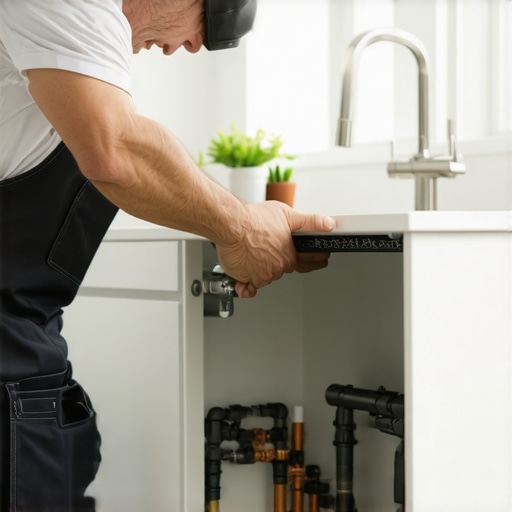
Regularly inspect hardware and adjust hinges as necessary, especially if you notice misaligned doors. Using a simple screwdriver, I realigned my doors in minutes, preventing further sagging. Incorporate periodic cleaning and lubricating of slides and hinges to prolong their lifespan and maintain smooth operation. Remember, well-maintained hardware is the backbone of a reliable storage upgrade.
While many assume that choosing standard solutions and basic designs suffices, the truth is that understanding the nuanced realities of custom cabinetry and built-in storage is essential for a truly effective kitchen upgrade. A widespread myth is that stock cabinets can match the durability and aesthetic appeal of custom ones. However, without tailored measurements and precision craftsmanship, stock options often result in wasted space and frequent maintenance issues. Remember, **quality hinges and finishes** are critical; cheap hardware can lead to sagging doors or squeaks, undermining your investment.
What Advanced Homeowners Should Know About Material Selection
Most overlook the importance of material compatibility and environmental factors. For instance, many believe that all wood or wood-like materials behave similarly, but **moisture-resistant finishes and core materials** like thickness core plywood have proven to significantly extend lifespan, especially in humid climates. A 2026 study by the National Kitchen & Bath Association emphasizes that incorrect material choices lead to warping, peeling, and premature failure, costing homeowners more in repairs over time.
Another common mistake involves underestimating the importance of hardware. Even the most beautiful cabinets can fall apart if hinges and slides aren’t properly selected. Heavy-duty titanium-core hinges and soft-close slides are not luxuries—they are necessities for high-use areas. Expert-built ins often incorporate these, leading to smoother operation and longer durability, as discussed in detailed hardware reviews available in this collection.
Misjudging space and function can also be costly. Some homeowners focus solely on appearance, ignoring how storage solutions align with usage patterns. For example, installing deep, unorganized pantry drawers might look sleek, but without vertical dividers and pull-outs, they become cluttered, defeating the purpose. Advanced solutions like **modular prep stations** or hidden appliance garages** offer smarter, space-efficient options that cater to real-life needs.
Furthermore, neglecting the significance of finishes can backfire. Many are tempted by cheaper paints or coatings, not realizing that **anti-bacterial, scratch-resistant finishes** are vital for maintaining cleanliness and appearance in busy kitchens. Innovative finishes tested as early as 2026 demonstrate their ability to repulse stains, chips, and germs, saving costs on frequent refinishing.
Investing in custom cabinetry also involves understanding the hidden traps. Over-engineering features for future needs may seem advantageous but can complicate installation and maintenance. Conversely, insufficient planning often results in retrofit challenges or underutilized spaces. For instance, installing **built-in pet stations** or **vertical sheet-pan dividers** can elevate your kitchen’s functionality—if designed with precise measurements and expert advice, like those from our curated design suggestions.
In essence, being informed about advanced nuances—materials, hardware, layout, and finishes—can make or break your remodeling success. Avoid the pitfalls of superficial choices; instead, invest in craftsmanship and strategic planning. Dive into our detailed guides on modern kitchen remodelling with custom cabinets and learn how expert solutions can redefine your space. Remember, the goal isn’t just aesthetic appeal but longevity and genuine functionality. Have you ever fallen into this trap? Let me know in the comments.
The Importance of Quality Hardware and Maintenance Tools
Long-term success in your kitchen remodel hinges on having the right tools to keep everything functioning smoothly. I personally swear by precision screwdriver sets like the Wiha 77791. These tools allow me to make fine adjustments to hinges and handles without stripping screws or causing damage. Regularly tightening and adjusting hinges like these titanium-core hinges can prevent sagging doors and maintain a pristine look over the years.
Embracing Digital Organization and Scheduling Software
Investing in dedicated project management software like Asana or Trello helps me track remodel milestones, schedule regular maintenance, and plan upgrades. These platforms facilitate keeping tabs on hardware warranties and upcoming replacements, such as soft-close hinge lubrications or slide inspections, ensuring your kitchen remains in top shape. Automating reminders to check hardware wear can save you from unexpected repair costs and downtime. Predicting future needs allows for planning upgrades like upgrading to anti-bacterial finishes, which are becoming increasingly popular for hygiene and durability in 2026.
Anticipating and Planning for Future Upgrades
Research shows that proactive maintenance can extend hardware lifespan by up to 50%. I recommend regularly inspecting and cleaning hinges with a silicone-based lubricant—these are compatible with finishes like antibacterial scratch-resistant finishes. Planning for targeted replacements, based on wear patterns, allows you to implement small upgrades that prevent costly overhauls down the line. As trends shift towards smarter storage and sensors, integrating such systems with your hardware now can future-proof your kitchen.
How Do I Maintain Built-Ins and Custom Cabinets Over Time?
Proper care involves both routine cleaning and hardware checks. For example, regularly lubricate slides like heavy-duty slides to prevent jamming. Wiping down surfaces with non-abrasive, anti-bacterial cleaners prolongs finish life and ensures hygiene standards are maintained. Inspecting and tightening hinges prevents sagging or misalignment, especially in high-use areas. Embrace a quarterly maintenance schedule—it’s a small commitment that preserves your investment over decades. In the future, expect a surge in smart hardware equipped with diagnostic sensors that will alert you when components need attention—integrating these early can make maintenance even more effortless.
Lessons Only Experience Reveals About Custom Kitchen Storage
- One of the biggest surprises I encountered was realizing how much planning influences longevity. Choosing the right hardware and finishes isn’t just about appearance—it’s about preventing headaches down the line. I wish I had prioritized high-quality steel slides over cheaper alternatives, as it made a dramatic difference in durability and performance.
- Another insight came from understanding the importance of material compatibility. Moisture-resistant finishes and proper core materials saved me from warped cabinets and peeling veneers. It’s not just about picking beautiful veneers, but ensuring they withstand the environmental conditions of your kitchen.
- Finally, the most profound lesson was the value of continuous maintenance. Regularly inspecting hinges, lubricating slides, and tweaking adjustments kept my kitchen functioning smoothly. Embracing this routine transformed my space from a temporary fix into a lasting solution.
Tools and Resources I Keep in My Arsenal
- Precision screwdriver sets: A staple for fine adjustments, I trust the Wiha 77791 for its durability and ease of use. It makes tweaks effortless and prevents damage during maintenance.
- Project management software like Trello: Staying organized with reminders for hardware checks and upgrades has kept my remodelling project on track and minimized surprises.
- Curated guides from Artisan Cabinetworkz: Their detailed articles on finishes and hardware choices provide insights that elevate my understanding and keep me ahead in planning future upgrades.
When You Bring It All Together, The Results Are Powerfully Personal
“Building a functional, beautiful kitchen isn’t about following trends but about understanding what makes your space endure. Every time I see a well-organized pantry or a smoothly operating cabinet, I remember how strategic choices—like selecting anti-bacterial finishes or installing vertical dividers—have transformed my daily routines. Your space can do the same; it’s within your reach to craft a kitchen that’s not just beautiful but built to serve you for decades. If you’re ready, begin with a clear plan, invest in quality hardware, and keep nurturing your system—your future self will thank you.”,