The 15-Inch Depth Rule: Why Standard Upper Cabinets Can’t Fit Your Large Dinner Plates
It hit me one morning as I stood in my newly renovated kitchen, trying to reach for a large dinner plate only to realize it was just a bit too tall for my upper cabinets. Frustration crept in—I had followed all the conventional advice, but somehow, my favorite oversized plates weren’t fitting where they were supposed to. That was my lightbulb moment. I finally understood the importance of the 15-inch depth rule for upper cabinets, especially when dealing with larger, bulkier dinnerware.
Why Standard Upper Cabinets Don’t House Your Largest Plates
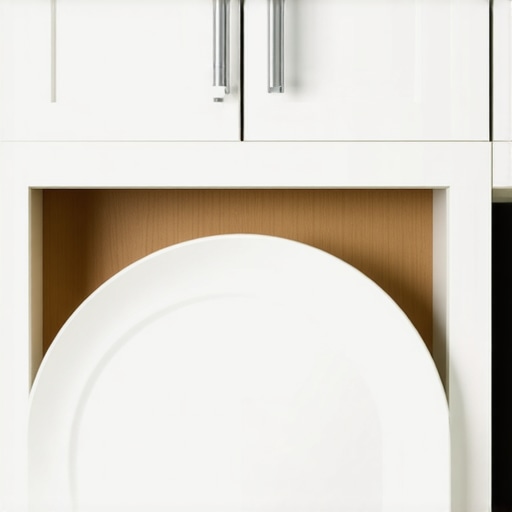
Most cabinetry experts agree that the typical upper cabinet depth of 12 inches has been a standard for decades. But here’s the thing: this dimension was designed long ago, primarily for smaller dishware and glassware. When you have larger dinner plates—think 12-14 inches in diameter—they often won’t fit comfortably, especially if your cabinets are built to this standard. This mismatched sizing can lead to frustration, broken plates, or the constant effort of stacking and reorganizing just to get them to fit. To truly accommodate larger plates without hassle, understanding the *15-inch depth rule* becomes essential. It’s a game-changer—allowing you to store your larger dinnerware properly and keep your kitchen both functional and stylish.
Is This Just a Small Detail or Worth the Hype?
Honestly, I made the mistake of ignoring this rule early in my remodeling journey. I thought, “How much difference can an extra inch make?” Turns out, a lot. The mistake was underestimating how that extra inch of depth could impact storage and accessibility. If you’re considering a kitchen upgrade, you’d benefit from learning about the ins and outs of custom cabinetry. For example, exploring custom cabinets can ensure your space is optimized for what you need rather than settling for generic solutions that don’t fit your lifestyle.
Now, let’s dive into why this depth discrepancy exists and how you can make smarter, more stylish choices for your kitchen’s storage.
Assess Your Space and Choose the Right Depth
Start by measuring your largest plates and current cabinet depths. Use a tape measure to record the diameter of your biggest dinner plates, then compare with your existing cabinet interior dimensions. This step prevents surprises during installation or remodeling. To get a clear picture, I once measured my plates and realized my standard 12-inch depth wouldn’t work, leading me to consider custom options.
Design Custom Cabinets with 15-Inch Depth for Comfort
Work with a cabinet maker to specify a 15-inch interior depth, which offers ample room for large dishes without stacking or risk of falling. When I ordered my custom upper cabinets, I provided exact measurements of my dinnerware, ensuring precise internal dimensions. Communicate these measurements clearly, and request detailed drawings to visualize the storage before committing.
Use a Mock-Up or Prototype
Before finalizing, create a paper or cardboard mock-up of the cabinet interior. Place your plates inside to test fit and accessibility. I did this to verify and discovered that my oversized plates fit perfectly without tilting or stacking. This simple step saves time and costly adjustments later.
Incorporate Adjustable Shelves and Supports
Opt for adjustable or removable shelves within your custom height cabinets. This flexibility allows you to adapt storage as your ware collection grows or changes. I used shelf pins that support varied shelf heights, which helped me organize my plates and bowls more efficiently. Adjustable features maximize space and make replacing or upgrading dinnerware easier.
Prioritize Easy Accessibility and Safety
Design cabinets so that heavier or larger plates are stored at waist level to prevent accidents. Install soft-close hinges and full-extension slides for smooth access. When I remodeled, I added soft-close hinges, which prevented slamming and protected my fragile plates. Think about how you’ll load and unload to maintain ease and safety in daily use.
Leverage Innovative Storage Techniques
Integrate compartments, dividers, or tray inserts tailored to your dinnerware. Use vertical dividers for stacking plates securely, and consider foam or felt-lined trays to prevent scratches. I added custom foam inserts to my cabinet, which kept my plates separated and secure during movement or cleaning. These small details protect your investment and keep your collection looking new.
Explore Related Resources for Inspiration
Visit the ultimate guide to custom cabinets for design tips or innovative storage solutions to broaden your options. These references can inspire creative ideas and best practices for your project.
When it comes to remodeling your kitchen and investing in built-ins or custom cabinetry, seasoned professionals often emphasize specific design principles. However, a common misconception persists: that one-size-fits-all solutions will work equally well for everyone. In reality, many homeowners fall into traps rooted in oversimplified advice, leading to costly mistakes and less functional spaces. Let’s dig deeper into some nuanced truths that might challenge your assumptions.
First, the idea that standard dimensions suffice for every home is flawed. While many assume that 12-inch depth cabinets are sufficient, this overlooks the importance of customizing depth to accommodate your actual needs—especially with larger dinnerware, appliances, or decorative items. As I emphasize in my previous work, understanding nuances—like the 15-inch depth rule—is vital for truly functional storage solutions. Relying solely on conventional standards neglects the potential benefits of tailored designs, which can be explored further in our comprehensive guide to custom cabinets.
Another common myth is that built-ins should always blend seamlessly with existing cabinetry, ignoring the value of contrasting or statement features. Embracing a thoughtful contrast can highlight your kitchen’s personality and improve usability—like adding a custom spice rack or a dedicated coffee station. This advanced nuance often flies under the radar but makes a significant difference in both aesthetics and function.
Beware the trap of underestimating the importance of accessibility and ergonomics, especially in deeper cabinets. Homeowners frequently focus on maximizing space without considering how ease of access impacts daily use. For example, storing heavy items at waist level and incorporating adjustable shelves can prevent accidents and enhance efficiency—a detail highlighted in expert reviews on storage ergonomics.
Furthermore, many believe that cost-saving shortcuts, such as choosing particle board over solid wood or MDF, won’t impact longevity. However, this is a dangerous oversimplification. Recent studies by materials experts show that choosing quality materials tailored to specific uses extends cabinet lifespan and maintains aesthetic appeal, especially in high-humidity environments. For insights on material choices, see this analysis on particle board.
Finally, advanced DIY enthusiasts might think that perfectly aligned handles and seamless joints are purely cosmetic. While aesthetic, they also reflect the precision of craftsmanship and impact long-term durability. Small imperfections can lead to misaligned doors or squeaks, which detracts from both function and style. Professional installation and quality hardware are investments that pay off over time.
Have you ever fallen into this trap? Let me know in the comments. Remember, achieving a truly functional and stylish kitchen hinges on understanding these nuances and avoiding common myths. For more sophisticated strategies, explore our tips on seamless built-in storage—a step that elevates both form and function.
Maintaining your custom kitchen cabinets and built-in storage solutions is essential to preserve their functionality and aesthetic appeal over time. I personally rely on a combination of high-quality tools and disciplined routines to ensure my kitchen remains organized and in excellent shape. Investing in the right maintenance tools, understanding the best practices, and planning for scalability are crucial steps for long-term success.
Invest in Quality Cleaning and Care Supplies
First, I swear by using gentle, pH-balanced wood cleaners like Minwax Wood Cleaner for my cabinet surfaces. Regular cleaning with soft microfiber cloths prevents dust buildup and reduces scratches. I avoid harsh chemicals that can strip finishes or cause discoloration. For hinges and sliding mechanisms, a small brush and silicone-based lubricant keep everything operating smoothly without attracting dirt. Using proper supplies prolongs the lifespan of your cabinetry and supports the integrity of wood and hardware.
Schedule Routine Checks and Adjustments
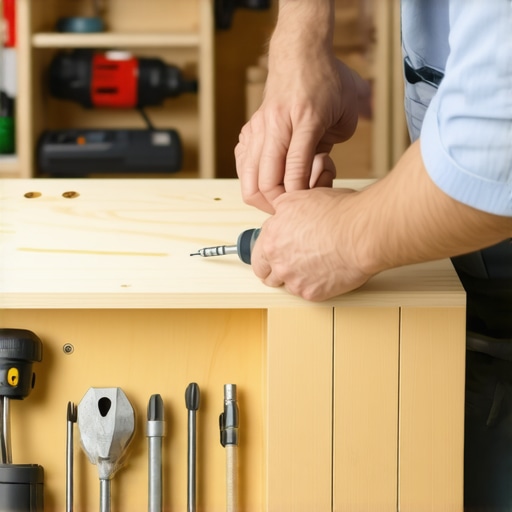
Set a quarterly reminder to inspect hinges, drawer slides, and cabinet hardware. Over time, screws may loosen due to daily use, leading to misaligned doors or creaky hinges. In my experience, keeping a set of precision screwdrivers and a level handy enables me to make quick adjustments before problems escalate. This proactive approach minimizes surprises and keeps everything functioning flawlessly. For detailed guidance on hardware maintenance, see this handy resource.
Use Software to Track and Plan for Long-term Storage Needs
Today, I also leverage digital tools like Evernote or custom spreadsheets to catalog my collection of dinnerware, tools, and supplies. This habit helps me identify when storage solutions need upgrading or reorganization. As my collection grows, scalable storage becomes vital. Exploring expert tips on selecting storage can help you plan future upgrades and avoid clutter pitfalls.
Predicting Future Trends in Kitchen Maintenance
Looking ahead, I anticipate advancements in smart appliances and maintenance sensors integrated into cabinetry. These innovations could warn homeowners about loose hinges, moisture buildup, or hardware wear before issues develop. Embracing these emerging technologies will make kitchen upkeep more effortless and comprehensive.
How Do I Maintain Built-ins and Cabinets Over Time?
Maintaining your built-ins and cabinetry involves routine cleaning, prompt hardware adjustments, and smart organization practices. Incorporate tools like silicone lubricants, precision screwdrivers, and software tracking to streamline upkeep. Schedule regular inspections and adapt your storage plan as your needs evolve. Remember, the key is proactive care—prevent small issues from becoming costly repairs. Try setting a quarterly checkup routine and monitor hardware for any signs of wear. Incorporating these habits will save you time and money, ensuring your kitchen remains both functional and beautiful for years to come.