5 Pantry Layout Mistakes That Ruin Your Kitchen Workflow
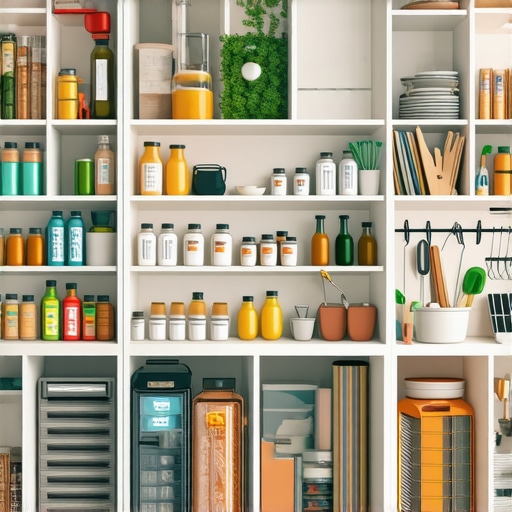
Jumping into my latest kitchen remodel, I vividly remember the moment I realized my pantry was actually working against me. After spending hours organizing, I opened the door, only to find jars tumbling out, and essentials buried beneath a mountain of mismatched containers. That lightbulb moment hit hard—my layout, my choices, and yes, my mistakes, were the culprits.
Why Your Pantry Layout Can Make or Break Your Cooking Day
The truth is, a poorly designed pantry doesn’t just look untidy; it wrecks your efficiency. When items are hard to reach or organized in a way that causes chaos every time you look for a spice, dinner plans get delayed, frustration rises, and the joy of cooking diminishes.
Over the years, I’ve learned that avoiding five common pantry layout mistakes can transform your kitchen into a smooth-running zone. Whether you’re remodeling or just trying to optimize what you already have, understanding these pitfalls is the first step towards a more functional space.
Have you ever faced the frustration of digging through a cluttered pantry, only to realize your setup is actually making it worse? If so, you’re not alone—and I’ve been there too.
Is a Fancy Pantry Really Worth the Hype?
Early in my journey, I believed that installing the most high-end pantry solutions would instantly solve my storage woes. I quickly learned that without proper planning, even the most expensive built-ins fall flat. It’s easy to overspend on features that don’t match your habits or kitchen size, leading to underwhelming results.
For example, I once invested in a sleek, fully automated pantry that looked impressive, but I hadn’t considered whether I needed special-sized shelves or accessible pull-outs. The result? Items still got lost, and I wasted money on hardware that didn’t serve my needs. That’s why I always recommend a strategic approach—focusing on how you actually use your space.
Ready to reset your pantry and avoid these costly mistakes? Let’s dive into the factors that could be undermining your kitchen workflow and how to fix them.
Start with a Clear Plan for Your Space
Before buying materials or selecting cabinets, visualize how you want to use your kitchen daily. Think about specific needs, such as a dedicated baking station or a spot for your coffee setup, and measure carefully. Personally, I once sketched three different layouts, each optimizing for different routines, before settling on one that felt natural and efficient. This step prevents costly mistakes and sets a strong foundation for your remodel.
Prioritize Functional Zones over Just Aesthetics
Divide your kitchen into zones—prep, cooking, cleaning, and storage—and assign each a dedicated area. Use dividers or custom shelving to clearly separate these zones. For example, I installed a pull-out spice rack near my stove, which made reaching for ingredients effortless, saving me seconds during busy mornings. Proper zoning simplifies your workflow and enhances organization.
Create Custom Storage That Fits Your Habits
Design cabinets and shelves tailored to your cooking style. Think about habitually-used items and how often you access them. I once added a shallow drawer for baking sheets beside my oven, which eliminated clutter and made cleanup simpler. Custom solutions like these are more effective than generic storage because they adapt to your specific routines. Explore ideas from custom cabinet ideas to inspire your project.
Implement Smart, Space-Saving Features
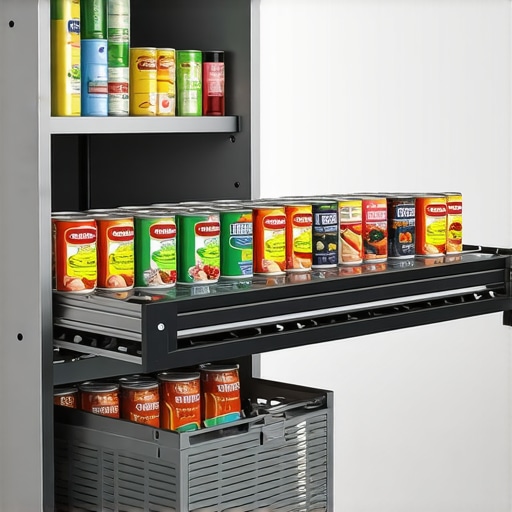
Utilize innovative storage options, such as vertical dividers for lids or slim pull-outs for canned goods. These features maximize every inch of your cabinets. I added a series of slim pull-outs in an awkward corner, transforming dead space into a functional pantry. For small kitchens, check out smart storage solutions listings to get ideas that fit tight spaces.
Invest in Durable Hardware and Quality Materials
Choose heavy-duty slides and hinges to support frequent use, especially for heavy items like cast-iron pans. Durable hardware prevents jams and sagging. I replaced my old slides with heavy-duty variants from heavy-duty drawer slides, which dramatically improved the smoothness and longevity of my drawers, making daily tasks less frustrating.
Integrate Built-Ins and Custom Cabinets for Seamless Style
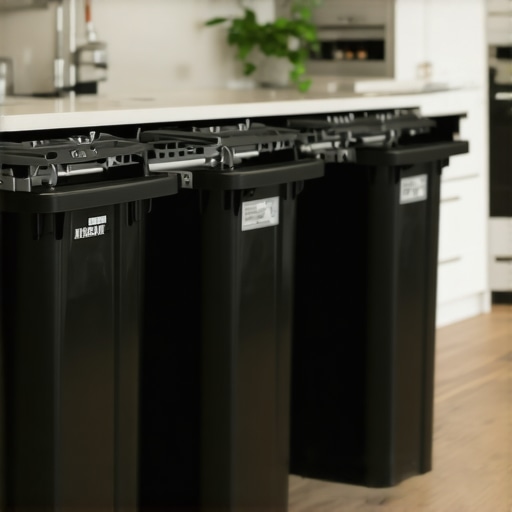
Built-ins give your kitchen a cohesive look while providing tailored storage. Consider adding a built-in coffee station or concealed appliance garage to keep countertops clean. I custom-built a pull-out trash bin next to my oven, which kept ugly bins out of sight and freed up space. For design inspiration, visit modern kitchen remodels with built-ins.
Finalize with Thoughtful Details and Adjustments
Adjust hinges, handles, and shelf heights for perfect operation. Small tweaks can significantly improve usability. I found that leveling my cabinets using shims corrected wobbling doors, resulting in a cleaner look. Always test hardware and make incremental changes—precision is key for a professional finish.
When it comes to kitchen remodels and storage solutions, many homeowners fall prey to misconceptions that can sabotage their efforts. One prevalent myth is that buying off-the-shelf cabinetry or popular built-ins guarantees optimal functionality. In reality, these solutions often overlook the importance of customizing storage to your specific habits and space constraints. For example, many assume that more shelves equal better storage, but densely packed shelves can make access cumbersome and lead to disorganization over time.
Another misconception is that high-end, fully automated pantries or bespoke cabinets automatically justify their cost. However, without nuanced planning—such as considering the weight capacity of shelves or the ergonomics of reach zones—these investments can quickly become ineffective. Properly designed custom cabinets that align with your routines tend to offer better value, emphasizing quality and tailored functionality over luxury features. For insights on how to select the right materials, explore why particle board can be a disaster in your sink base.
Be cautious of the trap of thinking that built-in solutions only serve aesthetic purposes. In fact, well-planned built-ins can dramatically improve a kitchen’s usability by hiding clutter, adding smart storage, and creating seamless flow. Incorporating hidden pet stations or pull-out trash bins, for instance, maximizes space and maintains clean lines—details often overlooked by novices but crucial for a truly functional remodel. For ideas on integrating these features, visit built-ins that elevate your living room’s functionality.
Now, for the advanced reader asking, “How can I ensure my custom cabinets withstand humidity and heavy daily use?”—the secret lies in selecting the right materials and hardware. Engineered plywood panels with cross-grain construction outperform solid wood in high-humidity zones by resisting warping. Coupling this with heavy-duty drawer slides and dampers designed specifically for heavy loads prevents sagging and premature wear. For detailed hardware options, check 7 heavy-duty drawer slides that support your cast-iron collection. These best practices are backed by industry studies highlighting long-term durability when using appropriate materials and hardware. Always remember, a well-executed kitchen remodel considers both aesthetics and nuanced functionality to truly serve your needs.
Have you ever fallen into this trap? Let me know in the comments.
Investing in Quality Tools for Long-Term Success
Having the right tools makes all the difference in maintaining your kitchen’s functionality over time. I personally swear by a high-quality cordless drill with adjustable torque settings; it’s indispensable for tightening hardware, replacing hinges, or installing new shelves. For precision work, a digital level ensures your cabinets and countertops stay perfectly aligned, preventing uneven wear or misalignments that can lead to damage.
Additionally, a set of detailed screwdrivers, both Phillips and flat-head, allows for quick adjustments without stripping screws—saving you money and frustration. I also keep a tube of silicone-based lubricant on hand; regular application to hinges and drawer slides prevents squeaks and ensures smooth operation. These tools are complemented by maintenance software like a digital cataloging app, where I log hardware replacements and scheduled check-ups, making long-term upkeep manageable and organized.
Embracing Smart Maintenance Techniques
To keep your custom cabinets and built-ins functioning at their best, implementing routine check-ups is crucial. I recommend setting a quarterly reminder to inspect hinges, slides, and sealants; this proactive approach prevents minor issues from escalating into costly repairs. For example, I routinely adjust drawer slides with a specialized wrench I keep nearby, which prolongs their lifespan considerably.
Long-term results depend on consistent care. Upgrading hardware such as soft-close dampers (like those from this trusted source) not only improves functionality but also reduces wear and tear. Regular cleaning of surfaces with gentle, non-abrasive cleaners maintains the finish, while inspecting for moisture or warping helps detect early signs of structural issues.
How do I maintain my storage systems over time?
Maintaining your storage solutions involves more than just occasional cleaning. It’s about ensuring hardware remains tight, seals stay intact, and moving parts—like slides and hinges—continue to operate smoothly. I recommend applying a light coat of lubricant every six months and replacing worn-out components before they fail altogether. Keeping detailed records of replacements and upgrades through specialized software can dramatically extend the lifespan of your cabinetry and built-ins, reducing the need for costly remodels down the line.
Looking ahead, the trend in kitchen maintenance is moving toward smart, connected hardware that can alert you to potential issues before they become problematic. For example, certain hinge systems now feature sensors that notify you via a smartphone app when an adjustment is needed, ensuring your kitchen remains functional without surprises.
Don’t underestimate the importance of a well-stocked maintenance toolkit. Try upgrading your hinges with heavy-duty, soft-close dampers, which are proven to outperform standard hardware and are easy to retrofit into existing cabinets. Regular upkeep combined with using the right tools will keep your kitchen looking and functioning like new for years to come. For expert advice on hardware upgrades, visit this resource.
What I Wish I Knew Before Starting My Kitchen Overhaul
One of the biggest lessons was realizing that a blueprint isn’t just a plan—it’s a living document that guides every decision, from layout to hardware choices. Rushing into purchases without detailed measurements and clear routines often leads to wasted money and frustration.
Secondly, I learned that investing in custom solutions tailored to my habits brought long-term benefits. Standard cabinetry can’t match the efficiency of built-ins designed specifically for your workflow, especially when you incorporate niche storage like hidden pet stations or pull-out spice racks.
Finally, I discovered that small tweaks, like adjusting shelf heights or installing soft-close hinges, can dramatically transform usability—saving time and reducing wear on your kitchen furniture. These refinements highlight that perfection is often found in the details, not just in big investments.
Tools and Resources That Changed My Approach to Kitchen Storage
For anyone looking to elevate their kitchen space, I highly recommend exploring custom cabinet ideas that truly transform your home’s style. It’s my go-to for design inspiration and practical layouts.
To ensure durability and quality, I trust hardware brands like those detailed in heavy-duty drawer slides that support your cast-iron collection. They’ve proven their reliability over years of daily use.
Additionally, I utilize organizational tools, such as the site dedicated to space-maximizing storage solutions, which offer fresh ideas for tricky spaces. These resources have been instrumental in refining my kitchen into a functional masterpiece.
For ongoing maintenance and hardware upgrades, resources like soft-close dampers and detailed tutorials keep my kitchen running smoothly long after the remodel concludes.
Embrace Your Kitchen’s Potential and Take the Next Step
Your journey toward a more organized, efficient kitchen is within reach. Remember, the key lies in strategic planning, customizing solutions to fit your habits, and continuously refining your space. Whether you’re considering a full remodel or subtle upgrades, each step you take brings you closer to a kitchen that genuinely works for you. Dive into the wealth of ideas and tools available, and don’t be afraid to get creative—your ideal kitchen is waiting.
What’s the first thing you plan to upgrade or change in your kitchen? Share your thoughts below and let’s inspire each other to create spaces that truly serve our needs!
,