4 Ways to Add Storage to the Side of Your Refrigerator Cabinet
It was a typical Saturday morning in my kitchen—clutter everywhere, and my countertops feeling more cramped than ever. Then it hit me: I’ve been ignoring that empty space beside my refrigerator for too long. It dawned on me that the side of my refrigerator cabinet was a golden opportunity for extra storage, yet I had dismissed it as unusable. Have you ever faced a similar frustration, staring at wasted space that could transform your kitchen? If so, you’re not alone.
Unlock Hidden Storage: The Power of the Refrigerator Side
Many homeowners overlook the potential of the space beside their refrigerator, assuming it’s off-limits or too tricky to utilize. But with a little creativity, this area can become a smart, functional extension of your kitchen storage. Whether you’re dealing with a small kitchen or just want a more organized space, leveraging the side of your refrigerator cabinet can make a notable difference. During my renovation journey, I discovered that customizing this area not only added storage but also enhanced the overall flow of my kitchen. For detailed design ideas, I recommend checking out [creating seamless kitchen remasters with built-in storage solutions](https://artisancabinetworkz.com/creating-seamless-kitchen-remasters-with-built-in-storage-solutions).
Is It Really Worth the Effort to Customize Your Refrigerator Side?
Initially, I was skeptical—was it worth tearing into cabinetry and risking damage? Early on, I made the mistake of rushing into a DIY solution without proper measuring or understanding the structural implications, which led to uneven panels and a awkward fit. That experience taught me an essential lesson: thoughtful planning and quality materials are key. For expert insights on selecting the right storage solutions, you might explore [expert tips on choosing storage solutions for a perfect kitchen upgrade](https://artisancabinetworkz.com/expert-tips-on-selecting-storage-solutions-for-a-perfect-kitchen-upgrade).
In this post, I’ll walk you through four practical and stylish ways to add storage to the side of your refrigerator cabinet. These ideas are rooted in real-life experience and proven to improve both form and function. Ready to turn that unused space into a treasure trove of organization? Let’s dive in.
Measure and Plan Before You Cut
Start by precisely measuring the space beside your refrigerator, including height, width, and depth. I once rushed into installing a shelf without double-checking these dimensions, leading to a cumbersome fit that had to be adjusted later. Use a tape measure and note down these measurements, then sketch a simple plan outlining what you want to store.
Choose the Right Materials for Durability
Select sturdy materials like oak, plywood, or melamine that can withstand moisture and frequent use. During my project, I initially picked lightweight MDF, which warped over time, so I switched to plywood for better longevity. Visit this guide for expert advice on selecting optimal materials for kitchen storage.
Create Custom Shelves or Cabinets
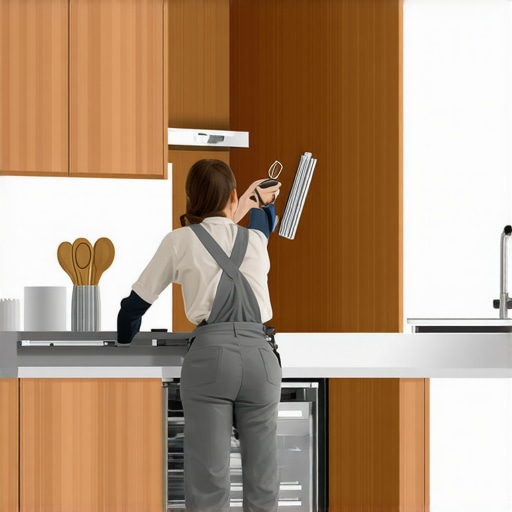
Using your measurements, design shelves or cabinets that fit snugly into the space. Think of it as building a tailored suit—precision is key. I used a circular saw and drill, carefully cutting and assembling the panels. I recommend constructing a base frame first, then attaching shelves or doors, ensuring everything is level using a bubble level. For inspiration, check out this comprehensive article.
Secure the Structure and Ensure Easy Access
Once assembled, attach the new storage unit to the wall or adjacent cabinetry for stability. Use L-brackets and screws, much like reinforcing a picture frame. Leave enough clearance for opening refrigerator doors without obstruction. I hit a snag here when a shelf blocked the fridge handle, so I remeasured and adjusted placement accordingly.
Finish with Aesthetic and Function
Paint or stain the unit to match your kitchen decor, and add handles or knobs for ease of use. During my install, I kept it simple with a matte black handle that complemented my faucet. Incorporate features like pull-out trays or dividers for better organization—think of it as creating a mini walk-in pantry accessible at a glance.
When it comes to designing functional and stylish kitchen storage, many homeowners fall prey to misconceptions that can derail their renovation projects. One widespread myth is that custom cabinets automatically mean flawless organization—while they certainly provide flexibility, overlooking the importance of planning for specific use cases can lead to wasted space or inaccessible areas. For example, placing deep cabinets without considering the user’s height or reach can turn these into storage black holes, defeating their purpose. To avoid this, it’s crucial to think through your daily routines and consult with experts, as recommended in [expert tips on selecting storage solutions](https://artisancabinetworkz.com/expert-tips-on-selecting-storage-solutions-for-a-perfect-kitchen-upgrade).
Another common mistake is underestimating the nuance of door and drawer hardware. Many assume that soft-close hinges and push-to-open systems work flawlessly in every situation, but improper installation or selecting the wrong hardware can cause doors to misalign or even sustain damage over time. It’s not just about choosing high-end hardware but understanding the mechanics and compatibility, which experts often emphasize. Remember, even minor misconfigurations can compromise the overall aesthetics and functionality of your custom cabinetry.
For the advanced remodeler, it’s vital to recognize that overlooking the structural integrity of the space can cause issues later. For instance, installing heavy built-ins without reinforcement can lead to sagging or detachment over the years. In fact, studies show that proper framing and backing significantly extend the lifespan of built-in features. You can learn more about these techniques in [this comprehensive guide](https://artisancabinetworkz.com/creating-seamless-kitchen-remasters-with-built-in-storage-solutions), which discusses reinforcement strategies in detail.
Have you ever fallen into this trap? Let me know in the comments! Let’s dig deeper—what subtle details have you found make or break a successful built-in solution?Ensuring your custom cabinets and built-ins keep performing their best over the years requires the right tools and regular maintenance. From selecting durable hardware to adopting proven cleaning techniques, being proactive can save you time and expense down the line. One essential tool I swear by is a high-quality cordless drill with a torque setting, which I use not only for installing but also for periodic tightening of cabinet hinges and handles. This simple step prevents squeaks and misalignments that often develop with age.
Another maintenance staple is a soft microfiber cloth combined with a gentle cleaning solution specifically designed for wood or laminate surfaces. Regular wiping after use prevents dust buildup and protects finishes. I prefer using an eco-friendly, pH-balanced cleaner that won’t strip finish or cause discoloration over time. Additionally, a silicone-based lubricant applied periodically to drawer slides and hinges keeps everything moving smoothly, dramatically reducing wear and squeaking. For these purposes, I recommend a product like Super Lube, which resists dirt and dries quickly.
How do I keep my built-ins functioning perfectly over time?
Regular inspections are key—check for loose screws, damaged hardware, or warping. Tightening or replacing components promptly prevents more serious issues from developing. Also, keep an eye on moisture levels; kitchens are prone to humidity that can cause wood to swell or warped panels. Using a dehumidifier or ensuring good ventilation can extend the lifespan of your cabinetry significantly. An often overlooked aspect is finishing: refinishing or touch-up staining every few years freshens the look and resists environmental damage. For a comprehensive guide on maintaining your cabinetry’s appearance and integrity, check out this resource.
Predicting the future of kitchen storage, I see more homeowners embracing smart moisture-activated finishes and humidity sensors integrated into cabinetry to automate maintenance alerts. Tackling maintenance now, with proper tools and routine checks, ensures your kitchen investments remain beautiful and functional for decades. Consider trying out a lubrication routine for drawer slides or hinges—simple actions that make a huge difference. The more attentive you are to small signs of wear, the longer your units will serve you well, exemplifying the value of proactive care over reactive fixes.
Lessons That Changed My Approach to Built-ins and Storage
One of the biggest surprises I encountered was realizing that every inch of space, especially areas like the side of my refrigerator, could be transformed into efficient storage—if I approached it with intentionality. I learned that detailed planning, including precise measurements and material choice, makes or breaks the project. Patience became my best ally; rushing often led to misalignments and frustrations. Now, I understand that designing built-ins is less about aesthetics and more about tailored functionality that makes everyday tasks easier.
Another lesson was the importance of forgiving hardware and thoughtful access, ensuring that doors and drawers don’t obstruct each other. Sometimes, what looks good on paper doesn’t translate well in real-world use, so testing and refining are essential steps. I’ve found that sharing these insights accelerates others’ journey toward a kitchen that is both beautiful and supremely functional.
Tools and Resources That Elevated My Kitchen Remodel Journey
My toolkit became indispensable—especially a high-quality cordless drill with adjustable torque for precision work. I also relied on an eco-friendly, pH-balanced cleaner and silicone-based lubricants to keep everything running smoothly over time. For guidance, I turn to trusted resources like this expert tip guide, which offers invaluable advice on selecting the right materials and hardware. Additionally, this detailed article helped me envision how seamless storage solutions could redefine my kitchen space.
Your Next Step Towards a More Organized Kitchen Starts Now
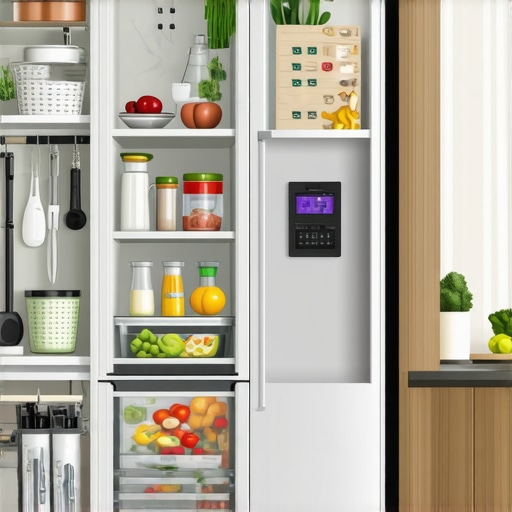
Embrace the opportunity to turn overlooked spaces into personalized storage havens. Whether it’s customizing the side of your refrigerator for shelves or installing clever pull-out trays, taking action today can transform your daily routine. Remember, every detail matters—from choosing durable materials to planning for easy access. You’ve got the power to create a kitchen that not only looks stunning but also streamlines your life. Don’t wait for the perfect moment—your smarter, more organized kitchen is just a decision away.