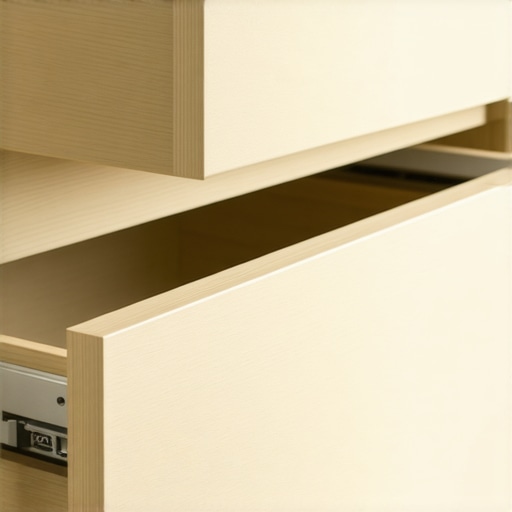
Why Your Slow-Close Drawers Still Slam and the 2-Minute Tension Fix
I remember the exact moment I got frustrated with my kitchen drawers. After replacing all my cabinet hardware with sleek soft-close hinges, I expected the drawers to glide shut silently every time. Instead, they slammed shut with a surprising bang—especially the ones at the bottom. It was like a cruel joke. Those smooth, modern upgrades turned into everyday annoyances.
That lightbulb moment led me down a rabbit hole of troubleshooting. I discovered that, even with top-of-the-line hinges, small tweaks could make a huge difference. And guess what? Usually, it takes less than two minutes to fix the problem and restore peace to your kitchen.
Today, I want to share with you a simple yet effective solution for slow-close drawers that still slam. If you’ve invested in high-quality cabinetry but still hear those annoying slams, this post is for you. We’ll explore why your soft-close settings might not be working as expected and how a quick tension adjustment can restore the quiet closing experience you deserve.
Why Your Drawer Closures Still Feel Off Despite Soft-Close Hinges
Many homeowners assume that upgrading to soft-close hinges guarantees silent, gentle drawer closes. The truth is, these hinges are sensitive to minor adjustments, and factors like misalignment, accumulated dust, or improper installation can cause them to malfunction. Early on in my own remodel, I made the mistake of ignoring the hinge tension settings, assuming the hinges would auto-adjust over time. Spoiler: they don’t.
The real culprit often boils down to tension settings within the hinges. Over time, or due to minor disturbances, the tension can loosen, causing the drawer to close quickly and slam shut. Luckily, most soft-close hinges are designed to be adjustable, allowing you to fine-tune the closing speed.
By making a quick tweak, you can prevent those disruptive slams, extend the lifespan of your hinges, and preserve your sanity. Want to see how simple it is? Keep reading.
Did you know that improper tension settings are among the top reasons soft-close hinges fail to perform as intended? According to cabinet industry experts, correctly adjusted hinges can last up to 20% longer and perform more reliably.
Now that we’ve diagnosed the core issue, let’s dive into the easy fix. Trust me, it’s a two-minute job that can save you from many more frustrations and noise.
Locate the Hinge Adjustment Screws
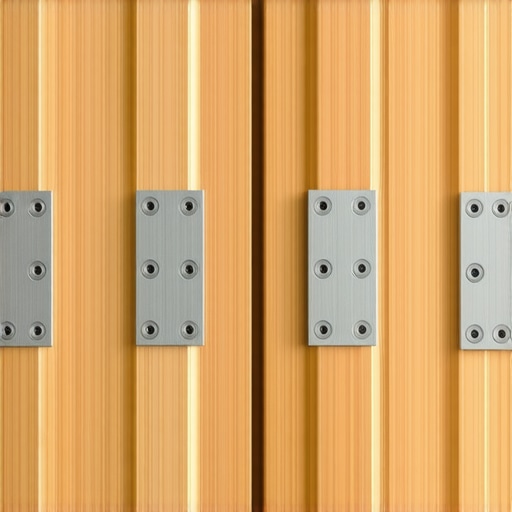
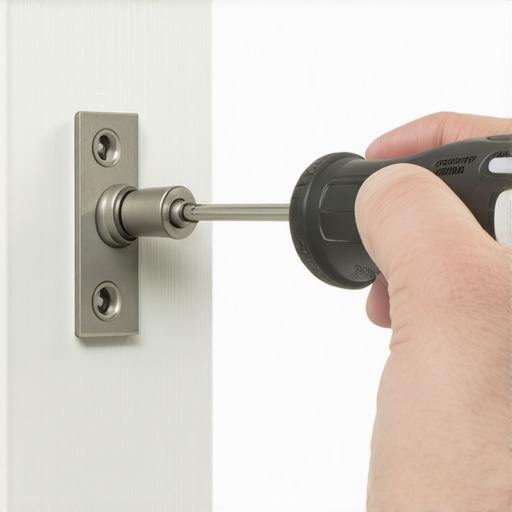
Start by opening your drawer and examining the hinges. Soft-close hinges typically have adjustment screws on the side or bottom of the hinge mechanism. Remember, these are small, Phillips-head screws that control tension. In my own messy kitchen, I grabbed a Phillips screwdriver and got ready to tweak—think of it like tuning a guitar string for perfect sound.
Identify the Correct Adjustment Points
Not all hinges are the same. Some have three screws: one adjusts the closing speed, another the depth, and a third the height. Usually, the one responsible for closing speed is labeled or positioned differently. Check the hinge manufacturer’s diagram online if uncertain. I once accidentally adjusted the wrong screw, causing my drawer to open too slowly—lesson learned.
Make Incremental Tension Tweaks
Turn the adjustment screw clockwise to increase tension—this delays the closing, preventing slams. Turn it counter-clockwise to reduce tension if the drawer is closing too slowly. The key is to make tiny, ¼-turn adjustments, test, and repeat. When I did this for my bottom drawer, I found that a single quarter-turn made a noticeable difference without sacrificing ease of closing. Rest assured, fine-tuning is all about patience.
Test the Closure
After each adjustment, gently close the drawer to observe performance. It might take several tries to find the sweet spot—like dialing in a vintage radio. Keep track of how many turns you make, so you can revert if needed. Once satisfied, tighten the screw securely to prevent further shifts.
Address Misalignment and Debris
Sometimes, tension isn’t the sole culprit. Dust or debris in hinges can interfere with smooth operation. Use a soft cloth and a little bit of furniture lubricant to clear obstructions. When I first encountered this issue, a quick wipe and adjustment brought my sluggish drawer back to whisper-quiet status. Remember, a clean hinge is like a well-oiled machine—essential for perfect performance.
Secure the Adjustment
Finally, ensure the screws are tightened firmly. Loose screws can cause tension to wobble, reverting your effort to square one. Use your screwdriver to snug them up without over-tightening, which could strip the threads. In my experience, a secure screw means consistent performance over time, translating to fewer visits to the hardware store.
While adjusting the hinges might seem simple, it’s the most direct way to restore proper soft-close function. For more ideas on how to optimize your kitchen, explore modern kitchen remodels or custom cabinet ideas.
 Many homeowners assume that choosing built-in storage solutions automatically means maximizing every inch of space effortlessly. However, this belief overlooks the nuanced challenges involved in seamless integration, such as proper clearance and ergonomic placement. It’s a common myth that all custom cabinets are inherently better; in reality, poorly designed or executed custom projects can lead to clutter and inefficiency, defeating their purpose. For instance, insufficient vertical or horizontal space can hinder functionality, which many overlook during planning. Adding to this, relying solely on aesthetically pleasing designs without accounting for actual usage habits often results in impractical storage. To truly optimize your kitchen, consider engaging with experts who understand these details, like ensuring you have the right modern kitchen remodels with custom-built ins. Furthermore, many get caught in the trap of over-customization, which can limit flexibility if your needs change, so it’s wise to incorporate adaptable features from the start. The secret lies in striking a balance between design intent and real-world utility, a nuanced approach many miss. According to industry research from the National Kitchen & Bath Association, thoughtful planning that accounts for human behavior and space dynamics results in a more satisfying long-term solution. Remember, integrating storage isn’t just about filling space but enhancing workflow and daily comfort.
Are there advanced considerations that even experienced designers often overlook in custom cabinetry?
Absolutely. For example, incorporating built-in electrical outlets within cabinets or designing for future appliance upgrades can save hours of renovation later. Be wary of cookie-cutter solutions; each kitchen’s unique structure demands personalized strategies. As I always say, the devil is in the details, and overlooking small nuances can transform an investment from functional to frustrating. To explore how expert guidance can transform your space, see ideas that truly elevate your home’s style. Don’t let misconceptions hold you back from achieving the perfect kitchen—careful planning and expert input are your best tools. Have you ever fallen into this trap? Let me know in the comments.Maintaining your built-in cabinetry and optimizing your storage systems requires a combination of the right tools, consistent upkeep, and a strategic approach. Over the years, I’ve found that investing in quality equipment not only simplifies maintenance but also extends the lifespan of custom cabinets and built-ins. One indispensable tool I rely on is a high-precision digital level, which ensures your cabinets and shelves remain perfectly aligned, preventing door sticking or uneven gaps that can lead to faster wear. I personally use the Johnson Level & Tool 48″ Digital Level, appreciated for its accuracy and durability. Additionally, a fine-tip silicon spray lubricant is a game-changer for hinges and sliding mechanisms, keeping them smooth without attracting dust or grime. I opt for WD-40 Specialist Silicone to maintain effortless operation over time. For routine cleaning, microfiber cloths combined with gentle, pH-neutral cleaners are best to preserve finish integrity, especially on matte or textured surfaces. I make it a habit to inspect hardware quarterly, tightening loose screws and adjusting hinges with a precision Phillips screwdriver—the same one I use for hinge adjustments discussed earlier. Regular checkups prevent minor issues from escalating into costly repairs, preserving your investment. When it comes to storage solutions, staying ahead with smart organizing practices helps prevent clutter and prolongs the functional aesthetic of your kitchen and living spaces. Implementing movable shelf brackets and pull-out systems, like those detailed in our guide on maximizing space, allows for flexible adjustments as your needs evolve. Looking ahead, the trend points toward incorporating smart storage innovations, such as motorized lift systems and app-controlled organization modules, which seamlessly blend technology with traditional craftsmanship. To keep your built-ins performing optimally, I recommend adopting a monthly maintenance routine—think of it as preventative healthcare for your cabinetry. For instance, a quick check of hinge tension and alignment can save hours of troubleshooting later. As a next step, try adjusting your cabinet hinges using a fine-tipped screwdriver and silicone spray; often, just a few turns can restore perfect operation and quiet close. Want to explore more about integrating advanced storage, check out smart storage solutions designed for evolving homes. Remember, paying attention to these details now translates into longer-lasting functionality, keeping your kitchen beautiful and efficient for years to come.
Throughout my renovation journey, one of the most valuable lessons I learned was that fine-tuning your cabinet hinges isn’t just a matter of mechanical tinkering—it’s about reclaiming peace and harmony in your living space. The secret is understanding that soft-close hinges, despite their sophistication, still require personalized adjustments. A small tweak here, a slight tightening there, can transform noisy slams into whisper-quiet closures, elevating your kitchen experience to professional standards.
Moreover, investing in quality tools, like a precision screwdriver and a decent hinge tension gauge, can make this process much more manageable. Remember, patience and incremental changes are key. Every minor adjustment brings you closer to a flawlessly functioning cabinet, turning frustration into satisfaction.
So, embrace the process. Your kitchen’s serenity depends on it, and mastering hinge tension now means fewer headaches in the future. After all, a peaceful kitchen is the foundation of a joyful home—so take a few minutes, make those tiny tweaks, and enjoy the quiet comfort of perfectly adjusted soft-close drawers.
Insider Wisdom: Lessons Behind Perfect Drawer Closure
- Small adjustments make big differences: I used to think a hinge was either functioning or not, but I realized that a ¼-turn could significantly change how quietly my drawers closed, saving me from frequent slams.
- Proper alignment is crucial: Even the best hinges won’t perform well if your cabinets are out of square. Ensuring your cabinetry is level and aligned is the first step before fine-tuning tension.
- Regular maintenance prolongs life: Periodic hinge checks and adjustments prevent slamming over time, preserving both hardware and peace of mind.
- Dust and debris matter more than you think: A dusty hinge can cause squeaks or sluggish closing; a quick clean can restore optimal performance.
- Don’t overlook manufacturer’s instructions: Each hinge type can have different adjustment mechanisms; referencing their guides saves time and ensures proper tuning.
Recommended Resources That Made a Difference
- The Manufacturer’s Guide: Always refer to the specific hinge manufacturer’s manual or online videos. Brands like Blum or Salice provide detailed tutorials that simplify adjustments.
- Quality Tools: I personally swear by a digital torque screwdriver, which allows precise ¼-turn increments, preventing over-tightening and ensuring consistency.
- Online Forums: Communities like Houzz or Reddit’s DIY subreddit offer real-world tips and troubleshooting advice from fellow enthusiasts and professionals alike.
- Cabinet Hardware Suppliers: Partnering with reputable suppliers ensures you’re using hinges designed for easy adjustability and enduring performance, like those found at Artisan Cabinetry’s selection.
Your Next Step Toward Kitchen Bliss
Transforming your kitchen into a sanctuary of silence and efficiency isn’t just about buying premium hinges; it’s about understanding and customizing them to your space. With a bit of patience and the right tools, you can enjoy smooth, quiet drawer closures that make every cooking or cleanup session more pleasant. So, why not take a few minutes today to fine-tune your cabinets? Your peace—and your home’s value—will thank you. Have you ever struggled with adjusting your hinges? Share your experiences below and let’s learn together!