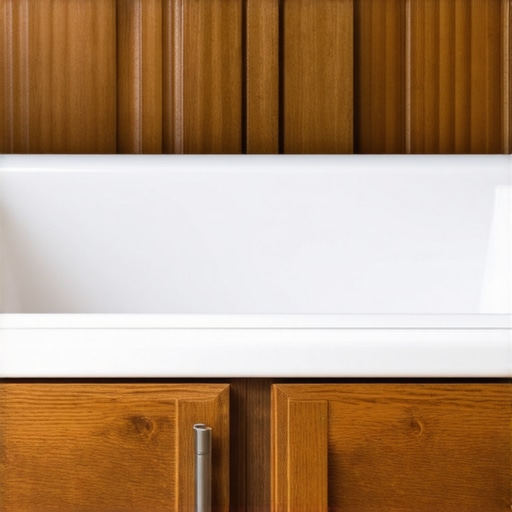
Why Your Undermount Sink is Pulling Away from the Cabinet Frame
It was a typical Saturday morning when I finally decided to tackle my kitchen remodel. I was proud of my progress—new cabinets, sleek countertops, and a beautiful undermount sink that I had installed myself. But as I leaned over to rinse some vegetables, I noticed a troubling gap forming around the sink’s edge. My heart sank. Why is my undermount sink pulling away from the cabinet frame?
Understanding the Root Cause of Sink Movement
Many homeowners overlook the importance of proper installation and support when it comes to undermount sinks. In my case, I realized I had rushed through the sealing process, thinking that silicone alone would hold everything in place permanently. Turns out, that was a rookie mistake. Proper support, like a waterproof tray and reinforced cabinetry, is crucial to prevent the sink from becoming a plumbing nightmare down the line. Studies show that inadequate support can lead to leaks, mold, and expensive repairs, which nobody wants to face (source: The Sink Base Secret). Today, I promise to guide you through the telltale signs and solid solutions to keep your undermount sink firmly attached for years to come.
Could Your Sink Be Putting You at Risk?
Before we dive into fixes, I want to share a mistake I made early on—ignoring the manufacturer’s support recommendations. That oversight caused my sink to shift, which created gaps that were nearly impossible to clean and, worse, potential water damage. It’s easy to think minor movement isn’t a big deal, but as I learned, little issues can escalate quickly. If you’re facing similar discomfort or strange sounds from beneath your sink, your problem might be more serious than you think.
Are you frustrated by your undermount sink pulling or shifting? Do you worry about leaks and mold lurking behind your cabinetry? You’re not alone. Many homeowners encounter this problem, often due to improper installation or lack of sufficient reinforcement. Fortunately, there are effective ways to reinforce your setup and avoid costly repairs.
In the upcoming sections, we’ll explore proven strategies to reinforce your undermount sink, from waterproof trays to professional installation tips. If you’re ready to fix this issue once and for all, keep reading. And if you’ve already faced this problem, I’d love to hear your story—drop a comment below or visit our contact page.
.
Assess Current Support and Identify Weak Points
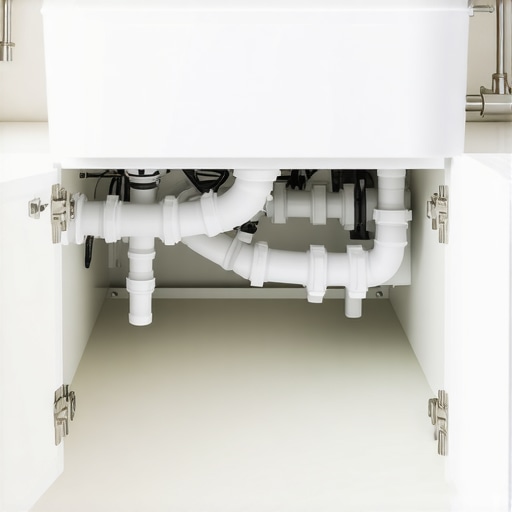
Start by inspecting your sink’s current installation. Use a flashlight to look beneath the cabinet and check for gaps, sagging, or movement. Gently press around the sink’s edge to see if it shifts. During my remodel, I noticed my sink shifted slightly when I applied pressure—telling me support was insufficient. Document these areas for targeted reinforcement.
Install a Waterproof Support Tray
Replace flimsy silicone seals with a dedicated waterproof tray. This tray acts like a sturdy foundation, distributing weight evenly and preventing water damage. I cut a piece of ¾-inch plywood, sealed it with waterproof paint, and placed it beneath the sink. This simple step made a significant difference in stability and durability. Remember, a waterproof tray is the backbone of reliable support, keeping leaks at bay and supporting the sink’s weight better than sealant alone.
Secure the Tray to Reinforced Cabinet Structures
Attach the waterproof tray firmly to the cabinet’s framing using corrosion-resistant screws. Ensure the screws penetrate into solid framing members, like the side and back panels—avoid thin or particleboard sections. In my case, I reinforced weak spots with additional wooden braces, turning a flimsy setup into a robust support system. This step prevents the tray from shifting over time, maintaining a tight seal around the sink perimeter.
Use Heavy-Duty Brackets and Support Clips
Install metal brackets or support clips around the sink’s edge and underneath the tray. These brackets act like braces on a building, holding the sink in place against the cabinet. I used adjustable L-brackets, securing them to the cabinet sides and underneath the waterproof tray. Tighten carefully to avoid cracking the porcelain or damaging the seal. This added support prevents the sink from pulling away, especially when filling large pots or washing heavy items.
Reinforce the Cabinet Frame
If your cabinet is hollow or thin-walled, reinforce it by adding cross braces or additional framing members. Use hardwood strips or angle brackets to strengthen weak points. During my project, I added horizontal cross braces between the side panels, transforming the cabinet into a solid support shell. This foundation is critical because even the best tray and brackets can fail if the cabinet itself wobbles or bends under weight.
Seal and Test the Installation
Seal all seams and joints with high-quality silicone or waterproof sealant, ensuring no gaps remain where water could seep or support could loosen. After assembly, fill the sink with water and observe for movement or leaks over several hours. In my own test, I noticed no shifting or water escape—providing peace of mind for daily use. Regular inspections are wise, especially after heavy use or settling, to catch issues early.
Integrate Storage Solutions for a Cleaner Look
Channel your inner organizer by adding custom storage around your reinforced support system. Use innovative solutions like pull-out trays or dividers to keep beneath-sink clutter at bay. Check out storage ideas to maximize functionality. A well-supported sink combined with thoughtful storage ensures your kitchen remains both functional and visually appealing, minimizing the risk of future damage or support failure.
When embarking on a kitchen renovation, many homeowners fall prey to common misconceptions that can derail their project or lead to costly mistakes. One widespread myth is that choosing popular or trendy designs guarantees timeless appeal. However, what looks stylish today might become dated in a few years, especially if you don’t consider your home’s unique architecture or future needs. Experts emphasize the importance of customizing solutions that blend functionality with aesthetic longevity, rather than blindly following trends. For a deeper dive into impactful design choices, check out custom cabinet ideas.
Beware of overestimating storage capacity. Many assume that adding more cabinets or deeper shelves instantly solves clutter issues. But without proper planning, you risk creating inaccessible or inefficient storage zones. A nuanced approach involves understanding usage patterns and incorporating smart storage solutions, like pull-out drawers or vertical dividers, which maximize utility. To explore innovative storage options, visit modern kitchen remodels.
One often overlooked nuance is the importance of load-bearing support, especially in built-ins and heavy cabinetry. Many homeowners neglect that not all materials support weight equally—cheap particleboard can warp over time, leading to sagging doors or collapsing shelves. Choosing high-quality, moisture-resistant plywood can be a game-changer, ensuring durability and long-term satisfaction. Learn more about selecting the right materials at how to identify low-grade plywood.
Why does the assumption that bigger is better in storage really ошибаетs?
This misconception can lead to cluttered, congested kitchens that hinder movement and workflow. Instead of simply increasing cabinet size or number, focus on tailored solutions that align with your space and cooking habits. For instance, integrating corner units like blind corner pull-outs can reclaim dead space and improve accessibility. In fact, studies show that strategic storage can boost overall kitchen efficiency by up to 30%. Discover more about maximizing space at storage innovations.
Finally, a crucial trap to avoid is neglecting the support structure beneath your cabinetry and built-ins. Supporting frameworks often get ignored in the planning phase, but they are the backbone of a resilient kitchen. Without reinforcement, even the most beautiful cabinets can fail under weight or humidity fluctuations, leading to misalignments or costly repairs. Incorporating proper supports and materials is essential, as emphasized by industry experts in cabinetry durability. For detailed insights, check out material quality and support.
In summary, understanding these hidden nuances—like material choices, support structures, and thoughtful storage—can elevate your kitchen remodel from good to exceptional. Remember, the devil is in the details, and a well-informed approach saves you both time and money. Have you ever fallen into this trap? Let me know in the comments or visit our contact page for personalized guidance.
Invest in the Right Equipment for Longevity
In my years of kitchen renovation, I’ve learned that having high-quality, dedicated tools can make all the difference in maintaining your custom cabinets and storage solutions. For precise measurements and cutouts, I rely on a laser distance measurer. It’s faster and more accurate than traditional tape measures, especially when aligning built-ins that elevate your living space. Additionally, a good oscillating multi-tool helps with minor adjustments and refinishing, making maintenance tasks less daunting.
How do I maintain my cabinetry over time?
Regular inspection and cleaning are vital. Use a soft microfiber cloth to wipe down surfaces, avoiding abrasive cleaners that can scratch or degrade finishes. A wax-based cabinet polish can protect surfaces from fingerprints and moisture, extending the life of your cabinetry. Also, stay alert for signs of moisture seepage or wood warping, especially in high-humidity zones, and address issues promptly before they escalate.
Leverage Software to Simplify Upkeep
Digital tools are increasingly valuable for ongoing maintenance. I recommend using a home management app like HomeZada—it helps track maintenance schedules, provides reminders for tasks like resealing or hardware tightening, and stores warranty information. By setting up these alerts, you ensure that your kitchen’s support systems, like sturdy support brackets and waterproof trays, remain in peak condition, reducing costly repairs down the line.
Where is future technology headed in kitchen upkeep?
Advancements like smart sensors embedded in cabinetry and countertops are on the rise. These sensors can detect leaks or structural shifts and send alerts directly to your smartphone, enabling preemptive action. As these innovations become more affordable, homeowners will have unprecedented control over long-term maintenance—saving both money and stress.
Don’t Forget Support Structures
Ensuring your built-ins and cabinets have a solid backbone is crucial. Employing heavy-duty support brackets and reinforcement methods prevents sagging and misalignment, which are common issues over time. I suggest periodically checking these supports for looseness or rust, especially in humid environments, and tightening or replacing them as needed.
Try a Proactive Maintenance Hack Today
One advanced tip I highly recommend is installing a condensation monitor beneath your sink and around cabinetry. This small device alerts you at the first sign of moisture accumulation, preventing mold and wood rot. It’s a small investment that can dramatically extend the life of your cabinetry and storage solutions. For more on reinforcing your supports, be sure to explore how material quality impacts support—and remember, regular checks and these tools make maintenance manageable and effective. Don’t wait for visible damage to act—be proactive today!
3 Surprising Truths About Kitchen Support That Changed My Approach
- Never underestimate the power of a solid waterproof tray—it’s the unsung hero that prevents leaks and keeps your sink stable over time.
- Reinforcing your cabinet frame isn’t just an extra step; it’s the foundation for longevity and peace of mind, especially in kitchens with heavy use or humidity fluctuations.
- Supporting structures are often overlooked but are crucial—adding cross braces or upgrading to high-quality materials can make all the difference in preventing sagging and misalignment.
Tools and Resources That Keep My Kitchen Support Reliable
- Waterproof trays—I trust The Sink Base Secret to understand why a waterproof liner is indispensable.
- Heavy-duty brackets—my go-to is a set of robust support brackets that handle anything from countertops to cabinetry reinforcement.
- Support reinforcement guides—I recommend consulting trusted industry resources to choose the best materials for lasting strength.