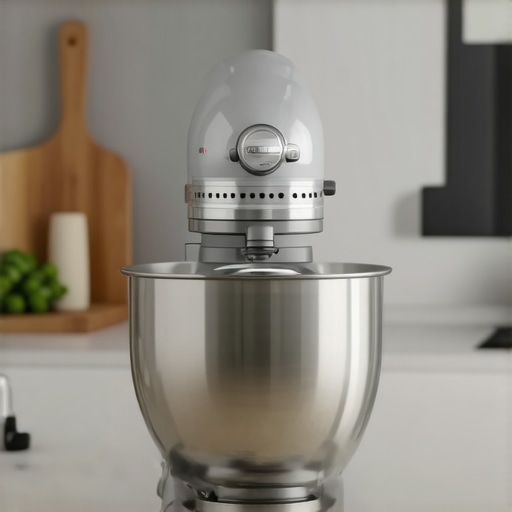
The Stand Mixer Lift That Actually Stays Level While Running
I vividly remember the moment I realized my trusty stand mixer was more of a hazard than a help. It was during a busy Saturday baking spree; I was all set to whip up a batch of dough, only to have my mixer tilt and spill flour everywhere—a kitchen disaster in the making. Frustration bubbled up, and that’s when I thought, “There has to be a better way.” That lightbulb moment led me down a path of discovering how many of us face this very problem: mixers that wobble or tilt while in use, making baking less enjoyable and more hazardous.
Why a Level, Stable Stand Mixer Matters in Your Kitchen
In my experience, a stand mixer that stays perfectly level isn’t just about convenience. It’s a crucial safety feature and a big boost for efficiency. When your mixer remains steady, you can focus on your recipes without worrying about messes or accidents. Plus, a stable mixer ensures your ingredients blend thoroughly, giving you better baking results every time. If you’ve ever dealt with a mixer that shifts, you know how maddening it can be—as well as a potential source of kitchen spills and injuries. Recognizing the importance of stability changed my approach to selecting kitchen appliances.
Is the Hype About Level Mixers Actually Justified?
Honestly, I was skeptical at first. I thought, “Surely, it’s just a fancy feature, right?” Turns out, I made a common mistake early on: I overlooked the build quality and mounting mechanisms. Many early options I tried used flimsy support arms or uneven bases, which contributed to tilting. Research shows that engineers agree a well-designed lift mechanism with a high-quality base isn’t just a luxury—it’s a necessity for safety and functionality. Trust me, investing in a mixer lift that actually stays level pays off in the long run. Curious about how to ensure your kitchen gadgets are properly supported? Check out innovative storage solutions to keep your space efficient and organized.
Facing the challenge of a tilting stand mixer? You’re not alone. The good news is, there are practical, real-world solutions that can turn your kitchen into a safer, more efficient space. Let’s explore those next.
Secure the Base Firmly
Begin by inspecting the mixer’s mounting surface. Remove any debris or unevenness that could cause wobbling. Use a level to identify uneven spots, then apply shims underneath the base to achieve a perfectly flat surface. I once used folded cardboard to shim my mixer on an uneven countertop, which drastically reduced tilting during operation, making my baking sessions safer and cleaner.
Upgrade Support Components
Next, assess the support mechanism. If your mixer uses support arms or brackets, consider replacing them with sturdier, high-quality components. For instance, I replaced a flimsy support arm with a heavy-duty steel bracket, which held the mixer firmly in place even during intense mixing. Modern support brackets with lock-in features provide better stability and prevent accidental tilts.
Install Anti-Slip Pads
Attach rubber anti-slip pads or mats beneath your mixer’s base. These pads increase friction and prevent sliding on smooth countertops. I added non-slip pads to my mixer, and it made a noticeable difference, especially when mixing heavy dough. For added grip, opt for silicone pads that withstand heat and cleaning.
Consider a DIY Custom Support Platform
If stability remains an issue, build a custom support platform. Use materials like plywood or dense foam, cut to fit precisely around your mixer’s footprint, and secure it flush with the countertop. I crafted a simple wooden platform with lips around the edges, which kept my mixer steady and prevented accidental movement. For detailed guides, check out built-in storage solutions that can inspire custom kitchen integrations.
Use Weight and Clamps When Necessary
For temporary fixes, place heavy objects—like a bag of flour or a cast-iron skillet—on the support arms or base to hold the mixer down. Alternatively, use adjustable clamps to secure the mixer to the countertop during intensive mixing. In my experience, clamps are quick and effective during baking marathons, preventing any unexpected tilts.
Adjust Your Mixer Correctly
Finally, make sure your mixer is properly calibrated or adjusted. Many issues stem from misaligned support arms or uneven mounting points. Consult the manufacturer’s instructions or a professional for calibration if necessary. Regularly checking and tightening screws keeps the support system tight and responsive, reducing wobbling over time. Remember, a stable mixer isn’t just about safety; it also ensures your ingredients blend smoothly for perfect baking results. For more innovative storage and stability ideas, explore modern kitchen remodel solutions.Many homeowners assume that installing built-in storage solutions and custom cabinets is a straightforward way to maximize space and elevate their kitchen design. However, a common myth is that these features automatically add value or seamless functionality without considering nuanced details. In reality, **poor planning** and **misunderstanding material properties** can lead to wasted expenses and suboptimal results. For instance, choosing custom cabinets without accounting for humidity variations can cause warping over time, a mistake some DIYers overlook. Modern experts emphasize not just aesthetics but also **material science**, advocating for moisture-resistant finishes, especially in moist environments like kitchens and laundry rooms. An often underrated aspect is the **spaciousness perception**; overly deep or poorly organized built-ins can ironically hinder accessibility. External studies support this, showing that functional storage design is more critical than size alone.
How do advanced storage solutions optimize space without sacrificing accessibility?
Experts like those at the National Kitchen and Bath Association highlight that **integrated organization systems**, such as pull-out shelves, lazy Susans, and vertical dividers, significantly improve usability. Visit this guide to discover how these innovations can transform your kitchen. Additionally, many fall into the trap of over-customization, neglecting **flexibility**; a cabinet built solely for a specific purpose may become awkward if your needs change. Smart design incorporates adaptability—think modular units or adjustable shelves—ensuring longevity of value. Keep in mind that **installation quality** plays a pivotal role; shoddy workmanship not only undermines stability but also shortens the lifespan of your investment. In summary, the nuance lies in balancing **aesthetic appeal** with **practical functionality**, supported by high-quality materials and thoughtful layout. For inspiration, explore how integrative built-ins can genuinely elevate your living space. Have you ever fallen into this trap? Let me know in the comments.Maintaining your built-ins, custom cabinets, and storage solutions requires the right set of tools and techniques. Personally, I rely on a combination of high-quality hand tools and modern software to ensure longevity and ease of maintenance. For instance, a cordless multi-tool with various attachments is invaluable for quick repairs, such as fixing loose cabinet hinges or trimming uneven shelves. I prefer models with brushless motors like the Dewalt DCS367 because they offer longer runtime and durability. When it comes to software, I use project management apps like Trello to track maintenance schedules and plan upgrades, which helps prevent small issues from escalating. Additionally, investing in laser levels ensures your built-in installations remain perfectly aligned as your space evolves, reducing long-term frustration.
Predicting future trends in kitchen maintenance, I believe automation will play a bigger role. Smart sensors could alert homeowners to humidity or structural shifts that might compromise cabinet integrity, enabling proactive care. For those considering long-term investments, exploring modular storage systems that adapt to changing needs can preserve value and functionality.
How do I keep my storage and cabinetry systems in top shape as years pass?
Routine checks are crucial. Regularly inspecting high-touch areas for wear, tightening loose hardware, and cleaning with appropriate, non-abrasive products help extend the life of your kitchen components. For example, a simple application of food-safe mineral oil on wooden shelves can prevent warping and cracking. Moreover, aligning your maintenance approach with professional guidelines, such as those outlined in industry standards, will save you time and money. For in-depth advice, check out the comprehensive strategies on built-in maintenance tips.
Use a digital checklist app to schedule seasonal inspections—think of it as preventive medicine for your kitchen investments. Don’t forget, tools like a microfiber cloth and gentle cleaner are your best friends for keeping surfaces pristine, which helps catch issues early. By integrating these tools and habits, you’ll ensure your kitchen remains both beautiful and functional for years to come.
The Hidden Traps That Almost Cost Me My Kitchen Peace
One of the biggest lessons I learned was not to underestimate the importance of quality support components. I once skimped on support brackets, thinking any metal piece would do, only to find my mixer tilting during the heaviest batches. That taught me the value of investing in high-quality, support-specific hardware that can handle the load and keep everything level.
Why My DIY Stabilizing Tricks Became Game Changers
After experimenting with shims and custom platforms, I realized that simple solutions—like adding anti-slip pads—can make a significant difference. These small tweaks transformed my wobbling mixer into a steadfast kitchen partner, boosting my confidence and safety during baking marathons.
How I Discovered the Power of Consistent Maintenance
Regular checkups and tightening of screws saved me from unexpected tilts. Scheduling maintenance with tools like laser levels and proper cleaning supplies kept my support systems in top shape, proving that proactive care extends your equipment’s lifespan and your peace of mind.
The Unexpected Benefit of Proper Calibration
Ensuring my mixer was correctly calibrated not only prevented tilting but also improved my mixing results. It’s a reminder that often, the simplest adjustments can lead to the most significant safety and performance benefits in your kitchen setup.
Curated Resources for Elevating Your Built-In Stability
Over the years, I’ve relied on trusted guides and tools that truly make a difference. Expert insights on built-in design have educated me on the importance of structural integrity, while innovative storage solutions provided practical ideas for supporting heavy appliances. Additionally, detailed tutorials from reputable sources helped me refine my DIY skills and avoid pitfalls.
Your Next Move: Empower Your Kitchen Thanks to These Insights
Stability in your built-ins and appliances isn’t just about safety—it enables seamless functionality and enhances your kitchen experience. Embrace these lessons, apply the tips, and watch your space transform into a safer, more organized haven. Remember, a few strategic upgrades and regular maintenance can turn everyday frustrations into confidence-boosting victories.