Why Inset Cabinet Doors Cost More but Reclaim More Space
Have you ever felt that sinking frustration when opening your kitchen cabinets, only to be met with a tight squeeze or a door that refuses to close properly? I remember the lightbulb moment in my own renovation—struggling with standard cabinets that looked fine but wasted precious space and caused constant hassle. It wasn’t until I discovered inset cabinet doors that I realized there was a better way. These doors, while more expensive initially, offer the promise of a sleeker look and smarter storage, transforming how you experience your kitchen every day.
Reclaim Your Space with a Smarter Design
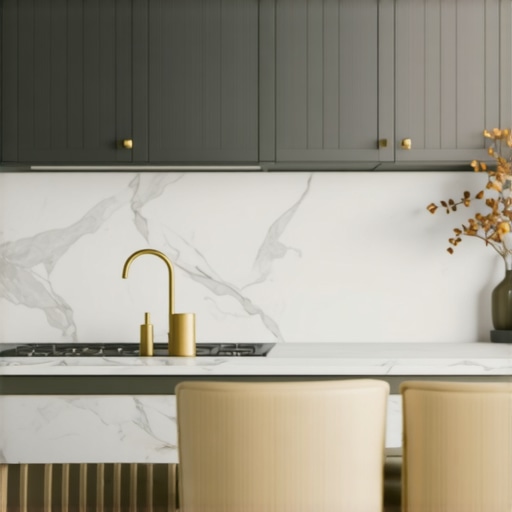
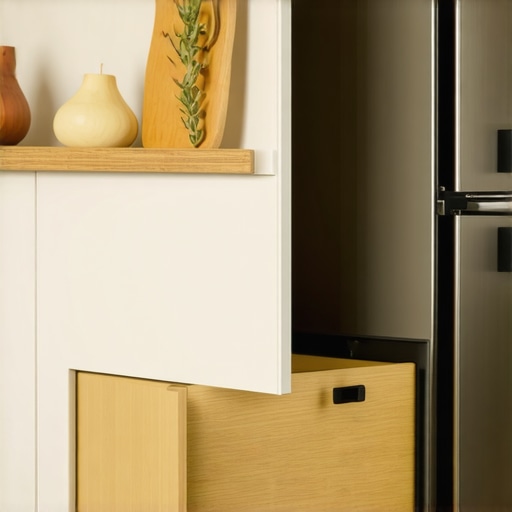
So, why do inset cabinet doors come with a higher price tag? And is it worth the investment? As someone who has been down this road, I can tell you that the initial cost can seem daunting. But here’s the truth: inset doors sit flush with the cabinet frame, eliminating the bulky overlay and giving you a cleaner, more seamless appearance. This design not only elevates your home’s style but also allows for more efficient use of space, especially in tight kitchens where every inch counts. When I incorporated inset doors into my own remodel, I noticed a significant difference—they helped my cabinets feel more open and accessible, making even small spaces feel larger.
Question: Is the Space-Saving Advantage Enough to Justify the Cost?
It’s common for folks to ask, “Are inset cabinet doors really worth the extra money?” Early in my project, I made the mistake of choosing cheaper, overlay cabinets without considering the long-term benefits. That decision led to doors that didn’t align perfectly, creaked, or rubbed against each other—frustrations that only compounded over time. The lesson? Investing in inset doors pays off in the form of precision fit and increased functionality. Plus, they enable you to add custom features like soft-close hinges or hidden storage compartments, which can be game-changers. If you want to see how custom cabinets can truly transform your space, check out this inspiring gallery.
Start with Precise Measurements and Planning
My first experience renovating involved a messy, overly ambitious measuring day. I laid out cardboard templates on the floor, mimicking potential cabinet placements. Precise measurements are crucial; use a high-quality tape measure, and double-check every dimension, including wall angles and existing appliances. Consider the space for appliances, door swings, and walkways. For inspiration on customizing your design, explore this comprehensive guide.
Choose the Right Materials and Hardware
After drafting my plan, I focused on materials. Plywood with veneer faces provides durability and a refined look, much better than particle board for high-moisture zones, as discussed in this article. Hardware is equally important; brushed nickel or oil-rubbed bronze finishes resist fingerprints and tarnish over time. Remember, the hardware choice influences both aesthetics and functionality—consider soft-close hinges or magnetic latches to enhance usability. To pick the best storage solutions, see this expert advice.
Build Your Custom Cabinets or Buy Pre-Made Components
I embarked on building my own units, which involved cutting and assembling with precision, akin to assembling a complex jigsaw puzzle. Use a good quality 3D CAD program to visualize your design, and consider hiring a professional for intricate joinery or personalized touches. For complete ideas on custom designs, browse this gallery.
Install with Attention to Detail
During installation, I used shims to ensure perfect square and level cabinets, preventing future misalignments. Secure cabinets to studs using heavy-duty fasteners, especially in areas like the kitchen where weight support matters. If your wall is uneven, scribing filler strips, as explained in this guide, helps achieve a seamless look. Anchor the cabinets thoughtfully to avoid sway or creaking over time.
Integrate Built-Ins and Creative Storage Tough
To maximize space, I added built-in features like a pull-out spice rack adjacent to the stove, inspired by this article. Custom interior organizers, such as vertical dividers or deep drawers, make daily use more efficient. Think of built-in storage as the backbone of your system; they hide clutter and streamline workflows. For innovative ideas, look into this resource.
Finish and Protect Your Investment
Once assembled and installed, applying a durable finish is key. Water-based lacquers or low-VOC finishes preserve the wood and resist wear. Be meticulous—sanding between coats and verifying every joint is sealed prevents future damage. Stained oak, for example, benefits from a UV-resistant clear coat, as detailed in this post. Proper finishing not only enhances appearance but extends the life of your cabinets.
When it comes to designing a perfect kitchen with custom cabinets and built-ins, many homeowners operate under a set of assumptions that can hinder the final result. Let’s dig deeper into some underrated nuances that often get overlooked, and why understanding them can elevate your renovation project. For instance, a common myth is that choosing the most expensive materials guarantees better durability. In reality, selecting the right veneer or plywood with proper grain orientation matters more than cost. Additionally, the misconception that all built-in storage solutions are universally effective ignores the importance of tailored designs that fit specific spaces and workflows. An oversight here can lead to clutter or inefficient access, defeating the purpose of custom work. One often overlooked nuance is that seemingly minor details, like the placement of soffits or crown molding, can greatly influence the visual flow and accessibility of your cabinetry. A common mistake is assuming that standard hardware will serve all purposes; however, advanced hardware like soft-close dampers or hidden hinges can transform usability and user experience. You might wonder, ‘How do I know if my storage solutions are truly optimized for my needs?’ The answer is to analyze your daily routines and select adjustable, modular systems that can evolve with your lifestyle. According to industry studies, planning for flexibility in storage has a direct impact on user satisfaction and long-term functionality. Don’t forget, achieving a seamless integration between existing architecture and custom elements requires precise measurements and a deep understanding of your space’s quirks. Overlooking wall angles or uneven flooring can cause gaps or misalignments—problems that are hard to fix later. If you want to avoid these pitfalls, consult resources like this expert guide for insights into advanced planning. So, are you ready to challenge the myths and pitfalls surrounding your kitchen remodel? Have you ever fallen into this trap? Let me know in the comments.
Tools that Make Maintenance Easier
For maintaining your custom kitchen elements over time, having the right tools is essential. I personally swear by a high-grade microfiber duster to prevent dust buildup in hard-to-reach spots—this simple tool keeps surfaces clean without scratching delicate finishes. For deeper cleaning, I use a soft-bristled brush attachment on my cordless vacuum, which effortlessly removes debris from crevices and joints. An infrared thermometer also helps monitor cabinet temperature, ensuring finishes aren’t exposed to extreme heat that could cause warping over the years. Investing in quality tools not only extends the life of your cabinetry but also makes routine maintenance less of a chore.
Software and Methods for Long-Term Results
Keeping your custom cabinets looking pristine involves more than just tools. I rely heavily on design and maintenance software like SketchUp for visualizing any modifications and planning future upgrades. Regularly scheduling inspections in my digital calendar ensures that hinge adjustments, tightening of screws, and sealant reapplies are not overlooked. For example, silicone-based sealants are perfect for resisting moisture in built-ins, especially in humid environments. Using these methods systematically helps catch issues early—saves money, and preserves your investment for years to come.
How do I maintain my cabinetry and built-ins over time?
Maintaining your cabinetry and built-ins requires patience, a strategic approach, and the right products. It’s recommended to check for loose hardware every few months, which prevents bigger structural problems down the line. Additionally, I suggest applying a protective finish like a mineral oil-based sealer annually to preserve wood’s natural beauty and resist moisture. For intricate joints and concealed areas, a flexible lubricant like silicone spray can keep hinges and slides operating smoothly—reducing wear and tear. Remember, consistent care dramatically prolongs the appearance and functionality of your customized features, and with proper tools and methods, it’s easier than you might think. For detailed guidance on durable finishes and proprietary sealants, explore this comprehensive article.
Scaling and Adjusting as Your Space Changes
As your lifestyle evolves, your storage needs may shift. Modern methods like installing adjustable shelving tracks and modular dividers allow you to reconfigure storage on the fly. I recommend investing in systems that can be easily modified—this way, you avoid replacing entire units down the line. When scaling your cabinetry, measuring software can help visualize potential changes before committing. Also, implementing smart accessories such as pull-out trays or hidden compartments can adapt to new organizational demands. This proactive approach not only maintains the current aesthetic but ensures your solutions grow alongside your home’s future needs.
Which trending tools will shape cabinetry maintenance in the future?
Emerging developments like IoT-connected hardware are starting to influence long-term care strategies. Smart hinges that monitor wear and send alerts for adjustments, or app-controlled climate sensors that maintain optimal humidity levels, are on the horizon. As technology evolves, integrating these features will make keeping your custom cabinets and built-ins in excellent condition more seamless and preventative—saving your time and expense. The trend points toward smarter, self-monitoring cabinetry systems, and I encourage homeowners to consider these innovations for an even more efficient remodel. Want to stay ahead? Try incorporating sensor-based lubricants or software-based maintenance alerts for your next upgrade—these small steps yield substantial long-term benefits.
Lessons That Changed My Kitchen Journey Forever
- Size Matters More Than Cost: I once believed that skimping on materials saved money, but I learned that accurate sizing and quality components lead to smooth operation and lasting beauty. Skipping detailed measurements is a common pitfall—trust me, transparency in planning saves headaches later. For comprehensive design strategies, explore this ultimate guide.
- Hardware Is the Unsung Hero: Installing quality soft-close hinges and durable pulls transformed my cabinets from ordinary to elegant. Affordable hardware might seem attractive initially, but investing in hardware that resists wear extends lifespan and enhances user delight. To pick the best options, consider these expert tips.
- Precision Is a Process, Not a One-Time Step: I discovered that meticulous installation, like ensuring perfect leveling and careful scribing to uneven walls, dramatically elevates the overall look. Small details combined create that seamless, high-end finish. For trusted techniques, see this in-depth resource.
- Function Fuels Creativity: Incorporating concealed storage, smart pull-outs, and adjustable shelves made my kitchen more efficient. Thinking beyond standard layouts—like adding hidden spice racks or vertical dividers—maximizes space and usability. Find innovative ideas in this inspiring collection.
- Maintenance Is a Mindset: Routine checks and using the correct tools, from microfiber dusters to silicone lubricants, prolongs cabinet life significantly. Small, regular efforts—like sealing seams or tightening hardware—pay dividends over years. For comprehensive maintenance strategies, visit this detailed guide.
Where Ideas Meet Action: Elevate Your Space
Remember, the journey to a functional and beautiful kitchen is as much about thoughtful planning as it is about executing with care. The magic is in the details—precise measurements, quality hardware, innovative storage, and diligent maintenance. Embrace these lessons, and your custom cabinets and built-ins will serve as timeless features that truly reflect your lifestyle and style. Ready to take the next step? Dive into these design ideas for inspiration, and start transforming your space today. What’s one small change you’re excited to try in your kitchen remodel? Share your thoughts below!