Why Deep Drawers Are Replacing Lower Cabinets in New Kitchens
It was a morning like any other in my bustling kitchen—except this time, I accidentally knocked over a stack of pots and pans because I couldn’t find what I needed quick enough. Frustration bubbled up as I realized that my traditional lower cabinets, no matter how well-designed, just weren’t cutting it anymore. That lightbulb moment hit me hard: why am I still relying on these shallow, awkward spaces when deeper drawers are making life so much easier?
The Hidden Benefits That Make Deep Drawers a Kitchen Revolution
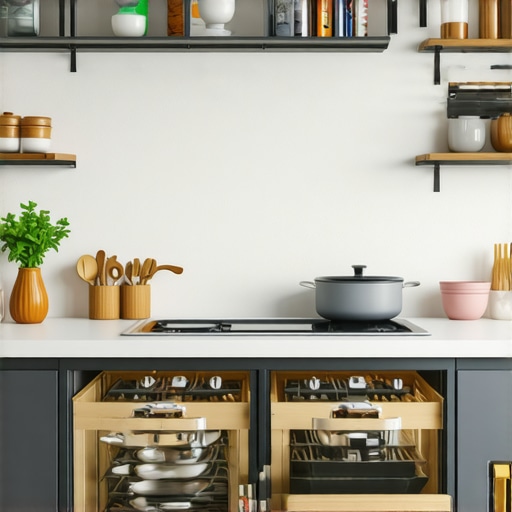
In recent years, I’ve watched as deep drawers have quietly taken over modern kitchens, replacing the old-school lower cabinets. At first, I was skeptical—comfort zones die hard, especially when it comes to kitchen storage. But after a few remodels and a lot of trial and error, I discovered that deep drawers aren’t just a trendy upgrade—they’re a practical, user-friendly storage solution. They allow you to see everything at once, save time, and eliminate the sideways shuffle of rummaging through cluttered cabinets.
If you’ve ever faced the frustration of desperately digging for that one elusive pot lid or trying to squeeze a bulky mixer into a shallow space, you’ll understand why I’m such a fan. And it’s not just my opinion; a recent study by the National Kitchen & Bath Association highlights how homeowners increasingly favor drawers over traditional cabinets for enhancing accessibility and organization.
But hold on—before you rush out to replace your cabinetry, let’s talk about the potential concerns. Is this trend really worth the investment, or is it just another fad to be wary of? I’ll walk you through the benefits, share some common pitfalls I encountered, and help you make an informed choice that suits your unique kitchen needs.
Are you tired of items getting lost in the depths of your lower cabinets? Do you dread the chaos that ensues every time you need a particular pot or pan? If so, stick around—I’ll guide you through everything you need to know about transitioning to deep drawers and why they might just be the best change you make in your remodel.
Assess Your Space and Define Your Goals
Start by measuring your current cabinets and noting which items you use most often. For example, I recently measured my existing drawers and realized I was constantly rummaging through cluttered spaces. Listing essential items such as pots, pans, and utensils helped me visualize areas needing improvement. Sketch a rough layout to see how deep drawers can optimize accessibility and organization. This initial assessment serves as a foundation for designing a tailored storage plan aligned with your kitchen’s dimensions and your lifestyle.
Design Your Custom Deep Drawers
Next, move to the design phase. Collaborate with a professional or use online 3D planning tools to visualize the new layout. Think of your drawers as giant storage bins—give them appropriate depths (generally 6-12 inches deep) to fit large items comfortably. Incorporate features like dividers and separate compartments to avoid vertical clutter, similar to how I used a baking sheet divider to stop my sheets from tumbling over each other. Be sure to account for clearance space to open drawers fully. Learn more about custom cabinet design.
Choose Quality Materials and Hardware
Select durable materials such as high-quality plywood or hardwood for the drawers, ensuring longevity under daily use. Opt for full-extension slides to maximize accessibility, particularly for deep storage. I replaced my old, rusty slides with smooth-gliding, heavy-duty options—a move that significantly improved my experience when retrieving bulky pots. Hardware finishes like brushed nickel or matte black resist fingerprints and wear better over time. For detailed hardware selection tips, check out expert advice on hardware.
Prepare and Modify Cabinets for Deep Drawers
Remove existing cabinets carefully, labeling parts to ensure correct reassembly. Use a reciprocating saw to cut the bottom panel if your current setup doesn’t support deep drawers—think of it as resizing a compartment to fit your new, larger storage bins. Reinforce the cabinet sides with additional brackets if necessary to handle the weight of heavy cookware. Be meticulous to avoid splintering or misalignments; I learned this the hard way when my first cut was uneven, causing the drawer to stick. For reinforcement techniques, consult reinforcement tips.
Install Deep Drawers and Hardware
Position your drawers carefully within the modified cabinet openings, aligning slides and ensuring smooth operation. Adjust the slides for proper clearance to prevent rubbing. Use a level to keep everything perfectly horizontal and a drill to secure the slides firmly. I once forgot to tighten all screws, leading to a wobbly drawer; testing the operation multiple times helped me identify and correct the issue. Attach handles or pulls, matching your preferred hardware finish for style and function. For detailed installation guidance, see installation techniques.
Organize and Fine-Tune Your Storage System
Fill your new deep drawers with the items identified during your initial assessment. Use adjustable dividers or stackables to maximize vertical space, akin to stacking baking sheets with a vertical divider to prevent piles of clutter. Label zones for quick access—pots on one side, utensils on another. Regularly reassess your setup to optimize space; I found that rotating items seasonally kept my kitchen efficient. For more organization ideas, visit smart storage strategies.
While many assume that choosing custom cabinets or built-ins automatically guarantees perfect functionality and style, the reality is more nuanced. One widespread myth is that all custom cabinets are inherently superior in quality and durability; however, without proper craftsmanship and material selection, even tailor-made solutions can fall short. For example, opting for less quality plywood or cutting corners during installation can lead to sagging shelves or misaligned doors over time, undermining your investment. Additionally, some believe that more storage space always translates to better organization, but overcrowded cabinets can cause clutter and inefficiency. Effective storage design requires thoughtful zoning, accessible placement, and understanding the nuances of your kitchen workflow. It’s crucial to recognize that the success of a remodel hinges not just on the size of storage but on strategic planning and execution. A common oversight is neglecting the importance of ventilation and moisture control within cabinetry, especially in high-humidity zones like near sinks or dishwashers. Improper sealing or material choice here can lead to warping, mold, or deterioration over time. Expert insight reminds us that integrating built-ins seamlessly with existing architectural elements enhances both form and function, rather than merely filling space with standard solutions. Incorporating innovative storage ideas—like hidden compartments, lazy Susans, or toe-kick drawers—can dramatically improve usability but often gets overlooked in the planning phase. Be wary of the trap of choosing aesthetically pleasing designs at the expense of practical functionality; a beautiful cabinet that isn’t accessible or user-friendly defeats its purpose. Advanced users should consider the importance of load-bearing capacity and hardware quality, especially when dealing with heavy cookware or appliance integration. The wrong choice here can cause hardware failure, damaging both cabinetry and user confidence. Studies indicate that adaptive, flexible storage solutions tailored to individual habits yield the best long-term satisfaction, emphasizing that one-size-fits-all approaches rarely serve well in complex kitchen environments. For those looking to enhance their kitchen’s performance, exploring custom solutions like elevating appliances or integrating multi-purpose furniture can be game-changers. Remember, the key is balancing aesthetics with usability — a skill refined through understanding these nuanced points. Want to get more expert advice on designing truly tailored storage? Visit this comprehensive guide. Have you ever fallen into this trap? Let me know in the comments.Maintaining your custom cabinets and smart storage solutions over time is crucial to ensure they stay functional and beautiful. One of my favorite tools for routine care is a microfiber cloth paired with a gentle, pH-balanced cleaner—this combination effectively removes dust and fingerprints without damaging delicate finishes. For stubborn grime, I rely on a soft-bristled toothbrush to clean hardware crevices, preventing buildup that can affect hardware longevity. When it comes to lubricating drawer slides and hinges, I prefer silicone-based sprays because they offer long-lasting smooth operation without attracting dust or grime. Regularly inspecting these components helps catch issues early before they escalate into costly repairs. For example, I check and tighten screws on pulls and hinges quarterly, which minimizes wobbling and ensures consistent performance. Maintaining the ventilation of your cabinetry, especially near moisture-prone areas, is also vital. Installing a small, quiet exhaust fan or using dehumidifiers can significantly extend the life of wooden components and prevent warping or mold growth. Tools like a digital moisture meter can help monitor dryness levels within cabinets, guiding timely intervention. Moving forward, I predict that the integration of smart maintenance sensors—such as those that alert you when humidity exceeds a certain threshold—will become commonplace in high-end kitchens, offering proactive care. To keep your system functioning seamlessly, adhere to manufacturer recommendations, and schedule annual professional checkups, especially if your setup includes intricate built-in features.
How do I maintain my custom storage solutions as they age?
One of the most effective practices I recommend is setting a routine maintenance schedule that includes cleaning hardware, lubricating moving parts, and inspecting for moisture or structural integrity. This proactive approach prevents minor issues from escalating into major repairs, saving you money and frustration. For detailed guidance on maintaining your kitchen’s built-ins and ensuring they last, visit this resource. Remember, a little regular upkeep goes a long way in preserving the beauty and functionality of your investment. If you haven’t already, try implementing a monthly check of your drawer slides and hinges—simple steps that significantly extend their lifespan and keep your kitchen operating smoothly for years to come.
Lessons That Changed How I Approach Kitchen Storage
- Initially, I underestimated the importance of full extension drawer slides; upgrading to quality hardware made a huge difference in accessibility and safety, teaching me that investing in durable components pays off in the long run.
- My biggest lightbulb moment was realizing that deep drawers aren’t just for storage—they are about rethinking your entire workflow, emphasizing how organization directly influences daily ease and kitchen joy.
- Designing with flexibility in mind, like adjustable dividers and modular inserts, allowed me to adapt my storage as my needs changed, reminding me that good design should evolve with your lifestyle.
- I learned the hard way that neglecting proper reinforcement during custom installations can lead to sagging or misalignment over time; reinforcement isn’t just an extra step—it’s essential for longevity.
- Choosing the right finish and hardware helps maintain aesthetic appeal, but understanding maintenance routines ensures your investment stays pristine, reinforcing that care extends your cabinets’ lifespan.
My Playbook for Smarter Kitchen Solutions
- Silence is Golden: Using soft-close hardware not only reduces noise but also extends cabinet life—trust me, it’s a small upgrade with a big impact.
- Minimalism Matters: Keeping organizer dividers adjustable helped me prevent clutter and made cleanup effortless—embracing simplicity keeps the kitchen inviting.
- Explore Custom Options: Investing in tailor-made solutions like toe-kick drawers and hidden compartments transformed wasted space into practical storage, proving that thoughtful designs deliver more than just beauty.
- Stay Informed: Regularly visiting authoritative sources like this guide helps refine my choices, ensuring my kitchen remains functional and inspiring.
Seize the Moment and Elevate Your Space
Embarking on a kitchen remodel with innovative storage solutions like deep drawers isn’t just about aesthetics; it’s about creating a space that works seamlessly for you. Trust the insights gained from my journey and the expert resources available—your dream kitchen is within reach. Small steps today lay the foundation for a more organized, joyful cooking experience tomorrow. Are you ready to rethink your kitchen storage and embrace change? Share your thoughts below and let’s start a conversation about turning your kitchen into a truly functional haven.