How to Fix a Sagging Shelf Without Replacing the Whole Cabinet
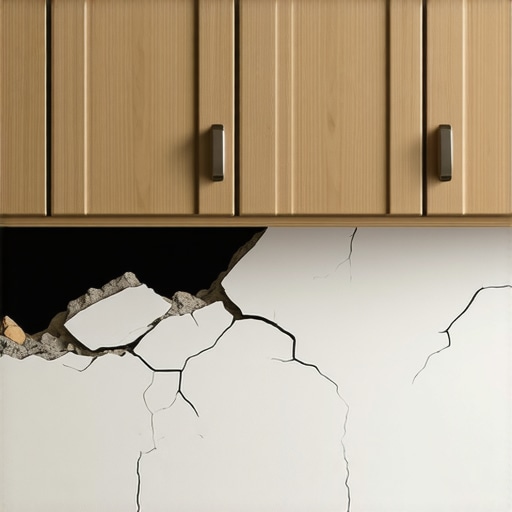
One morning, as I reached for a mug on my kitchen shelf, I heard that dreaded creak. Suddenly, the entire shelf tilted forward, and a cascade of cookbooks and spice jars tumbled down. Frustration and a bit of panic set in—my first instinct was to think I needed a new cabinet or a complete overhaul. But after a bit of research and some hands-on tinkering, I realized there’s a quicker, smarter way to restore those sagging shelves without tearing everything out.
Why Fixing a Sagging Shelf Matters More Than You Think
Suspecting that your shelf might give way or look uneven can be more than a minor annoyance. Over time, sagging shelves can compromise the integrity of your storage, making it harder to organize and risking further damage. Plus, if you’re like me, you want a resilient, functional kitchen that doesn’t require constant fixes or costly replacements. Addressing sagging shelves promptly preserves your cabinetry’s lifespan, keeps your space looking sharp, and saves you a significant chunk of change. Interestingly, many homeowners overlook this issue, yet improper support can lead to cabinet failure—according to industry experts, poorly supported shelves are a leading cause of cabinet repair bills.
Is Repairing a Sagging Shelf Worth the Hassle?
Before you jump into fixing it yourself, I’ll admit I once made the mistake of assuming that all sagging meant I needed new shelves or cabinets. That assumption led me to replace shelves unnecessarily, which was both costly and time-consuming. It turns out, many problems are fixable with simple techniques. If you’re questioning whether a fix is worth it, trust me—most sagging shelves can be reinforced in less than an hour with the right support and some basic tools. Curious? Just keep reading, and I’ll walk you through the secrets of fixing those pesky sagging points, so you can enjoy a sturdy, well-organized space again.
Assess Your Shelf Support System
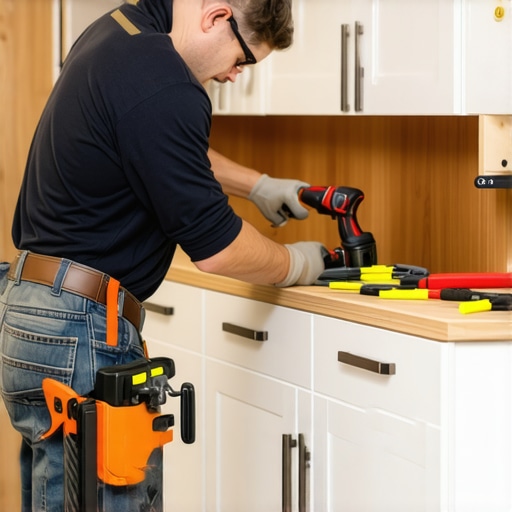
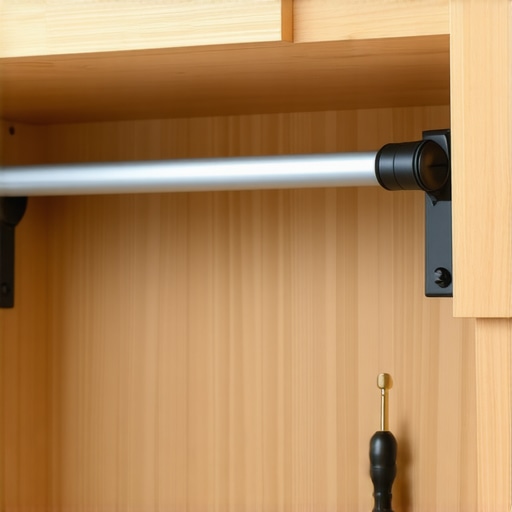
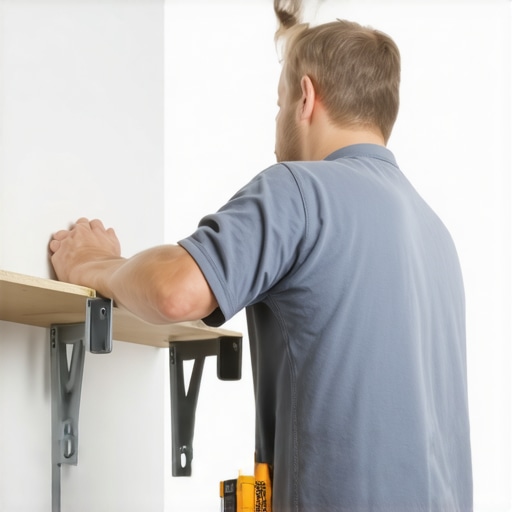
Start by removing items from the sagging shelf and inspecting its brackets or supports. Use a sturdy step ladder to get a clear view of the mounting points. If brackets are loose or damaged, tighten or replace them with heavy-duty options. During my last fix, I found a couple of rusted brackets that needed modern, corrosion-resistant replacements—making a noticeable difference in stability.
Detect Weak Points and Material Damage
Check for warping or gaps in the shelf boards. Wood can sag under weight or due to moisture. If the plank feels soft or swollen, consider replacing it with a moisture-resistant material, like plywood or MDF with a veneer finish. I once used a scrap piece from my garage that, after sealing, held up remarkably well against kitchen humidity.
Add Reinforcement Supports
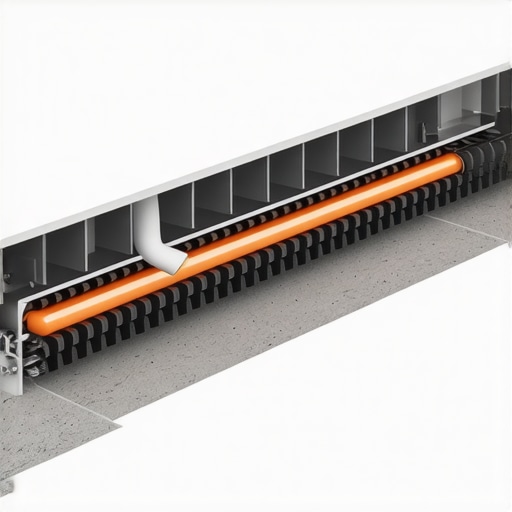
Install additional support ledgers or cleats beneath the shelf surface. Think of this as adding a backbone—similar to inserting a spine into a flexible blade. Measure the shelf length precisely, then cut a piece of 1×2 or 1×3 wood. Use a level to ensure perfect alignment before securing with screws into the wall studs. Precision here prevents future sagging. For wall mounting, always locate and drill into studs—consult your wall’s construction details or use a stud finder for accuracy.
Use Invisible Brackets or Cantilever Supports
For a clean, modern look, consider installing hidden brackets or cantilever supports inside the cabinetry. These can be anchored to the back wall or sides, distributing weight evenly. When I upgraded my kitchen, integrating these supports allowed me to maximize storage without compromising aesthetics. Explore more innovative storage ideas at this resource.
Distribute Weight Uniformly
Keep heavy items towards the back of the shelf or centrally aligned to balance weight distribution. Like stacking a load evenly in a backpack, uneven loads put stress on one support point, accelerating sagging. I organized my spice jars and canned goods to prevent overloading one side, which significantly extended the life of my shelves.
Regular Maintenance Prevents Future Sagging
Periodically check the support brackets and shelf surface for signs of stress. Tighten loose screws and replace deteriorated supports promptly. Implementing a maintenance schedule can prolong the lifespan of your shelving, similar to maintaining a vehicle engine. For more advanced storage integrations, see seamless built-in solutions.
In the world of kitchen remodels and storage solutions, many believe that bigger, more elaborate built-ins automatically translate to better organization. Yet, as an expert in cabinetry and remodeling, I can tell you that this misconception often leads homeowners astray. The truth is, not every custom solution is suitable for every space, and what seems innovative might actually diminish functionality if not properly executed.
Why More Isn’t Always Better in Storage Design
Common myths suggest that filling every nook and cranny with custom cabinetry maximizes value. However, over-customization might complicate maintenance and limit flexibility over time. For example, overly ornate built-ins can clash with existing décor or make future modifications difficult. It’s crucial to consider how a storage solution will adapt to your evolving needs—something I’ve seen many homeowners overlook, leading to costly renovations down the line. An insightful study from the National Kitchen and Bath Association highlights that homeowners often underestimate future storage needs when designing their initial layouts, resulting in ineffective space use.
Is It Smarter to Build Larger Cabinets or Focus on Smart Organization?
This is a question I frequently encounter. While larger, built-in cabinets seem appealing, they can be counterproductive if they don’t incorporate thoughtful organization systems. I advise clients to prioritize adjustable shelving and modular units that can be reconfigured, rather than large fixed cabinets that limit flexibility. Incorporating innovative solutions like hidden compartments or pull-out trays not only enhances usability but also avoids the trap of overbuilding. For expert recommendations on selecting storage solutions tailored to your space, check out this resource.
Another prevalent mistake is assuming that all built-ins are a one-size-fits-all fix. In reality, the best solutions are custom-tailored to fit the specifics of your kitchen’s dimensions, traffic patterns, and daily routines. For instance, incorporating a hidden spice drawer near the cooktop or a pull-out trash and recycling bin beneath the sink can dramatically improve workflow without cluttering the space. These nuanced details often escape the casual remodeler but make a significant difference in day-to-day functionality.
Beware the Overlooked Details That Make or Break Your Storage
Many underestimate the importance of precise measurements and proper support when installing built-ins—leading to sagging shelves or misaligned doors over time. Ensuring that your contractor uses high-quality hardware and supports—like metal brackets, cleats, or concealed hinges—can prevent these common pitfalls. Remember, a well-crafted cabinet or shelf isn’t just about aesthetics; it’s about enduring performance. As I have experienced firsthand, improper support is a leading cause of cabinet failure, despite attractive design features.
How Can Advanced Engineering Improve Your Cabinets?
From soft-close hardware to innovative hinge designs, technological advancements are transforming cabinetry efficiency and lifespan. Choosing systems with dampers or self-aligning hinges reduces wear and enhances user experience. Additionally, integrating smart features like power outlets within cabinets or voice-controlled lighting can elevate your kitchen’s functionality to new heights—making it more than just a pretty face. For insights into selecting advanced storage solutions, visit this detailed guide.
In conclusion, understanding the nuanced aspects of built-ins and custom cabinetry can save you from common pitfalls and ensure your investment pays off in both form and function. Don’t fall into the trap of assuming bigger is better; instead, focus on smart design, durability, and future flexibility. Have you ever fallen into this trap? Let me know in the comments.
Maintaining your kitchen storage and built-in cabinets isn’t a one-and-done task; it requires consistent care and the right tools to ensure longevity and optimal performance. Over recent years, I’ve refined my maintenance routine, relying on specialized equipment and software that make the process more efficient and less time-consuming. These tools not only help in keeping everything functioning smoothly but also prepare your cabinetry for future upgrades or scaling efforts.
The Essential Tools for Long-Term Kitchen Storage Success
One of my go-to tools is a digital stud finder with deep scanning capabilities, such as the Bosch Digital Multi-Scanner. It helps confirm the integrity of wall supports behind the cabinetry, especially when adding reinforcement supports or installing new fixtures. Using a high-precision laser level, like the DeWalt Cross Line Laser, ensures that shelves and supports are perfectly aligned, preventing future sagging or uneven surfaces. I no longer rely on bubble levels alone because laser lines offer accuracy within fractions of an inch, which is crucial for maintaining a level and sturdy storage system over time.
For cleaning and minor repairs, I recommend a set of microfiber cloths combined with a flexible plastic putty knife. The cloths are gentle yet effective in removing dust and grime from delicate finishes, while the putty knife helps in prying off loose hardware or scraping off old adhesives without damaging the veneer or paint.
How do I maintain my cabinetry over time?
My approach involves scheduling routine inspections every six months. During these visits, I check for loose screws, misaligned doors, or signs of moisture damage—particularly in areas prone to humidity fluctuations, such as near the sink or dishwashers. Tightening or replacing supports with high-quality, corrosion-resistant hardware like stainless steel brackets prevents sagging and supports long-term stability. Additionally, I regularly apply a cabinet-safe polish or protective finish, which creates a barrier against moisture and dust, prolonging your efforts between larger remodels.
The software I use to track maintenance tasks is a dedicated kitchen management app. It helps me schedule preventive tasks and keep a log of repairs, ensuring nothing gets overlooked. As technology advances, I predict that future solutions will incorporate AI-driven diagnostics—using sensors embedded in cabinets to alert homeowners of issues before they become serious problems.
Stay Ahead of the Curve with Smart Storage
Equipping your cabinets with smart sensors that monitor humidity, temperature, and support integrity can revolutionize maintenance routines. Think of it as having a health monitor for your kitchen storage—catching potential issues early and reducing the need for costly repairs. For example, integrating moisture sensors in high-risk areas can prevent mold or warping, extending the life of your cabinetry. This trend is likely to become standard practice in future remodels, blending craftsmanship with technology for superior longevity.
If you want to get a head start, try installing a simple moisture detector in your most vulnerable cabinetry. It’s an affordable, straightforward step that can save you significant time and money in the long run. For more advanced ideas, visit this resource for innovative strategies on integrating technology into your storage solutions.
By investing in the right tools and adopting a disciplined maintenance routine, you can keep your kitchen storage systems—and your entire remodel—performing beautifully for years to come. Regular checkups and smart upgrades not only preserve your investment but also set the stage for future scaling as your needs evolve. Don’t wait until a minor issue turns into a costly repair—start today by choosing the tools that make maintenance manageable.
3 Lessons That Changed How I Approach Kitchen Storage
- Overbuilt Isn’t Always Better: I used to believe that filling every space with custom cabinetry was the key to a perfect remodel. However, I realized that over-customization can lead to maintenance headaches and inflexibility. Now, I focus on versatile solutions that adapt over time.
- Support Matters More Than Looks: A beautiful cabinet is nothing if it doesn’t have proper support. Implementing high-quality reinforcements saved me from future sagging and costly repairs, making me appreciate engineering behind design.
- Routine Checks Save Money: Scheduling regular inspections and maintenance has prevented many issues before they became major problems. Embracing proactive care has greatly extended the life of my kitchen investments.
Tools and Resources That Transformed My Kitchen Projects
For anyone serious about optimizing kitchen storage and built-ins, I recommend a few tools and resources that truly make a difference. First, a digital stud finder ensures you anchor supports into solid wall structures, preventing sagging. A laser level helps achieve precision in alignment, saving time and effort. To keep track of maintenance schedules, I use a dedicated app recommended by industry experts, which helps me stay ahead of potential issues, extending the lifespan of my cabinetry. Lastly, exploring innovative storage ideas at this resource has inspired my latest design upgrades, blending style with function seamlessly.
Your Next Move Starts Now
Remember, mastering kitchen storage and custom cabinets isn’t just about fixing what’s broken—it’s about creating a space that works for your life. The more you learn and adapt, the more satisfying your remodel becomes. Don’t wait for an emergency to take action; small improvements today can yield long-term benefits tomorrow. Embrace the journey of smart, thoughtful upgrades, and enjoy a kitchen that truly reflects your needs and personality.
What’s one hidden storage solution you’re excited to try in your kitchen? Let me know below!
,