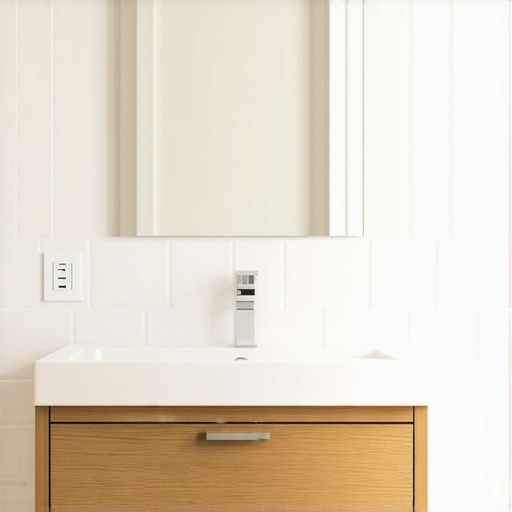
Why Rift-Sawn Oak is the Secret to Those High-End Minimalist Kitchens
I’ll never forget the moment I realized that the key to elevating my kitchen’s aesthetic wasn’t just about the latest trendy hardware or flashy countertops. It was in the wood. Specifically, in the distinctive grain and durability of rift-sawn oak. After years of battling with cabinets that looked good initially but quickly showed wear or felt disconnected from my minimalist vision, I stumbled upon this marvel of woodworking. And let me tell you, it was a game-changer.
The Lightbulb Moment: When I Discovered Rift-Sawn Oak
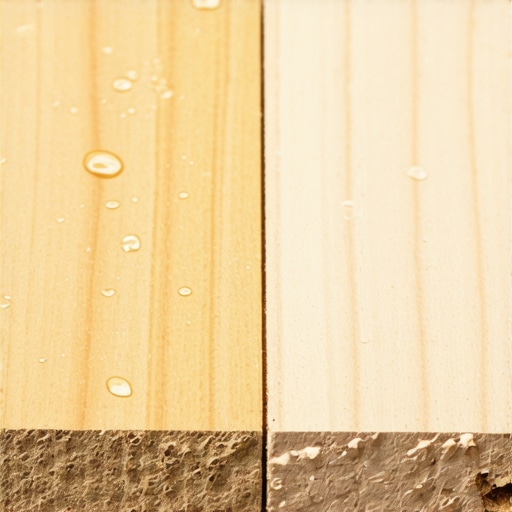
Designing a sleek, high-end kitchen requires attention to every detail—every line, every material choice, every finish. But I was often disappointed by the lack of consistency and warmth in the wood selections I encountered. That’s when I learned about rift-sawn oak’s unique grain pattern and how it creates a refined, uniform look that stands the test of time. It’s not just about aesthetics; this type of wood is notable for its increased stability and resistance to warping—crucial traits in a busy kitchen environment.
The realization hit me: my search for that perfect minimalist kitchen didn’t have to mean sacrificing quality or character. Rift-sawn oak provides a seamless, understated elegance that pairs beautifully with modern, minimalist design principles. It’s been hailed as a top choice among top-tier remodelers and interior designers for this very reason—its ability to elevate simple spaces into sophisticated living areas.
Why Does Rift-Sawn Oak Make Such a Difference?
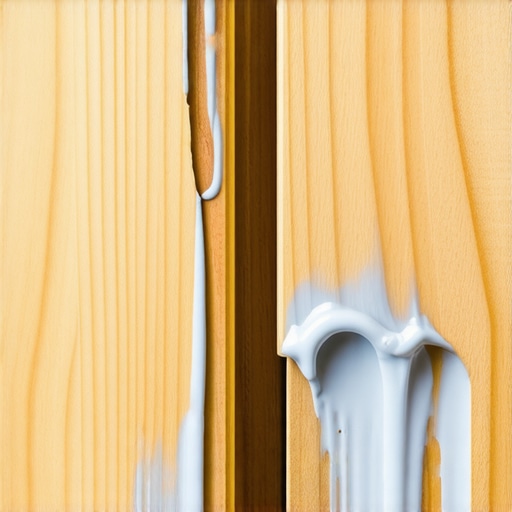
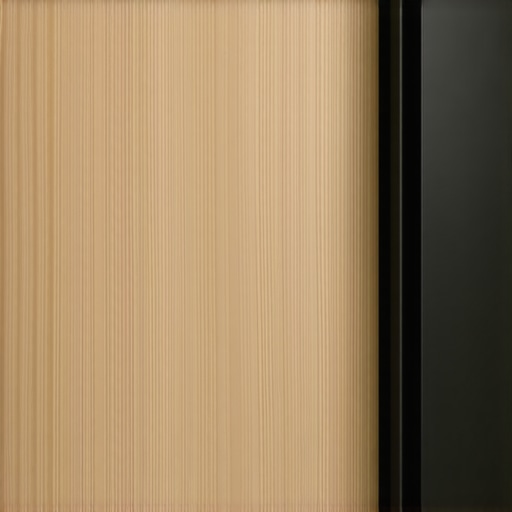
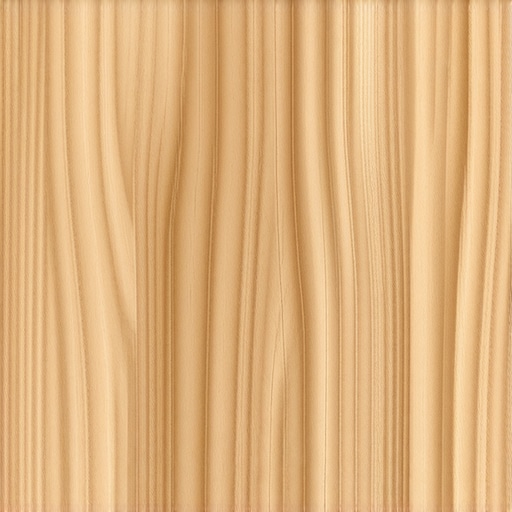
This type of cut offers a distinctive grain pattern that runs consistently along the length of the board, contributing to a more contemporary and cohesive look. Unlike plain-sawn oak, which can have wider graining and more variability, Rift-sawn creates a clean, uniform appearance that complements minimalist aesthetics without the clutter of ornate details. Plus, its durability means the finish stays pristine longer, maintaining that high-end appeal over the years.
If you’ve been feeling frustrated with your current kitchen remodel, wondering how to achieve that understated luxury that looks effortless yet feels premium, then you’re in the right place. I’ve made my fair share of mistakes early on—like choosing cheaper, poorly sourced woods or neglecting the importance of grain consistency. Trust me, ignoring these details is a recipe for disappointment, and I want to help you avoid that pitfall. For detailed insights on selecting the right materials, I recommend checking out custom cabinet ideas that truly transform space.
In the upcoming sections, I’ll walk you through why this particular wood choice can revolutionize your kitchen and how to incorporate it into your design seamlessly. Ready to discover the step-by-step process to achieve that high-end minimalist look with Rift-sawn oak? Let’s dive in!
Select the Perfect Rift-Sawn Oak Material
When choosing wood for your cabinets, opt for high-quality, well-sourced rift-sawn oak. Visit local lumberyards or trusted suppliers to see the grain patterns firsthand. I remember visiting a supplier and spending hours sorting through planks—selecting those with tight, consistent grains. This initial step ensures your cabinets will have that uniform, sleek appearance essential for a minimalist aesthetic.
Accurate Measuring and Planning
Before cutting plywood or the oak veneer, measure your kitchen space meticulously. Use a tape measure and a pencil to mark dimensions. I once rushed this step and ended up with a mismatch that required re-cutting, wasting time. Create a detailed blueprint, including areas for built-ins and storage solutions, referencing guides like storage ideas to optimize every inch.
Cutting and Preparing the Wood
Use a high-quality table saw set to precise measurements, and always wear safety gear. For my first project, I accidentally used dull blades, resulting in uneven cuts. After replacing the blade, I made sure to cut all panels slightly oversized and then sanded down for perfect fit. This attention to detail pays off during assembly, especially when matching the grain pattern.
Assembling Cabinets with Precision
Begin by assembling the cabinet boxes, using screws and wood glue for strength. When attaching the face frames, ensure they are perfectly flush by clamping and checking with a level. I learned this the hard way when my first set had crooked doors—clamps and jigs are your friends. Visit installation tips for insight on perfect alignment.
Incorporate Seamless Built-Ins and Storage
For integrated storage, plan for built-in features like pull-outs, spice racks, and hidden compartments. During my project, I used adjustable shelves and a concealed charging station, which added functionality without sacrificing style. Use built-in ideas as inspiration to maximize your space effectively.
Final Finishing Touches
Sand all surfaces smoothly, focusing on edges to avoid splinters and roughness. Apply a protective finish suitable for kitchen environments; water-based lacquers are ideal for their durability. I opted for a matte finish, which hides fingerprints better—an advantage in busy kitchens. Detailing hardware, like matte black pulls, enhances the minimalist character of the design.
Installation and Adjustments
Mount your cabinets securely to the wall using appropriate anchors for your wall type. Use shims to level each unit, especially on uneven flooring. During one installation, I discovered a slight wobble, so I placed shims under the base, then tightened everything for a sturdy finish. Test the doors and drawers for smooth operation, making minor adjustments as needed.
Achieving a sleek, durable minimalist kitchen with Rift-sawn oak cabinets is a precise process, but meticulous planning and execution lead to stunning results. Every step, from selecting the right wood to final adjustments, ensures your space radiates understated luxury and functionality.
 Many homeowners assume that choosing preset cabinetry or generic storage options will automatically create a sleek, functional kitchen, but this belief overlooks some critical nuances. The truth is, most people get wrong the importance of tailored design and nuanced detail, often leading to costly mistakes. For example, a widespread myth is that stock cabinets are sufficient for maximizing space and aesthetics, yet, in my experience, custom-built solutions often outperform them by a significant margin, especially for unique kitchen layouts. This is supported by insights from leading experts who emphasize the importance of bespoke designs for optimal functionality, as detailed in the comprehensive guide on transforming your kitchen with custom cabinets.
What Advanced Factors Do Many Overlook in Custom Kitchen Design?
One common oversight is underestimating the importance of considering door and drawer hardware ergonomics and material compatibility to prevent future wear or misalignment. For instance, choosing softer-close slides without considering the door weight or the specific cabinet box construction can lead to premature failure. Additionally, many fail to recognize that internal storage configurations—like vertical dividers or pull-out spice racks—must be carefully planned to match the homeowner’s habits, which can make or break overall usability. Visiting a site like innovative storage solutions can provide valuable insights into avoiding these pitfalls.
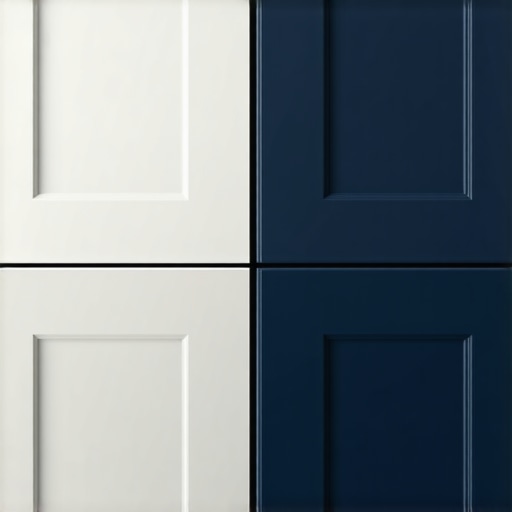
Another nuance is understanding the true cost-benefit balance of inset vs. overlay cabinets. While inset doors are often touted for a minimalist look, they demand high precision during manufacturing and installation, leading to higher costs. Without proper planning, this can cause delays and unexpected expenses, especially if misalignments occur. Experts recommend thorough pre-installation assessments, and for those interested, the article on when inset cabinets are worth the investment offers detailed guidance.
Common myths also include the belief that more storage always equals better functionality. Truthfully, overstuffed cabinets can hinder access and usability. Instead, smart design focusing on optimizing each square inch—like installing false drawers or tiered shelving—ensures the space remains accessible and tidy. This is where understanding advanced storage hacks can really elevate your remodel, which you can explore further in seamless built-in storage ideas.
Ultimately, the key lies in attention to detail and planning for the future. Avoid shortcuts that neglect material quality, precise measurements, and ergonomic considerations. For detailed insights on perfecting your custom cabinet project, check out matching built-ins seamlessly. Remember, the success of your kitchen remodel hinges on recognizing these subtleties.
Have you ever fallen into this trap? Let me know in the comments.
Maintaining your custom kitchen cabinets and storage solutions is essential to ensure their longevity and flawless performance over the years. From selecting the right cleaning tools to understanding advanced maintenance techniques, staying proactive saves time and money. One crucial aspect is using specialized equipment, such as ultra-soft microfiber cloths for daily dusting, which prevents scratches and preserves finishes. I personally prefer a set of high-quality microfiber cloths from brands like The Rag Company, as they trap dust without abrasive fibers that could damage delicate surfaces.
What Tools Help Keep Your Cabinets Spotless
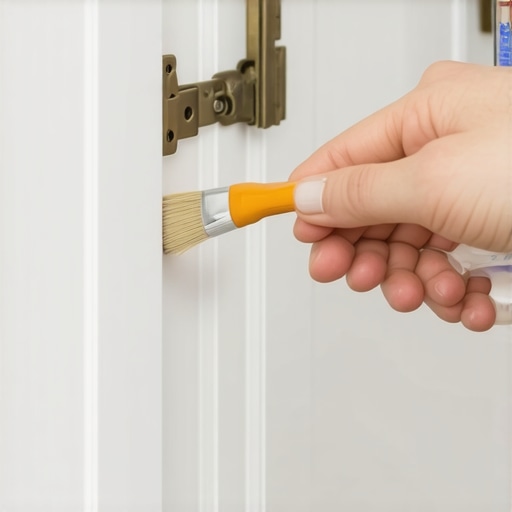
Investing in the right tools is a game-changer. For example, a can of compressed air is invaluable for reaching into tight corners and removing debris from hinges and hardware without disassembly. I regularly use a small, high-pressure air canister to blow out dust from concealed areas, preventing buildup that accelerates wear. Additionally, a soft-bristled detail brush can help maintain intricate moldings or decorative elements, keeping them looking fresh and defining your minimalist aesthetic.
For routine cleaning, I rely on a gentle pH-neutral cleaner specifically formulated for wood finishes, such as those from brand XYZ. Avoid harsh chemicals that can strip finishes or cause discoloration. After cleaning, apply a protective wax or polish recommended for kitchen cabinetry—my go-to is a water-based, non-silicone polish that enhances the natural luster without leaving residues. Regular polishing not only maintains appearance but also adds a thin barrier against moisture and food splatter.
How do I maintain built-ins and custom storage over time?
Long-term results hinge on periodic inspections. I suggest setting a schedule to check hinges, drawers, and soft-close mechanisms at least twice a year. Lubricate moving parts with a silicone-based spray—like Tri-Flow—to prevent squeaks and ensure smooth operation. If you notice hardware becoming stiff or squeaky, addressing it promptly prevents further damage and preserves functionality.
Scaling your storage solutions as your needs evolve is also vital. Consider integrating built-in shelves and pull-out drawers that are easier to maintain and adaptable. For example, installing adjustable dividers allows you to customize space for different items, keeping everything organized and accessible. This adaptability proves invaluable as your kitchen usage changes over the years.
Future trends in cabinetry care and maintenance
I predict that the future will see increased adoption of smart maintenance tools, such as Bluetooth-enabled sensors that monitor humidity and detect early signs of warping or mold. Incorporating these tech advancements could preempt costly repairs and extend your cabinets’ lifespan significantly. As you plan your next remodel, consider integrating durable, low-maintenance finishes like UV-resistant lacquers, which are known for resisting discoloration and damage from sunlight—a proactive step supported by industry experts.
Start implementing one advanced maintenance tip today: regularly lubricate your hinges with a silicone spray to keep doors opening smoothly. A small investment of time now prevents larger issues later, ensuring your cabinetry remains beautiful and functional for decades to come.
For more in-depth strategies on maintaining your custom cabinets, visit this comprehensive guide that covers everything from routine care to long-term upgrades.
Lessons That Turned My Project Around
- Failing to prioritize grain consistency in rift-sawn oak can lead to a disjointed look, undermining that sleek, minimalist aesthetic I desired. Discovering the importance of sourcing high-quality, well-graded boards was a game-changer, ensuring my cabinets looked uniform and refined.
- Overestimating raw space without planning built-ins and storage solutions resulted in cluttered countertops. I realized that integrating custom storage, like pull-outs and hidden compartments, maximizes every inch, transforming chaos into streamlined elegance.
- I underestimated the value of finishing techniques—choosing a durable, water-based lacquer preserved the natural beauty of the oak and resisted kitchen splatters. Proper sealing and finishing are non-negotiable for longevity and aesthetic appeal.
- Skipping meticulous measurements led to misaligned doors and uneven grains. Taking the time to double-check every dimension, and using jig tools, ensured a seamless, professional look that endures daily use.
Tools and Resources That Elevated My Kitchen Makeover
- High-quality Microfiber Cloths: Brands like The Rag Company provide the gentle cleaning power needed to maintain delicate finishes without scratches—trust me, regular cleaning preserves the oak’s natural glow.
- Professional-grade Finish Sprays: A water-based lacquer from trusted suppliers offers durability and ease of application, making your cabinets resistant to wear and tear from everyday kitchen activity.
- Measuring and Leveling Kits: Accurate tools, including laser levels and custom jigs, reduce errors, leading to perfect alignment and grain matching—think of these as your secret weapons for a flawless result.
- Expert guides on cabinet installation and finishing have been invaluable in guiding my attention to detail and best practices.
Your Next Step: Embrace the Possibilities
Transforming your kitchen with Rift-sawn oak isn’t just about choosing the right material—it’s about embracing the craft, patience, and attention to detail that elevate a space into a work of art. Every grain, every joint, every finish brings a sense of pride and personal touch that no prefab solution can match. If you’re ready to make a change, start by exploring the curated guides and tools I trust, and don’t be afraid to experiment with innovative storage or finishing techniques that suit your style. Remember, your kitchen is a canvas—use these insights to craft a space that is both beautiful and functional for years to come.