How to Brace a Kitchen Island for Heavy Quartz Countertops Safely
I remember the moment vividly—standing in my kitchen, hands trembling slightly as I watched a seemingly harmless nudge send my heavy quartz-topped island wobbling dangerously. That light bump turned into a panic. It hit me then: I had underestimated the importance of proper support and bracing for such a massive slab. It’s one thing to install a beautiful island; it’s another to ensure it stays pristine and stable over time.
Why Proper Bracing Is Non-Negotiable for Heavy Quartz Islands
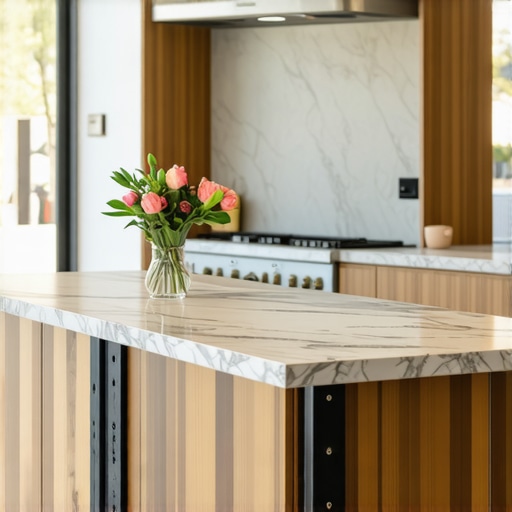
If you’re considering a kitchen remodel or updates with custom cabinets and a stunning quartz countertop, I bet safety and longevity are at the top of your list. Heavy quartz, while gorgeous and durable, brings its own set of challenges—especially when it comes to support. Without the right bracing, your island can suffer from sagging, cracking, or even catastrophic failure down the line. Believe me, I learned this the hard way early on. An improperly supported countertop can cause damage that’s costly and frustrating to fix later.
Did you know? According to a recent study, unsupported stone countertops are among the leading causes of early deterioration in kitchens. Proper bracing dramatically extends the lifespan of these big, beautiful surfaces—sometimes doubling their durability.
Is Bracing Heavy Quartz Actually Worth the Hassle?
It’s common for homeowners to think that simply installing the countertop onto cabinets suffices. But that’s a risky misconception I held initially. An early mistake I made was trusting store-bought brackets alone, neglecting the need for proper reinforcement. This oversight nearly led to an embarrassing, costly repair when my quartz slab started to sag after a few months. Now I know better—and I’ll share the secrets to securing your island like a pro. If you’ve faced similar doubts or worries about load support, you’re not alone.
In the upcoming sections, we’ll dive into proven techniques and materials to ensure your kitchen island remains solid, safe, and stunning for years to come. Ready to give your kitchen the support it deserves? Let’s go!
Select the Right Support Materials for Your Quartz Island
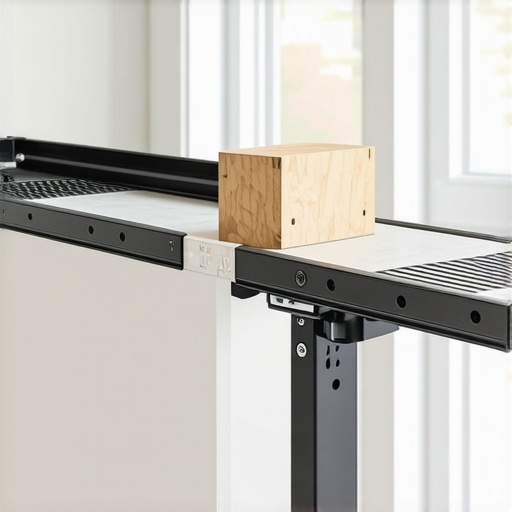
Start by choosing high-quality support materials like steel brackets or reinforced wood framing. I once made the mistake of using flimsy brackets in my first attempt, which led to a noticeable sag after a few months. Now, I recommend using heavy-duty steel brackets rated for load-bearing applications, like those discussed in this guide.
Install Load-Bearing Support Frames
Create a sturdy framework beneath your quartz slab, akin to constructing a skeleton for a building. For my project, I built a reinforced wood frame with cross-members spaced no more than 16 inches apart, ensuring even load distribution. Using a level, I checked the frame’s alignment at every stage, preventing future unevenness.
Use Proper Fasteners and Anchors
Secure the frame with heavy-duty anchors and screws designed for both wood and masonry. I opted for toggle bolts and masonry anchors where appropriate, to ensure the support doesn’t shift or loosen over time. Remember, the integrity of these fasteners directly impacts the stability of your countertop.
Attach Support Brackets Carefully
Mount steel support brackets onto your frame, ensuring they are flush and securely fastened. I learned that misaligned brackets can cause uneven load distribution, leading to cracks. Double-check measurements and use a level to maintain an even appearance. Once installed, the brackets act as the main load silencers, much like the braces in modern construction.
Reinforce Cabinets and Framing
Enhance your cabinetry to handle the weight by installing internal braces and supports. I added vertical braces into my cabinet carcasses, which prevented any cabinet sagging that could translate to unsupported counters. These are especially critical when dealing with large, heavy slabs like quartz or granite.
Test and Adjust Your Support System
After installation, gently apply pressure across the countertop to test stability. I intentionally leaned on my island, watching for any movement, and then tightened the brackets further where needed. This step is vital—it ensures your support system responds well under real-world weight and activity.
Maintain Support Components Regularly
Inspect brackets and framing annually, tightening screws or replacing worn parts. During one routine check, I noticed a slight loosening in some brackets, which I promptly fixed. Regular maintenance prolongs support durability and keeps your counter safe from potential hazards.
These support methods, borrowed from professional practices, turn your kitchen island into a fortress of stability. Proper bracing not only preserves the longevity of your beautiful counters but also guarantees safety for years to come.
When it comes to transforming a kitchen, many assume that choosing the right cabinets or storage solutions is straightforward. However, beneath the surface, there are nuanced pitfalls that even seasoned DIYers often overlook, leading to expensive mistakes or less-than-ideal outcomes. Let’s explore some of these common misconceptions and advanced traps, so you can approach your remodel with confidence and expertise.
One prevalent myth is that high-quality materials alone guarantee a successful custom cabinet installation. While premium wood or finishes matter, the true secret lies in precise execution and understanding the subtleties of hardware compatibility. For instance, many homeowners select stylish soft-close hinges expecting them to perform flawlessly, but neglect that improper alignment or incompatible frame designs can cause doors to slam or misalign over time. An expert approach involves detailed planning around hinge placement, as discussed in this resource.
Another trap involves storage solution design. A common mistake is opting for trendy, space-maximizing features without considering practical usage patterns. For example, installing deep drawers for every item might look sleek, but it can also make retrieving small utensils cumbersome, especially if the drawer slides aren’t rated for heavy use. Remember, investing in high-quality glides and understanding weight limits prevents future frustrations. Curious about innovative solutions? You might find this article enlightening.
For the advanced remodeler, the question often becomes, how do I ensure seamless integration of built-ins with existing architecture? This question highlights a subtlety many overlook—precise scribing and filler installation. Failing to account for uneven walls or floors can lead to gaps, misalignments, and a disjointed appearance that undermines the aesthetic. A detailed understanding of the importance of careful measurement and custom filler strips can make or break a project.
Furthermore, many underestimate the importance of framing behind the cabinets and built-ins. Proper support, especially when dealing with heavy stone or quartz countertops, is crucial. An overlooked detail is the reinforcement of framing with steel or cross-braces, which can prevent sagging or shifting over time. For insights into these advanced support methods, I recommend reviewing this post.
Finally, the placement of cabinetry relative to natural light and airflow can significantly impact your kitchen’s longevity. For example, inadequate ventilation around wooden components can accelerate warping or discoloration. Integrating built-in ventilation systems or strategic placement of air inlets is an advanced consideration that ensures durability.
Understanding these nuances elevates your project from good to exceptional. It’s about paying attention to the details that many overlook but can have lasting repercussions. Have you ever fallen into this trap? Let me know in the comments, and I’ll be glad to share tips to avoid common pitfalls.
How Do I Maintain My Custom Cabinets and Storage Solutions Over Time?
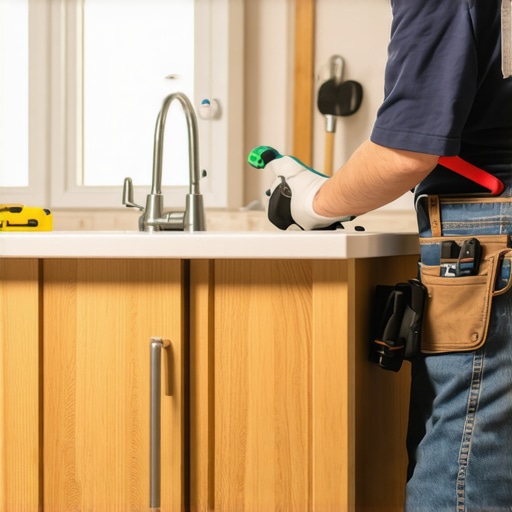
To ensure your investment stays functional and beautiful for years, regular maintenance is key. I swear by specific tools like a high-quality cordless drill with various screwdriver bits and a soft microfiber cloth for cleaning. These tools help me tighten loose hinges, adjust latches, and remove dust without scratching surfaces. Additionally, applying a furniture-grade polish every six months keeps wood finishes looking fresh and prevents drying out. For quick fixes, keep a rubber mallet and a set of quality shims handy—perfect for minor adjustments without damaging cabinetry.
позачергово, I find that investing in a digital moisture meter helps me detect high humidity levels that could cause warping or swelling over time, especially in basement or garage setups. Regular inspections of seals, hinges, and drawer slides can prevent small issues from escalating into costly repairs. Remember, a little proactive care reduces long-term expenses and preserves your cabinetry’s integrity.
What Tools Are Non-Negotiable for Long-Term Kitchen Support?
My personal toolkit includes a torque screwdriver for snugging up fasteners without overtightening, and a lint-free cloth infused with mineral oil for deep cleaning wooden surfaces. For metal support components like brackets and hardware, I use a specialized anti-corrosion spray—extending their lifespan, especially in humid environments. Precision levels and measuring tapes are also indispensable for verifying that everything remains perfectly aligned over time.
Looking ahead, I predict that smart maintenance gadgets—like IoT-enabled hinges that notify you when a screw cools or loosens—will become mainstream. Staying ahead involves embracing these innovations early. For example, integrating smart storage ideas now can prevent issues before they appear, making your remodel more sustainable.
Prioritize Upkeep to Sustain Your Built-Ins’ Elegance and Functionality
In my experience, dedicating just 10 minutes every few months to check hinges, tighten bolts, and clean surfaces saves hundreds in repairs later. Remember, your cabinets are not just for aesthetics—proper support and maintenance directly influence their longevity and safety.
Try implementing a weekly check using a checklist of critical points—like support brackets, door alignments, and sealants. This routine prevents small issues from snowballing, saving time and money. Want to see how proactive maintenance extends your cabinetry’s life? Dive into this guide.
What I Wish I Knew Before Reinforcing My Kitchen
One profound lesson I learned is that even the most premium materials can’t compensate for sloppy installation. Proper framing and support structures are the backbone of a durable kitchen, and neglecting this can lead to sagging counters and costly fixes down the line. Knowing the importance of steel reinforcements and cross-bracing has transformed my approach, ensuring stability and peace of mind in my remodel journey.
How to Pick Support Materials That Truly Stand the Test of Time
I’ve realized that selecting high-grade steel brackets and quality fasteners isn’t just about load capacity—it’s about compatibility and long-term resilience. Trustworthy sources like this guide helped me understand the nuances. Investing in these reliable components has been pivotal in maintaining the integrity of my quartz island over the years.
The Power of Partnership with Skilled Craftsmen
Partnering with experienced fabricators and installers made a world of difference. They possess the subtle expertise to preempt issues like uneven supports or misaligned brackets. This collaboration has taught me that the support system isn’t just about components—it’s about the craftsmanship behind it. Finding craftsmen who understand the physics of heavy stones and support dynamics can save you from future headaches.
Emotional Reflection: Support Reinforces Confidence
Ensuring robust support for your quartz countertops isn’t merely a technical step—it’s a commitment to the longevity of your dream kitchen. The confidence that comes from knowing your island is securely supported allows you to enjoy your space fully, without worry about hidden flaws or future repairs. Small investments in proper bracing today echo as years of safety and satisfaction tomorrow.
Ready to Elevate Your Kitchen Support System?
Implementing these insights has personally empowered me to create a kitchen that’s not only stunning but also resilient. Don’t underestimate the silent strength behind your countertops—proper support is the unsung hero of every successful remodel. If you’re contemplating upgrades or renovations, I encourage you to prioritize quality braces and framing now; it’ll save you trouble later. What’s the one support-related concern you’ve hesitated to address? Share your experiences below—I’d love to help you navigate it.