
The Deep Pantry Mistake That Makes Food Go to Waste
It was a typical Sunday afternoon when I reached into my pantry for some pasta. Instead of finding the jar I needed, I hit a wall of clutter and disorganized bags, forcing me to dig through a chaotic mess. Frustration crept in as some food items hidden at the back had expired unnoticed. That lightbulb moment hit me hard: I was making a common mistake that was costing me more than just time—it was wasting food and money.
**The Hidden Pitfall in Our Pantry Organization**
Many of us underestimate how our storage solutions influence food longevity and waste. A disorganized, cluttered pantry isn’t just a minor inconvenience; it’s a trap that leads to forgotten, expired groceries, which, according to the USDA, results in about 30% of food waste in American households. That’s money down the drain and a bigger environmental footprint.
Have you ever faced a similar situation where food went bad because you couldn’t see or reach it? If so, you’re not alone. Fortunately, with some simple adjustments motivated by my own experience, we can turn that cluttered chaos into a streamlined space that saves your wallet and the planet.
Why Your Pantry Declutter Matters More Than You Think
At first glance, pantry organization might seem like a small project. But the truth is, it directly impacts how much food you use before it spoils. An efficient storage system prevents overbuying, helps you keep track of what you already have, and reduces the chance of forgotten items Expired food isn’t just wasteful—it can also be a hidden source of mold, bacteria, and health issues. Making these changes transforms the way you manage your kitchen and enhances sustainability.
Curious about how to avoid this deep pantry mistake? In the next section, I’ll walk you through practical steps that have helped me—and countless others—maximize space and minimize food waste. Ready to reclaim your shelves and your savings? Let’s dive into simple, effective solutions that make a big difference.
Maximize Space Immediately
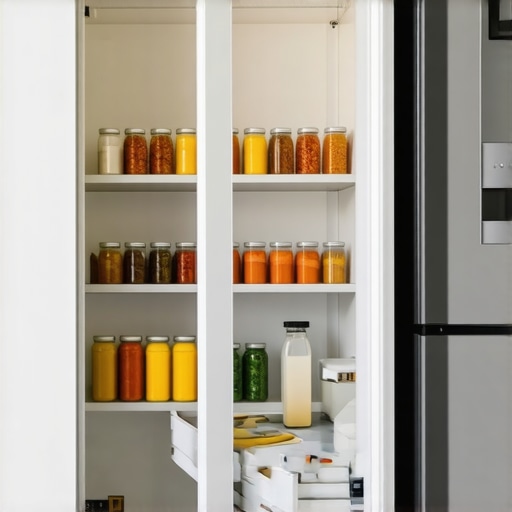
Start by emptying your pantry completely. Assess what food items are still good, discard expired ones, and categorize the rest—think grains, canned goods, snacks. Use clear, stackable containers for bulk items. This simple step reduces visual clutter and makes everything accessible at a glance. When I did this last weekend, I found a forgotten bag of rice behind expired cans — reorganizing saved me money and time searching later.
Implement Custom Shelving and Compartments
Replacing generic shelves with customized storage can dramatically increase your efficiency. Consider adding adjustable shelves or pull-out trays tailored to your space. For instance, narrow vertical dividers are perfect for organizing baking sheets or cutting boards vertically, preventing them from falling over. I personally installed a series of vertical dividers, which turned a messy cabinet into a tidy, accessible baking station—a game changer that you can explore more about in this guide.
Use Space Under the Shelves Wisely
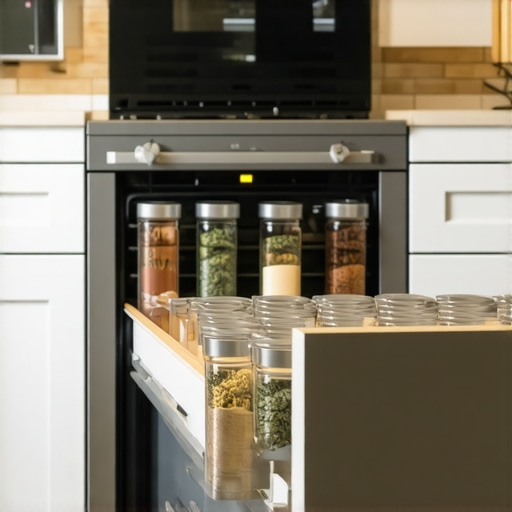
Don’t forget the space beneath your shelves. Install a toe-kick drawer or hidden compartments—this area is often wasted. I added a shallow drawer underneath my pantry shelves, perfect for storing small gadgets and spices, freeing up shelf space. Check out this resource for ideas on hidden storage solutions.
Create Zones for Different Items
Designate specific sections for categories—baking supplies, canned goods, snacks. This minimizes unnecessary movement and keeps everything in its place. A simple organization label can turn chaos into routine. I once spent thirty minutes digging for a particular spice; reorganizing into zones reduced this search time to mere seconds. For inspiration on custom zones, visit this page.
Employ Smart, Accessible Storage Solutions
Invest in solutions that adapt to your needs—lazy susans, pull-out baskets, or built-in spice racks. These allow you to access items deep in the back without hassle. When I added a corner lazy susan, I found my long-forgotten bottles and jars easily—saving me trips and spillage. Learn more about integrating these features in this article.
Regular Maintenance Starts Here
Once organized, set a routine to revisit the pantry every month. Rotate stock, discard expired items, and adjust storage as needed. This habit keeps the space functional and avoids slipping back into clutter. After implementing these steps, I noticed an immediate reduction in food waste and a boost in my kitchen efficiency—proof that these methods work when applied consistently. For ongoing tips, browse this resource.
When it comes to designing your dream kitchen or living space, many homeowners rely on popular beliefs that can lead to costly mistakes. A common misconception is that choosing expensive, high-end cabinets guarantees a flawless remodel. In reality, even premium materials can fall short if the design isn’t tailored to your specific needs and space constraints. As an expert in custom cabinetry, I emphasize that thoughtful planning and understanding nuanced details are crucial for achieving functional elegance. For instance, many overlook the importance of proper ventilation in built-in appliances, leading to long-term damage—something even the most stylish design can’t offset. An advanced mistake I frequently see is underestimating the impact of cabinet hardware placement on user ergonomics, which can diminish comfort and accessibility over time. This misstep often occurs because homeowners focus on aesthetics rather than practicality, a trap that can be avoided with expert consultation.
The misconception that all storage solutions are interchangeable can also be problematic. For example, a poorly considered corner cabinet can become a black hole for clutter rather than a smart use of space. Utilizing innovative features like pull-out shelves or motorized organizers can vastly improve usability, as detailed in this resource. Moreover, building in a custom coffee station or hidden charging drawers involves advanced planning to prevent future issues like electrical code violations or moisture buildup. Many assume that standard solutions suffice, but tailored designs often demand precise integration.
A question that advanced homeowners ask is how to optimize the longevity of their cabinetry in high-humidity zones or near water sources. The answer involves selecting appropriate materials—such as marine-grade plywood—and implementing specific sealing techniques. According to industry studies, ongoing maintenance and material choice are vital in preventing warping and deterioration, especially in climates with fluctuating moisture levels (source).
Remember, a truly successful remodel isn’t just about aesthetics; it’s about seamlessly blending form and function to meet both your current needs and future growth. Oversights in planning and misunderstood nuances can lead to frustration and additional costs down the line. If you’re aiming for a space that reflects your style yet functions flawlessly, consider engaging with professionals who understand these complexities. Curious about how to elevate your project? Visit this page for inspiration.
Have you ever fallen into this trap? Let me know in the comments.Maintaining your custom cabinetry and built-in storage solutions is vital for ensuring longevity and continued aesthetic appeal. Over the years, I recommend investing in high-quality, specialized tools and software that streamline installation, repair, and routine upkeep. One of my go-to tools is a professional-grade orbital sander, which allows me to refurbish surfaces and touch up finishes with precision, saving time and avoiding costly replacements. Additionally, a set of fine-detail brushes and a mini heat gun are invaluable for fixing minor veneer damages or re-gluing loose edges without disassembling entire units.
For measuring and alignment, I rely heavily on a digital laser level and a combination square. These tools ensure that cabinets remain perfectly aligned over time, especially when adjusting for shifting wall structures or settling foundations. I personally prefer laser levels that project multiple planes simultaneously because they help maintain consistent levels across expansive built-ins.
Regarding software, I recommend using CAD programs like SketchUp or specialized cabinetry design software such as 20-20 Design. These not only aid in planning but also facilitate maintenance by providing detailed visuals for future repairs or modifications. In fact, many forward-looking contractors now integrate 3D planning from the outset, which simplifies long-term maintenance and scaling.
The trend toward smart home integration is shaping the future of cabinet maintenance. Automated systems can monitor humidity levels, alerting you when environmental conditions threaten wood integrity. This proactive approach is especially beneficial in climate-sensitive areas, reducing warping or swelling risks.
How do I keep my cabinetry and built-ins in top shape? Regular preventive maintenance is key. This includes gentle cleaning with soft cloths, avoiding harsh chemicals, and applying protective wax or oil finishes periodically. Inspect hinges, slides, and hardware at least twice a year—tighten loose screws and lubricate moving parts to prevent squeaks and ensure smooth operation.
Scalability is another consideration. As your needs evolve, modular components make it easier to adjust or expand your storage solutions. Installing adjustable shelves and removable panels provides flexibility for changing storage requirements, saving you from costly rebuilds.
Prediction for the future points toward the increased adoption of digital maintenance records and IoT-enabled sensors embedded within cabinetry, offering real-time health checks. This integration will extend the lifespan of built-ins and optimize their functionality over decades.
Don orget to try this advanced tip: Install magnetic catch plates behind cabinet doors to easily manage hardware and prevent misalignments over time. It significantly reduce maintenance headaches and preserve your cabinetry’s pristine look. For expert advice on selecting the right hardware and planning scalable storage, visit this resource and take your cabinet longevity to the next level.
Lessons From My Deep Dive Into Storage Wisdom
One of the biggest revelations I experienced was realizing that perfecting the layout of my cabinets wasn’t just about aesthetics; it was about creating a system that adapts to my lifestyle and future needs. I learned that investing time in thoughtful planning upfront saves immense frustration down the line. For example, integrating adjustable shelves and considering flow patterns meant I could modify my storage as my family grows or hobbies change.
Another insight was that details matter—like hardware placement and material choices—these can significantly influence the durability and usability of built-ins. I’ve found that not rushing the selection process and consulting with specialists ensures the final result isn’t just beautiful but also functional.
Finally, I discovered the importance of maintenance routines—your beautiful cabinetry requires regular, gentle upkeep to preserve its charm and integrity. Scheduling semi-annual check-ups and quick touch-ups can extend the lifespan of your investments, keeping your space feeling fresh and well-cared-for.
My Trusted Arsenal of Cabinet and Storage Resources
To achieve these successes, I rely on tools and resources that have truly made a difference. This comprehensive guide offers incredible insights into integrating built-in storage seamlessly into your kitchen, inspiring me to think beyond traditional solutions. For hardware, I trust this expert advice on choosing durable, easy-to-use hardware that withstands daily wear. When it’s time for design visualization, I use software like SketchUp and 20-20 Design, which make planning precise and stress-free. Lastly, I follow industry-leading blogs such as this resource, filled with innovative ideas and real-world tips that keep my projects fresh and on point.
Seize the Moment and Make It Your Own
Embarking on the journey of customizing your cabinets and optimizing your storage isn’t just about creating a beautiful space—it’s about empowering yourself to take control of your environment and foster a home that adapts to your lifestyle. Every small improvement, from smart hardware choices to clever organization, compounds into a space that feels uniquely yours and works effortlessly. Remember, the best time to start is now; your vision for a more organized, stylish, and functional space is within reach. Dive into the resources, gather inspiration, and take that first step today—your future self will thank you.
What’s the first upgrade you’re excited to try? Share your plans below—I love hearing how others are transforming their spaces!