Why Brass Hardware Is Making a Comeback and How to Choose the Right Finish
I remember the first time I installed new cabinet handles in my kitchen, eager to transform the space. But instead of the warm, inviting look I envisioned, I ended up with something dull and mismatched, leaving me frustrated every time I opened a drawer. That was my lightbulb moment—realizing that hardware isn’t just a small detail, but a defining element of your home’s style.
Fast forward a few years, and I’ve noticed something interesting happening in the design world: brass hardware is everywhere again. It’s like a warm hug for your cabinets—adding a touch of vintage charm with a modern twist. But why the sudden comeback? And more importantly, how do you choose the right finish to match your aesthetic?
Today, I want to share what I’ve learned about brass hardware reinvention, and help you navigate the sometimes confusing world of finishes. Whether you’re contemplating a full kitchen overhaul or simply refreshing your existing space, understanding the why and how of brass can elevate your project in surprising ways.
The Resurgence of Brass: More Than Just Nostalgia
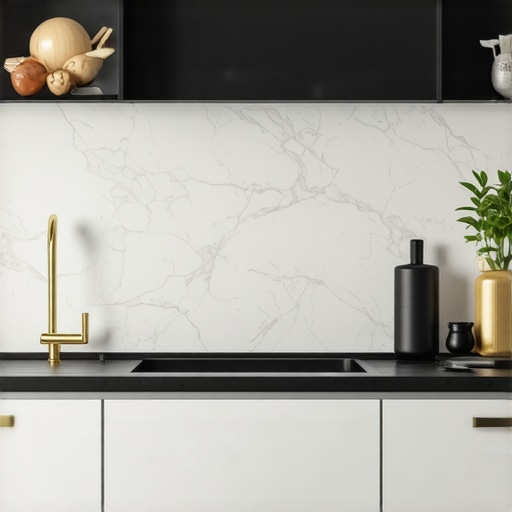
Brass hardware’s return isn’t just trendy fluff—it’s rooted in a desire for warmth, durability, and timeless style. According to a recent report by Houzz, warm metal finishes like brass are now among the top choices for kitchen updates, outpacing neutral tones and even stainless steel in popularity. The reason? Brass adds a welcoming glow that beautifully balances modern minimalism with vintage appeal.
Early on, I made a common mistake—choosing a shiny, yellow-toned brass that clashed with my matte gray cabinets. It didn’t look charming; it looked mismatched. That’s when I discovered the many finish options, each conjuring a different mood and style for your space. Want a classic, polished look? Or maybe a softer, matte finish? Picking the right brass finish can make or break your entire design.
If you’re considering switching to brass or simply curious why it’s trending again, I’ll walk you through the basics of choosing the best finish for your home’s personality and how to avoid common pitfalls. But first, let’s tackle what might be your biggest concern:
Is Brass Hardware Actually Worth the Hype?
My early mistake was assuming all brass finishes looked the same, which led me to believe the trend was superficial. But the variety of finishes—from brushed nickel to antique brass— offers options that truly change the vibe of your kitchen or bathroom. Choosing the right one is crucial to getting the look you want without feeling like you jumped on a fleeting trend.
If you’ve faced second-guessing your hardware choices or worried about durability, I’m right there with you. In fact, I learned that not all brass is created equal; some finishes wear beautifully, while others might tarnish or fade over time. That’s why I’ve researched the best options and compiled tips to help you make an informed decision.
Ready to explore how to pick the perfect brass finish for your space? Let’s dive into the unmissable ways to combine style, function, and longevity in your next remodel—starting with understanding the different brass finishes and their unique vibes.
Choose Your Finish Thoughtfully
Start by examining various brass finishes—polished, matte, antique, or brushed—to match your existing decor. I once quickly grabbed the shiny polished brass, only to realize it clashed with my matte gray cabinets, making me redo the hardware a week later. Compare samples side by side under your kitchen lighting, and consider how each finish interacts with other metals and surfaces in your space.
Match Hardware with Your Cabinets Style
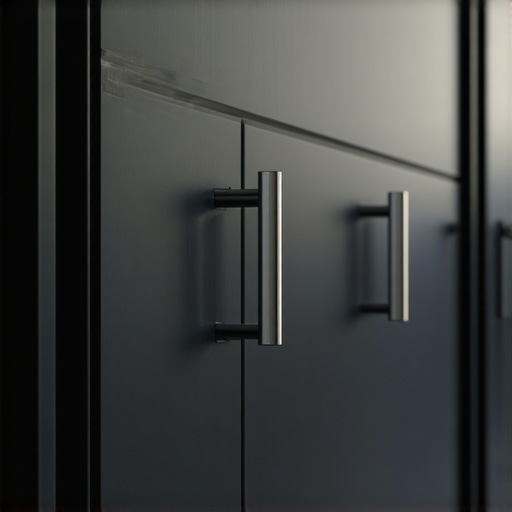
Decide if your cabinets lean more classic or modern; this will influence your hardware choice. For a sleek, contemporary look, opt for matte or brushed brass with minimalist designs. For vintage charm, antique or satin finishes work beautifully. I applied this by selecting satin brass pulls for my shaker-style cabinets, instantly elevating the room’s warmth and style. Visit custom cabinet ideas to see how finish and style combine for the perfect match.
Prioritize Material Durability and Maintenance
Recognize that not all brass resists tarnishing equally. Some finishes, like brushed or matte, hide fingerprints better and age gracefully, whereas shiny finishes may require frequent polishing. When I installed my brass handles, I chose a brushed brass that concealed smudges, saving me time and effort. Use a soft cloth and mild soap for cleaning; harsh chemicals can strip finish integrity. For ongoing tips, consult storage solutions tips to keep your hardware looking fresh.
Plan the Layout Strategically
Chart out your hardware placement—consider spacing, height, and accessibility. It’s like designing a storage system; proper placement ensures functionality and aesthetic harmony. During my project, I marked handle positions with painter’s tape before drilling, avoiding crooked lines and uneven spacing. For innovative storage options that complement hardware, explore storage solutions that maximize your space.
Prepare Tools and Follow a Precise Process
Gather drills, bits, a level, and measuring tape. Measure carefully—mark handle positions precisely—then drill pilot holes before inserting screws to prevent wood splitting. My first attempt resulted in a crooked handle because I didn’t double-check measurements; learning from that, I now always measure twice. For a seamless look, consider building seamless installations that hide imperfections.
Finish with Finishing Touches
Seal and polish your hardware according to its finish—use appropriate cleaners or soft cloths to prevent tarnishing. After installing my brass handles, I applied a light protective coating that preserved the shine and resisted fingerprints. This small step extends hardware lifespan and maintains visual appeal over years.
While everyone focuses on choosing the right cabinets or trendy finishes, there’s a sneaky set of nuances many overlook that can make or break your kitchen’s functionality and style. One common misconception is that more storage always equals better organization; in reality, poorly planned storage can lead to cluttered chaos. For instance, simply adding extra cabinets without considering access points or flow can result in wasted space. Experts emphasize the importance of thoughtful layout design—something you can explore in detail through resources like built-in storage hacks. Another frequent mistake involves the selection of hardware finishes, where mismatched metals disrupt harmony. A nuanced approach considers the overall material palette, balancing finishes like brass, matte black, or stainless steel to create cohesion. Additionally, many homeowners underestimate how vital lighting is for both ambiance and task functionality. Layered lighting—combining ambient, task, and accent lights—can transform your space from dull to dynamic, a topic well covered in layered lighting strategies. But perhaps the most subtle error lies in not accounting for future needs; a renovation should be flexible enough to adapt as your lifestyle evolves. Installing adjustable shelving or modular cabinetry can save you headaches down the line. Advanced homeowners think ahead, leveraging customizable solutions rather than static ones. Looking to the experts, studies show that kitchens designed with adaptability in mind see higher satisfaction and longevity—proof that strategic planning is key, not just aesthetic appeal. So, before your project gets underway, ask yourself: Are these choices setting your kitchen up for long-term joy, or just the latest trend? Remember, the devil is in the details, and mastering these nuances can elevate your remodel from ordinary to extraordinary. Have you ever fallen into this trap? Let me know in the comments.
To ensure your carefully crafted custom cabinets, built-ins, and innovative storage solutions continue to perform beautifully over time, investing in quality tools and adopting effective maintenance routines is essential. I personally swear by using a microfiber cloth paired with a gentle, pH-balanced cleaner for daily cleanup—this combo preserves the finish and prevents scratches, especially on delicate brass hardware or matte finishes. Additionally, a soft-bristled brush proves invaluable for reaching into corners and crevices, ensuring that dust and debris don’t compromise your storage solutions or hardware functioning.
For more intensive maintenance, I recommend a set of precision screwdrivers and a level—these tools help you periodically tighten loose handles or realign cabinet doors without causing damage. Regularly checking your hardware tightness not only maintains aesthetics but also prevents long-term issues like sagging or misalignment. When installing or adjusting built-ins, a cordless drill with adjustable torque ensures efficiency without overdriving screws, which can crack or strip wood surfaces. These tools have saved me hours during renovation touches and are worth the investment.
Looking ahead, I believe this trend of incorporating smart, low-maintenance components will grow. Smart hardware that can be monitored via apps or integrated with home automation systems is becoming more accessible, promising to simplify upkeep. For your current projects, however, the key lies in choosing durable materials and maintaining them properly. For instance, applying a protective sealant on exposed wood surfaces can guard against moisture and staining, extending the lifespan of cabinetry and built-ins.
How do I maintain storage solutions and built-ins over time?
Routine cleaning with the right tools—like microfiber cloths and soft brushes—combined with periodic checks of hardware fixtures ensures longevity. I also recommend scheduling a bi-annual inspection to tighten screws, reapply sealants if needed, and clean out dust build-up behind cabinetry. Incorporating these simple yet effective practices keeps your custom kitchen functional and beautiful for years to come.
For advanced maintenance tips and to further extend your investment, explore innovative storage solutions, which often include integrated features designed to minimize upkeep. Remember, keeping your remodels in prime condition isn’t just about tools—it’s about adopting a mindset of proactive care. Why not try re-tightening your cabinet handles with a precision screwdriver this weekend? It’s a small step with big results!
Three Surprising Things I Didn’t Expect About Custom Cabinets
Initially, I thought selecting the perfect finish was straightforward, but I learned that small nuances, like grain matching and protective coatings, significantly impact longevity and aesthetics. Ensuring these details are considered can save you frustration later.
The Hidden Cost of Overlooking Storage Flexibility
I underestimated how crucial adjustable shelving and modular designs are for adapting to changing needs. Incorporating flexible storage solutions from the start pays off in the long run, making life easier and your space more functional.
Why Patience Pays Off During Installation
Curated Resources for Your Kitchen Transformation
- Custom Cabinet Ideas for Inspired Design: Visiting this resource provided me with endless visual inspiration and practical tips, streamlining my decision-making process.
- Built-in Storage Hacks for Functionality: The comprehensive guide on integrating built-ins helped me maximize every inch of space efficiently.
- Expert Tips on Choosing Durable Finishes: I trust this advice for selecting finishes that resist wear and complement my overall design aesthetic.
Your Next Step Starts Now
Embarking on your kitchen remodel with attention to detail and strategic planning allows you to craft a space that’s both beautiful and highly functional. Remember, the key to success lies not just in big choices but in embracing the nuanced decisions that elevate your project from good to extraordinary. Don’t wait—start transforming your home today with confidence and creativity.