How to Fix a Cabinet Door That Keeps Popping Open
I remember the day clearly—the moment I opened my kitchen cabinet to grab a glass, only to watch the door swing wide open again and again. It was like the door was teasing me, refusing to stay shut no matter how many times I pushed it closed. Frustrating doesn’t even begin to cover it. And honestly, I felt a little helpless, thinking I might need to replace the entire cabinet or call in a pro. But then, I had a lightbulb moment that changed the game.
Why a Popping Cabinet Door Can Drive You Crazy—and Matter More Than You Think
After facing this common nuisance myself, I realized it’s more than just an annoying quirk. A cabinet door that keeps popping open can be a sign of underlying issues like worn-out hinges, misalignment, or faulty hardware. These seemingly small problems can lead to bigger headaches, like food spills, damaged cabinetry, or even safety hazards if someone jars an open door and trips over it. Plus, it impacts the overall look and feel of your kitchen, making it seem saggy or poorly maintained.
But here’s the thing—little problems like this are often fixable without breaking the bank or calling a contractor. Trust me, I learned this the hard way when early on, I made the mistake of ignoring loose hinges, thinking they’d just fix themselves. Spoiler: they didn’t. Instead, I ended up with a door that was worse off, and a problem that could’ve been solved with a simple adjustment.
Today, I want to share with you practical, easy-to-follow solutions for fixing that stubborn, popping cabinet door. Whether it’s a hinge issue, misalignment, or a worn-out latch, I’ve been through the process and found some reliable methods that actually work. If you’ve ever faced that frustrating moment of a door swinging wide open again and again, stick around—these tips could save your sanity.
And if you’re curious about how better storage solutions can also keep your doors in check, check out [maximize space with innovative storage solutions for every room](https://artisancabinetworkz.com/maximize-space-with-innovative-storage-solutions-for-every-room). It’s surprising how proper organization can prevent many cabinet issues from cropping up in the first place.
So, are you tired of your cabinet doors refusing to stay closed? Let’s dive into the most common causes and straightforward fixes that will have your cabinets functioning smoothly in no time. Stay with me, you’ll be surprised how simple some of these solutions really are.
Identify the Root Cause of the Popping
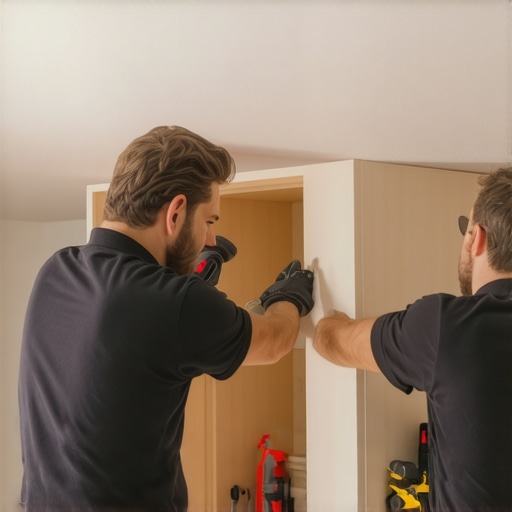
First, remove the cabinet doors to examine the hinges closely. Loose or misaligned hinges often cause doors to pop open. Recall a time when I found one hinge slightly detached, causing the door to swing freely. Tightening or replacing the hinge fixed the issue instantly.
Adjust and Tighten Hinges Accurately
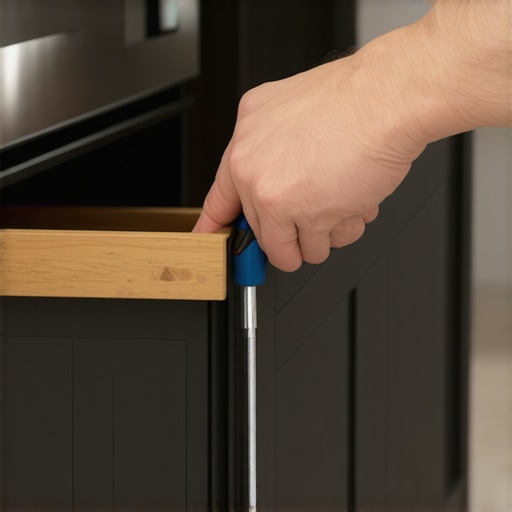
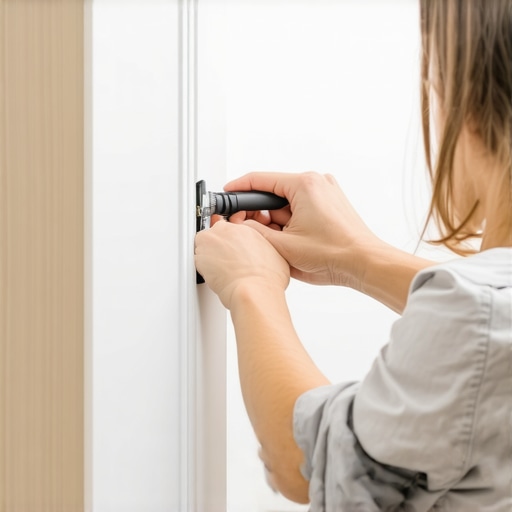
Use a Phillips screwdriver to tighten all screws on hinges. For misaligned doors, adjust the hinge screws—most hinges allow for top, bottom, or side adjustments. Think of hinges as the hinges of a door on a boat: proper alignment prevents unwanted swinging. When I worked on my kitchen, tweaking these screws improved the door’s fit significantly.
How to Fine-Tune Hinges
If slight adjustments don’t suffice, consider loosening the hinge screws slightly, repositioning the door, then re-tightening. This helps correct minor misalignments, especially for newer savings like selecting the right storage solutions to prevent future hardware issues.
Check for Worn or Damaged Hardware
Inspect hinges and latches for wear. Worn-out hinges may cause sagging or popping. Replacing a worn hinge is like swapping out a stubborn part on a machine—simple but effective. When I replaced my hinges with high-quality soft-close models, the doors operated smoother and quieter.
Ensure Proper Door Alignment
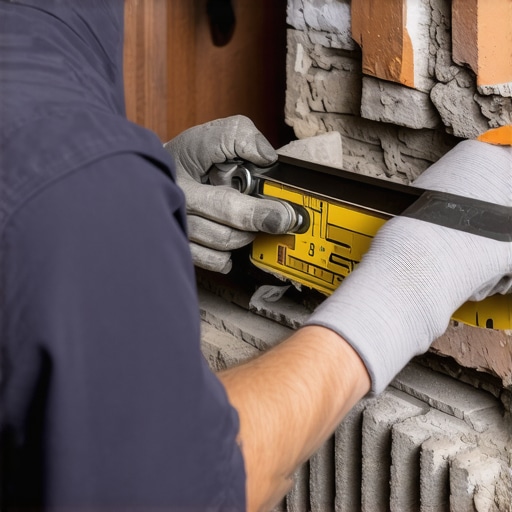
Use a painter’s level to verify that your cabinet doors hang evenly. Misalignment often leads to doors bouncing open. If the door hangs unevenly, loosen the hinges slightly to shift the door into proper position, then retighten.
Swapping Hinges for Better Results
If your hinges are incompatible or outdated, switching to high-quality, adjustable hinges can be beneficial. This upgrade is akin to giving your cabinets a mini remodel—enhancing both function and appearance. Check out custom cabinets options for long-term solutions.
Consider Upgrading Hardware for a Lasting Fix
Worn-out or incompatible hardware is often the culprit. Replacing with high-quality, soft-close hinges can prevent sticking and popping issues down the line. Think of it as giving your cabinets a fresh set of joints—more durable and smoother in operation. For innovative storage ideas that keep your cabinet doors functioning flawlessly, visit smart storage ideas.
Revisit and Test the Fixes
Finally, rehang your doors and test their operation multiple times. Ensure they close smoothly without bouncing open. I remember spending a Saturday fine-tuning my cabinets, and the satisfaction of perfectly functioning doors was well worth the effort. Sometimes, minor tweaks make all the difference in achieving a seamless kitchen.
Many homeowners assume that installing custom cabinets or opting for built-ins automatically guarantees an optimal storage setup. However, a common misconception is that once you’ve chosen a high-end solution, the nuances of design and execution are no longer critical. In reality, superficial choices often overlook key details that can sabotage functionality and longevity. For example, selecting a trendy finish without considering its resistance to humidity can lead to premature warping, a mistake highlighted in expert studies on cabinetry durability. Additionally, many believe that maximizing storage space is purely about volume—however, the *placement* and *accessibility* significantly influence how often and easily you actually use the stored items. The trap here is focusing solely on capacity, ignoring the importance of ergonomics and workflow efficiency, an advanced concept discussed in industry-leading kitchen design seminars. Moreover, some assume that built-in solutions are inherently more expensive and complicated, deterring many from exploring innovative, cost-effective designs that can be customized to specific needs. The pitfall is not recognizing that with precise planning and quality craftsmanship, built-ins can be surprisingly affordable and transformative. As you refine your space, remember that every choice—from hardware finishes to hinge placement—impacts the overall result. For detailed insights into custom cabinet planning and avoiding common pitfalls, check out this comprehensive guide. An often-overlooked nuance is the importance of integrating your storage plans with overall room aesthetics, ensuring that function and style coexist seamlessly. This balance prevents the ‘hidden trap’ of sacrificing visual harmony for practicality. When designing your next remodel, challenge the assumption that bigger always means better; instead, focus on smart, thoughtfully-placed solutions that optimize every inch. Remember, even the most beautiful cabinets are useless if they are difficult to access or poorly constructed. Don’t fall into the trap of superficial upgrades—invest in understanding the subtle intricacies that elevate your space from good to exceptional. Want to explore innovative storage ideas tailored to your needs? Browse this selection of smart solutions or reach out for personalized advice here. Have you ever fallen into this trap? Let me know in the comments.
Prioritize Precise Maintenance With the Right Tools
To ensure your custom cabinets and built-ins remain functional and beautiful over the years, investing in quality tools is essential. I always recommend a high-quality cordless drill, like the Milwaukee M18, because it offers cordless convenience paired with powerful torque—perfect for tightening hinges or installing new hardware without the hassle of cords. Additionally, a set of precision screwdrivers allows for fine adjustments, especially in tight spots where larger tools can’t reach.
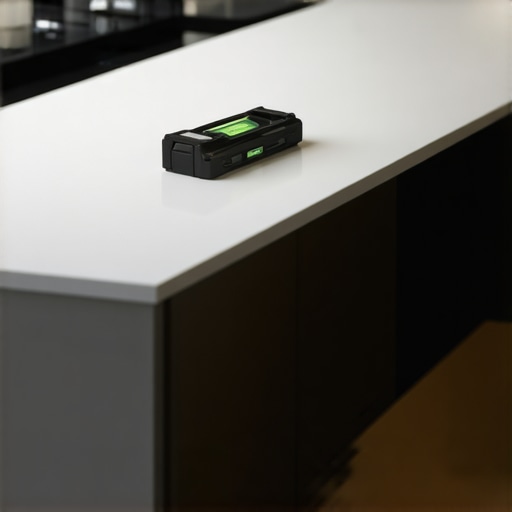
For measuring and alignment, a digital angle finder such as the Bosch Digital Level ensures doors hang evenly, preventing those annoying misalignments that cause sticking or swinging open. I personally use this device during every remodelling step to guarantee accuracy, saving time and avoiding future complaints.
Implement Routine Checks to Extend Your Storage System’s Life
Establishing a maintenance schedule helps catch issues before they escalate. I suggest monthly inspections—check for loose hinges, worn latches, and hardware corrosion. Use a soft cloth and some contact cleaner (I swear by WD-40 Specialist Contact Cleaner) to keep hinges moving smoothly and prevent rust. Regular lubrication with a silicone-based spray preserves hardware functionality and quiets squeaks, especially for hinges with soft-close mechanisms.
Leverage Software and Planning Tools for Long-Term Success
Modern kitchen design benefits from 3D planning software like SketchUp or cabinet-specific apps that help visualize storage solutions before implementation. Having a clear plan reduces errors and allows you to design for practical access, enhancing maintenance in the future. I rely on these tools to experiment with future upgrades or rearrangements—saving plenty of headaches down the line.
Tools for Scaling Up and Future-Proofing
As your needs grow, consider modular components and adjustable hardware, which can adapt to changing storage demands. Upgrading to high-quality, adjustable hinges like Blum’s Clip Top BLUMOTION not only improves current operation but simplifies future maintenance. These hinges are designed for durability and easy adjustments, making them an investment that pays off over time.
Planning How to Maintain Storage Systems for Years to Come
Consistency is key. Regularly check and tighten hardware, lubricate moving parts, and update your planning as your space evolves. For example, installing motion-sensor LED strips can revolutionize accessibility, particularly in dimly lit areas, and require minimal upkeep. To explore more innovative storage ideas and get tailored advice, consider reaching out through this contact page.
Looking ahead, the future of storage solutions points toward smart, automated systems that can self-monitor and alert you to issues before they become major problems. Emerging innovations in modular hardware and embedded sensor tech aim to make maintenance as simple as a push notification. Embracing these modern tools now can future-proof your kitchen and ensure your investment lasts decades.
Start by implementing an annual hinge and hardware check with your trusty cordless drill and angle finder—they’re affordable and incredibly effective, especially when combined. Don’t forget to document your maintenance routine to track what’s been addressed and plan for future upgrades. Regular upkeep using these specialized tools will keep your storage solutions functioning flawlessly long-term.
The Hardest Lesson I Learned About Storage Solutions and Kitchen Remodels
One of my biggest takeaways was realizing that proper hardware selection is crucial—choosing affordable hinges may save money upfront, but can lead to repeated adjustments and frustration down the line. Investing in high-quality, adjustable hinges paid off by providing easier maintenance and smoother operation.
The Myth About Built-ins Being Too Costly and Complex
I used to think that built-in storage solutions required a hefty budget and complicated installation. However, with careful planning and the right tools, upgrading to built-ins became surprisingly affordable and transformed my space beautifully, proving that cost shouldn’t be a barrier to customized living.
Overlooking the Power of Fine-Tuning and Routine Checks
I learned that monthly inspections—tightening hinges, lubricating moving parts, and adjusting alignments—prevent major issues. This proactive approach keeps cabinets functioning flawlessly and extends their lifespan, making maintenance feel less like a chore and more like a craft.
Curated Gear That keeps My Cabinets Happy
Having the right tools—like a digital level and quality screwdrivers—makes all the difference. These items help me achieve perfect alignment and easy adjustments, saving time and avoiding unnecessary damage, inspiring me to recommend them as essential for DIY upgrades.
Embracing the Future of Storage Technology
Innovations like smart sensor hinges and modular hardware are shaping the future of our kitchens. I believe adopting these technologies now will ensure our cabinets remain functional and stylish for years to come, transforming our spaces from static to smart and adaptable.
Explore My Must-Have Resources for Kitchen Transformation
- My Essential Toolkit: A cordless drill like the Milwaukee M18 and a digital angle finder from Bosch truly elevate your renovation game, offering precision and ease that I personally vouch for.
- Inspiring Reads: The ultimate guide to custom cabinets provides in-depth insights that can help you plan effectively and avoid common pitfalls, making your remodel journey smoother.
- Design Planning Tools: 3D software such as SketchUp allows me to visualize changes before committing, saving costs and ensuring satisfaction with final design choices.
- Innovative Storage Ideas: Visiting smart storage solution pages keeps me inspired and introduces new ways to maximize space, like utilizing toe kick drawers or hidden compartments.
Your Next Step in Creating Perfect Storage Starts Now
Remember, a well-functioning cabinet isn’t just about appearance; it’s about thoughtful design, quality components, and diligent maintenance. Each upgrade or adjustment brings you closer to a space that’s as practical as it is beautiful. Embrace the journey, experiment with tools and ideas, and soon you’ll enjoy a kitchen that operates effortlessly every day.
Have you ever struggled to keep your cabinets functioning smoothly? Share your experiences below—I’d love to hear what’s worked (or not) for you!
,