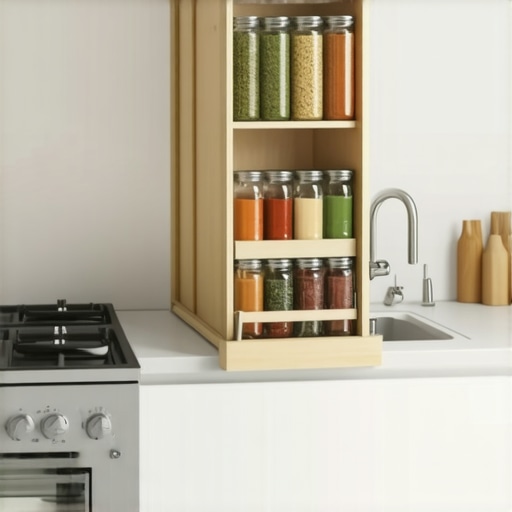

7 Vertical Pantry Organizers That Actually Fit Large Baking Sheets
I remember the moment clearly. I was rummaging through my overcrowded pantry, trying to find that one perfect baking sheet for a weekend cake—only to realize I couldn’t even get to the back of the shelf because everything was crammed in so tightly that my large baking sheets were practically invisible. It was a lightbulb moment for me. I finally understood that my kitchen storage wasn’t just inconvenient—it was a total nightmare when it came to organizing sizable baking essentials.
Why Large Baking Sheets Keep Fighting for Space—and How to Win
When I renovated my kitchen, I was determined to solve this very problem. I wanted my baking sheets to be accessible and neatly organized—without sacrificing precious cabinet space or spending hours digging through clutter. That’s when I discovered the power of specialized vertical pantry organizers designed to fit large baking sheets and other oversized cookware. These solutions aren’t just a luxury; they’re a necessity for anyone tired of battling with bulky trays and sheets every time they cook.
Is Your Kitchen Storage Actually Effective—or Just a Mess in Disguise?
Early on, I made the mistake of assuming that all storage solutions were created equal. I bought a few generic organizers, only to realize they couldn’t accommodate my large baking sheets or they took up too much space elsewhere. It was frustrating, and I wasted money on ideas that didn’t work. The key is selecting a vertical organizer tailored to hold large pans—something I wish I had known from the start. To learn more about how custom cabinetry can drastically improve kitchen organization, check out this article for insights on transforming your space.
Now, I want to help you avoid the same pitfalls. In the next sections, we’ll explore the top seven vertical pantry organizers that actually fit large baking sheets, making your kitchen more functional and less stressful. Ready to take control of your storage space? Let’s dive in—and finally give those oversized trays the home they deserve.
,
Select the Right Vertical Storage Solution for Your Baking Sheets
Start by assessing your available space and the size of your baking sheets. I once measured my largest pans and found they were 18 inches in width and 24 inches in length. With those measurements, I researched vertical organizers specifically designed to hold oversized sheets. Opt for a solution with adjustable dividers or custom-fit shelves, which I found made a huge difference in maximizing space and preventing clutter. Remember, don’t settle for generic options—see how custom cabinets can provide tailored storage that fits perfectly.
Install Your Vertical Organizer Securely and Safely
Once you’ve chosen the ideal organizer, mark its placement on the wall or inside a cabinet. Use a level and sturdy anchors if mounting on drywall, or pre-drill into solid wood for greater stability. I once installed a tiered rack myself, using a stud finder to locate optimal spots—initially a messy job that involved lots of adjustments, but the result was a stable setup that held even my heaviest pans. Failing to secure the system properly can lead to dangerous collapses, so take your time with precise measurements and proper hardware. For comprehensive guidance, check out built-in storage techniques.
Maximize Efficiency with Custom Shelf Heights and Spacing
Adjust the shelf heights within your organizer to accommodate different sizes of baking sheets and pans. I once used spacer blocks during installation to ensure the shelves didn’t crowd each other, allowing easy access without lifting other trays. Think of this setup like a well-designed closet, where each item has its perfect spot—making your retrieval process faster and less frustrating. If you need more ideas, see how innovative solutions can transform your space by visiting creative storage options.
Maintain and Refine Your Storage System
After installation, regularly check that the organizer remains stable and that shelves are free of debris. I initially neglected this, and a shelf wobbled after a few months—but a quick tightening of screws restored stability. Periodic evaluation ensures your storage continues to serve its purpose effectively. Remember, proper organization isn’t a one-time task; it evolves with your kitchen habits. For additional insights into optimizing your kitchen storage, explore expert tips for picking the best solutions.
Many homeowners assume that selecting standard cabinetry and off-the-shelf storage is enough for a functional kitchen, but this can be a costly misconception. A prevalent myth is that built-in storage solutions are inherently expensive and burdensome to install. In reality, custom cabinets, when thoughtfully designed, often save money in the long term by reducing clutter and improving efficiency, as highlighted in this comprehensive guide. Furthermore, many believe that all built-ins are bulky or outdated; however, modern designs focus on sleek, minimalist aesthetics that enhance spatial perception. Keep in mind, the real finesse lies in the finer details—such as adjustable shelf heights and integrated lighting—which can elevate your space beyond generic solutions. A common trap to avoid is oversimplifying the planning phase—skipping thorough measurements or ignoring your daily workflow can lead to costly redesigns. According to industry expert insights, meticulous planning reduces remodeling time and enhances overall satisfaction. When considering custom storage, many forget that properly tailored solutions can optimize corner spaces and utilize typically wasted areas, like toe-kicks or under-sink compartments, as discussed in this article. Lastly, misconceptions about the durability of materials, especially in high-use areas, often lead homeowners to choose cheaper options that wear faster. Investing in quality materials, such as quarter-sawn oak or high-density fiberboard (HDF), ensures longevity and maintains aesthetic appeal. Don’t fall into the trap of settling for mediocre solutions—your kitchen remodel is an investment that benefits from nuanced planning and expert design. Have you ever fallen into this trap? Let me know in the comments.
Proper maintenance is essential to ensure your customized kitchen storage solutions continue to perform flawlessly over time. Regular checks and targeted upkeep can prevent issues like misaligned drawers, loose hinges, or sagging shelves, saving you from costly repairs down the line. I personally swear by incorporating routine inspections into my cleaning schedule—once a month is ideal—to catch problems early before they escalate. For example, tightening screws on shelf brackets and lubricating sliding mechanisms keeps everything operating smoothly. These small, consistent efforts significantly extend the lifespan of your built-ins and custom cabinets, ensuring they remain both functional and beautiful for years. Looking ahead, advancements in smart home technology are beginning to influence kitchen maintenance. Imagine sensors that monitor door hinges or drawer slides, alerting you immediately if something is out of alignment—an exciting trend that promises even greater ease of upkeep.
How do I keep my storage systems in tip-top shape over the years?
One of my favorite tools for ongoing maintenance is a compact multi-tool kit that includes screwdrivers, Allen wrenches, and a small hammer. I keep mine tucked away in a dedicated drawer within my kitchen, so I can address minor issues promptly. Regularly inspecting high-use areas—like pull-out trays and soft-close hinges—allows me to identify wear early. I also recommend applying a silicone-based lubricant to drawer tracks and hinge pivots every six months; this keeps everything operating quietly and reduces friction. For more sophisticated setups, investing in preventative maintenance plans with professionals can save headaches down the road. When it comes to long-term results, consistency is key—staying proactive rather than reactive preserves your investment and maintains the aesthetic appeal. For instance, check out this guide on built-in storage maintenance that dives deeper into routines tailored for integrated systems.
Investing in specialized tools enhances durability
Personally, I rely on a high-quality, battery-powered electric screwdriver—they’re a game changer for my cabinet adjustments and hinge repairs. The convenience of quickly tightening or loosening screws without straining my wrist saves time and reduces errors. I’ve also found that a digital level helps in ensuring shelves and cabinets stay perfectly aligned, especially after seasonal shifts or minor settling. Moreover, a small, handheld vacuum is invaluable for keeping dust and debris from accumulating in hard-to-reach corners and around hardware, which can lead to squeaks or corrosion. As I look to the future, I believe AI-powered diagnostics will become standard—monitoring equipment health and suggesting maintenance proactively. To maximize your efforts, try incorporating an annual deep clean and inspection routine, applying lubricant where needed, and replacing worn hardware before failures occur. Remember, a well-maintained storage system not only looks good but continues to serve you efficiently. For inspired ideas on upgrading your toolkit, explore this expert guide to selecting the right tools for your kitchen upgrades.
Lessons that Changed My Approach to Kitchen Built-Ins
- Don’t underestimate the importance of tailored solutions; generic organizers often fall short when dealing with oversized baking sheets, leading to frustration and wasted money.
- Investing in quality materials and precise measurements initially saves time and money in the long run, creating a seamless and durable storage system.
- Proper installation and regular maintenance are key for longevity—skimping on hardware or neglecting routine checks can cause costly repairs down the line.
- Embracing innovative storage ideas, like built-in shelving and adjustable dividers, transforms cluttered spaces into efficient, accessible areas.
- Gathering expert resources and tools for planning and execution elevates your project from DIY to professional-grade results, making your kitchen both functional and beautiful.
Tools and Resources That Elevated My Kitchen Reorganization
- Custom Cabinets Guide: This comprehensive resource helped me understand how tailored cabinetry can optimize space and boost kitchen aesthetics—highly recommend exploring this detailed guide.
- Innovative Storage Solutions Book: Learning about space-maximizing ideas inspired me to adopt creative solutions like hidden compartments and modular racks, accessible via this resource.
- Expert Tips on Selecting Storage Options: From material choices to hardware, this website provided invaluable advice to ensure my investments paid off—check out their tips.
- Contact with Professionals: Never underestimate the power of consulting with skilled designers—they can help tailor solutions suited precisely to your space, as detailed on this contact page.
Keep Pushing Your Kitchen Forward
Remember, transforming your kitchen storage isn’t just about neatness—it’s about creating a space that works for you daily, reducing stress, and increasing joy. Each small upgrade brings you closer to the kitchen of your dreams. Now’s the time to take action—evaluate your needs, invest in quality solutions, and enjoy the process of making your home truly yours. Have you ever struggled with maximizing storage in a tricky space? Share your experiences below and let’s learn together!
,