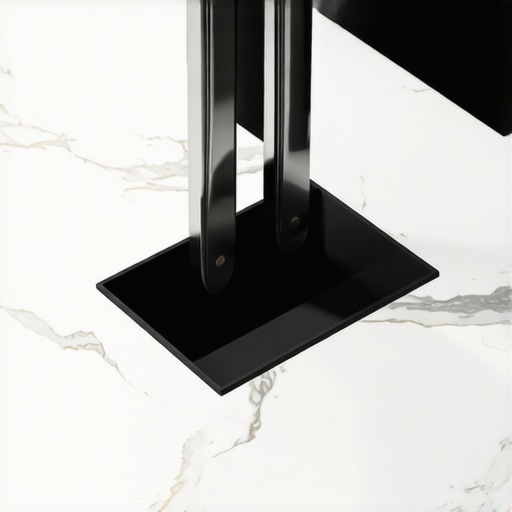
The Stealth Knife Block: Why Your Counters Need a Slot, Not a Box
I remember the exact moment I realized my old wooden knife block had to go. It wasn’t because it looked dated—though it certainly did—it was because I was trying to prep a massive holiday meal and the thing was literally in the way of my cutting board. I reached for my chef’s knife, and the whole bulky box tipped over, narrowly missing my toes. It was a messy, frustrating realization that we’ve been conditioned to accept these ‘countertop anchors’ as the only way to store blades. I’ve spent years helping homeowners find smart storage ideas to maximize your kitchen space, yet for a long time, I made the same mistake of prioritizing convenience over actual workflow. I even tried those magnetic strips once, but I ended up with scratched blades and a wall that looked like a medieval armory. Today, I’m going to show you why the stealth knife slot—integrated directly into your countertop or custom cabinetry—is the upgrade you didn’t know you needed. We are going to solve the eternal struggle of the ‘cluttered prep zone’ once and for all.
Stop Letting Your Knife Block Steal Your Workspace
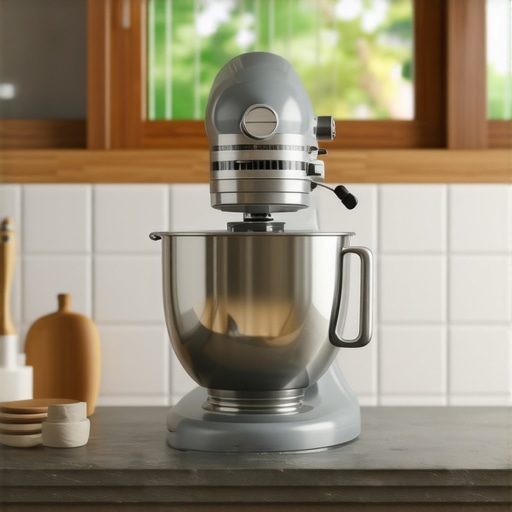
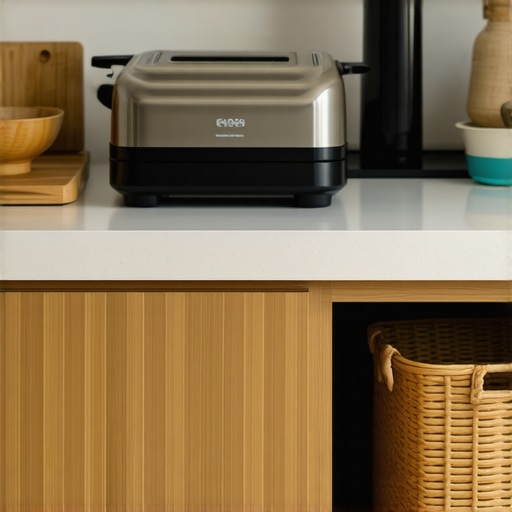
When you are planning modern kitchen remodels featuring custom cabinets and built-ins, every square inch of stone or quartz is precious. A traditional knife block takes up about the same footprint as a small toaster, but it offers zero versatility. I learned this the hard way when I designed my first kitchen and realized I had no room for my stand mixer because the knife block was hogging the ‘prime real estate’ near the outlets. Did you know that those deep, dark slots in a traditional block can actually harbor mold and bacteria if you aren’t scrubbing them out regularly? According to experts at The Spruce, most people never clean the interior of their blocks, creating a hidden hygiene hazard right where you keep your food prep tools. Integrating a slot directly into a sleek, functional kitchen design solves this by keeping blades protected and out of sight. Have you ever felt like your countertop was closing in on you during a busy weeknight?
Is a hidden slot really worth the extra effort?
Some of my neighbors worry that cutting a hole into a beautiful new countertop or dedicated drawer is ‘too permanent.’ I get it. We’re taught to keep things flexible. But think about how often you actually change your knife set. For most of us, those high-quality blades are a lifetime investment. By committing to a stealth slot, you aren’t just hiding tools; you are reclaiming the flow of your kitchen. It’s about moving toward innovative storage solutions that respect the architecture of the room. I’ve seen this one small change turn a cramped prep area into a chef-worthy station. Let’s look at how we can actually make this transition happen without ruining your aesthetic.
Mapping Your Workflow Before You Cut
The biggest mistake I see when discussing expert tips on selecting storage solutions for a perfect kitchen upgrade is placing the knife slot where it looks stylish rather than where you actually stand. Think of your kitchen like an assembly line. If you are right-handed, your knives should live just to the right of your primary chopping zone. I once watched a client pace back and forth because they had placed their knife block on the far side of the sink, away from the prep island. We ended up retrofitting a slot into the island’s end-grain block later on. When you are planning, stand at your main workspace and reach for your chef’s knife. That natural landing spot is exactly where your slot belongs.
Choose Between Stone Slots or Custom Drawer Inserts
You have two primary paths for stealth storage. The first is a literal slot cut into your stone or wood countertop. This works beautifully with butcher block, but you must avoid the butcher block mistake why you should never bolt it directly to cabinets because wood needs room to expand and contract. If you have quartz or granite, a stone fabricator can mill a narrow aperture, but keep in mind it is permanent. The second, and often more flexible path, is the custom-milled drawer insert. Many homeowners find that why two-tiered cutlery trays are better than single-wide dividers also applies to professional knives. We can build a tiered staircase of wood inside a top drawer that holds a full set of blades. Last summer, I helped a family in Vancouver who wanted to declutter. We used a transform your kitchen with custom cabinets expert guide for 2025 approach and built a drawer that felt like a secret compartment. They gained three square feet of counter space and the kitchen instantly felt more professional.#IMAGE_PLACE_HOLDER_B#
Keep Your Blades Sharp and Your Fingers Safe
If you go with a countertop slot, you aren’t just dropping knives into a dark void. You need a protective sheath built into the cabinet structure below. Without it, you are essentially dangling razor-sharp steel into your storage area. Imagine reaching for a mixing bowl and catching the tip of a paring knife with your knuckle! I always recommend lining these internal slots with cork or soft wood like pine. This protects the edge of the knife from hitting stone or hard plastic every time you put it away. For those dealing with limited room, exploring smart storage solutions for small kitchens in 2025 can provide additional ways to nestle these protectors into existing cabinet frames.
The Structural Truth About Retrofitting
Integrating these features is a custom cabinets as a game changer in your kitchen remodel journey, but it requires checking your cabinet’s bones before you start cutting. You cannot just drop a slot if a support rail or a plumbing line is in the way. I remember a project where we had to move a whole drawer slide over by two inches just to accommodate a professional-length bread knife. It was a headache in the moment, but that level of technical detail is what separates a generic remodel from a truly custom culinary workspace. Every inch of your cabinet structure must be measured against the length of your longest blade to ensure you don’t puncture a drawer bottom below.Most people think that once they’ve decided on a location for their hidden knife slot, the hard part is over. In reality, that’s just the beginning of the technical hurdles. A common mistake I see is the ‘Universal Slot Fallacy’—the belief that one size fits all. If you build your slot too narrow for a wide cleaver or too shallow for a long slicing knife, you’ve essentially created a permanent design flaw. While we all love custom cabinets ideas that transform your homes style, you have to ensure your storage evolves with your gear. I always tell my clients to measure their widest and longest blades twice, then add a 15% buffer. Have you ever fallen into the trap of building something so specific it became useless when you bought a new tool? Let me know in the comments.
Should you be worried about chemical off-gassing from your cabinet finish?
This is a question I get from professional chefs who own multi-thousand-dollar knife sets. The hidden danger isn’t just the physical slot; it’s the chemistry inside the cabinet. If you use a lower-quality finish, the trapped air inside a custom knife sheath can harbor volatile organic compounds (VOCs). I’ve seen beautiful Japanese steel develop strange patinas because the blades were sitting in a ‘gas chamber’ of curing lacquer. Understanding the difference between pre-catalyzed and post-catalyzed cabinet lacquer is vital here; you want a finish that cures quickly and completely without long-term off-gassing. According to experts at Fine Woodworking, certain woods like oak are naturally acidic and can actually accelerate corrosion on high-carbon steel if moisture is present. This is why expert tips on selecting storage solutions for a perfect kitchen upgrade usually suggest using neutral, tight-grained woods like maple for the internal dividers. #IMAGE_PLACE_HOLDER_C#
Avoid the Depth of Field Trap
Another ‘oops’ factor many homeowners face during modern kitchen remodels featuring custom cabinets and built-ins is ignoring handle clearance. It’s one thing to have a slot for the blade, but if the handles are too close together, you’ll find yourself pinching your fingers every time you reach for the chef’s knife. You need at least 1.5 inches of ‘air’ between handles to ensure a safe, ergonomic grip. This is where custom cabinets as a game changer in your kitchen remodel journey really proves its worth—you aren’t just fitting items into a box; you are designing for the human hand. If you are struggling with a tight layout, you might even consider smart storage solutions for small kitchens in 2025 that utilize staggered heights for the handles, allowing them to nestle together without touching. It’s these tiny, advanced nuances that determine whether your kitchen feels like a high-end workshop or a frustrating puzzle.I personally don’t step onto a job site without my iGaging Digital Caliper. It might seem like overkill for a kitchen remodel, but when you are milling a slot for a $600 Shun knife, ‘close enough’ is an expensive mistake. I use it to measure the thickest part of the bolster to ensure the blade seats perfectly without the handle ever touching the stone. If you want results that look like a professional magazine spread, you need to use the one tool you need for perfectly aligned cabinet knobs every time and apply that same obsessive precision to your knife storage. I have seen too many DIY attempts where the slot is so wide it looks like a mail slot rather than a precision-engineered culinary feature. Looking ahead, I predict we are moving toward fully magnetized, antimicrobial-lined inserts that are completely modular. Imagine a cabinet that can detect the moisture level on your blade and activate a small, silent fan to prevent rust. We aren’t quite there yet, but custom cabinets as a game changer in your kitchen remodel journey are already starting to incorporate these hyper-specialized zones. The goal is to move away from one-size-fits-all and toward a kitchen that truly understands the tools it holds. #IMAGE_PLACE_HOLDER_D#
How do I maintain these hidden compartments over time?
The biggest concern I hear from homeowners is about hygiene and debris. If you have ever wondered how to stop your sink cabinet from smelling like mildew, the same principles apply here: airflow and cleanliness. Every six months, I recommend using a narrow vacuum crevice tool—the kind meant for car detailing—to suck out any dust from the slots. If you have a custom drawer insert, pull it out entirely and wipe the base once a year. For those with high-end drawers, remember that why your soft close slides grind and the quick lubrication fix often comes down to simple sawdust or kitchen grit getting into the tracks. A quick blast of compressed air and a drop of dry Teflon lube will keep the action feeling like butter. According to the National Kitchen & Bath Association (NKBA) Planning Guideline 12, safe storage must prioritize accessibility without requiring the user to reach over heat sources. This is why I always advocate for placing stealth slots on the prep island rather than the back counter. My advanced tip for you this week: before you commit to any permanent cut, take your digital caliper, measure your three most-used knives, and build a cardboard mockup. If it feels tight in cardboard, it will be a nightmare in quartz. Try this mockup phase before your fabricator arrives; it is the difference between a kitchen that works and a kitchen that just looks like it does.
Hard Lessons from My Most Complex Kitchen Installs
After years of installing high-end cabinetry, I’ve learned that the biggest mistake people make is ignoring the ‘breathability’ of the slot. I once returned to a client’s home six months after a project to find their favorite paring knife had developed a spot of rust. Why? Because we hadn’t accounted for the humidity trapped in a tightly sealed wooden cavity. Now, I always insist on a small ventilation gap at the bottom of the sheath. I’ve also found that the hidden magnetic catch is a brilliant way to secure knife-heavy drawers, ensuring they stay flush against the cabinet frame even when the drawer is loaded with professional-grade steel. Another ‘lightbulb moment’ for me was realizing that these slots aren’t just about style; they are a massive safety upgrade. By moving blades from a wobbly block on the counter to a dedicated, secure slot, you eliminate the risk of a knife being bumped off or grabbed by curious little hands.
#IMAGE_PLACE_HOLDER_E#
Gear and Guides for a Flawless Execution
If you are planning to DIY this or simply want to speak the language of your contractor, you need the right reference points. I always keep a copy of The Architect’s Studio Companion on my desk to double-check structural clearances, but for the actual execution, I rely on a few specific tools. Beyond my digital calipers, I never start a layout without the one tool you need for perfectly aligned cabinet knobs every time, as it helps me maintain the exact vertical alignment required for a row of knife handles. For finishing the internal wood, I only trust food-grade mineral oils or waxes that won’t off-gas or react with high-carbon steel. If you’re looking for deep inspiration on how to blend these features into your overall layout, I highly recommend studying the portfolio of Henrybuilt; they are the undisputed masters of integrated kitchen utility.
Ready to Reclaim Your Countertop for Good?
Stepping away from the traditional knife block is more than just a storage choice—it’s a commitment to a more intentional way of cooking. When you clear the visual noise of a cluttered prep zone, you create space for creativity and focus. By creating seamless kitchen remasters with built-in storage solutions, you are transforming your home into a professional-grade workshop that works in harmony with your movements. Embracing custom cabinets as a game changer in your kitchen remodel journey allows you to stop fighting against your kitchen and start enjoying the flow of a perfectly organized space. It’s time to stop settling for ‘good enough’ and start designing for the way you actually live. Have you ever had a knife block tip over at the worst possible moment, or are you still loyal to the traditional wooden block? Let me know your biggest kitchen storage frustration in the comments!