Why Your Cabinet Doors Won’t Stay Closed in High Humidity
I remember the exact moment I realized my cabinet doors were fighting against me. It was a hot, sticky summer afternoon, and I opened my kitchen cabinet to grab a glass. Instead of swinging shut gracefully, the doors stubbornly bounced back open as if they had a mind of their own. Frustration swelled up—I mean, who has time to constantly fiddle with cabinet doors? That lightbulb moment made me dive headfirst into understanding why high humidity was sabotaging my storage solutions.
Dealing with Persistent Cabinet Door Issues? You’re Not Alone
Will This Ever Stop Being a Problem? The Biggest Skeptic’s Question
Honestly, I was skeptical at first, thinking maybe I just installed the hinges wrong or used cheap materials. But early on, I made the mistake of ignoring the environment’s impact—assuming my sturdy cabinetry could handle anything. That was a costly misconception. What I’ve learned since then is that high humidity doesn’t just cause minor inconvenience; it fundamentally affects how cabinet doors behave. Staying on top of this issue can save you time, money, and a whole lot of annoyance. Want to know how I finally got those doors to stay shut? Stick around, because the solution is simpler than you might think, and it’s backed by both experience and expert advice.
Establish a Stable Environment to Prevent Swelling
The first and most crucial step is controlling the humidity in your kitchen. Use a dehumidifier or air conditioner, especially during peak summer months, to maintain consistent moisture levels around 40-50%. For example, I installed a portable dehumidifier after noticing my cabinets swelled during a particularly humid summer; within days, the swelling reduced, and doors operated smoothly. This simple change acted like a health booster for my cabinetry, preventing future issues.
Choose the Right Hardware and Adjustments
Select Durable Hinges Designed for Moisture
Opt for hinges made of stainless steel or with a protective coating to resist corrosion and warping caused by humidity. When I replaced my old hinges with these, I observed fewer sticking problems and increased longevity. Check the hinge specifications carefully, and if you’re unsure, consult experts or browse trusted sources such as storage solutions advice.
Properly Adjust and Lubricate Hinges
Often, misaligned hinges contribute to doors sticking or bouncing back open. Use a screwdriver to nudge hinges into perfect alignment and lubricate the pivot points with silicone spray—this reduces friction and prevents sticking. I did this on a rainy day when my cabinets refused to close; the quick realignment made a noticeable difference instantly.
Implement Sealers and Protective Coatings
Applying sealers or varnishes formulated for high humidity areas creates a barrier, shielding the wood from moisture absorption. After sanding my cabinet surfaces, I applied two coats of a moisture-resistant finish—this kept the wood stable and reduced swelling. For more insights on achieving sleek, protected finishes, explore built-in storage hacks.
Strategic Ventilation and Insulation
Ensuring your kitchen has proper ventilation minimizes excess moisture. Installing vents or exhaust fans reduces humidity peaks during cooking and cleaning. Additionally, insulating cabinet walls prevents temperature fluctuations that cause condensation. I upgraded my kitchen with vent fans and added foam insulation behind the cabinets, which kept moisture at bay and stabilized my doors. This approach is especially important for homes in humid climates.
Regular Maintenance and Monitoring
Set a schedule to inspect your cabinets periodically, checking for signs of swelling or hardware misalignment. Promptly address small issues before they escalate—tighten loose hinges, reapply sealers if necessary. Monitoring humidity levels with a hygrometer ensures your environment stays within optimal ranges—think of it as checking vital signs for your cabinetry’s health. Staying vigilant has helped me maintain smooth operation over years, saving money on replacements.
Consider Custom Solutions for Persistent Problems
If humidity continues to be a challenge, custom cabinetry with moisture-resistant materials might be the solution. Materials like bamboo or high-grade plywood with proper sealing resist warping better than standard MDF. Explore options and design tailored solutions by visiting custom cabinet ideas. Investing in high-quality materials and specific design considerations ensures lasting performance against humidity issues.
Many homeowners assume that choosing built-ins or custom cabinets is just about selecting a style or material, but the real mastery lies in understanding the nuances that often go unnoticed. For example, a common misconception is that standard measurements and generic solutions fit all spaces. In reality, the most effective storage solutions are tailored, considering the unique quirks of your space and how you interact with it. Expert designers emphasize that a well-crafted cabinet isn’t just about aesthetics—it’s about optimizing functionality and longevity, especially in high-humidity environments where materials and hardware choices become criticalexpert advice.
One trap I see many fall into is underestimating the importance of airflow and moisture control in cabinetry, particularly in kitchens and bathrooms. Many assume that sealed, painted cabinets are sufficient, but without proper ventilation, even the sturdiest materials can warp and fail prematurely. This oversight can turn a once-beautiful kitchen into a maintenance nightmare. Instead, integrating strategic vents or using moisture-resistant materials can prevent those costly surprisesmodern remodeling insights.
From an advanced perspective, understanding the structural differences between face-frame and frameless cabinets can dramatically influence durability in humid climates. While many believe there’s no significant difference, studies suggest that face-frame designs often provide better support for heavy doors and hardware, which translates to longer-lasting installations in challenging conditionsniche expert research. Moreover, selecting the appropriate hinges and hardware—like stainless steel or those with advanced corrosion resistance—is crucial, especially for daily use and long-term performance.
Another advanced nuance is the significance of detailed planning for corner cabinets and awkward spaces. A lazy Susan might seem like the go-to, but innovative pull-out solutions or custom insert systems can drastically improve accessibility and utilization. This is where understanding the latest storage innovations, such as vertical dividers or hidden compartments, truly pays offstorage innovation.
Making errors in these areas can be costly, not just financially but also in terms of design integrity. It’s vital to work with professionals who understand these intricacies and can tailor solutions accordingly. Remember, a bespoke approach maximizes space, enhances usability, and stands the test of time. Do you think you’re overlooking any of these finer points in your next project? Let me know in the comments.
For more on elevating your kitchen storage, explore our [expert tips on selecting storage solutions](https://artisancabinetworkz.com/expert-tips-on-selecting-storage-solutions-for-a-perfect-kitchen-upgrade) and unlock the potential of every inch in your home.
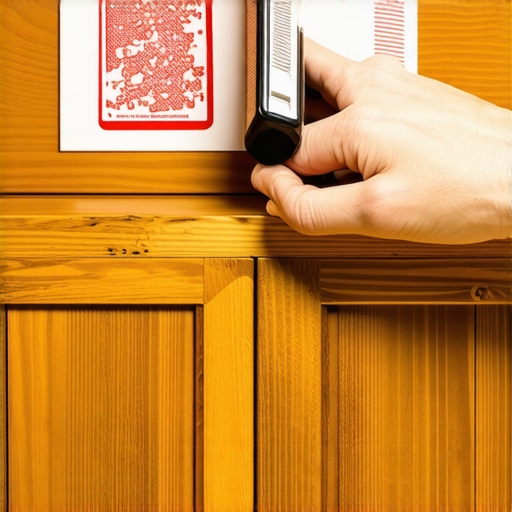
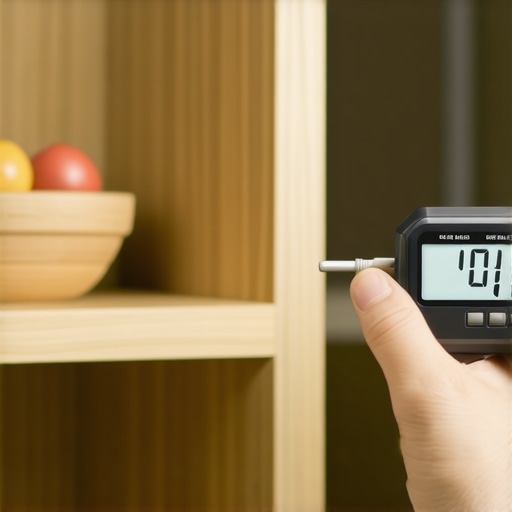
Maintaining your custom cabinets and built-ins requires more than just occasional cleaning; it involves using the right tools and methods to ensure longevity and performance. One indispensable device I’ve found invaluable is a digital moisture meter. Unlike traditional hygrometers, my digital meter provides precise readings down to the decimal point, allowing me to monitor humidity levels within my cabinets, especially in high-humidity environments. This proactive approach helps prevent swelling and warping before they become visible issues, and I recommend checking levels weekly during humid months. Expert advice underscores the importance of consistent moisture monitoring for durability.
For hardware adjustments, a high-quality Phillips screwdriver with magnetic tips proves essential. It enables quick, accurate alignment of hinges and pulls without slipping or damaging finishes. I personally prefer one with a cushioned grip for comfort during prolonged sessions, and I keep it sharp to prevent stripped screws. Upgrading to an impact driver with adjustable torque is also a game-changer, especially when dealing with stubborn fasteners or installing new hardware. It reduces hand fatigue and speeds up the process significantly.
When it comes to cleaning and lubricating hinges, I use a silicone-based spray that creates a protective film, preventing dust accumulation and corrosion. Regular application, say every three to six months, keeps hinges operating smoothly, especially in kitchens prone to moisture. For thorough inspection and maintenance, a headlamp helps illuminate tight spots, ensuring I don’t miss any early signs of hardware wear or wood swellings. Incorporating these tools into your routine transforms maintenance from a chore into a streamlined task that extends your cabinetry’s lifespan.
What about long-term results? I believe investing in proper tools today pays off by reducing future repair costs and preserving aesthetic appeal. As cabinetry hardware technology advances, look for tools that adapt—smart moisture monitors that sync with your phone or cordless impact drivers with customizable settings are just around the corner. Predicting these trends helps you stay ahead and keep your storage solutions functioning flawlessly over time. For example, I plan to try the latest impact driver models that incorporate Bluetooth connectivity—it’s a small step but could revolutionize maintenance routines.How do I keep my built-ins working seamlessly over years? Routine inspections paired with the right tools are key. Scheduling a monthly check using your moisture meter and lubricating hinges as needed can prevent minor issues from escalating. Additional protective coatings or sealers can be reapplied periodically, especially in climates with fluctuating humidity, to maintain a stable environment. Remember, these small preventive measures, combined with reliable tools, ensure your cabinetry functions smoothly and looks impeccable for years to come. For a deep dive into optimal storage designs that complement these maintenance practices, explore built-in storage solutions.
As I reflect on my journey transforming a humid kitchen into a resilient haven for beautifully crafted built-ins, a few lessons stand out as timeless insights. First, the misconception that standard materials and hardware are sufficient often leads to unnecessary setbacks, especially in high-moisture environments. Embracing moisture-resistant materials and proactive environment control truly changed the game, saving costs and frustration. Secondly, customization isn’t just about aesthetics—it’s about tailoring storage solutions that withstand the unique challenges of your space. Recognizing the subtle differences in hinge quality or sealing techniques made all the difference in optimizing longevity. Lastly, always think ahead—invest in the right tools and regular maintenance routines; they’ll pay dividends, ensuring your cabinets stand the test of time and humidity, turning your space into a harmonious blend of form and function.