The Soft-Close Piston Fix for Cabinets That Suddenly Started Slamming
It was a typical Saturday morning, sunlight streaming through the kitchen window, when I opened my cabinet to grab a glass. Instead of the gentle, reassuring close I used to love, I was met with a loud bang that echoed through the space. My heart sank. That abrupt slam was the first sign that something had changed—my custom cabinets were suddenly making a ruckus, and I couldn’t ignore it anymore.
Why Your Kitchen Cabinets Are Suddenly Slamming and What It Means for You
Having been through my own battle with noisy, slamming cabinets, I understand how frustrating it can be. These aren’t just about annoyance; loud slams can actually damage your cabinets over time and disturb the entire household. The good news? There’s a surprisingly simple fix that doesn’t involve ripping out and replacing your entire storage setup.
Is the Soft-Close Piston Fix Really Worth the Hype?
Early on, I made the mistake of assuming that these loud closures were just a normal part of aging or cheap hardware. I didn’t realize that improper installation or worn-out dampers could be the culprits. It’s essential to recognize that these pistons are a key player in your cabinet’s functionality. Trust me, when I finally replaced mine with the correct dampers, the difference was night and day. If you want to explore smarter storage ideas, you might check out smart storage solutions that can complement your cabinet upgrades.
Now, let’s dive into how you can stop that noise, protect your investment, and enjoy cabinets that close softly and smoothly—just like they should have from the start. Ready to get your kitchen back in harmony? Let’s dig into the practical steps.
Remove and Assess the Damaged Dampers
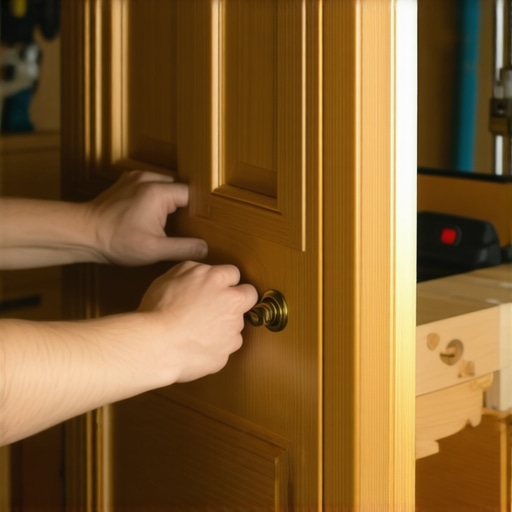
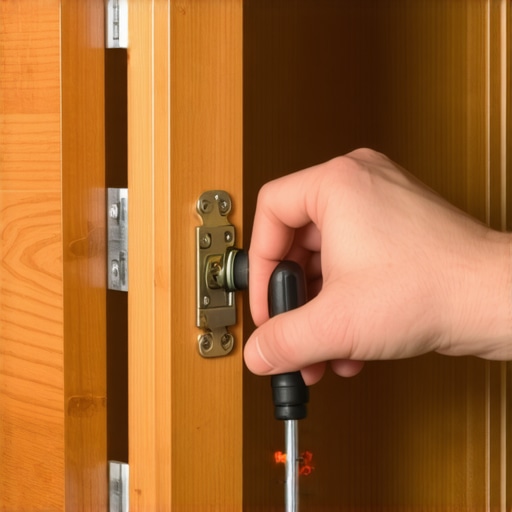
Start by opening each cabinet and inspecting the existing soft-close pistons. I once spent an entire afternoon pulling out a stubborn drawer and realizing the damper was rusted. Use a screwdriver to detach the dampers carefully. If they show signs of wear or corrosion, replace them immediately. Visiting your local hardware store or ordering from a reliable supplier ensures you get the right fit. Remember, choosing high-quality dampers can prevent future issues and prolong the lifespan of your cabinets. For expert guidance on selecting the best hardware, check out storage solutions expertise.
Replace Dampers with Correct Models
Installing the right dampers is like giving your cabinets a gentle handshake instead of a shove. Measure your old dampers or bring one to the store for comparison. Be precise—incorrect models can lead to ineffective soft-close functions or new noises. I learned this the hard way when a mismatched damper caused a thud instead of a whisper. Once I installed proper dampers, the difference was instant. For detailed installation tips, revisit built-in storage solutions.
Adjust Tension for Perfect Closure
Not all dampers are set to the same tension out of the box. Adjusting the tension screw helps you find the sweet spot—closing softly without slamming. I found that turning the screw clockwise increased resistance, making the cabinet close more gently. This minor tweak transformed my kitchen experience, reducing noise and preventing damage. Take your time, test after each adjustment, and aim for a smooth, controlled closure. For in-depth guidance, see modern kitchen remodels.
Test and Fine-Tune Each Cabinet
After initial adjustments, test every door multiple times. In my case, I discovered that some hinges needed slight realignment to ensure even closing. Use a measuring tape or a level for accuracy and tweak hinges or damper tension as needed. Small changes can make a big difference—when I finally aligned all doors, my cabinets closed effortlessly, creating a serene kitchen environment. Consistency is key; repeat these steps across all units. For more on optimizing cabinet alignment, explore molding and alignment techniques.
Seal and Finish for Long-Term Silence
If you notice squeaks or residual noise, applying a silicone spray or lubricant to hinges and dampers can help. I used a gentle spray on my cabinets, avoiding excess that could attract dust. Regular maintenance prevents future squeaks and keeps your doors closing smoothly. For advanced maintenance tips, see dampers and hardware upkeep.
These straightforward steps turned my noisy, clattering cabinets into quiet, graceful closers. Like tuning a musical instrument, patience and precise adjustments are everything. With practice, you can restore peace to your kitchen and protect your investment—sooner than you might think.
Many homeowners believe that choosing the latest trendy cabinets or stacking high-end appliances guarantees a flawless kitchen upgrade. However, **what most people get wrong** is focusing solely on aesthetics or superficial features while neglecting structural nuances and practical storage intricacies. For example, a common myth is that custom cabinets automatically solve storage issues. In reality, without **deep planning and understanding of spatial dynamics**, even the most luxurious cabinetry can fall short of functionality. To truly elevate your remodel, consider how built-ins and tailored storage can be designed collaboratively with your space’s unique flow. Often, homeowners overlook the importance of proper load-bearing considerations or misjudge the flexibility of modular components, which can lead to costly adjustments later.
Advanced Storage Strategies for Serious Homeowners
One advanced mistake is underestimating the significance of integrating **smart, flexible storage solutions** early in the design process. Experts recommend exploring smart storage ideas for maximizing efficiency, especially in kitchens with limited space. Additionally, many assume built-ins are only suitable for traditional styles, but with innovative design techniques, you can achieve seamless integration that amplifies your home’s modern appeal. A critical nuance is selecting materials and hardware that withstand daily use and humidity, preventing costly repairs or replacements down the line. As emphasized in industry research, **misaligned expectations and neglecting structural considerations** are among the top reasons remodels encounter setbacks. Having a precise plan that accounts for **load support, accessibility, and future adaptability** can make or break your project’s success. Don’t forget to examine your existing waste zones or unused nooks—these spaces can be transformed into **hidden, functional storage** if approached intelligently. For an in-depth walkthrough, take a look at revolutionize your kitchen with built-ins. Always remember, a well-thought-out design paired with expert execution is key to avoiding the trap of aesthetic-only upgrades that don’t serve your daily needs.
Have you ever fallen into this trap? Let me know in the comments.
Maintaining your custom kitchen cabinets and storage solutions over time requires the right tools and a proactive approach. Personally, I rely heavily on a few specific items that have proven invaluable in ensuring long-term functionality and aesthetics. First, a high-quality, soft-bristle toothbrush and a microfibre cloth are essential for gentle cleaning around hinges and intricate moldings. I find these tools prevent scratches and keep hardware looking new without the need for harsh chemicals.
Next, I use a precision screwdriver set with interchangeable bits—this allows me to tighten or adjust hinges and latches precisely, preventing issues like loose pulls or misaligned doors. For lubricating moving parts, I opt for a silicone-based spray specially formulated for cabinetry hardware. It is resistant to dust and doesn’t attract dirt, which helps maintain smooth operation over years of use. For those interested in detailed maintenance records, I recommend using digital tools like Evernote or Notion to track adjustments and repairs; it keeps everything organized and ready for future audits.
Looking ahead, I anticipate the trend toward smart home integration will expand into kitchen hardware maintenance. Imagine sensors that notify you when dampers or hinges need lubrication or replacement—this proactive tech will simplify long-term upkeep. Companies like Philips and Samsung are already exploring appliance and hardware sensors that can alert homeowners via smartphone apps, and I believe this technology will become standard in high-end cabinetry systems by 2030.
How do I maintain my kitchen storage and built-ins and ensure they last?
Consistent cleaning and periodic hardware checks are vital. Regularly removing dust and grease that accumulate around hinges, slides, and seals using a soft brush or vacuum attachment prevents buildup that can impair function. Additionally, inspecting for signs of wear or corrosion—especially in humid environments—allows you to replace damaged dampers or lubricate hinges early. When it comes to clever storage, I recommend consolidating frequently used items into easily accessible drawers and installing soft-close mechanisms to prevent wear caused by slamming. For inspiration on optimizing space, check out smart storage ideas.
To keep your cabinetry working flawlessly, I suggest applying a silicone-based lubricant every six months to hinges and slides. This simple step enhances durability and maintains silent closure—saving you from sagging doors or noisy operation. Remember, investing time in maintenance pays off in the form of preserved value and seamless functionality. For detailed hardware maintenance tips, explore dampers and hardware upkeep.
Try incorporating a monthly cleaning routine using these tools and techniques—you’ll notice how much longer your custom cabinets stay looking pristine and functioning smoothly. Maintaining your space is not just about cleaning; it’s about preserving the craftsmanship and thoughtful design behind your remodel, ensuring it serves you well for years to come.
Three Surprising Lessons I Wish I Had Known Sooner
- Details Matter More Than You Think: Small nuances like damper tension or hinge alignment can make or break your cabinet’s functionality. A tiny adjustment transformed my entire kitchen experience, proving that perfection often lies in the details.
- Invest in Quality Hardware Early: Skimping on dampers or slides may save money upfront but costs more in frustration and repairs later. Choosing reliable components from the start saved me time and new headaches down the road.
- Plan for Flexibility in Storage: Spaces designed without future needs in mind quickly become restrictive. Incorporating adjustable shelves or modular elements keeps your kitchen adaptable as your needs evolve, avoiding costly renovations later.
- Regular Maintenance Is Key: A little upkeep, such as lubricating hinges or inspecting dampers, extends the life of your cabinetry and keeps everything operating smoothly. Preventative care saves money and preserves your investment over time.
- Balance Aesthetics and Functionality: It’s tempting to chase trendy looks, but practical storage solutions truly elevate your space. Thoughtful design ensures your kitchen looks great while meeting everyday needs.
Tools and Resources That Changed My Approach
- Smart storage ideas: A treasure trove for maximizing space creatively and efficiently, especially in tight areas.
- Built-ins insight: Deep dive into seamless integration techniques that make cabinetry both beautiful and highly functional.
- Expert hardware advice: Ensures your components withstand daily use and stay quiet for years to come.
- Remodel guides: Step-by-step strategies for transforming space without unnecessary demolition or expense.
Your Next Move Starts Here
Applying these lessons can turn your kitchen from a noisy, inefficient space into a sanctuary of function and tranquility. Embrace these insights, and don’t be afraid to experiment with innovative storage and cabinetry ideas. Every project is a chance to learn and refine your space; mastery comes from action and perseverance.
What’s one storage or cabinet adjustment you’ve been hesitant to try? Share your thoughts below—I’d love to hear your experiences and challenges!