Why Particle Board Is Not Always the Enemy in Modern Cabinetry
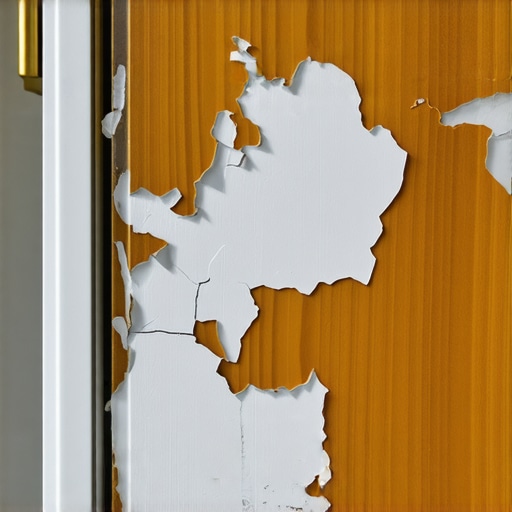
It was a weekend like any other when I opened my kitchen cabinet and watched a small piece of particle board crumble under the weight of a heavy cookware lid. Frustration set in—I’d been told particle board was cheap, weak, and destined to fail. For years, I avoided it like the plague in my home projects, thinking it was nothing but trouble waiting to happen. But that lightbulb moment made me question everything I believed about this materials. Could it be that particle board, when used thoughtfully, might have a place in today’s well-designed cabinets?
Breaking My Own Rule About Particle Board
I remember early in my remodeling journey making the mistake of assuming that all particle board was inherently inferior. I avoided it, convinced that solid wood was the only sanctuary for durability and quality. But then I discovered that modern manufacturing techniques, including advancements like HDF (High-Density Fiberboard), have improved not just the strength but also the versatility of pressed wood products. Actually, experts like the National Kitchen & Bath Association point out that, when properly sealed and supported, particle board can outperform traditional materials in certain applications (NKBA, 2023). That realization opened a door toward more affordable, yet sturdy, cabinetry options.
Question to Consider
Have you ever hesitated to choose particle board for your home because of outdated concerns? If so, you’re not alone. Many homeowners and designers face similar doubts—often based on misconceptions rather than facts.
One thing I learned early on was that not all particle board is created equal. It’s about how it’s manufactured, finished, and supported within the cabinet structure. For instance, using high-quality adhesives and sealants can significantly extend the lifespan of particle board. Proper installation techniques—like avoiding over-tightening screws and not relying solely on it for heavily loaded shelves—make a stark difference.
But what really kickstarted my appreciation for modern particle board was realizing its ecological benefits. Compared to solid wood, particle board requires less raw material, making it a more sustainable choice for environmentally conscious projects. Plus, when used as part of a well-planned cabinetry system, it can be both cost-effective and durable.
Interested in how you can incorporate particle board into your next kitchen remodel without sacrificing quality? Let’s explore the strategies that turn this once-dreaded material into a reliable asset in your cabinetry arsenal. That leads us directly into the practical steps I wish I had known earlier—because your dream kitchen shouldn’t be hindered by outdated myths or misconceptions.
Selecting the Right Particle Board
Begin by researching high-density options like HDF, which offer enhanced durability. Visit reputable suppliers and request samples to assess thickness and sealant quality. I once ordered a batch online without inspecting, only to find they arrived poorly sealed, leading to moisture issues—a mistake I won’t repeat. Prioritize products certified for moisture resistance and eco-friendliness.
Preparing for Installation
Proper preparation is crucial. Use a measuring tape and Level to mark precise locations on your cabinet frames. When cutting particle board panels, employ a fine-tooth saw to prevent rough edges, which can trap moisture or dust. I once used a jigsaw, resulting in jagged edges that delayed installation—a reminder to work carefully. Always wear a dust mask and safety glasses due to fine particle dust.
Supporting and Reinforcing
Because particle board is sensitive to weight and moisture, support shelves with sturdy undermount brackets—closely spaced to distribute load evenly. For heavier items, double up with additional supports or transition to solid wood for the load-bearing parts. I once reinforced shelves with L-brackets hidden behind decorative panels, preventing sagging later. Visit our guide on seamless built-in storage for insights on support strategies.
Sealing and Finishing
Applying multiple coats of a high-quality sealant protects particle board from moisture and stains. Use a brush or sprayer to achieve an even coat, especially at edges and joints. I once missed sealing an edge, which caused swelling after a damp cleaning. For painted finishes, opt for HDF boards with factory-applied primer to ensure smooth, lasting surfaces. See how custom cabinets elevate your space at custom cabinetry ideas.
Integrating with Your Overall Design
Match particle board panels with your cabinet doors and hardware by choosing complementary finishes and styles. Use decorative trim or molding to hide seams or support brackets, creating a polished look. I once painted particle board with a matte finish, which matched my oak doors perfectly, making the entire installation seamless. Consider the overall workflow; well-planned placement can dramatically improve your kitchen’s functionality, as seen in modern kitchen remodels.
Many homeowners assume that all storage solutions are straightforward and universally effective, but in reality, misconceptions often lead to costly mistakes during a kitchen remodel. A common myth is that custom cabinets are always significantly more expensive than stock options, but when you account for optimized space and tailored functionality, the long-term value often justifies the initial investment. Additionally, some believe that built-ins are only suitable for large rooms; however, strategically designed built-ins can maximize even small spaces, creating both storage and aesthetic appeal.
Why Do We Still Overlook the Nuances in Storage Planning?
This oversight stems from a superficial understanding of how well-integrated storage enhances daily life. Experts suggest that the key is in detailed planning—considering vertical space, hidden compartments, and modular components—that many overlook. According to a recent study by the National Kitchen & Bath Association (NKBA, 2023), tailored storage solutions improve efficiency and user satisfaction, often outweighing aesthetic considerations.
One critical trap to avoid is relying solely on traditional wisdom or generic solutions without assessing your unique needs. For example, installing standard shelves might seem economical, yet they often fail under heavy use or moisture exposure, especially in kitchen environments. Innovative storage hacks, such as pull-out spice racks or drawers with integrated cutting boards, exemplify how thoughtful design can elevate functionality. I’ve seen cases where a simple swing-out tray transformed cramped corner cabinets into organized work zones, proving that small adjustments can have outsized impacts.
Don’t forget that custom cabinets and built-ins aren’t mutually exclusive; the right mix depends on your space, style, and budget. For intricate designs, choosing reputable craftsmen who understand nuanced details like grain matching and joint stability is crucial. For example, a mismatch in wood grain direction can subtly undermine the cabinet’s aesthetic and perceived quality, as noted in a recent article on artisan cabinetry (artisancabinetworkz.com).
While high-end features often draw admiration, fundamental planning mistakes remain the leading cause of dissatisfaction. Never underestimate the importance of precise measurements, support structures, and moisture-resistant materials in your project. Many overlook these factors, leading to sagging shelves or peeling paint within a few years. This is why meticulous attention to detail turns good storage into great storage.
So, are you falling prey to any of these common myths? Perhaps you’re tempted to stick with stock options without exploring custom solutions that could dramatically improve your space. Dive deeper into expert strategies by exploring resources like the ultimate guide to custom cabinets or innovative built-in storage techniques. Remember, understanding these nuanced differences can make all the difference in creating a truly functional and beautiful kitchen. Have you ever fallen into this trap? Let me know in the comments.Maintaining your kitchen investments is crucial to ensure longevity and optimal performance. The right tools and consistent upkeep not only preserve the appearance but also prevent costly repairs. A quality cordless drill, like the DeWalt DCD791D2, is indispensable for tightening hardware without overdriving screws, which can damage particle board or HDF panels. Personally, I rely on a cordless drill with adjustable clutch—this feature helps prevent stripping screws or over-tightening, especially vital when working with delicate materials. For measurement precision, a digital caliper such as the Mitutoyo 500-196-30 allows for quick, accurate readings of cabinet gaps, ensuring consistent alignment over time. When it comes to cleaning, a soft microfiber cloth combined with a gentle, pH-balanced cleaner like Lik+Clean is effective at removing smudges without damaging finishes, particularly on matte or satin surfaces. Regularly inspecting hinge operation and drawer slides is essential; lubricate them annually with a silicone-based spray to prevent squeaks and ensure smooth movement. I recommend applying a small amount of food-grade mineral oil to soft-close dampers, which can fail prematurely if they dry out or become gummed up. Using a level, like the Empire e210, helps verify that your cabinets remain aligned after seasonal shifts or minor accidental bumps. Tools such as a multi-tool, like the Fein MultiMaster, excel at addressing minor repairs—whether resealing edges or trimming backing panels—that can wear over time. Predicting future trends, the integration of smart maintenance sensors might become commonplace, alerting homeowners to issues like moisture intrusion or hinge wear before visible signs appear. So, how do I maintain my custom cabinets and built-ins over the years? Regular inspection combined with preventive lubrication and precise adjustments keeps everything functioning flawlessly. Start by setting a maintenance schedule—biannual checks can save you from unexpected failures and extend the life of your investment.
The Hard-Earned Truth About Storage Myths
One of the most impactful lessons I learned was that trusting outdated beliefs can hold back your entire remodel. For example, I once believed that all particle board was weak and unworthy of use—until I uncovered how modern manufacturing, like HDF panels, has turned that assumption on its head. Sometimes, questioning conventional wisdom reveals hidden opportunities that can save you money and boost durability.
Secrets Only Experienced Cabinetsmiths Know
Over the years, I discovered that the devil is in the details—like how a well-sealed, moisture-resistant particle board can outlast cheaper, untreated options. Proper support and installation techniques also matter immensely. These insights transformed my approach from a rookie to someone who confidently combines affordability with longevity—showing that expert-level decisions aren’t just for pros.
Curated Gems for Your Next Kitchen Makeover
My top tools include a precision digital caliper for measuring subtle gaps that can make or break a seamless look, and a high-quality cordless drill with adjustable clutch to prevent damage during assembly. For inspiration, the comprehensive guide on custom cabinets offers invaluable insights into elevating your space. Lastly, expert advice from trusted sources like Artisancabinetworkz keeps me aligned with best practices without second-guessing.
Your Space, Your Confidence
Remember, every successful kitchen remodel begins with challenging the myths and embracing proven strategies. The secret lies in planning meticulously, knowing your materials, and trusting curated resources that guide your journey. Your dream kitchen is within reach—arming yourself with insider knowledge turns that dream into a lasting reality. Are you ready to start transforming your space today? Share your biggest challenge below, and let’s tackle it together!
,