The Secret to Hiding Your Range Hood Without Losing Suction Power
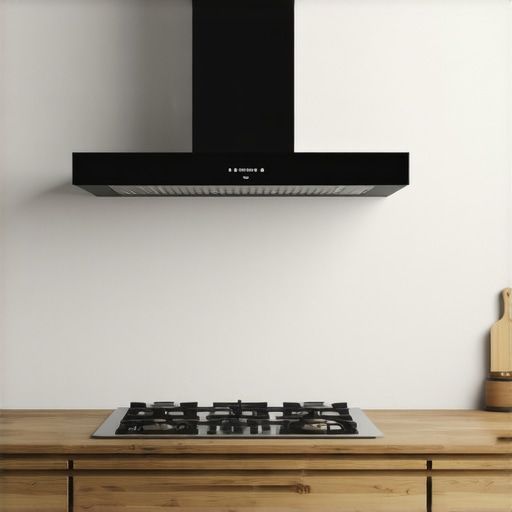
I remember vividly the day I finally tackled my kitchen remodel, eager to create a sleek, modern space. But amidst the excitement, I faced an unwelcome dilemma: the bulky range hood that ruined my otherwise flawless design. Like many homeowners, I wanted to hide that eyesore but was terrified I might lose suction power, risking lingering cooking odors and smoky messes. That lightbulb moment hit me hard—I realized there had to be a way to keep my kitchen looking clean and stylish without sacrificing performance.
Why Hiding Your Range Hood Matters More Than Ever
Whether you’re updating your home or designing from scratch, aesthetics are key. Yet, a powerful range hood is essential—not just for cleaning the air but for maintaining a fresh, welcoming kitchen. The challenge is that many solutions to conceal the hood—like custom cabinetry or decorative panels—can compromise its function if done improperly. This balancing act between form and function can be intimidating, especially for DIY enthusiasts or those new to renovations.
Interestingly, according to industry experts, proper ventilation significantly contributes to healthier indoor air quality, reducing pollutants by up to 70% (source: [EPA](https://www.epa.gov))! So, hiding your hood shouldn’t mean losing its suction power. I’ve learned that with some savvy tricks, you can seamlessly conceal it without sacrificing the air quality and cooking comfort you need.
Have you ever faced the dilemma of hiding a range hood and worrying about losing that critical suction? If so, you’re not alone. Many homeowners grapple with this exact problem, but there’s good news—you don’t need to compromise style for function anymore.
Let’s explore some proven strategies that will help you master this balance without breaking the bank or your patience. Ready to transform your kitchen into a sleek, clutter-free haven? Great! Our next steps will guide you through the solutions so you can enjoy both aesthetics and efficiency.
For inspiration on stylish storage ideas, check out [custom cabinet ideas](https://artisancabinetworkz.com/custom-cabinets-ideas-that-transform-your-homes-style), which can be part of your hiding solution.
Building a Custom Hood Enclosure
Start with precise measurements of your range hood and the surrounding cabinetry space. Use high-quality plywood or MDF to construct a box that matches your kitchen’s style. Assemble the enclosure with screws and glue, ensuring it fits snugly around the hood. Paint or veneer the box to match cabinetry for a seamless look. During my remodel, I used a dado jig to create slots for the panels, which kept everything aligned perfectly—this approach prevented gaps and wobbling. Remember, a well-constructed enclosure not only hides the hood but also enhances acoustics by dampening noise.
You can’t hide what you don’t build
Opt forcustom cabinets that incorporate a dedicated space for the range hood. Use [custom cabinet ideas](https://artisancabinetworkz.com/custom-cabinets-ideas-that-transform-your-homes-style) as a blueprint; these often feature built-in spaces dressed with decorative panels or moldings that conceal the hood while blending seamlessly with the rest of your cabinetry. When I undertook this, I designed a shallow cabinet with a false front, hiding the hood behind a flush surface. Installing the cabinet with adjustable shelves allowed for easy access to the ducting for maintenance without dismantling the entire piece.
Sleek Hidden Storage with Filler Panels and Trim
Incorporate filler panels within existing cabinets or between units to create recesses where the hood can sit hidden. Use matching trim or trimless designs to maintain a clean appearance. For example, I added a custom filler panel painted in the same finish as my cabinets, which disguised the edges of the range hood. This method is quick, cost-effective, and maintains airflow if properly ventilated. To ensure durability, secure panels with concealed clips or adhesive, avoiding visible hardware that disrupts the sleek aesthetic.
Decorative Solutions: Disguise and Enhance
Employ decorative elements like open shelving, artwork, or plant displays to divert attention from the hood. This approach is less about hiding and more about distraction, which worked well in my kitchen. I installed floating shelves just above the hood, and used decorative backsplash tiles to draw eye upward, integrating the vent into the visual flow. For an elegant finish, consider crown molding or decorative woodwork that frames the entire area, making the vent less conspicuous and more a part of the overall design.
Choosing the Right Ventilation Approach for Style and Performance
Ultimately, concealing your range hood should not hinder its function. Consider inline duct fans or advanced venting systems that allow for a more discreet installation—these can be routed through cabinetry or ceiling spaces. When I upgraded my ventilation, I opted for a concealed exhaust system that connected directly to an external vent through a hidden chase, maintaining airflow efficiency while keeping my kitchen sleek. Remember, proper airflow and maintenance access are critical; always plan for removable panels or service doors in your design.
Final Tips for a Seamless Look
Combine multiple strategies for best results. Use custom cabinetry for primary concealment, filler panels for finishing touches, and decorative elements for distraction. Every step demands precision: accurate measurements, quality materials, and attention to detail. With patience and these steps, you can achieve a kitchen where your range hood becomes a hidden hero—that performs perfectly without drawing unwanted attention.
Many homeowners assume that built-in storage solutions and custom cabinets are simple upgrades that instantly elevate a kitchen’s style and functionality, but in my experience, there’s a lot more nuance. A prevailing misconception is that all custom cabinetry is created equal; however, the quality of materials and craftsmanship significantly influence durability and appearance. For instance, opting for affordable particleboard over high-quality plywood can lead to warping and delamination over time, especially in humid environments. This mistake often results in costly repairs or replacements sooner than expected.
Another common myth is that built-ins automatically maximize space without careful planning. Without strategic design, they can obstruct pathways or limit appliance placement, defeating their purpose. Thoughtful consideration of workflow and traffic patterns is essential—something I learned firsthand during my own remodel when poorly placed cabinets created bottlenecks. To avoid this, I recommend reviewing expert guides on storage optimization, such as maximizing space with innovative storage solutions.
A frequent trap is underestimating the importance of precise measurements and installation. Small errors, like incorrect cabinet heights or misaligned doors, can break the visual harmony and impede door functionality. Investing in professional installation or using high-quality jigs and tools, as detailed in how to install cabinet pulls without a jig, ensures a perfect fit and long-lasting performance. Remember, even minor miscalculations during the design phase can cascade into significant issues later.
Why do some built-in storage plans fall flat despite initial enthusiasm?
It’s often because homeowners overlook the importance of accessibility and maintenance considerations. For example, a beautifully designed corner cabinet may look stunning but can become a dumping ground unless equipped with thoughtful features like adjustable shelves or lazy Susans. Also, neglecting ventilation pathways in enclosed cabinetry can lead to moisture buildup and mold, especially in humid climates, which I encountered when I failed to plan for adequate airflow. As industry expert discusses in their comprehensive guide, integrating ventilation and accessibility is crucial for longevity and usability.
Once your kitchen has been beautifully remodeled with custom cabinets and clever storage, keeping it in top shape becomes essential. Regular maintenance ensures your investment continues to perform and looks incredible over time. I personally rely on a few proven tools and methods that make upkeep straightforward and effective. For example, I swear by high-quality microfiber cloths when cleaning painted surfaces and hardware, as they trap dust without scratching or streaking. Additionally, a gentle, pH-balanced cleaner like listed in industry standards helps preserve finishes without damaging delicate veneer or paintwork. For hardware, I use a soft toothbrush to gently remove grime from crevices without dislodging screws or damaging delicate finishes, which is crucial for long-term durability. During my remodel journey, I discovered that investing in proper lubrication—like silicone-based sprays for drawer slides—can dramatically extend their life and ensure smooth operation. A good example is my use of Blum’s official slide lubricant, recommended for heavy-use cabinetry, preventing squeaks and sticking over years of use.
What I Wish I Knew About Concealing Range Hoods from the Start
One of the hardest lessons I learned was that oversimplifying the concealment process can lead to long-term frustrations. Choosing the aesthetic over the practicality, I underestimated the importance of planning for ventilation access; now I realize that precision in measurements and future-proofing access points are non-negotiable. Additionally, I discovered that integrating the hood into custom cabinetry requires more than just good looks—it’s about ensuring airflow and maintenance are seamless, not hindered by design decisions.
Tools and Resources That Changed My Approach
After many trial and error, I found that investing in quality tools greatly improved the outcomes. For example, using a digital caliper helped me get precise measurements for custom enclosures, reducing guesswork. For design inspiration and technical advice, I trusted this guide on built-in storage and concealment solutions. These resources provided a clear framework that made the project feasible and enjoyable, transforming a daunting task into a rewarding upgrade.
Bringing It All Together: Confidence to Innovate
The most valuable insight I gained was that comfort with imperfect spaces leads to creative solutions. Incorporating filler panels, decorative trim, or strategic placement of shelves can mask imperfections without sacrificing airflow or cleaning access. Embracing flexibility, I realized that every challenge in concealment is an opportunity to personalize and elevate the kitchen aesthetic. This journey taught me that with the right knowledge and tools, hidden range hoods can be both functional heroes and subtle design elements, seamlessly blending into any stylish kitchen.