Why Your Kitchen Feels Messy Even When the Counters Are Clean
Imagine this: you just finished wiping down your kitchen counters. They look pristine, every surface gleams. Yet somehow, your kitchen still feels chaotic. The clutter isn’t on the counters, but there’s this persistent sense of disarray. I used to brush it off as just needing better organization, but I realized there was something more going on. It felt like the mess was hiding just out of sight, lurking in the most unexpected places.
This is a common frustration I hear from friends and fellow homeowners. No matter how much I tidied, the kitchen’s energy didn’t shift. That’s when I had my lightbulb moment: the clutter isn’t just on the surface. Sometimes, the chaos is nestled inside our cabinets, hidden in plain sight, or created by the way our space is designed. And trust me, uncovering these hidden culprits can transform your entire kitchen experience.
In this post, we’ll explore why your kitchen can feel messy even when your counters are spotless. More importantly, I’ll share practical, proven strategies to reclaim your space and bring harmony to your daily routines. You’ll learn how thoughtful design and smart storage solutions can make a visible difference—no more feeling overwhelmed every time you step inside.
Why Your Kitchen’s Hidden Clutter Sabotages Your Peace
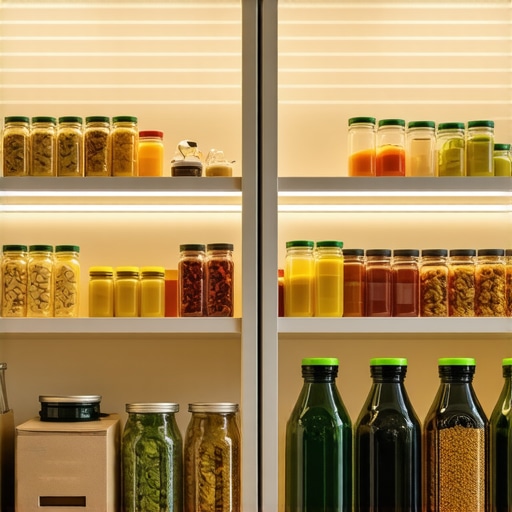
Many of us focus on cleaning the obvious surfaces, but neglect the areas that subtly contribute to that lingering sense of mess. For instance, poorly planned storage can turn a sleek kitchen into a disorganized maze. Items like spices, utensils, or small appliances might be tucked away in awkward spots, making the space feel chaotic even when counters are clear. According to a study by the National Kitchen and Bath Association, better storage solutions can significantly improve the sense of order and reduce daily stress.
Early in my remodeling journey, I made the mistake of undervaluing custom storage options. I relied on standard cabinets and conventional solutions, thinking they’d suffice. But in reality, they often created more clutter, especially in tricky spots like corner cabinets and under-sink areas. That’s when I realized—improving storage isn’t just about having more space; it’s about smarter design.
If you’ve ever felt that your kitchen is still cluttered despite your best efforts, you’re not alone. The key lies in understanding where the clutter sneaks in and how innovative storage can make all the difference. Ready to uncover the secrets that will change how you see and use your kitchen? Let’s dive into the solutions that can turn your space into a sanctuary of calm and efficiency.
Install Customized Cabinets for Better Organization
Start by replacing your standard cabinets with custom cabinets designed specifically for your space. I once personally measured every awkward nook in my kitchen, then worked with a craftsman to create built-ins that perfectly fit, eliminating wasted space and clutter. This tailored approach keeps items accessible and prevents clutter from creeping into hidden corners.
Maximize Space with Innovative Built-Ins
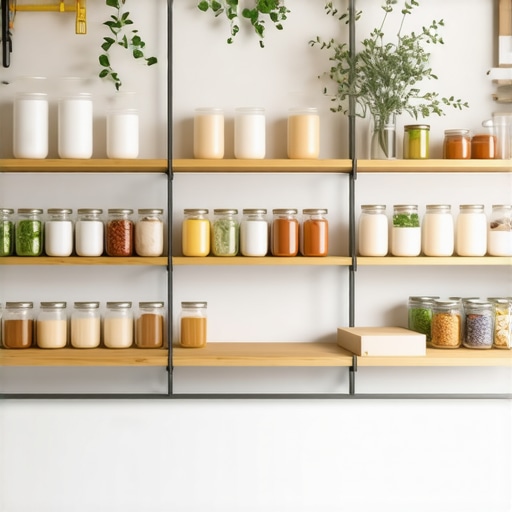
Next, incorporate built-in storage solutions that blend seamlessly with your existing décor. For example, I integrated a sliding spice rack inside a cabinet door, which freed up counter space and kept my spices within easy reach. Using modern storage innovations, you can hide appliances or clutter, making your space appear larger and more organized.
Use Drawer Dividers and Specialty Compartments
Organize utensils and small items with smart drawer dividers and custom compartments. I installed a cutlery drawer with adjustable sections, which made sorting and retrieving utensils effortless. This prevents loose items from creating visual chaos and saves time during meal prep.
Optimize Corner Spaces Effectively
Corner cabinets are notorious for wasted space, but you can transform them by adding lazy Susans or pull-out shelves. I invested in a combo of both, which allowed even the hardest-to-reach spots to become functional storage areas. This approach ensures every inch of your kitchen contributes to a clutter-free environment.
Implement Vertical Storage to Save Counter Space
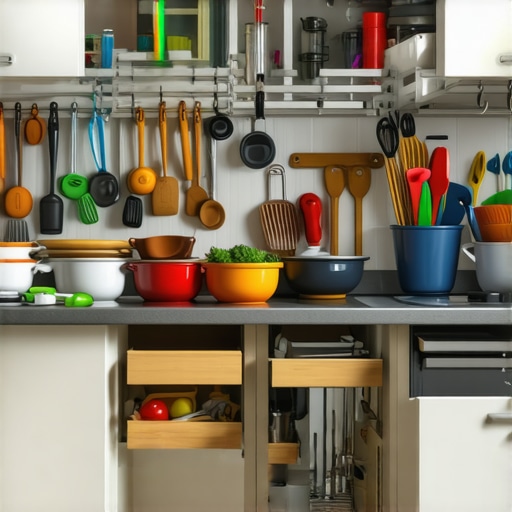
Vertical solutions like wall-mounted racks and hanging pots free up precious counter space. I hung my pots and utensils on a magnetic strip, drastically reducing drawer clutter and keeping my tools accessible. Vertical storage is especially beneficial in small kitchens, making the space feel open rather than cramped.
Incorporate Hidden Compartments for Small Appliances
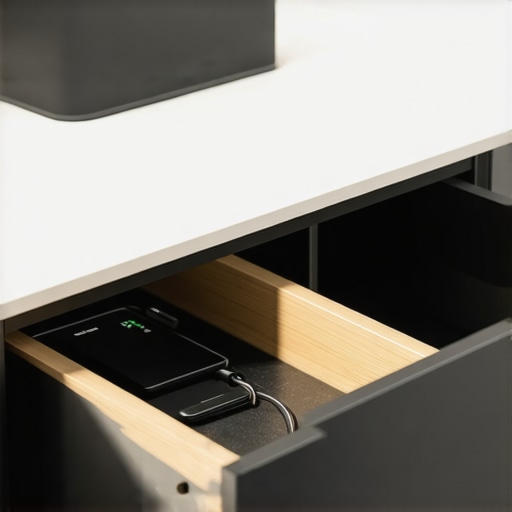
Hide bulky gadgets in custom built-in compartments or behind cabinet doors. I installed a slide-out tray beneath my countertop for my coffee maker and toaster, which tucks away appliances when not in use, maintaining a sleek look and maximizing workspace. This approach keeps clutter out of sight but within easy reach when needed.
Regularly Audit and Adjust Your Storage Strategies
Finally, periodic reviews of your storage solutions ensure they continue to meet your needs. Just as I realized my spice rack was running out of space after a few months, I added a dedicated drawer for spices—preventing overflow and keeping everything tidy. Consistently fine-tuning your setup prevents clutter from re-emerging and keeps your kitchen feeling calm and organized.
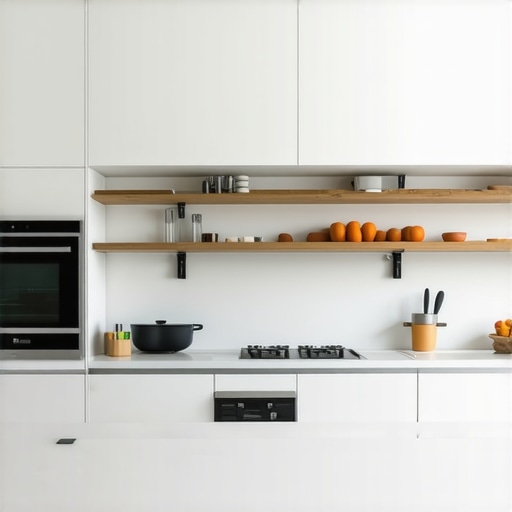 When embarking on a kitchen remodel, many homeowners believe that opting for custom cabinets guarantees a flawless, perfectly organized space. While custom solutions are undoubtedly beneficial, there’s a common misconception that they automatically solve all storage issues. In my experience, this isn’t always the case. A frequent mistake is assuming that custom cabinetry alone will create order, ignoring the critical nuances of layout, material choice, and user habits. An often-overlooked detail is that the quality of craftsmanship and thoughtful design must align with your specific lifestyle; otherwise, even bespoke cabinets can become clutter traps. For example, choosing paneled doors without considering accessibility may make everyday items harder to reach, leading to frustrated clutter buildup. Moreover, some believe that built-in storage simply means more space, but without strategic planning—like incorporating pull-out shelves or corner optimizations—these spaces can end up underutilized or dusty corners that actually hinder efficiency.
A common myth is that high-end materials automatically mean better storage solutions. While durable materials are important, their implementation impacts usability far more than the material quality itself. Investing in well-designed, adjustable shelving and integrated dividers can vastly improve organization, regardless of the cabinet’s outer finish. Remember, the goal is seamless functionality combined with aesthetic appeal.
From my perspective, the most overlooked aspect is how user behavior shapes storage success. An elegant custom cabinet isn’t effective if your habits clash with its design—think about how often you need quick access versus intentional storage. For instance, dedicating a shallow drawer for frequently used spices or utensils can save time and reduce clutter. To avoid pitfalls, I recommend exploring detailed [[expert tips on selecting storage solutions](https://artisancabinetworkz.com/expert-tips-on-selecting-storage-solutions-for-a-perfect-kitchen-upgrade)] to ensure your cabinetry aligns with both your needs and your space.
What most people get wrong is underestimating the importance of flexible, adaptive storage design—it’s not just about beauty but about creating a responsive environment that evolves with your routines. Remember, poor planning in this area often leads to renovation repeat cycles, costing more in the long run. For insights into how to approach these decisions, check out our [[ultimate guide to custom cabinets](https://artisancabinetworkz.com/the-ultimate-guide-to-custom-cabinets-for-a-stylish-kitchen-overhaul)].
Don’t fall into the trap of thinking that just because cabinets are labeled ‘custom,’ they’re automatically optimized for your life. An effective design considers your daily workflow, habits, and future needs, not just aesthetics. If you want your kitchen to be truly functional and beautiful, pay close attention to how every inch is planned and utilized. Have you ever fallen into this trap? Let me know in the comments.Maintaining your custom kitchen cabinets and storage systems over time is essential to preserve their functionality and beauty. One of the top tools I personally rely on is a high-quality soft cloth and gentle cleaner, like mineral oil-based products, which effectively preserve wood surfaces without damaging finishes. Regularly wiping down surfaces with non-abrasive materials prevents dust buildup and keeps your cabinets looking pristine. For deeper cleaning, I recommend a soft-bristled brush and a mild soap solution to reach into intricate built-ins and corners, ensuring no debris lurks in hidden spots.
How do I maintain my custom storage solutions to last?
Investing in durable hardware is crucial. I prefer soft-close hinges and drawer slides, which reduce wear and tear. Periodic lubrication with a silicone spray—specifically designed for cabinetry hardware—can keep everything moving smoothly. I typically inspect and lubricate these components every six months, especially in busy kitchens. Additionally, using clear, labeled storage containers for small items inside drawers and cabinets helps prevent accidental overstuffing, which can damage hinges and slides over time. As trends evolve towards smarter home integrations, incorporating tools like Wi-Fi-enabled sensors can alert you to cabinet doors not closing fully, saving on potential wear. Predicting where this trend is heading, we can expect future smart cabinetry systems to provide ongoing maintenance alerts, reducing manual inspections.
Try this expert-approved tip to extend your cabinetry’s lifespan
Consider installing anti-tip brackets on your built-in units to prevent accidental damage from impacts or weight shifting—an often-overlooked maintenance step that can save money long-term. For more detailed advice, explore our guide on built-in storage maintenance. Regular inspections and thoughtful updates ensure your investment endures for years. Want to plan ahead? Schedule annual checkups with a professional who specializes in custom cabinetry maintenance, ensuring that hardware stays tight and surfaces remain protected. With proper tools and routine care, your kitchen storage can stay as elegant and functional as day one. Remember, a well-maintained kitchen not only looks great but also simplifies your daily routines and preserves your home’s value.Throughout this journey, I realized that transforming your kitchen isn’t just about choosing beautiful cabinets or sleek countertops—it’s about understanding the subtle, often overlooked factors that influence your space’s harmony. The biggest lesson I learned was that real organization extends beyond surface cleaning; it involves intentional design, adaptive storage solutions, and a mindset shift toward mindful decluttering. I used to think that installing custom cabinetry would instantly solve all chaos, but I discovered that without strategic planning, even the most bespoke solutions can become clutter magnets. Embracing flexible storage options and regularly revisiting your layout was a game-changer, teaching me that perfection is a continuous process rather than a one-time fix. This insight has made me more confident in customizing my space thoughtfully, knowing that small, intentional tweaks yield lasting peace and efficiency.