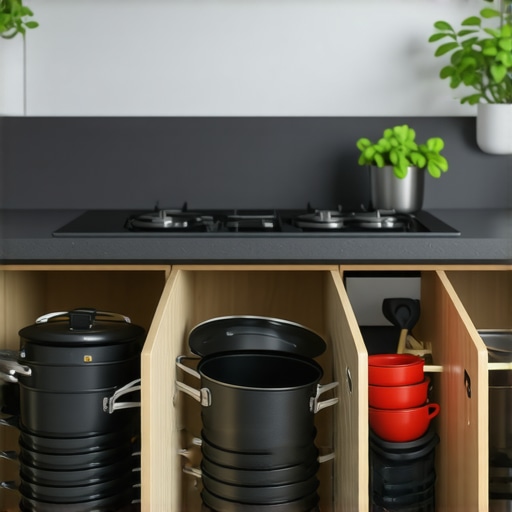
7 Deep Drawer Hacks for Better Pot and Pan Access
I remember the moment clearly. It was midnight, and I was rummaging through a cluttered kitchen drawer, hunting for that elusive pot lid. Frustration bubbled up as I knocked over a stack of mismatched lids and scratched my hand on a misplaced spatula. It hit me—my kitchen storage was a mess, and I was the chief culprit. That lightbulb moment made me realize how much time and energy I was wasting every day just trying to find the right pan or utensil. If this sounds familiar, you’re not alone. Many of us struggle with disorganized drawers that turn cooking from a joy into a chore.
Why Cluttered Drawers Sabotage Your Culinary Flow
Cluttered drawers aren’t just annoying—they can actually make cooking less efficient and more stressful. When pots, pans, and lids are stacked or scattered, finding the right one can feel like an obstacle course, especially during busy weeknights. This wastes precious time and can even lead to accidents or damage to your cookware. The good news? With some clever hacks, you can transform your drawers into organized, accessible spaces that make cooking a pleasure again.
Is It Really Worth the Effort?
Early on, I made a mistake that many beginners do—ignoring your specific storage needs. I tried to fit everything randomly, hoping it would somehow work out. But it only led to more chaos. Implementing these deep drawer hacks might seem like extra work initially, but it pays off with improved functionality and less stress. Plus, it helps protect your cookware, extending its lifespan. For a deeper dive into smart storage solutions—especially if you’re dealing with a tiny kitchen—check out this guide on small kitchen storage. Now, let’s get into the practical steps to upgrade your drawers and make your culinary life easier.
Start with a Clear Out and Plan
Before you install any storage solutions, empty your entire drawer to assess what you actually use daily. For example, I once pulled out all my utensils, and seeing the disorganized pile made me realize I had duplicates and rarely used gadgets. Categorize items into groups—cutlery, measuring tools, spatulas—and identify what belongs and what can go. Sketch a rough layout or use an app to visualize space, ensuring that frequently used items are within easy reach. This upfront clarity saves time during installation and prevents costly mistakes.
Implement Smart Dividers and Layers
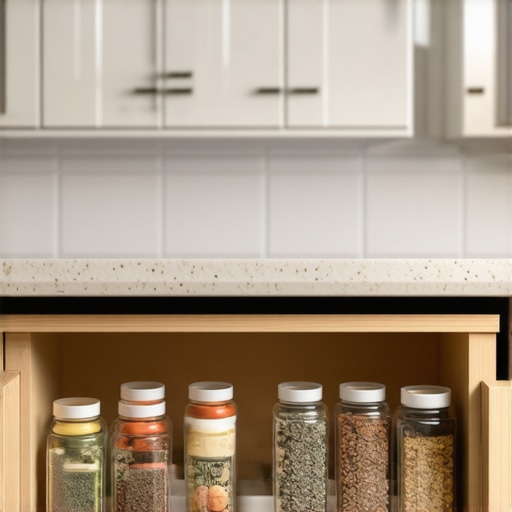
Micro-dividers are like compartments in a jewelry box—they keep small items separated and visible. When organizing my spice drawer, I used adjustable vertical dividers to stack bottles securely. For larger items, vertical inserts or peg systems work well. Remember, combining multiple levels maximizes space; think of your drawer as a skyscraper rather than a flat plain. When I added custom wooden inserts, I created dedicated slots for my baking tools, which kept everything tidy and accessible. For a tailored approach, consider these innovative storage ideas.
Harness Built-ins and Custom Cabinets
Built-ins are like custom-made armor for your kitchen, designed precisely for your utensils, pots, and seasonal items. During my remodel, I opted for a built-in knife block and a pull-out pantry. These features turned a cluttered corner into a sleek, organized zone. To ensure the system suits your needs, decide what items require full extension, and plan for easy access. If you’re unsure where to start, explore this guide on built-ins for expert tips.
Adjust Your Hardware and Accessories
Upgrading handles, locks, and slides can make a significant difference in usability. I replaced old rollers with soft-close undermount slides, which made opening drawers buttery smooth. For smaller accessories, go for ergonomic handles that are comfortable and easy to grip. Remember, the devil is in the details; proper alignment and quality hardware prevent misalignment and squeaks. When installing, double-check measurements and consider precision tips for perfection.
Maintain and Optimize Regularly
The final step is routine upkeep. After organizing, keep a habit of monthly quick reviews—discard expired items, re-tighten loose screws, and refine the layout. My personal trick was adding a small label with a permanent marker to dedicated compartments, so my family members can put items back in the right spot. Consistent maintenance prevents chaos from creeping back, turning your drawer into a model of efficiency. To further enhance space, revisit smart storage solutions that adapt as your needs evolve.
When considering storage solutions or embarking on a kitchen remodel, many assume that following popular trends or basic guidelines guarantees success. However, as an expert, I’ve seen the nuances, myths, and pitfalls that most overlook. Let’s dig deeper into what many people get wrong and how to avoid these common traps.
Myth: Bigger and More Custom Means Better
It’s a widespread belief that larger, fully customized cabinets automatically lead to a more functional space. In reality, over-customization can backfire, leading to increased costs and underutilized space. The key is designing tailored solutions that match your specific needs rather than chasing every new trend. For instance, incorporating custom cabinets thoughtfully tailored to your lifestyle can be more effective than expansive, generic cabinetry.
The Oops Factor: Ignoring Workflow and Accessibility
One critical but often overlooked nuance is the importance of workflow in kitchen design. Many focus on aesthetics but forget that storage must support daily activity patterns. Placing heavy or seldom-used items at unreachable heights or inconvenient locations hampers efficiency. Skilled designers recommend analyzing your routine and creating zones that prioritize accessibility. This approach ensures your investment enhances use—not just appearance. For more insights, consider reviewing how built-ins can optimize your flow.
Don’t Fall for Simple Solutions that Hide Bigger Problems
Conventional wisdom often advocates for simple storage upgrades—like adding a few dividers or installing new hardware. While these can improve functionality, they might mask deeper issues such as poor layout or inefficient space planning. Rushing to implement quick fixes without a comprehensive plan can lead to frustration and wasted time. Instead, conduct a thorough assessment or consult with experts to identify the root causes of clutter or inefficiency. For advanced solutions, exploring integrated storage strategies can prevent costly corrections later.
What Advanced Tricks Can Elevate Your Kitchen Design?
For those seeking to push beyond basics, consider hidden storage compartments, soft-close mechanisms, or zero-clearance cabinetry that creates seamless surfaces. These features aren’t just luxury—they improve durability and cleanliness as well. Incorporating smart storage ideas, such as innovative solutions for tight spaces, can transform your kitchen into a highly functional masterpiece. Keep in mind, these advanced features require precise installation and planning—don’t compromise on quality or alignment. A good rule of thumb is to collaborate with experienced craftsmen familiar with high-end hardware and custom techniques.
Have you ever fallen into this trap? Let me know in the comments and share your experiences, so we can learn from each other’s mistakes and elevate your space to its true potential.
To ensure your kitchen storage solutions remain functional and beautiful over time, investing in the right tools and adopting a consistent maintenance routine is crucial. I personally swear by high-quality hardware and specialized cleaning products that extend the lifespan of custom cabinets and built-in organizers. A cordless electric screwdriver, for example, makes tightening loose screws a breeze, preventing creaking or wobbling cabinets. Meanwhile, a fine microfiber cloth coupled with approved cabinet cleaners helps maintain surfaces without scratches or residue.
Regularly inspecting your hardware—handles, hinges, slides—is key. Lubricating sliding mechanisms with a silicone-based spray keeps drawers gliding smoothly, which I do every six months. For deeper cleaning, using a soft-bristled brush to remove dust from corner joints and hinges prevents buildup that could compromise the structure over time. Personally, I recommend a combination of a vacuum attachment and a gentle cleaner to keep these critical elements in top shape.
Another essential aspect is checking the alignment of your cabinetry. Using a precise spirit level or laser leveling tool can identify unevenness early, allowing you to correct issues before they escalate. In my experience, addressing slight misalignments promptly preserves the aesthetic integrity and prevents hardware from wearing unevenly. For custom cabinetry, referencing detailed installation guides—like the Expert Guide to Built-Ins—can provide advanced tips for long-term upkeep.
How do I maintain efficiency with built-in storage solutions over time?
One effective method is to adhere to a scheduled review every quarter. During these inspections, I tidy up clutter, tighten any loosening hardware, and replace worn-out drawer slides or hinges. Incorporating labels on dividers or compartments helps family members put items back correctly, preserving order. Additionally, applying a protective wax or sealant to wooden surfaces annually guards against moisture and wear, especially in humid climates. These proactive steps not only prolong the lifespan of your cabinetry but also save you from costly repairs or replacements down the line.
Looking ahead, I believe the trend toward smart maintenance tools—like app-controlled hardware and sensor-enabled cleaning systems—will revolutionize how we care for our kitchens. Incorporating IoT devices that monitor hardware health or alert you to moisture build-up could become standard practice, significantly reducing downtime and repair costs.
For now, try integrating a silicone-based lubricant on your drawer slides and schedule a quarterly hardware check. These small investments in tools and routines can lead to decades of smooth operation and pristine appearance, making your kitchen truly a joy to work in.
The Hardest Lesson I Learned About Storage and Built-ins in My Kitchen Remodel
One pivotal realization was that tailoring storage solutions to my unique habits was far more effective than following generic advice. I once attempted to install trendy open shelving without considering how often I needed quick access, only to find it cluttered within weeks. Personalizing my storage—like creating a dedicated spice drawer—made a tangible difference, reinforcing that customization trumps one-size-fits-all approaches.
Overcoming My Fear of Small Spaces and Embracing Creative Design
I used to believe that compact kitchens couldn’t hold all essentials, but exploring smart storage ideas opened my eyes. Utilizing vertical space, hidden compartments, and multifunctional furniture transformed my tight kitchen into a functional sanctuary. This taught me that with innovative design, even the smallest areas can surprise you with their potential.
Why I Stopped Chasing Every Trend and Focused on Functionality
Watching endless renovation shows, I thought bigger and more elaborate features were automatically better. But I realized that prioritizing workflow and accessibility—like placing frequently used items at arm’s reach—created a more enjoyable cooking environment. Learning to balance style with function led me to invest in integrated built-in storage, which truly elevated my kitchen’s efficiency.
Secrets That Made My Storage Last and Keep Looking Fresh
Don’t underestimate the power of regular maintenance. A quick quarterly check of hardware, combined with proper cleaning and occasional hardware upgrades, prolonged the life of my cabinets. I also discovered that labeling internal dividers helps keep everyone organized, preventing chaos from creeping back. Incorporating these habits turned my refurbished kitchen into a lasting, beloved space.
My Next Step – Elevate with Custom Cabinets and Expert Insights
Now, I’m exploring custom cabinet ideas that match my evolving needs. Working with experienced craftspeople ensures high-quality results and personalized touch. If you’re contemplating a similar journey, investing in expert guidance can mean the difference between a good renovation and a great transformation.
Take Action and Reimagine Your Space Today
Remember, your kitchen should work for you—not the other way around. The lessons I’ve shared remind me that thoughtful planning and ongoing care make all the difference. Whether you’re just starting or refining your storage system, don’t wait—take the first step toward a more organized, efficient kitchen today.
What’s the biggest storage challenge you’ve faced, and how did you overcome it? Share your experiences below—I’d love to hear your story!
=