
The Hidden Corner Strategy: Why We Recommend Blind Corner Pull-Outs
It was a sunny Saturday afternoon when I found myself rummaging through the deepest recesses of my kitchen cabinet, desperately searching for that elusive baking sheet. Frustration crept in as I knocked over a precarious tower of pots and lids, realizing once again how poorly designed storage can turn a simple task into a treasure hunt. That lightbulb moment made me question: why do we accept inefficient corner cabinets as the norm? If you’ve ever felt like you’re battling with inaccessible corners, you’re not alone. Many homeowners face this exact issue, often without realizing there’s a smarter way. Today, I’m going to share how Blind Corner Pull-Outs transformed my kitchen and can do the same for yours, helping you reclaim wasted space and streamline your daily routines.
The Hidden Power of Blind Corner Pull-Outs in Small and Large Kitchens
Are Blind Corner Storage Solutions Really Worth the Hype?
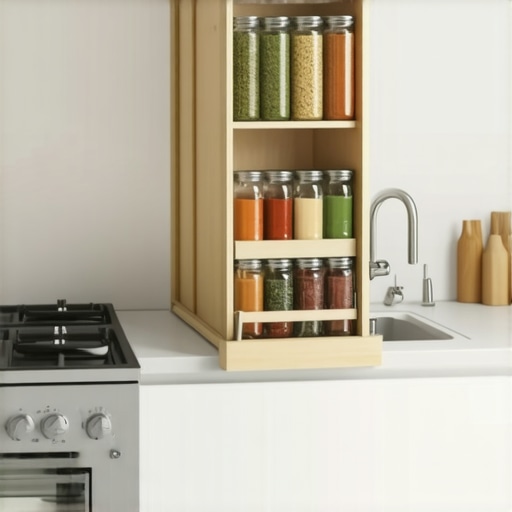
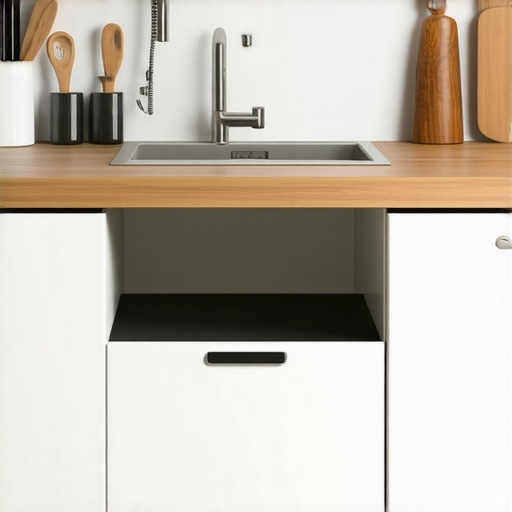
In my early days of kitchen remodeling, I made the mistake of dismissing corner cabinets as a necessary evil—something that just needed to be liveable, not optimized. I figured I’d just deal with the inconvenience, until I discovered the incredible efficiency of blind corner pull-outs. These clever innovations turn awkward, inaccessible corners into prime storage real estate, much like hidden gems waiting to be unlocked. Not only do they make everyday tasks easier, but they also add a sleek, modern touch to your cabinetry. Plus, when professionally integrated, they bring a level of organization that can significantly cut down prep and cleanup time. It’s worth mentioning that expert installations, like those featured in modern kitchen remodels, demonstrate their seamless integration and durability, supporting the idea that these aren’t just trendy gadgets but practical investments. Are you tired of turning your head and elbowing your spouse just to reach that one elusive item? If so, read on—because we’re about to unlock the true potential of your kitchen with a simple, yet powerful storage upgrade.
Select the Right Hardware for Your Space
Start by assessing your corner cabinet dimensions and choose compatible blind corner pull-outs. Think of this as selecting the perfect gear for a mountain hike—precision matters. Take detailed measurements and research options like heavy-duty slides to ensure smooth operation. I once ordered standard-sized pull-outs without double-checking my cabinet dimensions—resulting in a tricky fit. Measure twice, order once, and plan for future adjustments.
Remove Existing Cabinets to Prepare for Installation
Carefully detach the cabinet doors and shelves surrounding the corner. Use a drill to unscrew hinges, keeping track of screws for reassembly. Think of this as clearing the stage before a show—it’s necessary to set the stage for new hardware. During my attempt, I ignored this step and accidentally nicked the cabinet face, delaying progress. Take your time and keep all hardware in a safe place.
Install the Blind Corner Units with Precision
Position the pull-out framework inside the cabinet cavity, aligning it with existing screw holes. Use a level and a drill to secure brackets firmly, ensuring the unit operates smoothly. Remember, this is like aligning the tracks for a roller coaster—accuracy guarantees a seamless ride. I once misaligned a rail, causing jams later. Test the movement after attachment, and adjust as needed before proceeding.
Organize Your Storage Efficiently
Once installed, load your items strategically—heavier pots at the bottom, lighter bakeware on top. Use stackable bins or vertical dividers to maximize space, similar to organizing tools in a toolbox. During my first setup, I jammed bulky lids in haphazardly, which made retrieval frustrating. Take time to categorize and label to maintain order and ease of access.
Finalize and Seal the Setup
Reattach cabinet doors, adjusting hinges for perfect alignment. Tighten all screws, and apply lubricant to hinges if they squeak. This step is akin to tuning a musical instrument—small tweaks make a big difference. After my initial installation, I noticed a door was slightly crooked until I fine-tuned the hinge screws. Proper adjustment ensures longevity and smooth operation for years to come.
Integrating blind corner pull-outs isn’t just about adding hardware; it’s about transforming how you interact with your space. For deeper inspiration on custom solutions, explore cabinet ideas that transform your home and personalize your kitchen layout for maximum efficiency.
Many homeowners believe that selecting custom cabinets and storage options is simply about choosing attractive finishes or trendy designs. However, as an expert with years of experience in kitchen and built-in design, I can tell you that most people overlook the nuanced details that determine long-term success. For instance, a common myth is that standard drawer slides are sufficient for heavy-use environments. In reality, heavy-duty slides like those discussed in this article reveal that investing in high-quality hardware dramatically extends the lifespan and functionality of your cabinets. Another misconception is that all built-ins fit seamlessly into existing spaces. The truth is, without precise measurements and bespoke designs—like those showcased on this resource—you risk creating cluttered or awkward zones that hinder usability rather than enhance it.
Thinking about advanced details, the choice of materials and their response to humidity, temperature changes, or daily wear is often underestimated. Solid wood cabinets are visually appealing but can warp if humidity isn’t well-managed. Conversely, innovative materials like certain plywood options outperform MDF in moist environments, as detailed in this guide.
Moreover, many assume that all storage solutions are equally versatile. In reality, configurations such as vertical dividers, pull-outs, and modular units require tailored planning for maximum effectiveness. For example, installing vertical dividers can save precious space and improve access—an often overlooked nuance that transforms a cluttered cabinet into a highly functional zone.
Finally, it’s vital to prevent common mistakes like misaligned hinges or poorly sealed joints, which can cause squeaks or drafts, respectively. Achieving these details demands attention to craftsmanship and sometimes, expert intervention, as highlighted in this article.
In summary, delving into the intricate choices—hardware, materials, precise measurements, and custom fit—distinguishes amateur setups from truly professional, durable, and beautiful built-ins. Moving beyond superficial selections to consider these nuances ensures your investment stands the test of time and usage. Have you ever fallen into this trap? Let me know in the comments.Maintaining your custom cabinetry and storage solutions ensures they continue to enhance your home’s functionality and aesthetic appeal for years to come. The right tools and diligent upkeep are key to preserving their quality and performance. One indispensable tool I rely on is a high-quality electric cordless drill with variable speed settings. It provides the precision and control needed for tasks like tightening hinges or making minor adjustments without risking damage. I prefer models with lithium-ion batteries, such as the Makita XFD10Z, for their longer run time and reliability during both installation and routine maintenance. Regularly inspecting and lubricating hinges and slides with silicone-based lubricants keeps cabinetry doors and pull-outs operating smoothly. I recommend using products like Blumberg’s silicone spray, which penetrates deeply and resists dust buildup. For cleaning, a soft microfiber cloth with a mild, non-abrasive cleaner prevents damage to delicate finishes, especially on painted or veneered surfaces. Avoid harsh chemicals that can degrade finishes over time. To address minor misalignments or sagging doors, a precision adjustment kit equipped with a Phillips screwdriver and a hinge adjustment tool streamlines repairs. These tools allow quick corrections without dismantling entire units. Predicting the future of cabinetry maintenance, I see increased reliance on smart sensors and automated adjustments—integrating built-in sensors that detect shear or imbalance, prompting automated realignments. This trend will significantly reduce manual upkeep and extend the lifespan of your investments. When it comes to long-term results, consistent maintenance paired with high-quality hardware like heavy-duty slides discussed in https://artisancabinetworkz.com/why-most-pantry-drawers-jam-and-the-heavy-duty-slides-that-fix-it will ensure durability and efficient operation. Don’t forget to keep a digital inventory of your hardware, measurements, and installation dates to track wear and plan proactive repairs. How do I maintain my custom cabinetry over time? Regularly inspect hinges, slides, and seals, apply lubrication biannually, and address issues immediately before they escalate. For a proactive approach, consider installing sensor-based hinges, such as the smart options highlighted on https://artisancabinetworkz.com/5-smart-sensor-hinges-for-2026-hands-free-kitchen-cabinets, which can alert you to misalignments or mechanical wear early. Give one of these advanced tips a try—your future self will thank you for the added longevity and peace of mind. Proper maintenance isn’t just about fixing problems; it’s about preserving the craftsmanship and functionality that make your homes’ built-ins unique and practical.
Turning Small Spaces Into Secret Power Zones
One of the most profound lessons I’ve learned is that integrating innovative storage solutions like blind corner pull-outs transforms not just your kitchen’s look but its very functionality. Overestimating the space you have or underestimating the importance of precise measurements can lead to costly mistakes, but embracing custom-fit hardware ensures every inch counts. I’ve discovered that paying attention to material choices—favoring moisture-resistant plywood over MDF—can prolong the life of your cabinets and prevent unwelcome warping, especially in humid environments. Anticipating future maintenance needs, such as installing smart hinges that alert you to misalignments, has saved me countless headaches and kept my kitchen operating smoothly. So, my biggest insight? Thoughtful planning, combined with high-quality, personalized hardware, is the secret sauce of truly functional custom cabinets that stand the test of time.