Why Most Built-In Desks End Up as Clutter Magnets
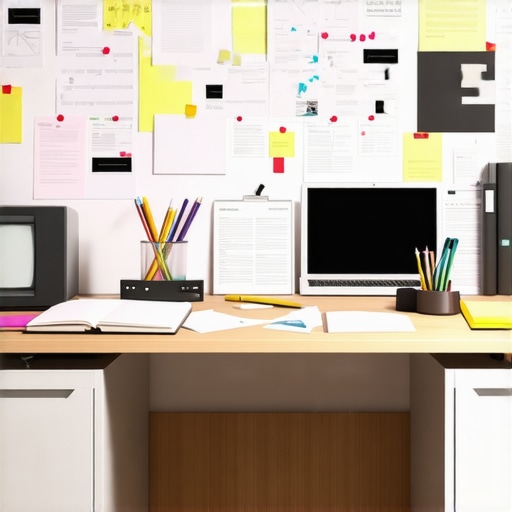
I remember the moment clearly: after installing what I thought was a sleek, custom-built desk in my home office, I looked at the chaos that had quietly taken over in just a few weeks. Papers spilling over, cables tangled like spaghetti, and accessories buried beneath a mountain of clutter. It hit me then—why do so many built-in desks, designed to bring order, become magnets for mess?
Confronting the Hidden Pitfall of Built-In Desks
Most people, myself included initially, assume that investing in a custom or built-in desk guarantees a tidy workspace. But without proper planning, these elegant solutions often fall short. They attract clutter because they lack integrated storage and thoughtful organization features, turning into catch-all surfaces rather than productivity zones. My early mistake was thinking that a beautiful, seamless design was enough—I overlooked the importance of smart storage solutions tailored to real-life use.
Is Overhyped Storage the Real Culprit?
To be honest, I bought into the hype that high-end finishes and minimalist looks would solve my organizational woes. Spoiler alert: it didn’t. Instead, I learned that the real game-changer lies in functional design, not just aesthetics. If you’ve ever felt frustrated that your sleek desk turns into a cluttered nightmare, you’re not alone. According to a study by the American Society of Interior Designers, 85% of homeowners regret not incorporating better storage during their remodels, leading to ongoing chaos in their living spaces. That’s a sobering statistic, but it also highlights one thing— the right storage strategies are essential.
Most folks, including myself early on, make the mistake of thinking that buying more containers or baskets will fix the problem. Instead, the key is to plan for built-in features that hide and organize essentials seamlessly. Curious how to transform your clutter-magnet workspace into a paragon of order? Well, stay tuned. We’re about to dive into practical, expert-approved solutions that make your built-in desk work for you, not against you.
Design with Purpose from the Start
Begin your project by clearly defining the functions your desk needs. Sketch a layout that includes dedicated zones for tech gadgets, paperwork, and supplies. Think of it as planning a mini-kitchen, where each item has a specific spot to prevent chaos. For instance, I once drew up a simple plan for my home office, assigning drawers for cables, files, and stationery, which made a noticeable difference in organization.
Incorporate Built-In Storage Solutions Actively
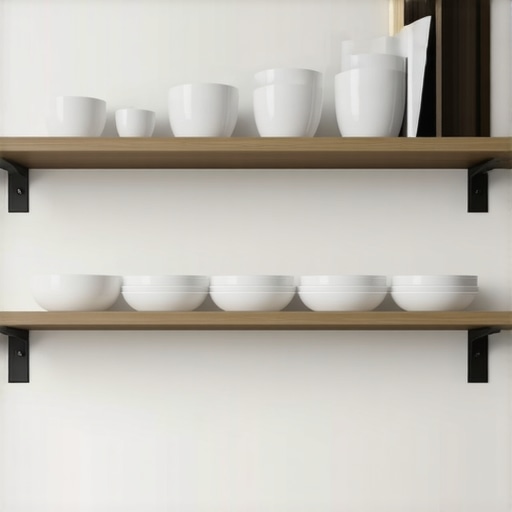
Move beyond standard shelving by integrating custom-built cabinets and drawers tailored to your needs. Use custom cabinets to maximize space and hide clutter. When I remodeled my desk, I added shallow drawers beneath the surface for everyday items and deeper cabinets for larger accessories, which kept the surface clean and functional.
Choose the Right Hardware for Efficiency
Select hardware like soft-close hinges and magnetic latches to ensure quiet operation and easy access. For example, I installed magnetic catches on my cabinet doors, which kept everything closed but accessible with a gentle nudge, preventing accidental openings that contribute to mess.
Implement Thoughtful Organizers and Dividers
Use adjustable dividers within drawers and shelves to customize storage compartments. Think of it as organizing a spice rack; each jar has its dedicated space, making retrieval quick and reducing clutter. I used foam inserts to segment my pencil drawer, preventing pens and highlighters from jamming together, saving me time and frustration.
Maintain a Routine of Regular Cleans
Schedule weekly tidying sessions to reassess your storage and clear out unnecessary items. During one of my quick cleanups, I realized I no longer needed a certain old cable holder, so I removed it, creating more space for essential gear. Small habits like this prevent clutter from accumulating, keeping your workspace neat long-term.
Optimize Vertical and Hidden Spaces
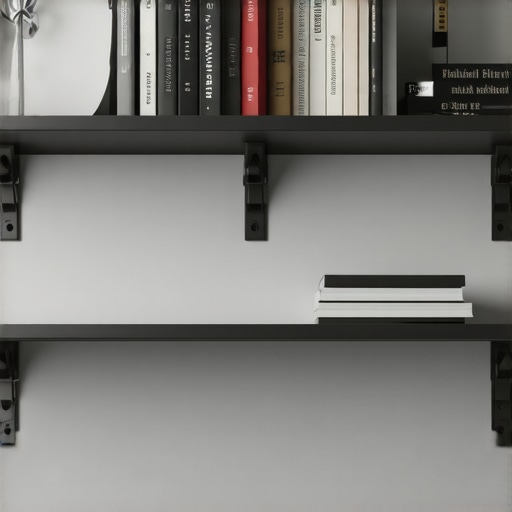
Utilize unused vertical areas and behind-the-door spaces for additional storage. Installing pegboards or magnetic strips can hold frequently used items within reach but out of the way. When I added a pegboard above my desk, I kept my headphones and sticky notes organized and accessible, without cluttering the main surface.
Leverage Creative Storage Innovations
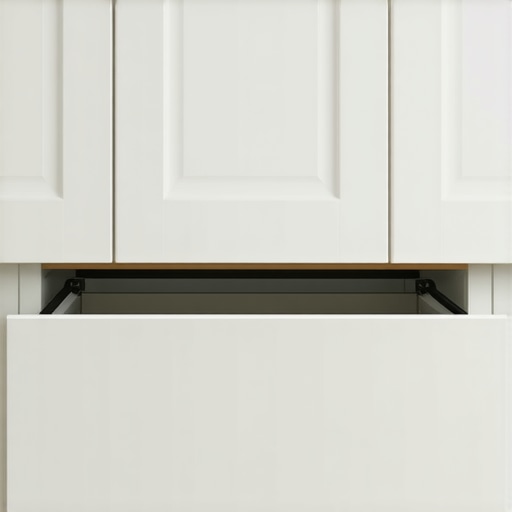
Incorporate innovative solutions such as pull-out trays for keyboard storage or hidden compartments under the desktop. These features can transform your workspace into a sleek, clutter-free zone. For example, I installed a sliding tray under my desk for my keyboard, freeing up surface space for documents.
For more ideas on transforming your workspace with built-in storage, visit this resource. When executing these steps, remember that precision matters—measure twice, cut once, and think about how every element serves your workflow. Proper planning and execution make all the difference in creating a functional, organized built-in desk that supports your productivity every day.
Many homeowners believe that opting for built-in cabinets or custom storage solutions automatically guarantees an efficient and clutter-free kitchen. However, in my experience as a design expert, this assumption often leads to oversights that compromise long-term functionality. One common misconception is that high-end materials and sleek designs alone will solve organizational challenges. In reality, neglecting to incorporate strategic storage features tailored to your habits can result in wasted space and ongoing frustration. For example, I’ve seen kitchens with stunning cabinetry where drawers lack dividers, causing utensils and tools to jumble together, defeating the purpose of custom design.
Are Custom Cabinets Enough Or Is There More to the Story?
According to a study by the National Kitchen & Bath Association, nearly 70% of homeowners report that inadequate storage is their biggest kitchen complaint. The nuance most overlook is that effective storage isn’t just about how the cabinets look but how they serve your workflow daily. Relying solely on traditional shelving or standard drawers without considering adjustable dividers, hidden compartments, or vertical space utilization can turn a beautiful kitchen into a clutter magnet. The truth is, smart storage solutions—like pull-out trays for bulky pots or vertical dividers for baking sheets—are game changers that often get overlooked in initial planning. To avoid these pitfalls, you should explore innovative storage ideas that maximize every inch, ensuring your kitchen remains organized, functional, and stylish over time. ” alt=”Custom kitchen storage solutions with pull-out trays and vertical dividers” title=”Optimized kitchen storage with custom inserts”/>Understanding these nuances makes the difference between a good remodel and a great one. Remember, the goal isn’t just beautiful cabinets but a workspace that adapts to your needs — one that evolves with your lifestyle, not against it. If you’re planning your next kitchen upgrade, consider consulting with experts who focus on tailored storage solutions that go beyond aesthetics. Have you ever fallen into this trap? Let me know in the comments.Maintaining a well-organized and functional kitchen requires more than just smart design; it hinges on using the right tools and adopting effective methods for upkeep. One of my go-to tools is a high-quality cordless drill with variable speed settings. I personally rely on the Dewalt DCD791D2 because its ergonomic design reduces fatigue during repetitive tasks like adjusting hinges or installing hardware, and its brushless motor ensures durability over years of use. Additionally, a specialized cabinet screwdriver with magnetic tips speeds up processes like tightening hardware without slipping, saving time during routine adjustments.
For routine maintenance, I schedule monthly checks on hinges, drawer slides, and door alignments. Using a digital level helps me detect subtle misalignments early, preventing long-term issues. Applying a silicone-based lubricant, like DriSlide, to hinge and slider mechanisms every six months keeps everything operating smoothly and quietly. These small, consistent actions preserve the integrity of custom cabinetry, ensuring they don’t degrade prematurely.
When it comes to long-term results, I’ve found that tracking maintenance activities with a dedicated app like Home Maintenance Schedule helps me stay organized. It prompts me when to inspect or service specific components, preventing neglect. Investing in quality hardware, like soft-close hinges and Blum servos, pays off over time by reducing wear and tear.
Looking ahead, I predict that as smart home technology advances, we will see integrated monitoring systems that notify homeowners of part failures or misalignments in real time, further simplifying maintenance. For now, a combination of reliable manual tools and routine checkups is the best practice.
How do I keep my storage solutions functioning properly over time?
Regularly cleaning and inspecting dividers, pull-out trays, and vertical organizers helps prevent jamming or damage. For instance, cleaning dust and debris from tracks with a soft brush or compressed air can extend the lifespan of hardware. Additionally, verifying that all screws and mounts remain tight prevents sagging shelves or loose fittings. Incorporating removable, washable liners into drawers can make maintenance easier and ensure that clutter doesn’t accumulate in hidden spots.
To maximize efficiency, consider using a hex key set to tighten or replace hardware quickly. I recommend the Wiha 26794 because its ergonomic handle makes repetitive tightening less tiring. Also, keep an eye on sealants and weatherproofing—especially in kitchens prone to humidity—by inspecting and resealing where needed. This prolongs the lifespan of built-ins and prevents water damage.
For inspired ideas on how to incorporate smart maintenance tools into your remodeling routine, visit this resource. To achieve truly enduring results, always stay proactive—address small repairs immediately before they turn into costly replacements. Try incorporating a maintenance checklist into your routine and see how much longer your custom cabinets and built-ins remain pristine. If you’re curious about integrating advanced solutions, reach out through this contact page for expert advice.
The Hidden Traps That Chained My Organization Dreams
One lesson I learned the hard way was that beautiful, seamless built-ins can become clutter magnets if not paired with purposeful storage. I once believed that investing in high-end materials would compensate for poor organization, but I was mistaken—design without strategy invites chaos. My lightbulb moment arrived when I realized that integrated storage features, like hidden drawers and adjustable dividers, are the real game changers in maintaining a tidy, functional space.
Tools and Resources That Changed My Approach
Trust me, having the right tools makes all the difference. I rely heavily on quality hardware like soft-close hinges from this resource, and a magnetic screwdriver, which speeds up hardware adjustments and ensures longevity for my built-ins. Books like this guide have also been instrumental in refining my design perspective, emphasizing how tailored storage solutions elevate the overall remodel experience.
Your Next Move: Embrace Smart Planning and Routine Care
As I approach future projects, I remind myself that meticulous planning and routine maintenance are vital. Implementing monthly checks and using tools like a digital level from this resource ensures my cabinetry stays aligned and functional. Small habits, like cleaning tracks and tightening screws, prevent minor issues from turning into major repairs, extending the lifespan of my custom solutions.
Insider Wisdom for Sustainable Storage Success
- Don’t skimp on measuring: Double-check every dimension to prevent costly mistakes and ensure every inch serves a purpose.
- Think vertically: Utilize wall space and behind-door areas with innovative solutions, like pegboards or hidden compartments, to maximize storage without sacrificing style.
- Prioritize accessibility: Design storage that aligns with your daily routines to make organization and retrieval effortless.
- Plan for growth: Leave room for expansion or new tools, so your built-ins adapt seamlessly to changing needs.
Fuel Your Inspiration for a Better Kitchen
If you’re ready to move beyond conventional storage and craft a space that truly supports your lifestyle, explore these innovative ideas. Remember, building good habits and choosing quality materials now will pay dividends over years of happy, clutter-free cooking and living. What’s the first change you’re excited to make in your kitchen space? Share your thoughts in the comments—let’s learn from each other’s journeys!”}#}#}#}#}#}#}#}#}#}#}#}#}#}#}#}#}#}#}#}#}#}#}#}#}#}#}#}#}#}#}#}#}#}#}#}#}#}#}#}#}#}#}#}#}#}#}#}#}#}#}#}#}#}#}#}#}#}#}#}#}#}#}#}#}#}#}#}#}#}#}#}#}#}#}#}#}#}#}#}#}#}#}#}#}#}#}#}#}#}#}#}#}#}#}#}#}#}#}#}#}#}#}#}#}#}#}#}#}#}#}#}#}#}#}#}#}#}#}#}#}#}#}#}#}#}#}#}#}#}#}#}#}#}#}#}#}#}#}#}#}#}#}#}#}#}#}#}#}#}#}#}#}#}#}#}#}#}#}#}#}#}#}#}#}#}#}#}#}#}#}#}#}#}#}#}#}#}#}#}#}#}#}#}#}#}#}#}#}#}#}#}#}#}#}#}#}#}#}#}#}#}#}#}#}#}#}#}#}#}#}#}#}#}#}#}#}#}#}#}#}#}#}#}#}#}#}#}#}#}#}#}#}#}#}#}#}#}#}#}#}#}#}#}#}#}#}#}#}#}#}#}#}#}#}#}#}#}#}#}#}#}#}#}#}#}#}#}#}#}#}#}#}#}#}#}#}#}#}#}#}#}#}#}#}#}#}#}#}#}#}#}#}#}#}#}#}#}#}#}#}#}#}#}#}#}#}#}#}#}#}#}#}#}#}#}#}#}#}#}#}#}#}#}#}#}#}#}#}#}#}#}#}#}#}#}#}#}#}#}#}#}#}#}#}#}#}#}#}#}#}#}#}#}#}#}#}#}#}#}#}#}#}#}#}#}#}#}#}#}#}#}#}#}#}#}#}#}#}#}#}#}#}#}#}#}#}#}#}#}#}#}#}#}#}#}#}#}#}#}#}#}#}#}#}#}#}#}#}#}#}#}#}#}#}#}#}#}#}#}#}#}#}#}#}#}#}#}#}#}#}#}#}#}#}#}#}#}#}#}#}#}#}#}#}#}#}#}#}#}#}#}#}#}#}#}#}#}#}#}#}#}#}#}#}#}#}#}#}#}#}#}#}#}#}#}#}#}#}#}#}#}#}#}#}#}#}#}#}#}#}#}#}#}#}#}#}#}#}#}#}#}#}#}#}#}#}#}#}#}#}#}#}#}#}#}#}#}#}#}#}#}#}#}#}#}#}#}#}#}#}#}#}#}#}#}#}#}#}#}#}#}#}#}#}#}#}#}#}#}#}#}#}#}#}#}#}#}#}#}#}#}#}#}#}#}#}#}#}#}#}#}#}#}#}#}#}#}#}#}#}#}#}#}#}#}#}#}#}#}#}#}#}#}#}#}#}#}#}#}#}#}#}#}#}#}#}#}#}#}#}#}#}#}#}#}#}#}#}#}#}#}#}#}#}#}#}#}#}#}#}#}#}#}#}#}#}#}#}#}#}#}#}#}#}#}#}#}#}#}#}#}#}#}#}#}#}#}#}#}#}#}#}#}#}#}#}#}#}#}#}#}#}#}#}#}#}#}#}#}#}#}#}#}#}#}#}#}#}#}#}#}#}#}#}#}#}#}#}#}#}#}#}#}#}#}#}#}#}#}#}#}#}#}#}#}#}#}#}#}#}#}#}#}#}#}#}#}#}#}#}#}#}#}#}#}#}#}#}#}#}#}#}#}#}#}#}#}#}#}#}#}#}#}#}#}#}#}#}#}#}#}#}#}#}#}#}#}#}#}#}#}#}#}#}#}#}#}#}#}#}#}#}#}#}#}#}#}#}#}#}#}#}#}#}#}#}#}#}#}#}#}#}#}#}#}#}#}#}#}#}#}#}#}#}#}#}#}#}#}#}#}#}#}#}#}#}#}#}#}#}#}#}#}#}#}#}#}#}#}#}#}#}#}#}#}#}#}#}#}#}#}#}#}#}#}#}#}#}#}#}#}#}#}#}#}#}#}#}#}#}#}#}#}#}#}#}#}#}#}#}#}#}#}#}#}#}#}#}#}#}#}#}#}#}#}#}#}#}#}#}#}#}#}#}#}#}#}#}#}#}#}#}#}#}#}#}#}#}#}#}#}#}#}#}#}#}#}#}#}#}#}#}#}#}#}#}#}#}#}#}#}#}#}#}#}#}#}#}#}#}#}#}#}#}#}#}#}#}#}#}#}#}#}#}#}#}#}#}#}#}#}#}#}#}#}#}#}#}#}#}#}#}#}#}#}#}#}#}#}#}#}#}#}#}#}#}#}#}#}#}#}#}#}#}#}#}#}#}#}#}#}#}#}#}#}#}#}#}#}#}#}#}#}#}#}#}#}#}#}#}#}#}#}#}#}#}#}#}#}#}#}#}#}#}#}#}#}#}#}#}#}#}#}#}#}#}#}#}#}#}#}#}#}#}#}#}#}#}#}#}#}#}#}#}#}#}#}#}#}#}#}#}#}#}#}#}#}#}#}#}#}#}#}#}#}#}#}#}#}#}#}#}#}#}#}#}#}#}#}#}#}#}#}#}#}#}#}#}#}#}#}#}#}#}#}#}#}#}#}#}#}#}#}#}#}#}#}#}#}#}#}#}#}#}#}#}#}#}#}#}#}#}#}#}#}#}#}#}#}#}#}#}#}#}#}#}#}#}#}#}#}#}#}#}#}#}#}#}#}#}#}#}#}#}#}#}#}#}#}#}#}#}#}#}#}#}#}#}#}#}#}#}#}#}#}#}#}#}#}#}#}#}#}#}#}#}#}#}#}#}#}#}#}#}#}#}#}#}#}#}#}#}#}#}#}#}#}#}#}#}#}#}#}#}#}#}#}#}#}#}#}#}#}#}#}#}#}#}#}#}#}#}#}#}#}#}#}#}#}#}#}#}#}#}#}#}#}#}#}#}#}#}#}#}#}#}#}#}#}#}#}#}#}#}#}#}#}#}#}#}#}#}#}#}#}#}#}#}#}#}#}#}#}#}#}#}#}#}#}#}#}#}#}#}#}#}#}#}#}#}#}#}#}#}#}#}#}#}#}#}#}#}#}#}#}#}#}#}#}#}#}#}#}#}#}#}#}#}#}#}#}#}#}#}#}#}#}#}#}#}#}#}#}#}#}#}#}#}#}#}#}#}#}#}#}#}#}#}#}#}#}#}#}#}#}#}#}#}#}#}#}#}#}#}#}#}#}#}#}#}#}#}#}#}#}#}#}#}#}#}#}#}#}#}#}#}#}#}#}#}#}#}#}#}#}#}#}#}#}#}#}#}#}#}#}#}#}#}#}#}#}#}#}#}#}#}#}#}#}#}#}#}#}#}#}#}#}#}#}#}#}#}#}#}#}#}#}#}#}#}#}#}#}#}#}#}#}#}#}#}#}#}#}#}#}#}#}#}#}#}#}#}#}#}#}#}#}#}#}#}#}#}#}#}#}#}#}#}#}#}#}#}#}#}#}#}#}#}#}#}#}#}#}#}#}#}#}#}#}#}#}#}#}#}#}#}#}#}#}#}#}#}#}#}#}#}#}#}#}#}#}#}#}#}#}#}#}#}#}#}#}#}#}#}#}#}#}#}#}#}#}#}#}#}#}#}#}#}#}#}#}#}#}#}#}#}#}#}#}#}#}#}#}#}#}#}#}#}#}#}#}#}#}#}#}#}#}#}#}#}#}#}#}#}#}#}#}#}#}#}#}#}#}#}#}#}#}#}#}#}#}#}#}#}#}#}#}#}#}#}#}#}#}#}#}#}#}#}#}#}#}#}#}#}#}#}#}#}#}#}#}#}#}#}#}#}#}#}#}#}#}#}#}#}#}#}#}#}#}#}#}#}#}#}#}#}#}#}#}#}#}#}#}#}#}#}#}#}#}#}#}#}#}#}#}#}#}#}#}#}#}#}#}#}#}#}#}#}#}#}#}#}#}#}#}#}#}#}#}#}#}#}#}#}#}#}#}#}#}#}#}#}#}#}#}#}#}#}#}#}#}#}#}#}#}#}#}#}#}#}#}#}#}#}#}#}#}#}#}#}#}#}#}#}#}#}#}#}#}#}#}#}#}#}#}#}#}#}#}#}#}#}#}#}#}#}#}#}#}#}#}#}#}#}#}#}#}#}#}#}#}#}#}#}#}#}#}#}#}#}#}#}#}#}#}#}#}#}#}#}#}#}#}#}#}#}#}#}#}#}#}#}#}#}#}#}#}#}#}#}#}#}#}#}#}#}#}#}#}#}#}#}#}#}#}#}#}#}#}#}#}#}#}#}#}#}#}#}#}#}#}#}#}#}#}#}#}#}#}#}#}#}#}#}#}#}#}#}#}#}#}#}#}#}#}#}#}#}#}#}#}#}#}#}#}#}#}#}#}#}#}#}#}#}#}#}#}#}#}#}#}#}#}#}#}#}#}#}#}#}#}#}#}#}#}#}#}#}#}#}#}#}#}#}#}#}#}#}#}#}#}#}#}#}#}#}#}#}#}#}#}#}#}#}#}#}#}#}#}#}#}#}#}#}#}#}#}#}#}#}#}#}#}#}#}#}#}#}#}#}#}#}#}#}#}#}#}#}#}#}#}#}#}#}#}#}#}#}#}#}#}#}#}#}#}#}#}#}#}#}#}#}#}#}#}#}#}#}#}#}#}#}#}#}#}#}#}#}#}#}#}#}#}#}#}#}#}#}#}#}#}#}#}#}#}#}#}#}#}#}#}#}#}#}#}#}#}#}#}#}#}#}#}#}#}#}#}#}#}#}#}#}#}#}#}#}#}#}#}#}#}#}#}#}#}#}#}#}#}#}#}#}#}#}#}#}#}#}#}#}#}#}#}#}#}#}#}#}#}#}#}#}#}#}#}#}#}#}#}#}#}#}#}#}#}#}#}#}#}#}#}#}#}#}#}#}#}#}#}#}#}#}#}#}#}#}#}#}#}#}#}#}#}#}#}#}#}#}#}#}#}#}#}#}#}#}#}#}#}#}#}#}#}#}#}#}#}#}#}#}#}#}#}#}#}#}#}#}#}#}#}#}#}#}#}#}#}#}#}#}#}#}#}#}#}#}#}#}#}#}#}#}#}#}#}#}#}#}#}#}#}#}#}#}#}#}#}#}#}#}#}#}#}#}#}#}#}#}#}#}#}#}#}#}#}#}#}#}#}#}#}#}#}#}#}#}#}#}#}#}#}#}#}#}#}#}#}#}#}#}#}#}#}#}#}#}#}#}#}#}#}#}#}#}#}#}#}#}#}#}#}#}#}#}#}#}#}#}#}#}#}#}#}#}#}#}#}#}#}#}#}#}#}#}#}#}#}#}#}#}#}#}#}#}#}#}#}#}#}#}#}#}#}#}#}#}#}#}#}#}#}#}#}#}#}#}#}#}#}#}#}#}#}#}#}#}#}#}#}#}#}#}#}#}#}#}#}#}#}#}#}#}#}#}#}#}#}#}#}#}#}#}#}#}#}#}#}#}#}#}#}#}#}#}#}#}#}#}#}#}#}#}#}#}#}#}#}#}#}#}#}#}#}#}#}#}#}#}#}#}#}#}#}#}#}#}#}#}#}#}#}#}#}#}#}#}#}#}#}#}#}#}#}#}#}#}#}#}#}#}#}#}#}#}#}#}#}#}#}#}#}#}#}#}#}#}#}#}#}#}#}#}#}#}#}#}#}#}#}#}#}#}#}#}#}#}#}#}#}#}#}#}#}#}#}#}#}#}#}#}#}#}#}#}#}#}#}#}#}#}#}#}#}#}#}#}#}#}#}#}#}#}#}#}#}#}#}#}#}#}#}#}#}#}#}#}#}#}#}#}#}#}#}#}#}#}#}#}#}#}#}#}#}#}#}#}#}#}#}#}#}#}#}#}#}#}#}#}#}#}#}#}#}#}#}#}#}#}#}#}#}#}#}#}#}#}#}#}#}#}#}#}