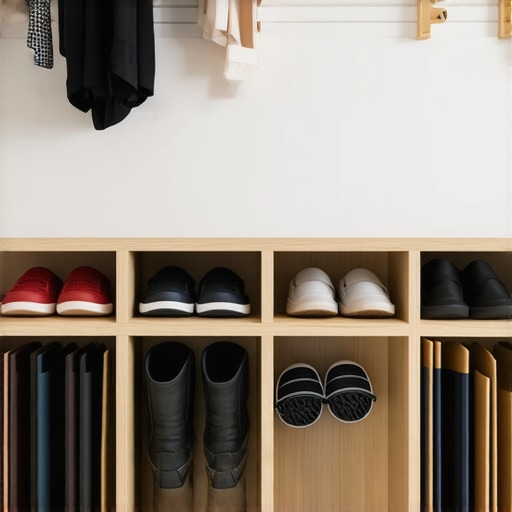
The Built-In Bookshelf Move: Why We Use Fixed Middle Shelves for Strength
I will never forget the sound of my favorite ceramic vase shattering on the hardwood floor. It was a Saturday afternoon, and I had just finished organizing my dream home library, stacking heavy reference books, plants, and collectibles onto what I thought were highly sturdy adjustable shelves. Then, with a slow, agonizing groan, the upright cabinet walls bowed outward under the lateral pressure, the tiny metal shelf pins slipped, and the entire unit collapsed inward. It was a messy, heartbreaking disaster that taught me a brutal lesson: adjustable cabinetry components need a structural anchor.
The Critical Structural Mistake We All Make Early On
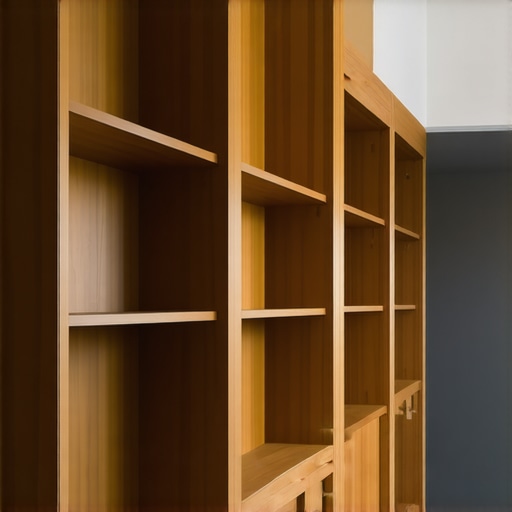
When I first started designing built-ins that elevate your living rooms functionality, I made the amateur mistake of chasing ultimate flexibility. I wanted every single shelf to be adjustable. It sounds perfect on paper, right? But without a permanently anchored horizontal plane to tie the left and right cabinet walls together, tall cases naturally bow outward in the middle over time. This is especially true under the weight of heavy books or kitchen storage. Incorporating a fixed middle shelf, often called a structural tie-shelf, acts as a permanent tension member that holds the entire cabinet box square, preventing deadly sags and catastrophic blowouts.
Are fixed shelves actually worth losing the flexibility?
I hear this skepticism all the time from homeowners planning a modern kitchen remodel featuring custom cabinets and built-ins. You worry that locking a shelf in place will ruin your future storage options. In reality, a single fixed middle shelf strategically placed at eye level or counter height does not limit you; it actually provides a reliable, heavy-duty foundation. According to architectural design standards published by the Architectural Woodwork Institute (AWI), tall shelving units over 48 inches in height require a fixed structural member to resist lateral bending and maintain overall structural integrity. By locking that middle shelf in with pocket screws, dados, or dowels, you create a rock-solid unit. You can still keep the shelves above and below it fully adjustable for your changing needs.
Have you ever noticed your own bookshelves bowing or had a shelf pin slip out of nowhere? Let me know in the comments below. If you want to avoid these structural headaches entirely, check out our guide on expert tips on selecting storage solutions for a perfect kitchen upgrade to ensure your next project is built to last.
Step-by-Step Anatomy of a Structural Shelf Integration
Building cabinetry that withstands the test of time requires looking at the unit like a structural engineer. Think of a tall bookshelf or a kitchen pantry as a skyscraper. Without horizontal cross-beams, wind or internal pressure forces the vertical columns to buckle. In woodworking, the weight of your heavy dishes or encyclopedias exerts that same bowing force on the side panels. To prevent this, we must mechanically lock the middle shelf directly into the cabinet walls to create a rigid, non-negotiable anchor point.
Choose Your Joinery Method Wisely
You cannot simply rely on standard shelf pins for your structural center. I learned this the hard way on a job in early 2021. I tried using heavy-duty shelf pins for a massive floor-to-ceiling pantry unit during a modern kitchen remodel featuring custom cabinets and built-ins. Within three weeks, the homeowner called because the side walls had bowed outward by just an eighth of an inch—enough for the adjustable shelves to slip off their pins and dump dozens of cans onto the floor. I had to go back, rebuild the carcasses, and use a true mechanical joint. For a truly professional result, you have three primary options: pocket hole joinery hidden on the underside of the shelf, a routed dado joint where the shelf sits inside a groove in the side panels, or heavy-duty wood dowels coupled with high-quality wood glue. If you are building paint-grade cabinets, pocket holes plugged with wood filler are the fastest, strongest solution. If you are working with stained hardwood, a stopped dado provides an incredibly clean, seamless look.
Secure the Cabinet Backing to Prevent Racking
A structural shelf keeps the cabinet sides from bowing outward, but it does not completely prevent “racking”—which is when a cabinet leans or tilts into a parallelogram shape. To solve this, you need a solid back panel. Many cheap flat-pack units use a flimsy piece of cardboard or thin hardboard slipped into a groove. If you want your investment to last, use at least 1/4-inch plywood, glued and stapled directly to the cabinet back, or integrate a solid 3/4-inch hanging rail at the top and middle. When executing a custom cabinets as a game changer in your kitchen remodel journey, anchoring the unit directly into the wall studs through a solid hanging rail ensures the entire system remains perfectly plumb and square forever. This structural rigidity is also critical if you want to maximize space with innovative storage solutions for every room without worrying about the weight capacity of your shelving units.
Locate the Sweet Spot for Your Fixed Shelf
Placement is everything. If your cabinet is 84 inches tall, placing your structural tie-shelf at exactly 42 inches (the physical midpoint) is the most structurally sound option. However, from a design perspective, having a thick fixed shelf dead-center can sometimes break up the visual flow. I prefer to align the fixed shelf with a major horizontal architectural line in the room, such as the kitchen countertop height (typically 36 inches) or the top of an adjacent mantel. This keeps the cabinet structurally rigid while making the fixed element look entirely intentional. Once that structural anchor is locked in, you are free to drill your 5mm shelf pin holes every 32mm above and below it to preserve ultimate flexibility for your lighter items.
When designing custom storage, most people prioritize ultimate flexibility over structural strength. The general consensus suggests making every shelf adjustable to accommodate changing household items. However, relying entirely on adjustable systems is a recipe for sagging panels and structural failure. In high-use zones, a balanced layout containing integrated structural anchors outperforms fully customizable designs every single time.
Why Do Professional Designers Avoid Fully Adjustable Cabinet Units?
According to research by the Architectural Woodwork Institute (AWI), tall storage cases without permanently fixed intermediate shelves are highly susceptible to lateral bowing when loaded to capacity. Under intense load, vertical panels flex outward, allowing standard shelf pins to slip out of their holes. Incorporating at least one fixed shelf mechanically bound to the side panels prevents this movement entirely. When you plan a modern kitchen remodel featuring custom cabinets and built-ins, designing with structural permanence in mind protects your investment and ensures daily safety.
A common trap during a home renovation is prioritizing shelf count over cabinet backing. Flimsy, slip-in backing panels fail to stop cabinetry racking. For long-term stability, professionals use a solid 1/4-inch or 1/2-inch plywood backing that is glued and stapled directly to the cabinet carcass. This structural back panel works in tandem with a fixed middle shelf to form an incredibly rigid box structure. If you want to maximize space with innovative storage solutions for every room, you must first build a foundation capable of carrying heavy, concentrated loads without flexing.
Another overlooked detail is how your cabinets handle moisture-prone zones. For instance, pantry and sink bases require extra structural planning. Using cheap materials or weak joinery near appliances leads to early failure. Choosing custom cabinet options allows you to integrate dedicated storage modifications that are both durable and easy to maintain over decades of daily use. Have you ever fallen into the trap of choosing flimsy, fully adjustable shelving only to watch it sag under pressure? Let me know in the comments below. If you want to learn more about selecting long-lasting storage components, explore our guide on expert tips on selecting storage solutions for a perfect kitchen upgrade.
Keeping your custom built-ins and kitchen cabinetry performing flawlessly over decades isn’t just about the initial wood selection; it’s about active, long-term maintenance and using the right precision setup tools. I have seen beautifully built units slowly shift out of square because a homeowner didn’t know how to monitor structural settling. Wood is an organic material that breathes, expands, and contracts with the seasons, which means your joinery and mounting points require occasional check-ups to prevent future failures.
How do I maintain structural cabinet integrity over time?
The secret to keeping your built-ins perfect lies in early detection. Every spring and fall, when humidity levels swing dramatically, I recommend taking a standard 24-inch spirit level and checking your tall cabinet walls and heavy shelving units. If you notice a cabinet starting to lean, or if a door begins rubbing against its frame, it is usually a sign that your home has settled or the wall anchors have loosened. You can easily learn how to align cabinet doors when your walls are out of plumb to correct minor shifts before they warp your hinges permanently. Regularly inspecting the tension on your structural middle shelves and tightening any pocket screws or cabinet connectors ensures that minor physical movements don’t turn into catastrophic structural sagging.
For those planning a complete kitchen transformation, these maintenance principles are even more critical. When you invest in a modern kitchen remodel featuring custom cabinets and built-ins, the sheer weight of your stone countertops, heavy cookware, and integrated appliances places constant stress on your casework. Keeping a simple maintenance log and adjusting your drawer glides and European hinges once a year will keep everything gliding smoothly.
The Essential Precision Tools in My Personal Arsenal
I do not build or maintain high-end cabinets with cheap plastic jigs or basic hardware store levels. If you want professional results that stand up to the rigorous standards of the Woodwork Institute, you need to use the exact specialty tools that master carpenters rely on. My absolute favorite tool for hardware installation is the True Position Tools Cabinet Hardware Jig. It features machined aluminum blocks and case-hardened steel bushings, allowing you to drill hardware holes with zero deflection and perfect repeatability. It is the only tool I trust to prevent ruined door fronts. When it comes to checking cabinet box squareness during maintenance or installation, I personally use Woodpeckers Precision Woodworking Squares. Their absolute structural rigidity ensures my boxes are dead-on 90 degrees every single time.
Looking ahead, the future of custom storage is moving rapidly toward smart, fully integrated systems. Over the next decade, we will see cabinets featuring built-in micro-sensors that actively monitor weight distribution and wood moisture content, alerting homeowners via an app before structural bowing ever begins. Until that technology becomes mainstream, the best defense is utilizing proven manual tools and proper assembly techniques to maximize space with innovative storage solutions for every room safely. I highly encourage you to try my favorite advanced tip today: take a level to your tallest shelving unit, locate the physical center, and install a structural tie-shelf to lock your vertical panels in place forever.
The Hardest Lessons I Learned Designing Custom Built-ins Under Pressure
Over years of designing built-ins that elevate your living rooms functionality, I have collected my fair share of scars and middle-of-the-night panic calls. The biggest shift in my design philosophy came when I stopped viewing cabinets as simple wooden boxes and started treating them as load-bearing architectural features. Here are three critical insights that completely changed my custom woodworking process:
- Flexibility without structure is a ticking time bomb. If you design a tall cabinet unit with 100% adjustable shelving, you are actively choosing future alignment problems. At least one structural horizontal plane is non-negotiable to stop the vertical sides from bowing.
- Flimsy backing panels destroy overall squareness. Many standard cabinet systems fail not because of weak shelf pins, but because the back panel lacks structural integrity. I always install a rigid, glued, and fastened back panel to completely prevent lateral racking.
- Moisture changes everything. In high-humidity areas, even the most precise joinery can shift. If you are doing a modern kitchen remodel featuring custom cabinets and built-ins, you must account for structural expansion and select materials that resist warping.
The Dedicated Reference Material I Keep on My Workbench
To master the fine details of custom cabinet assembly and long-term durability, you need trusted industry guidelines. Here are the specific professional resources that shaped my custom fabrication standards:
- The Architectural Woodwork Standards (AWS): This is the absolute bible for structural cabinet tolerances. Published jointly by the Architectural Woodwork Institute (AWI) and the Woodwork Institute, it provides the precise load capacities and span rules that prevent catastrophic shelf failures.
- Woodpeckers Precision Framing Squares: In my own workshop, I do not rely on standard hardware store squares. These heavy-duty, machined aluminum tools are essential for keeping my cabinet carcasses perfectly square during assembly.
- True Position Tools Cabinet Hardware Jig: This machined guide ensures that every single knob, pull, or hinge plate is mounted with flawless accuracy. I use it on every build to keep hardware aligned and eliminate human error.
Step Into Your Next Woodworking Project with Confidence
Taking on a major cabinetry build or planning your next home upgrade can feel overwhelming, but you now have the structural blueprints to build something that lasts a lifetime. Whether you are executing a full-scale custom cabinets as a game changer in your kitchen remodel journey or simply securing a bowing bookcase in your living room, focusing on structural reinforcement makes all the difference. When you lock in those critical structural shelves, you aren’t just building furniture—you are creating a safe, functional, and permanent anchor for your home. Go ahead, take a closer look at your own shelving, add that structural backbone, and watch how it elevates your space.
Have you ever had a heavy bookshelf sag or watched adjustable shelves slip out of alignment under pressure? Let me know your experiences and struggles in the comments below.