The Truth About Thermofoil: Why It Peels Near Your Oven and How to Avoid It
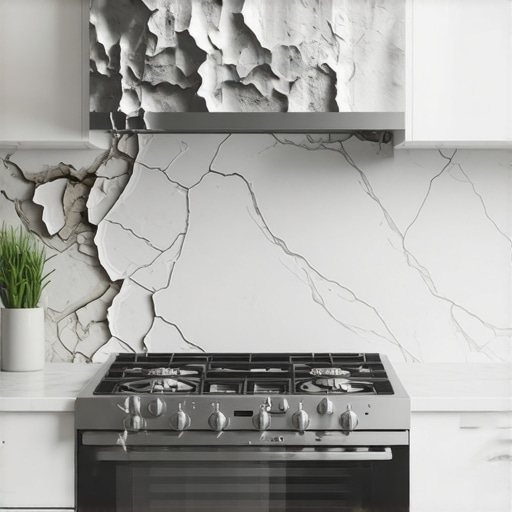
One morning, I opened my kitchen cabinet to grab a mug, only to find a jagged, peeling piece of thermofoil laminate staring back at me. Panic set in. I wondered how I’d let something so seemingly small turn into a major remodel concern. That lightbulb moment made me realize I wasn’t alone—many homeowners face the same frustration with thermofoil cabinets near their ovens. If you’ve noticed your cabinet doors peeling, especially around heat sources, you’re probably asking, “Why does this happen, and can I do anything to stop it?” Well, let’s dive in and uncover the truth about thermofoil, why it peels near your oven, and—most importantly—how you can avoid this common faux pas.
Understanding the Heat Dilemma
Are Thermofoil Cabinets Really This Fragile? Because I Thought They Were Durable
When I first opted for thermofoil in my kitchen, I believed I was choosing a low-maintenance, affordable solution. I had read glowing reviews about its sleek look and ease of cleaning. But I overlooked one critical factor: heat. Early on, I learned the hard way that thermofoil isn’t a heat-loving material. Exposure to high temperatures—like those near your oven or cooktop—can cause the laminate to peel or bubble. According to the Family Handyman, heat exposure is one of the leading reasons for thermofoil failure, especially in kitchens where cooking is intense and frequent.
In my case, the peeling was slow but relentless. Every time I opened my oven, I noticed a bit more laminate lifting at the edges. That’s when I realized I had made a mistake early on—underestimating how sensitive thermofoil is to heat and humidity. And I almost paid the price of a costly cabinet replacement. But I learned some tricks along the way that I want to share with you, so you won’t have to experience the same disheartening peeling and bubbling near your oven.
Today, we’re going to explore the real reasons thermofoil peels, how you can prevent it from happening, and what alternatives might serve you better in the long run. If this sounds familiar, stick with me—your cabinets and your peace of mind will thank you.
The Peeling Predicament: What You Need to Know
Is Thermofoil Really Worth the Hype if Heat Is an Enemy?
It’s understandable to be skeptical. A lot of folks get excited about thermofoil’s glossy finish and ease of wipe-down, but then face the disappointment of peeling after a few years. I made that mistake myself, thinking that sealing in the laminate meant it could withstand any kitchen hazard. But I quickly learned that the high heat near your oven isn’t just uncomfortable—it’s downright destructive for thermofoil. Knowing this, I started searching for better options, like custom cabinets designed with heat-resistance in mind, which can be a game-changer for remodeling projects. For ideas on how to elevate your space while avoiding these pitfalls, check out this inspiring guide.
So, can thermofoil truly fit a busy kitchen—the kind that demands durability? That’s what I aim to answer, along with practical advice to help you keep your cabinets looking new, no matter what your cooking adventures throw at them. Ready to learn what really works? Let’s dive into the solutions that can save your investment—and your sanity.
Reinforce Your Cabinets with Heat-Resistant Materials
One effective method I used involved applying a specialized, heat-resistant veneer or foil to the areas most exposed to heat, effectively creating a barrier that deflected or absorbed heat before it could damage the thermofoil. I started by carefully removing peeling sections with a utility knife, then cleaned the surface thoroughly. Next, I measured and cut the new material to fit precisely, ensuring no gaps where heat could penetrate. I used high-temperature adhesive suitable for kitchen environments, pressing the new veneer firmly into place. This approach isn’t a permanent fix but buys significant time and keeps your cabinets looking fresh. For a more comprehensive upgrade, consider custom cabinets with built-in heat shields—these can be integrated during a full remodel, substantially reducing future peeling issues. Check out this guide to custom cabinets for ideas.
When it comes to upgrading your kitchen or living space, there’s a common misconception that’s more widespread than you might think: the idea that more storage is always better without considering the nuances of design and function. Many homeowners fall into the trap of focusing solely on maximizing cabinet space, believing that size equals efficiency, but this simplistic view often leads to cluttered, inefficient kitchens. **The truth is, effective storage isn’t just about volume—it’s about smart design that aligns with your habits and workflow.** For example, a study by the National Kitchen and Bath Association emphasizes that customized storage solutions tailored to personal routines can significantly enhance usability and satisfaction.
### Overlooking the Power of Built-ins
A frequent mistake is underestimating the transformative potential of built-in features. Instead of seeing built-ins as just aesthetic choices, savvy homeowners recognize them as strategic elements that optimize space and functionality. For instance, a built-in spice rack or a hidden charging station can declutter countertops and streamline cooking or working processes. Discover more about how **built-ins elevate living room functionality** by exploring our comprehensive guide.
### The Myth of One-Size-Fits-All Cabinets
Many assume that off-the-shelf cabinets suffice for all needs, but this is far from the truth. Custom cabinets offer tailored solutions that accommodate unique kitchen layouts, awkward corners, and specific storage needs. Overlooking customization often results in wasted space or difficulty accessing items, which frustrates daily routines. For in-depth insights, check out our article on **custom cabinets as a game-changer in kitchen remodeling**.
### Advanced Perspectives on Storage Efficiency
For the seasoned remodeler or designer, the conversation shifts to nuanced design choices—such as incorporating vertical dividers for baking sheets or implementing swing-out pantry shelves. These features not only maximize space but also reduce the chaos commonly seen in traditional storage. A study published in the Journal of Interior Design highlights that such innovations can enhance ergonomics and accessibility, especially in small kitchens.
### Beware the Trap of Over-Designing
A common pitfall is over-complicating storage with too many specialized compartments. While it may seem innovative, it can backfire by making the space harder to maintain and clean. The Secret to a clutter-free kitchen is balancing innovative solutions with simplicity, ensuring that every element serves a clear purpose. For more expert tips, visit our guide on **smart storage solutions for small kitchens in 2025**.
Have you ever fallen into this trap? Let me know in the comments!
Maintaining your custom cabinets, built-ins, and kitchen storage solutions over time is crucial to ensuring their longevity and continued aesthetic appeal. I rely heavily on specific tools and methods that help me keep everything functioning smoothly and looking pristine. One of my most valuable tools is a high-quality pneumatic screwdriver. It allows me to tighten hinges and handles effortlessly, preventing loose components that can lead to property damage or unsafe conditions. The expert advice emphasizes that regularly checking and tightening hardware is a simple but often overlooked step in cabinet maintenance.
For fine-tuning door alignments and resolving squeaks, I turn to a set of precision spirit levels and a cabinet square. These tools ensure that all doors and drawers are properly aligned, improving both appearance and function. Additionally, a soft cloth and gentle cleaning solution are essential for routine cleaning, preventing dust and grease buildup that can affect hardware and materials over time. Regular inspection helps catch small issues before they become costly repairs; for example, noticing a hinge that’s starting to loosen early can save you from dealing with sagging doors or uneven gaps later.
When it comes to long-term results, investing in a high-quality silicone-based lubricant is a game changer. I use it to lubricate hinges, slides, and drawer runners periodically. Unlike oil or WD-40, silicone sprays do not attract dust and grime, which keeps everything operating smoothly without additional mess. Regular lubrication can double the lifespan of moving parts and maintain quiet operation—something my family appreciates daily.
Scaling your storage solutions for larger spaces or more complex designs requires strategic planning and the right tools. Power drills with various bits enable me to modify existing cabinets or install new features efficiently. I’ve also adopted a digital level app on my tablet, which offers precise measurements without needing bulky equipment. As trends in kitchen remodels evolve, I predict that smart tools—like IoT-enabled cabinet sensors for detecting moisture or wear—will become more commonplace, allowing homeowners to monitor their cabinetry remotely and plan maintenance proactively. For now, mastering basic maintenance using the right tools can significantly extend the life of your investments.
How do I keep my storage solutions functioning well over time?
The key is consistency and familiarity with your tools. A scheduled check-up every few months—tightening hardware, cleaning surfaces, and lubricating moving parts—can prevent many issues. Additionally, adopting techniques like scribing filler strips or adjusting hinges with specialized guides, as discussed here, helps maintain a seamless, professional appearance even after years of use. Remember, a little effort now can save major headaches later—so don’t neglect your tools or routine maintenance.
If you’re serious about keeping your cabinets and built-ins in top shape, I recommend trying out a maintenance schedule that includes inspecting hardware, cleaning, and lubrication. It’s a small investment of time that yields lasting results—protecting your remodel’s beauty and functionality for decades to come. For comprehensive ideas on custom cabinetry upkeep, check out this guide, and make maintenance a part of your remodeling journey.

Unearthing the Lessons Hidden in My Kitchen Transformation
- One of the toughest truths I faced was realizing that my enthusiasm for sleek, modern cabinets sometimes blinded me to their heat sensitivity—especially near the oven. The lightbulb moment came when peeling thermofoil reminded me of the importance of understanding material limitations before choosing them for high-heat zones.
- I learned that DIY fixes, like reinforcing with heat-resistant veneer, might buy you time but aren’t substitutes for strategic planning during your remodel. Investing in professional advice or opting for materials designed for your kitchen’s specific demands is a lesson that saves money and frustration in the long run.
- My biggest revelation was that perfect storage isn’t about maximizing volume — it’s about thoughtful design that fits your daily routines. Custom solutions tailored to your habits make a noticeable difference, turning a cluttered, inefficient space into a culinary haven.
- Finally, I discovered that regular maintenance—tightening hinges, lubricating components—can significantly extend your cabinets’ lifespan. Embracing this routine ensures your remodel remains beautiful and functional for years, proving that proactive care is as crucial as initial design decisions.
My Go-To Arsenal for a Kitchen Remodel That Lasts
- Laurel & Wolf’s Design Software – I trust this for visualizing my layout and experimenting with storage solutions before committing physically. It’s intuitive and saves countless hours.
- Freud Dado Sets and Precision Measuring Tools – Quality tools make all the difference in achieving seamless, professional finishes. I swear by their durability and accuracy.
- “The Kitchen Revolution” by Leroy J. Lee – This book broke down the psychology of efficient space, inspiring me to rethink my approach to cabinet placement and built-in features. It’s a must-read for anyone serious about transforming their kitchen.
- Expert Consultation Services – Sometimes, a seasoned eye catches issues you might overlook. I recommend investing in a few sessions with professionals to fine-tune your plan and avoid common pitfalls.
Your Next Move Begins Today
Don’t wait for the perfect moment to upgrade your kitchen storage and cabinetry. Whether you’re tackling a small refresh or a full remodel, applying practical insights and choosing the right materials can make all the difference. Remember, the journey toward a functional, beautiful kitchen is ongoing, but taking that first step confidently today will set the tone for years to come. Ready to craft your ideal space? Share your plans or questions below—I’d love to hear your story and assist where I can.