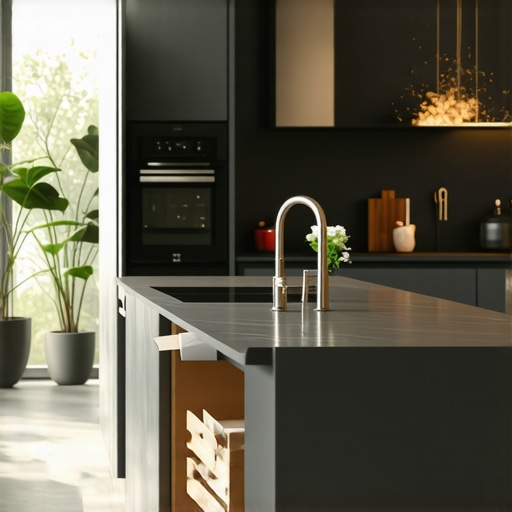
The Hidden Bench Move: Adding a Pull-Out Step for High Kitchen Reach
One morning, reaching for that last plate in the topmost cabinet, I realized I was risking a major mishap. My makeshift stool wobbled, and I nearly spilled a bowl of fresh pasta on the floor. That lightbulb moment made me rethink my kitchen storage and accessibility solutions. Is your high cabinet cluttered and hard to access like mine once was? If so, you’re not alone. Many homeowners struggle with reaching those tricky upper shelves, especially when their kitchen is beautifully remodeled but functionally frustrating. Today, I promise to show you how I turned my high reach problem into a sleek, hidden solution—adding a pull-out step behind my cabinets. This approach not only improved safety but also kept my kitchen looking seamless and stylish.
The Hidden Power of a Pull-Out Step in Your Kitchen
Choosing to incorporate a hidden pull-out step transformed my cooking experience. It’s discreet, practical, and surprisingly simple to install. No more bulky stools or dangerous balancing acts. Instead, I have a sturdy, slide-away step that tucks behind my cabinetry when not in use. This idea may sound too good to be true—trust me, I was skeptical at first! But once I saw how it integrates into my existing setup, I knew I’d found a game-changer. Incorporating such a feature enhances safety and convenience, especially for older family members or guests who might struggle with high shelves. If you’re curious about similar innovations, check out how custom cabinetry can elevate your space, or explore smart storage solutions for maximizing functional space in your kitchen.
Is Adding a Pull-Out Step Really Worth the Hype?
Early on, I made the mistake of cheaping out on materials and choosing a basic step. Big mistake. It wobbled, was hard to clean, and looked awkward. I learned that investing in a quality, custom component is essential. The right materials and design ensure durability and aesthetic harmony. After all, this isn’t just about convenience; it’s about safety and style. If you’re unsure whether this is a worthwhile upgrade, know that many homeowners underestimate the importance of accessible storage until it directly impacts daily life. For comprehensive guidance on selecting the perfect storage solutions, I recommend exploring the expert tips on storage and how custom cabinets can seamlessly blend into your home’s design.
Identify the Perfect Location for Your Pull-Out Step
Measure the space behind your high cabinets where you want the step to slide out. Choose a spot that doesn’t interfere with existing plumbing or electrical lines. Recall that I once cleared out a cluttered corner under my upper cabinets, using a laser measure to pinpoint exactly where the panel could be recessed seamlessly into the cabinetry. This precise approach prevented me from drilling into hidden pipes.
Design a Custom Cabinet Panel with Storage Integration
Create a CAD drawing of the panel that matches your cabinetry style. The panel should incorporate a handle or finger notch for easy pulling. Think of it as designing a drawer front that doubles as a pull-out step—compact, sturdy, and unobtrusive. I opted for a lightweight yet durable plywood with a veneer finish that matched my existing cabinets, ensuring visual harmony.
Choose Quality Materials for Durability
Select hardwood or high-quality plywood designed to withstand foot traffic. Avoid cheap MDF or particleboard, which can wobble or warp over time. I learned this the hard way when a previous DIY step wobbled after a few months, risking safety. Investing in solid materials guarantees longevity and safety, especially if you have kids or elderly family members.
Build or Order the Recessed Panel
If you’re comfortable with woodworking, cut the panel to size, router the edges for smoothness, and install a hidden latch or magnetic closure. Alternatively, consult a custom cabinetmaker who can precisely craft this piece. When I ordered mine, I provided the exact measurements and finish requirements, leading to a flawless fit that looked like a factory component.
Install the Recessed Panel to the Cabinet Frame
Remove the existing cabinet panel carefully. Secure the new panel with concealed hinges or clips, ensuring it slides smoothly. Use shims to level the panel if needed. I witnessed a misalignment once when I didn’t double-check the level—the panel tilted slightly, making it awkward to pull out. Precise leveling prevents this and ensures seamless operation.
Test the Functionality and Safety
Pull the panel repeatedly, checking for smoothness and stability. Add soft-close mechanisms if necessary to prevent slamming. Remember, a sturdy, well-functioning pull-out step enhances safety and accessibility. I added a soft-close hinge system and held my breath during the first test—it operated silently and smoothly, a satisfying upgrade.
Finalize Aesthetic Touches
Paint or stain the panel to match your cabinetry. Install a handle or finger pull that complements your kitchen’s style. Seal the wood with a protective finish. I chose a matte polyurethane to resist wear and tear, which proved essential when a spill occurred—cleaning was effortless. For more insights on customizing cabinets, explore the expert tips on storage solutions.
 Many homeowners assume that choosing the perfect materials or a trendy design guarantees success in custom cabinetry or a kitchen overhaul. However, the real challenge lies in mastering subtle nuances that often go unnoticed. For instance, a common myth is that high-gloss finishes always look modern and sleek; in reality, they highlight imperfections and require meticulous maintenance. Similarly, some believe that budget-friendly MDF cabinets are always inferior, but with proper sealing and assembly, they can serve well in less exposed areas, provided you understand their limitations.
Advanced pitfalls often involve overlooking the importance of door hinge alignment and the grain direction of wood, which can lead to visible gaps or warp over time. Overlooking these details might seem minor initially but can compromise the durability and aesthetics of your kitchen in the long run. For example, a slight misalignment in the hinges not only affects the appearance but also causes stress on the doors, accelerating wear and tear. To avoid such issues, I recommend consulting expert sources like the ultimate guide to custom cabinets, which stresses the significance of precision in every stage of installation.
A common trap many fall into is underestimating the importance of storage access in custom designs. Incorporating innovative solutions like pull-out shelves or hidden compartments can be game-changers, but only if precisely planned for the specific dimensions and user habits. Failing to do so often results in wasted space and frustration. For advice on maximizing space intelligently, check out smart storage ideas.
From an expert perspective, consider the impact of environmental factors such as humidity and temperature fluctuations on material choice. Solid wood, while beautiful, can crack or swell if not properly treated or selected for your climate—an advanced mistake that can be costly. According to research published by the Natural Handyman, selecting the right wood species and finishes is essential for long-term stability.
Are you aware of how these nuanced factors influence your project’s success? By paying attention to these details, you can avoid costly corrections and achieve a truly flawless result. Remember, mastering these subtle points often separates the good from the great in custom cabinetry and remodels. Have you ever fallen into this trap? Let me know in the comments and share your experiences.
Maintaining your custom cabinets and storage solutions is crucial to preserving their beauty and functionality over time. The right tools make this task much easier, ensuring your kitchen remains both stylish and practical for years to come. One indispensable tool I recommend is a high-precision orbital sander. This device allows me to quickly and smoothly refinish cabinet surfaces when repair or touch-ups are needed, without damaging the veneer or paint. paired with high-quality sandpapers, it’s my go-to for restoring distressed areas or preparing surfaces for fresh finishes.
Another vital tool is an laser level, which I use extensively during installation and adjustment phases. Accurate leveling ensures the seamless operation of features like pull-out shelves, built-ins, and hidden panels—misaligned components can compromise safety and aesthetics. Investing in a durable, professional-grade laser level pays off, especially when installing custom cabinetry that demands precision.
Regarding software, I rely heavily on CAD programs tailored for cabinetry design, such as **Cabinet Vision** or **2020 Design**. These digital tools enable me to plan storage solutions meticulously, visualize the entire project, and spot potential issues before fabrication. This proactive approach minimizes costly mistakes and ensures the final product aligns perfectly with the intended space. As trends evolve toward more integrated storage, leveraging such software will become even more vital.
For ongoing maintenance, I suggest using a soft microfiber cloth combined with a gentle, cabinet-safe cleaning solution—avoiding harsh chemicals that can damage finishes. Regular wiping prevents dust buildup and keeps surfaces looking pristine. Additionally, applying a quality wood conditioner or polish annually helps maintain the natural luster of wood veneers or finishes, extending the lifespan of your cabinetry.
Given the increasing popularity of smart storage solutions, I foresee a future where digital accessories, like sensor-activated compartments and automated systems, will become standard in custom cabinetry. This integration will elevate convenience, allowing you to control your storage with a smartphone app or voice command. Staying ahead involves embracing these innovations now, installing compatible systems, and ensuring they work with your existing cabinetry setup.
How do I maintain my custom cabinets and built-in storage systems over time?
Consistent care is key. Regularly inspect hardware like hinges and slides for wear—lubricate moving parts with a silicone-based lubricant to keep them operating smoothly. Adjust alignment when you notice misalignment or sticking, using the tools mentioned earlier. Consulting expert resources, such as this guide on built-in storage maintenance, can provide additional tips tailored to your specific cabinetry materials and features. By investing in quality tools and adopting regular maintenance routines, you ensure your kitchen remains functional and beautiful for decades. Why not try optimizing your storage with a smart, sensor-activated drawer or cabinet accessory? These small upgrades can significantly boost efficiency and add a modern touch to your remodel.
Over time, I learned that the real art of a successful kitchen remodel lies in embracing subtle details that might seem minor but have a major impact. One lesson I wish I had known earlier is that custom cabinetry isn’t just about aesthetics; it’s about understanding how your specific space and habits influence your storage needs. Just installing beautiful cabinets isn’t enough—you need to think about accessibility, material choices, and long-term durability. For example, I once selected a trendy high-gloss finish without considering how it would show fingerprints or require constant upkeep, leading to disappointment. Now, I recommend inspecting every detail, from hinge alignment to grain direction, because these nuances ensure your kitchen remains stunning and functional decades down the line.
Another insight is the importance of cleverly integrated storage solutions. Hidden pull-out steps or recessed panels transformed my high shelves from frustrating to fabulous. But the biggest lesson? Prioritize quality materials. Cheap MDF might save money upfront, but it’s prone to warping, which can compromise safety and look. Investing in sturdy hardwood or high-quality plywood, especially for components that bear weight, guarantees longevity and peace of mind. To truly elevate your space, leverage expert guides like these storage tips—they’re packed with real-world advice gleaned from years of experience.
Gems from My Toolbox of Insider Know-How
- Patience with measurements: Nothing beats double-checking with laser levels and CAD tools. Rushing leads to misaligned doors or awkward pulls—trust me, I’ve been there.
- Material matters: Your decision on plywood versus particleboard isn’t just about cost; it dictates how your cabinets stand up to humidity and everyday wear. For high-traffic or moist areas, durable options save headaches later.
- Don’t overlook environmental factors: Climate impacts wood expansion and contraction. Selecting the right wood species and finishes, as discussed in this guide, can be a game-changer.
- Follow your instincts on aesthetics: Whether it’s grain direction, handle style, or finish, trust your eye. When in doubt, consult resources like these insights.
Your Next Step in Kitchen Transformation
Your journey toward a beautiful and efficient kitchen is an exciting adventure—one where every small decision builds toward a space that truly reflects your lifestyle. Remember, mastering the art of custom cabinets and innovative storage solutions isn’t just about copying ideas; it’s about tailoring them to fit your unique needs and style. Trust your instincts, lean on expert advice, and don’t shy away from asking questions or trying new approaches. The future of your dream kitchen begins with a single step—why not make it today? If you’re ready to start transforming your space into something extraordinary, explore options like integrated built-ins or custom pull-out features that bring both beauty and function together seamlessly.
Have you ever considered how small details, like the grain of your wood or the alignment of your hinges, can truly make or break your remodel? Share your experiences below—your insights could inspire someone else’s transformation journey.