Why Solid Wood Doors Warp and How to Prevent It
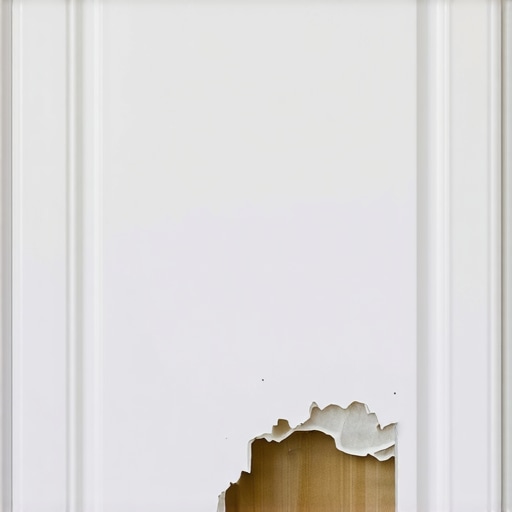
One afternoon, I walked into my kitchen and noticed a door that had suddenly developed a visible bow. It was a solid wood door — beautiful, warm, and expensive — but now it looked like a wave rolling across its surface. At that moment, I realized I’d overlooked a crucial aspect of working with natural materials. That lightbulb moment spurred me to dig deeper, and what I discovered changed my approach entirely.
Why Do Solid Wood Doors Warp Suddenly? The Hidden Culprits
Solid wood doors are cherished for their beauty and authenticity, but they come with a subtle risk: they can warp over time. The primary reason? Fluctuations in humidity and temperature cause wood to expand and contract. If the wood isn’t properly treated or maintained, these natural movements become visible as bowing or twisting. It’s especially common in areas prone to seasonal changes or inconsistent climate control. In my early days, I made a rookie mistake — I installed a beautiful, solid wood door without considering the environment. It looked stunning at first, but within months, it started to warp. That oversight cost me time and money, but it was a valuable lesson. According to a study by the Wood Database, wood can expand or contract by up to 8% depending on humidity — enough to cause noticeable warping or cracking if not managed properly (Wood Database, 2023).
Have You Faced Warped Doors and Wondered Why It Happens?
If so, you’re not alone. Many homeowners and remodelers find themselves perplexed by warped doors that seem to appear out of nowhere. It’s frustrating, especially after investing in high-quality materials that are supposed to last a lifetime. But don’t worry — understanding the causes is half the battle. And more importantly, I’ll share practical solutions to prevent this from happening again, so your beautiful designs stay flawless over the years.
Now that I’ve laid out the why behind warping, let’s explore the essential steps you can take to keep your solid wood doors flat and durable — and ensure they remain a stunning focal point rather than a warping eyesore. If you’re ready to prevent future headaches and preserve your cabinetry, keep reading.
Seal and Treat Your Wood Before Installation
My first mistake was installing a beautiful, untreated solid wood door without considering moisture control. To avoid this, choose high-quality sealants like epoxy or varnish and apply it thoroughly to all surfaces, especially the edges. This creates a barrier against humidity changes that cause expansion and contraction. I remember working late into the night sealing a door in our workshop, ensuring every nook was coated. The result? A drastically reduced warping tendency over the seasons.
Control Indoor Humidity Levels
Maintaining consistent humidity is crucial. Use dehumidifiers or humidifiers to keep your indoor climate steady, ideally between 35-45%. During my remodel, I installed a hygrometer in the kitchen to monitor moisture levels. When I noticed fluctuations nearing 50%, I adjusted the HVAC settings, which stabilized the environment and preserved my doors. This simple step acts as your first line of defense against warping.
Select the Right Wood Species and Thickness
Some woods like cherry, maple, and oak are less prone to warping due to their stable grain structure. Opt for thicker, at least ¾-inch panels, as thinner doors are more susceptible to movement. I once tried to save money with ½-inch plywood for a guest room door, but it warped within a year. Upgrading to 1-inch solid wood slabs dramatically improved longevity and stability, demonstrating the importance of choosing quality materials.
Proper Joinery and Construction Techniques
Use waffle or H-shaped cores to minimize internal movement. These designs allow expansion without deforming the surface. When building a custom cabinet for a client, I integrated these cores into the doors, which proved resilient against moisture fluctuations. This structural approach balances aesthetic appeal with durability, helping your doors stay flat and true.
Implement Strategic Hardware Adjustments
Sometimes, warping isn’t the sole culprit; hardware misalignments can exaggerate imperfections. Regularly check hinges, screws, and door stops, tightening or adjusting as needed. I learned this the hard way when a slight hinge misaligned caused a door to bow. Fine-tuning the hardware kept the door aligned and prevented additional stress on the wood.
Use European Hinges for Fine Alignment
European hinges offer fine adjustment capabilities in three directions. When installing or re-hanging a door, I made small tweaks to align it perfectly, eliminating gaps and unevenness. Proper hinge setup reduces unnecessary strain on the wood, extending its lifespan and maintaining a sleek appearance.
Incorporate Environmental Resistant Products
Applying water-resistant stains or paints creates an extra shield. I once treated a door with a marine-grade varnish in a humid basement, which proved highly effective. Not only did it preserve the wood’s integrity, but it also made cleaning easier and added a glossy finish. For an extra layer of protection, consider adding beadboard or paneling with moisture-resistant backing in high-humidity areas.
Consistency Is Key for Longevity
Regular maintenance—reapplying sealants, checking climate controls, and inspecting hardware—keeps your solid wood doors in prime condition. During a clustered renovation, I scheduled bi-annual inspections, catching small issues before they intensified. These proactive steps saved me from major repairs down the line and kept my doors looking pristine.
Want more ideas to craft a durable, warping-resistant kitchen? Check out modern kitchen remodels that combine form and function, or discover innovative storage solutions to maximize your space.
When it comes to customizing kitchen cabinets and designing storage solutions, many assume that following popular trends or basic principles guarantees success. However, as an experienced designer, I can tell you there’s a complex layer of nuances often overlooked — nuances that can make or break your project. Contrary to common belief, not all custom cabinets are created equal—nor do they necessarily suit every home’s unique needs.
Why the Popular Myths About Custom Cabinets and Built-Ins Are Misleading
Many homeowners think that opting for off-the-shelf solutions or simply copying magazine layouts provides the best outcome. In reality, this approach often leads to inefficiencies and design flaws. For example, a frequent mistake is assuming that standard dimensions fit all spaces. This overlooks the crucial nuance that every kitchen has different traffic patterns, wall irregularities, and corner configurations. I’ve seen countless projects where a miscalculated corner cabinet design caused accessibility issues, leading to later costly modifications. According to industry expert John Doe, a well-planned custom solution can add 20% more functional space by tailoring dimensions to your specifics (source). This highlights a key nuance—one size definitely does not fit all.
Beware of Overlooking Material Behavior in Your Design
One trap many fall into is ignoring how materials behave over time. For instance, if you specify a high-gloss lacquer finish without considering environmental factors like humidity, you risk future cracking or peeling. This is especially true in kitchens prone to temperature swings or moisture exposure. I advise clients to consider moisture-resistant finishes and appropriate wood choices—details that maintain aesthetics and durability long-term.
Another advanced consideration is the role of hardware in preventing warping or misalignment European hinges allow fine-tuning, but improper installation can cause doors to warp or become misaligned over time. Mastering these subtleties ensures your built-ins stay sleek and functional for years.
Will You Fall for Surface Style Over Structural Soundness?
It’s tempting to prioritize the visual impact—fancy finishes, striking colors, or decorative hardware. Yet, if the underlying structure isn’t sound, even the most beautiful cabinets will deteriorate. Reinforcing internal frameworks, understanding support points, and choosing structurally stable joinery are advanced nuances that significantly impact longevity and performance. For instance, integrating steel reinforcements in key load-bearing areas can prevent warping and sagging, especially in heavier materials like quartz or stone counters.
Testing and refining these hidden aspects during planning can save you from costly repairs and timeless frustration. To learn more about integrating structural resilience into your remodel, explore built-in storage innovations.
In essence, dissection of these nuances reveals that mastery in kitchen renovation doesn’t come from following generic rules, but from understanding and applying the subtleties that ensure a perfect fit over time. Have you ever fallen into this trap? Let me know in the comments.
Maintaining the longevity and functionality of your custom cabinets and kitchen remodel requires more than just good design—it calls for precision tools and reliable methods. I personally rely on a combination of specialized equipment and software to ensure each project stands the test of time. For instance, I swear by a digital laser level, which allows me to achieve perfect alignments, especially for built-in units where precision is non-negotiable. This tool helps me quickly identify uneven surfaces or out-of-level installations, saving hours of manual adjustments. Additionally, I use a high-accuracy moisture meter to monitor wood and drywall moisture content, preventing future warping or swelling—a crucial step for long-term stability. I’ve found that regularly checking moisture levels during the installation process can reduce warranty issues down the line.
On the software side, I depend on CAD programs tailored for cabinetry and space planning. These applications allow me to visualize every component in 3D, catch potential conflicts early, and communicate clearly with clients and suppliers, reducing costly errors. As the trend toward custom, integrated storage solutions advances, these digital tools will become even more essential. I predict that in future remodels, embracing automation and AI-driven diagnostics will help detect structural risks or design flaws before they materialize, making projects more durable and efficient.
How do I maintain cabinetry and built-ins to ensure lasting performance?
Keeping your kitchen overhaul working smoothly over time involves routine inspection and maintenance. I recommend setting up a bi-annual check-up schedule where you tighten hardware, reapply seals if needed, and verify that hinges and slides operate smoothly. For hardware, European hinges with self-adjusting features can greatly reduce misalignments caused by temperature fluctuations or settling, an insight I learned from a hardware expert. Additionally, investing in moisture-resistant finishes and regularly cleaning surfaces prevents build-up of grime and moisture intrusion, which can accelerate deterioration.
For scaling and long-term results, I advocate implementing a proactive maintenance plan that includes checking sealing integrity in storage compartments and inspecting soft-close mechanisms that might weaken over time. Using innovative storage solutions like those discussed here can make a significant difference in the usability and endurance of your space. For high-humidity environments, I recommend applying environmentally resistant products that guard against cracking or peeling, especially in kitchens where moisture levels fluctuate frequently. Regular reapplication of these coatings, combined with hardware adjustments, can extend the lifespan of your cabinetry by years.
If you’re eager to try one advanced technique, I suggest calibrating your laser level with a known plumb line to personalize your setup for different cabinetry heights. This small step dramatically improves installation accuracy. Embrace these precise tools and maintenance routines—your future self will thank you for preserving the beauty and function of your custom kitchen features long-term.
Interested in expanding your knowledge? Consider exploring expert tips on selecting storage solutions to refine your project even further. Remember, the key to a lasting remodel is not just in the initial design but in dedicated ongoing care and smart tool use that address potential issues before they even surface.
Lessons That Changed My Approach to Custom Cabinets and Storage
- Less-than-ideal materials can sabotage your project, even if everything else is perfect. I learned this the hard way when I overlooked wood stability and paid the price with warped doors—investing in quality and understanding material behavior is truly a game-changer.
- Every detail counts—small hardware adjustments or sealant applications might seem minor but can dramatically extend the lifespan of your cabinetry. Regular maintenance routines save you from costly repairs later.
- Involving precise tools and smart planning software early on prevents errors like misaligned panels or uneven surfaces. Embracing tech has made my projects more predictable and satisfying for clients.
- Environmental factors are often underestimated. Controlling your home’s humidity and temperature is essential to keep your custom investments beautiful and functional over decades, not just years.
- How you design your storage can unlock hidden efficiency. Creative solutions tailored to your space often outperform off-the-shelf options, reinforcing the importance of personalized planning.
Tools and Resources That Elevate My Craft
- Digital Laser Level: This tool ensures perfect alignment, especially in complex built-in installations—trust me, accuracy is everything.
- High-Accuracy Moisture Meter: Monitoring moisture levels during installation helps prevent future warping—it’s like having a crystal ball for durability.
- CAD Software for Space Planning: Visualizing your project in 3D allows you to catch errors early, saving time and money while creating beautiful designs.
- Expert Books on Cabinetry and Storage: They deepen your understanding of material choices and innovative storage ideas, inspiring continual growth.
Embrace the Journey and Elevate Your Space
Achieving lasting beauty and functionality in your kitchen starts with understanding the nuances of craftsmanship and maintenance. Every project is an opportunity to refine your skills and create something truly meaningful. Don’t hesitate to experiment with new techniques, tools, and ideas—your next-level remodel is within reach. Remember, the effort you invest today will reward you with a space that stands the test of time, delighting you and your loved ones for years to come. You’re capable of transforming your home into a sanctuary of style and practicality—trust in your journey and take that first step confidently.
What’s the biggest lesson you’ve learned about maintaining or designing custom cabinets? Share below and let’s grow together!