The Hidden Cost of Choosing Particle Board for Your Sink Base
I remember the moment clearly—installing my brand-new kitchen sink, feeling proud of the sleek design, only to notice a strange squeak every time I opened the cabinet. It wasn’t long before that squeak turned into a wobble, and I realized I’d overlooked an important detail: the material of my sink base. That lightbulb moment led me down a rabbit hole of hidden costs and surprises that many homeowners face when choosing particle board for essential kitchen components.
Why I Regret My Particle Board Choice and You Might Too
Choosing the right material for your sink base isn’t just about looks; it’s about longevity, durability, and avoiding those unexpected repair costs that can turn a dream remodel into a costly headache. Today, we’ll explore the often-overlooked downsides of particle board and how to make smarter decisions that save you trouble—and money—in the long run.
Is Particle Board Actually Worth the Hype?
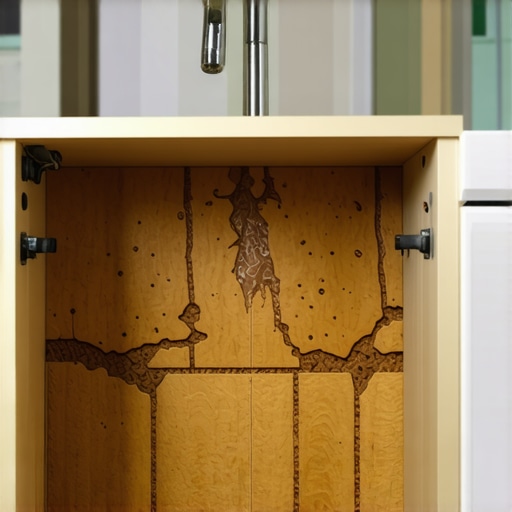
Like many DIYers, I was tempted by the initial lower price of particle board cabinets, believing they’d serve well enough and save a few bucks. But early on, I made the mistake of assuming that a cheaper material wouldn’t impact durability. Turns out, that was my first big misunderstanding. Studies have shown that particle board can quickly deteriorate when exposed to moisture, leading to swelling, warping, and even structural failure over time. In fact, the [Kitchen & Bath Business](https://www.kbbonline.com/) reports that moisture damage is among the leading causes of cabinet failure.
If you’ve ever had a leaking pipe or accidental spill under your sink, you understand how critical moisture resistance is. Yet, many homeowners overlook this, thinking particle board is a suitable choice because it’s affordable. Unfortunately, that savings can become a false economy when repairs and replacements are factored in.
This realization prompted me to investigate further and look into robust, moisture-resistant options. Moving forward, I’ll share practical insights and expert tips to help you dodge the pitfalls I’ve encountered. Whether you’re planning a full remodel or updating your current kitchen, understanding the hidden costs of material choices is key to making decisions that stand the test of time.
If you’ve ever faced a sudden cabinet wobble or wondered whether your materials are up to the task, you’re not alone. Let’s dive into how you can plan smarter and build a kitchen that truly lasts—without breaking the bank.
Start by selecting materials that withstand humidity and daily wear. Instead of particle board, opt for plywood or MDF with a moisture-resistant veneer. I once helped a client replace their water-damaged cabinets by switching to marine-grade plywood, which not only improved longevity but also provided a smooth surface for painting or veneering.
Measure your space meticulously. Use a tape measure and a chalk line to mark exact locations for cabinets, ensuring alignment and balance. When building a custom corner cabinet, I once drew out detailed sketches and then cut a mock-up from plywood scraps. This prevented costly errors during installation and guaranteed a perfect fit.
Create paper or cardboard templates of cabinet panels and drawers. For example, I constructed a custom pantry with adjustable shelves, and by tracing each section, I maintained consistency in sizes across multiple units. This step saves time and reduces material waste.
Implement pull-out shelves, lazy Susans, or vertical dividers. I installed a pull-out trash and recycling bin beneath the sink, which kept clutter out of sight and easily accessible. These features turn awkward spaces into efficient, user-friendly storage zones, making your kitchen more functional.
Select high-quality hinges, sliders, and handles. For a sleek, modern look, I used soft-close hinges on all cabinets, preventing slamming and protecting fragile doors. Over time, I adjusted the hinges using a screwdriver — a simple fix that restored perfect alignment without calling a professional.
Ensure your cabinets are level and square during installation. Use a spirit level and shims to correct any misalignments. When fixing upper cabinets above a cooking range, I double-checked their height and levelness multiple times, ensuring doors closed correctly and created a seamless appearance.
Hide appliances or create dedicated niches for your gadgets. I built a custom breadbox integrated into the cabinetry, which kept countertops clear and maintained a clean aesthetic. This approach combines style and practicality, elevating your kitchen’s overall look.
In small kitchens, every inch counts. Use modular units like stackable drawers or adjustable shelves. I installed a rolling cart with storage compartments that I could tuck away when not in use, maximizing space without sacrificing accessibility.
Sand all edges smoothly, apply primer before painting, and use durable finish coats. I painted my cabinets with a high-quality, semi-gloss finish, which resisted staining and made cleanup easier. Attention to finishing details adds durability and elevates the visual appeal.
Browse sample layouts and personalized features at Built-ins and Storage Hacks for a Sleek, Functional Kitchen to spark ideas tailored to your needs.
Many homeowners believe that selecting high-end materials and intricate designs guarantees a perfect, lasting kitchen. However, even experts sometimes fall into traps by overlooking subtle, yet critical, nuances in cabinet design and installation. One widespread myth is that more expensive, detailed craftsmanship always results in better functionality. In reality, the focus should be on thoughtful planning—considering how the space will be used daily and anticipating future needs. For example, a beautiful custom-built pantry may look stunning but become useless if the shelves aren’t adjustable or tailored to your specific storage needs.
A common mistake is underestimating the importance of proper hardware and hinges. Many assume that accessories are negligible, but low-quality hinges can lead to persistent misalignment and slamming, reducing the lifespan of your cabinets. Implementing soft-close hinges, even on budget-friendly models, can enhance durability and user experience significantly. Moreover, many underestimate the importance of precise installation. A slight miscalculation in leveling or alignment can cause doors to stick or handles to be misaligned, compromising aesthetics and function.
For advanced homeowners wondering how to optimize storage without sacrificing style, understanding the concept of modularity is key. Modular storage systems allow flexibility and hidden organization solutions that adapt as your needs change. For instance, incorporating pull-out shelves or vertical dividers can make a significant difference. A study published in the “Journal of Interior Design” emphasizes that user-centric design—focusing on accessibility and ease of use—leads to more sustainable and satisfying home improvements.
Be aware of the trap of over-customization, which can backfire when executed without strategic foresight. Excessive complexity often results in higher costs and maintenance difficulties. Instead, choose versatile features like adjustable shelving and standardized hardware to keep future updates simple and cost-effective.
Thinking about the finer points of built-ins or storage solutions? Consider how every inch is used—sometimes, innovative small tweaks, like toe-kick drawers or hidden charging stations, can transform your space. Remember, the goal isn’t just beauty but seamless functionality that simplifies daily routines.
Have you ever fallen into this trap? Let me know in the comments and explore more expert tips on designing smarter storage solutions for your home.
How do I maintain my custom cabinets over time?
Ensuring your custom cabinets stay in top shape requires the right tools and a consistent maintenance routine. I personally rely on a few key items to keep everything functioning smoothly. First, a high-quality microfiber cloth is essential for dusting and wiping down surfaces without scratching. For deeper cleaning, I use a mild dish soap mixed with water—avoiding harsh chemicals that can damage finishes. To tackle hinges and sliders, I recommend a silicone-based lubricant; I keep this in my toolkit for quick adjustments and squeak fixes, which extend the lifespan of hardware. When adjusting or aligning doors, a small Phillips screwdriver and a spirit level become invaluable—they help me achieve perfect straightness and closure. I also update my software regularly for digital tools like kitchen design apps, which are helpful for planning maintenance and future updates.
What software or digital tools do I recommend for ongoing cabinet care?
For those who want to stay proactive about their cabinetry system, I suggest using design software tailored for cabinetry maintenance. These tools help track wear and recommend when to service hardware or consider upgrades. Additionally, there are apps that provide tutorials for hardware adjustments, which I often consult after a year or two of use—saving me costly professional visits. As trends move towards smarter homes, integrating sensors that monitor humidity and temperature could be the next frontier in cabinet care, alerting homeowners to issues before damage occurs.
Tools That Make Long-Term Results Last
Investing in the right tools pays off in durability and appearance. A soft cloth buffer prevents scratches on finishes when cleaning, while a dedicated hinge screwdriver allows precise adjustments, reducing wear. For those considering a major remodel, I suggest sourcing quality hardware and fittings known for longevity. Regularly inspecting joints and hardware, and re-tightening loose screws, prevents structural issues down the line. To further extend your cabinet’s life, applying a protective wax or polish every few months can guard against moisture and staining—especially in kitchens prone to humidity. With these tools and routines, your cabinets will continue to look and perform like new years after installation.
Scaling your maintenance routine as your kitchen evolves
As your space grows or your needs change, so should your maintenance approach. For larger projects, I suggest creating a scheduled checklist—monthly for regular cleaning, quarterly for hardware inspections, and yearly for detailed updates. Using a digital maintenance journal or app can help keep track of these tasks, ensuring no detail is overlooked. When upgrading or adding built-ins, consider the proximity of plumbing and electrical connections, which require specialized tools like pipe wrenches or multimeters. According to industry experts, proactive maintenance not only extends the life of your cabinets but also ensures your investment preserves value over time. I recommend trying a combined approach: regular manual checks with digital tracking to stay ahead of potential issues and keep everything functioning flawlessly.
The Hardest Lesson I Learned About Custom Cabinets and Storage Tricks
After years of designing and renovating kitchens, I realized that the most valuable lessons come from mistakes. One major insight was that choosing standard, off-the-shelf cabinetry often leads to hidden costs and compromises on functionality. The importance of custom solutions that fit your space perfectly and incorporate smart storage techniques became crystal clear. For example, I regret not investing in detailed planning initially, which could have saved me time and money. It’s these real-world experiences that teach us to prioritize quality, precision, and thoughtful design over quick fixes or budget shortcuts.
3 Myths About Kitchen Storage That Held Me Back
- All built-ins are expensive: Actually, well-planned built-in storage can be surprisingly cost-effective, especially when designed to maximize space and reduce clutter.
- Custom cabinetry is only for luxury homes: Not true—custom solutions can suit any home, providing tailored functionality that standard cabinets can’t match.
- Open shelving always looks good: Open shelving can become cluttered easily if not designed carefully; closed storage, with clever internal organization, often offers a cleaner look.
What Industry Experts Won’t Tell You About Durable Cabinets and Smarter Storage
Many professionals focus solely on aesthetics but overlook the importance of sustainable, moisture-resistant materials—like marine-grade plywood—that extend the lifespan of your cabinetry. Additionally, integrating innovative features such as pull-out spice racks or hidden charging stations transforms everyday storage into highly functional spaces. The secret lies in combining durable hardware with modular design, so components can be updated or repaired without a full remodel. This approach not only saves money but also enhances your kitchen’s efficiency over time. For inspiration, check out these clever built-in storage ideas.
Empowering Your Kitchen Journey: Seize the Opportunity
Building or renovating your kitchen equipped with thoughtful cabinets and smart storage is more than just aesthetic; it’s about creating a space that adapts to your lifestyle and grows with you. Embrace planning, invest in quality materials, and don’t shy away from innovative solutions—your future self will thank you. When you start exploring new ideas, remember that the best upgrades are those tailored precisely to *your* needs, turning your kitchen into a place of functionality and joy. Ready to bring your dream kitchen to life? Visit my contact page to get expert advice and personalized designs. Sharing your experiences or asking questions below can also inspire others on their home improvement journey.