The Toaster Garage Error: Why Side-Swing Doors Are Safer Than Lifts
I remember the day I nearly had a kitchen disaster because of a poorly chosen garage door style. It was a typical weekend, and I was rushing to get my car out before a rainstorm hit. Suddenly, the lift-up garage door I had installed a few months earlier jammed halfway open. My heart skipped a beat. That flicker of panic made me realize how crucial safety should be in every aspect of home design, especially when it involves the things we trust to keep our families safe.
Choosing the Right Garage Door Can Make a Big Difference
From that moment on, I started digging into the types of garage doors and their safety features. I discovered a surprising fact: side-swing doors are inherently safer than traditional lift-up models. Why? Because they operate on hinges, similar to regular doors, reducing the risk of accidental falls or injuries during operation. This revelation was a game changer for me, and I want to share it with you, especially if you’re in the midst of a remodel or just updating your garage setup.
Is The Hype About Side-Swing Doors Just Marketing Magic?
Early in my research, I made a mistake many homeowners do—assuming all garage doors are equally safe. I overlooked the importance of proper installation and failed to consider how the door design impacts safety. That oversight nearly cost me a trip to the ER. If you want to avoid similar pitfalls, I recommend checking out expert tips on selecting storage solutions for a broader understanding of how choosing the right components makes all the difference.
Have you faced a situation where your garage door or other home features caused concern or near-misses? If so, you’re not alone. Many homeowners underestimate how small design choices can dramatically improve safety. In this post, I’ll walk you through why side-swing doors can be a smarter, safer option and how you can evaluate your current setup. Ready to make your home safer and more functional? Let’s dive into the details that could save you from future mishaps.
Assess Your Current Space and Identify Pain Points
Start by measuring your kitchen thoroughly and noting areas where clutter accumulates or storage feels limited. Use a simple floor plan to visualize these zones. I once sketched my kitchen layout on graph paper, marking counters, cabinets, and open spaces, which helped me see awkward corners and underutilized niches. This step sets the foundation for targeted improvements.
Prioritize Storage Needs Based on Usage
Determine which items you use daily versus occasionally, then allocate storage accordingly. For instance, keep everyday utensils in reachable drawers and less-used cookware in higher cabinets. I remember reorganizing my cabinets to place coffee mugs near the coffee maker, saving me steps every morning. This focus streamlines your workflow and reduces clutter.
Choose the Right Storage Components
Select organizers, pull-out shelves, and custom inserts that fit your space and needs. Think of your storage like a toolbox: each tool has a specific place, making tasks easier. For example, I installed a pull-out pantry to replace a cluttered corner, drastically improving accessibility. Proper components prevent chaos and simplify retrieval.
Optimize Vertical Space
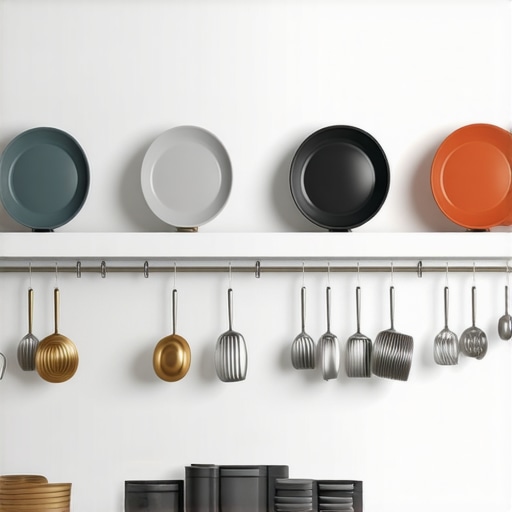
Install vertically-oriented storage like hanging racks or tall cabinets to utilize the full height of your kitchen. Use stacking cleverness—stack bowls or stackable jars—to free up shelf space. I added wall-mounted pot racks, which freed up cabinet space and kept my most-used pots within arm’s reach.
Incorporate Built-Ins and Custom Cabinets
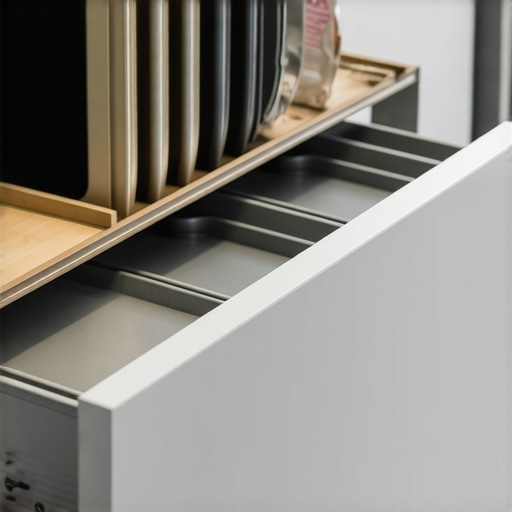
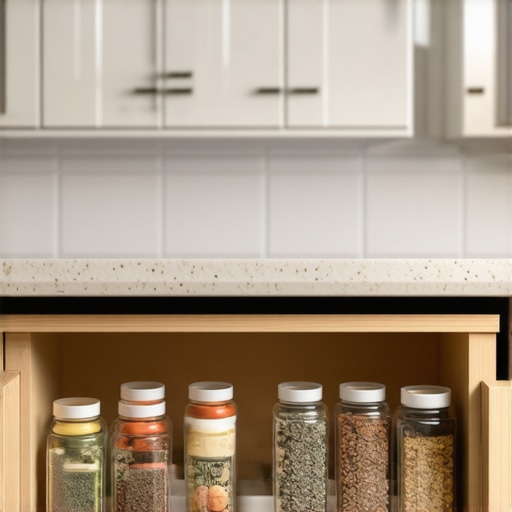
Custom solutions like custom cabinets or integrated appliances can dramatically boost storage capacity and visual appeal. When I upgraded to built-in spice racks and sliding drawers, my counter space doubled in practicality and style. These features link form and function seamlessly.
Implement Organization Hacks for Quick Access
Use drawer dividers, labeled jars, and transparent containers to keep things visible and tidy. I once used drawer dividers to separate utensils, which saved minutes in the morning. Clear containers allow you to see contents instantly, preventing unnecessary digging.
Review and Adjust Regularly
Periodically revisit your storage setup—what worked six months ago may be inefficient now. Keep a list of items you frequently use that could be better organized or stored elsewhere. I found that shifting baking supplies to a dedicated shelf reduced my countertop chaos considerably.
Through these steps, your kitchen becomes a model of efficiency—less clutter, more space, and a smoother cooking experience. Remember, the key is to tailor solutions to your habits and space. For more ideas on transforming your kitchen, explore built-in storage innovations that blend seamlessly into your design.Many homeowners believe that choosing standard-sized cabinets and basic storage options is sufficient for a functional kitchen, but this oversimplifies the complexities involved in effective home organization. A prevalent misconception is that all built-in storage solutions deliver the same level of efficiency, leading people to overlook the importance of custom-tailored designs. In reality, without considering the specific dynamics of your space, you risk creating clutter traps rather than streamlined systems. For instance, opting for off-the-shelf cabinets without evaluating your unique layout can result in wasted space or difficult access, which diminishes operational efficiency. As an expert in home organization, I advise exploring storage solutions that are carefully selected for your needs to avoid these pitfalls.
A significant trap is the assumption that larger cabinetry automatically translates into better storage. While more volume can be advantageous, it often leads to inefficiency if internal configurations aren’t optimized. This is why integrating custom cabinets that match your specific usage patterns can vastly improve kitchen functionality. Customization ensures that every inch serves a purpose, from deep drawers for pots to pull-out spice racks, reducing the temptation to create cluttered countertops.
An advanced nuance often missed involves the integration of built-ins with architectural elements. For example, incorporating built-in features that blend seamlessly into your room’s design not only enhances aesthetics but also improves usability. The key here is understanding how every component interacts within the overall space, something that standard solutions often neglect.
A common myth is that storage efficiency is solely about quantity. Actually, the focus should be on maximizing spatial utility through smart layout and detailed planning. Studies by interior design experts highlight that intelligently designed storage can double usable space without expanding your footprint, but only if you avoid basic misjudgments. For instance, neglecting vertical space by not installing hanging racks or extending cabinets to the ceiling leaves valuable room unused.
Adding to this, many people overlook the importance of flexibility in storage options. Modular units, adjustable shelves, and removable inserts provide adaptability, allowing your storage to evolve with changing needs. For example, a well-designed modular system can accommodate new appliances or utensils without requiring complete reconfigurations. This proactive approach prevents the common mistake of rigid design that becomes obsolete quickly.
To sum up, the crucial takeaway is that effective storage solutions demand more than just buying the biggest, most expensive options available. They require nuanced planning, understanding of spatial dynamics, and customization aligned with your lifestyle. Avoid falling into the trap of one-size-fits-all thinking, and consider consulting experts who can help you craft tailored systems that truly serve your needs. Do you ever find yourself misjudging your storage options? Share your experiences in the comments and let’s discuss how to refine your home organization strategy.Maintaining your custom cabinets, built-ins, and storage solutions requires a combination of the right tools, consistent care, and strategic practices. I personally rely on a few specific tools that have proven invaluable over the years. For instance, I swear by a high-quality cordless drill with adjustable torque settings — it’s essential for tightening or re-aligning hardware without overdriving screws and damaging delicate surfaces. Additionally, a fine-grit sanding sponge is perfect for subtle touch-ups to wood finishes, especially when cleaning or preparing surfaces for refinishing. For cleaning, I prefer microfiber cloths and gentle, pH-neutral cleaners, which preserve finishes and prevent buildup that can lead to deterioration over time.
Throughout my remodeling adventures, I’ve discovered that the biggest breakthroughs often come from unexpected lessons. One crucial insight was realizing that not all storage solutions are created equal—sometimes, seemingly minor design choices can dramatically elevate your home’s safety and functionality. For example, choosing a well-designed built-in features can pay dividends in daily usability and safety.
Lastly, I understood that DIY or off-the-shelf solutions might seem tempting, but collaborating with experts ensures you get the most effective, long-lasting results. Sometimes, the best decision is to consult professionals who can help you avoid costly mistakes and customize your space perfectly.
Unlocking the Secrets of Superior Storage Mastery
When I started, I underestimated the power of well-planned storage. Over time, I found that selecting maximizing space with innovative storage solutions.
Your Passage to a Smarter Kitchen—and a Safer Home
Transforming your space doesn’t have to be overwhelming. With strategic planning, the right tools, and a bit of courage, you can turn your kitchen into a haven of safety and efficiency. Remember, every small improvement adds up to a big difference in everyday life.
Are you ready to rethink your storage and make smarter choices? Your journey starts now—don’t wait for a close call to motivate change.
What’s one storage challenge you’ve faced that you’re eager to improve? Share below and let’s brainstorm solutions together!
}#}disallowed}}