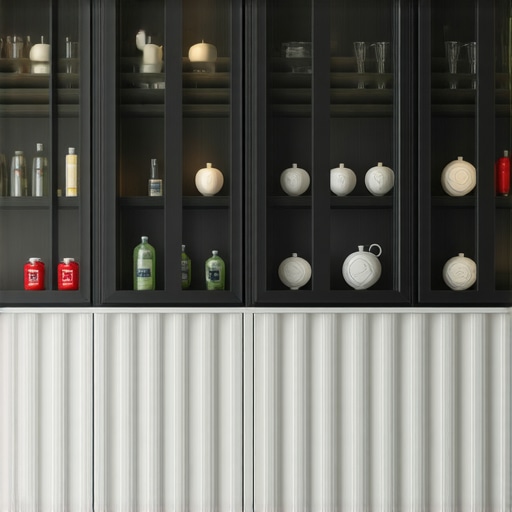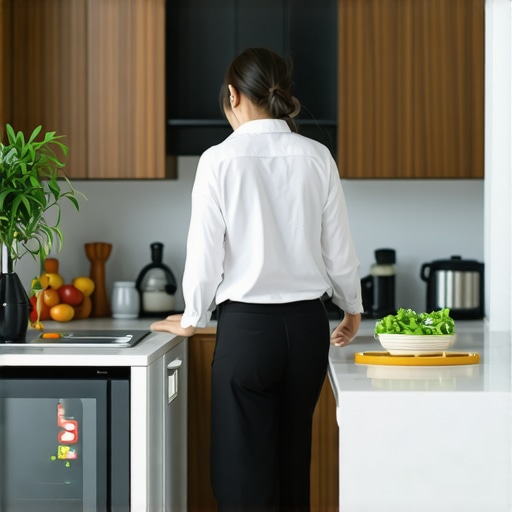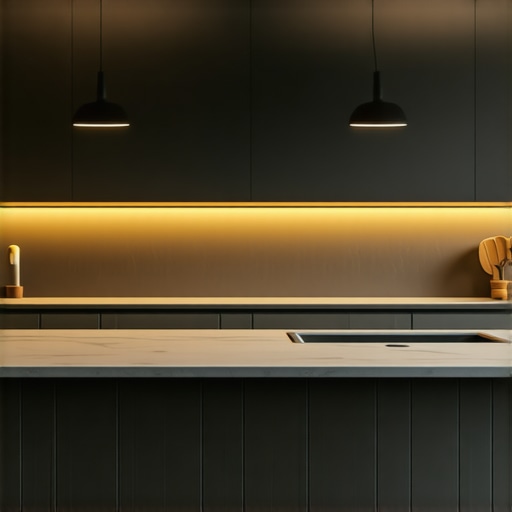
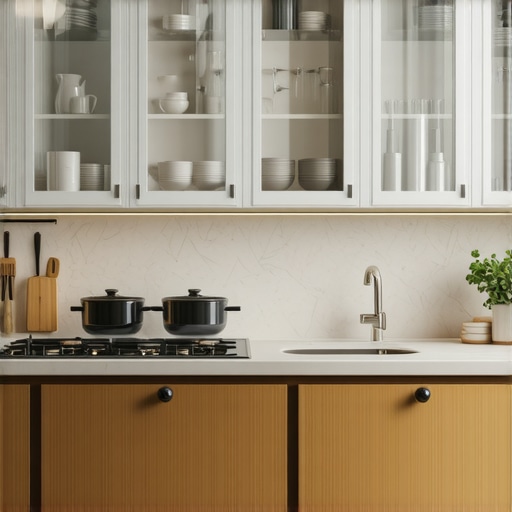
The Problem with Open Shelving: Why We Prefer Glass-Front Cabinets
It hit me one hectic Saturday morning in the kitchen. As I reached for a coffee mug, I realized that my open shelving was more of a treasure hunt than a display. Piles of mismatched dishes, stray utensils, and a layer of dust made my space look cluttered rather than chic—a far cry from the sleek kitchen I envisioned. That lightbulb moment made me question the wisdom of open shelving and why we often gravitate towards glass-front cabinets despite the chaos they sometimes invite.
Breaking the Open Shelving Curse: A Closer Look
For years, open shelves and glass-front cabinets have been the darlings of modern designs. They promise accessibility, a sense of openness, and an opportunity to showcase your curated dishware collection. But they come with an underappreciated pitfall: maintenance. Dust, grease, fingerprints—these are the unsung enemies of glass-front cabinetry. It’s like having a transparent window into your kitchen’s imperfections, which can feel more stressful than inspiring.
Early in my renovation journey, I made the mistake of thinking that all display-worthy items belonged behind glass. I underestimated how much effort was needed to keep everything spotless and how quickly clutter would build up. A tip from a trusted source advised me to weigh aesthetics against practicality—sometimes, a closed cabinet is your best friend. For instance, installing built-in storage solutions can transform your space into a sanctuary of organization, blending beauty with function.
Want to Avoid Repeating My Mistake? Here’s What You Need to Know
Many homeowners dive into glass-front cabinets with high hopes, but the truth is, without a clear maintenance plan, these spaces quickly become eyesores. If you’re considering a kitchen remodel or upgrading your cabinetry, ask yourself: Are you prepared for the cleaning commitment? Do you value a clutter-free look over a display of your favorite dishes? If sneaking in a little extra storage and reducing cleaning time sounds appealing, stick around. I’ll share practical strategies to help you choose the right cabinetry style without sacrificing your sanity.
In the next sections, we’ll explore how to seamlessly integrate the best storage solutions for your needs, ensuring your kitchen remains beautiful and functional—without the daily dust patrol. Ready to ditch the dust and embrace smarter storage? Let’s get started.
.
Plan Your Space Wisely
Start by assessing your kitchen layout. Use masking tape to outline the proposed cabinet and shelf locations directly on your walls and floors. This visual step helps spot potential issues before investing in materials. During my recent remodel, I scribbled measurements on the wall and realized I could eliminate a bulky corner cabinet for a sleek built-in shelving unit, which freed up much-needed space.
Choose the Right Materials for Durability and Style
Opt for high-quality plywood or MDF finished with durable veneers. Consider textured laminates for a modern look that’s resistant to scratches and moisture. When I selected a marine-grade plywood for my open shelves, I avoided warping over time, ensuring both functionality and aesthetics. Explore options at this resource to understand material benefits better.
Design Built-ins for Seamless Integration
Decide on built-in features like a hidden charging station, pull-out spice racks, or custom wine storage. Use a CAD program or graph paper to sketch these elements, ensuring they fit perfectly. I once designed a built-in coffee station with a pull-out drawer for mugs, which kept my countertops clutter-free. This DIY step saves money and provides a tailored solution for your specific needs. Check out these tips for detailed design ideas.
Incorporate Smart Organization Accessories
Utilize drawer dividers, lazy Susans, and pull-out trays to maximize accessibility. Label storage sections for quick retrieval. I added a set of deep-drawer dividers for pots and pans, transforming my chaos into order within minutes. For small spaces, vertical spice racks or slim pull-outs can dramatically increase storage without footprint. Visit this guide for innovative storage ideas tailored to tight quarters.
Customize to Fit Your Lifestyle
Tailor cabinetry heights and depths to your height and cooking habits. For example, if you often bake, allocate dedicated space for bakeware and mixing bowls. I installed a high shelf for seldom-used cookware and a lowered under-sink cabinet for cleaning supplies, making daily routines smoother. Measure existing spaces carefully to avoid awkward gaps or cramped storage. Check out expert advice on customizing your cabinetry for maximum benefit.
Build and Install with Precision
Use proper techniques, such as scribing and shimming, to ensure cabinets align perfectly even on uneven floors. During my installation, I used a level and shims at every corner, which prevented future misalignments and door misclosures. Secure the cabinets to studs with appropriate anchors, especially if attaching to drywall. Consider professional assembly or consultation through experts to avoid costly mistakes and ensure safety.
Maintain and Adjust
Regularly check hinges and pulls for looseness, and adjust as needed to keep everything functioning smoothly. Cleaning glass fronts promptly prevents finger smudges from turning into permanent stains. For ongoing maintenance, keep a small toolkit handy for quick adjustments. Remember, a well-maintained cabinet not only looks better but lasts longer, saving you money over time.
Many homeowners believe that choosing custom cabinets or innovative storage solutions is just about selecting the right style or material. However, a less obvious yet critical nuance often gets overlooked: the practical integration of these elements into daily routines and existing spatial constraints. This oversight can lead to costly adjustments or unsatisfactory results post-renovation.
Why Aesthetics Can Sabotage Functionality
It’s common to prioritize visual appeal—think glossy finishes or intricate moldings—without considering how these choices affect usability. For example, a beautifully crafted built-in wine rack might look stunning, but if it’s positioned too high or too deep, reaching for that perfect vintage becomes cumbersome. According to a study by the Architectural Digest, a well-designed kitchen seamlessly blends aesthetics with practical flow. Ignoring this balance can transform a gorgeous space into a frustrating one.
Are You Accounting for Daily Movements and Habits?
One frequently missed detail is mapping out the actual movement patterns within your space. Custom storage that doesn’t align with your cooking or cleaning routines may end up unused or, worse, a source of inconvenience. For instance, installing a built-in spice rack at a height unreachable during intense cooking sessions defeats the purpose. It’s advantageous to observe your own habits before finalizing design plans or consult with professionals who can simulate your routines. For further insights, explore these expert strategies to optimize functionality.
Another overlooked aspect is considering the future adaptability of your cabinetry. Will your storage still work if your family grows or your needs change? Flexibility is often sacrificed for the sake of immediate aesthetics, but smartly designed built-ins can adapt over years, providing long-term value. Review how modular components and adjustable shelves can help here—look into these modifications that have helped many homeowners.
Furthermore, some assume that premium materials automatically translate into better long-term performance. While materials like marine-grade plywood or textured laminates are indeed durable, their durability also depends on correct installation and maintenance. Misaligned cabinet doors or improper sealing can lead to warping and damage, negating the material’s initial benefits. It’s wise to consider expert installation services, and for a comprehensive approach, contact professional specialists.
Let’s also challenge the myth that more storage always means bigger cabinets. Sometimes, the way you organize internally makes a bigger difference than the external footprint. Innovative accessories like pull-out trays and drawer dividers can turn small spaces into efficient work zones. For inspiration, check out these smart solutions.
In sum, the real sophistication in custom cabinetry and kitchen design lies in understanding and planning for these subtle but impactful details. Neglecting them can result in a space that’s stunning but impractical. Let this serve as a reminder: successful remodels require both eye-catching beauty and thoughtful functionality. Have you ever fallen into this trap? Let me know in the comments, and share your stories or questions about optimizing your kitchen space.
Maintaining your custom cabinetry and built-in storage solutions requires more than just regular cleaning; it involves using the right tools and adopting effective methods that ensure longevity and optimal performance. Over the years, I’ve discovered that investing in specific equipment makes a significant difference in preserving the beauty and functionality of these items.
How do I maintain my cabinetry and storage over time?
First and foremost, quality scrapers and soft microfiber cloths are indispensable. I personally prefer a microfiber cloth because it lifts dust without scratching delicate finishes. For deeper cleaning, I use a gentle brush attachment on my vacuum cleaner, which helps remove dust from hard-to-reach corners and inside CTA compartments, especially in built-in units. These tools prevent debris from settling and causing wear over time. Additionally, a disposable non-abrasive cleaning pad, like those made from microfiber or treated cellulose, is excellent for weekly wipe-downs, maintaining appearance without damaging veneers or painted surfaces.
Beyond cleaning tools, I rely on specialized lubricants such as silicone spray for hinges and sliding hardware. Applying these every few months prevents squeaks and ensures smooth operation—an often overlooked aspect of maintenance. For instance, when I noticed my cabinet doors starting to stick, a quick spray with silicone lubricant instantly restored their ease of movement.
Next, a digital level and a measuring tape are crucial for periodic realignment, especially if you notice misaligned doors or shelves. I recommend checking your cabinet and drawer alignments at least twice a year to spot any settling or warping early on. A robust, multi-purpose toolkit with screwdrivers, Allen wrenches, and a cordless drill enables swift adjustments or tightening of loose hardware, extending the lifespan of your investments.
Looking ahead, the trend is shifting towards smart maintenance tools integrated with home automation systems. Some new cabinet hinges now come with built-in sensors to alert you of misalignment or wear via smartphone notifications, simplifying long-term monitoring. This proactive approach minimizes costly repairs and ensures your cabinetry remains seamless and sleek for years to come. For a comprehensive look into modern cabinetry maintenance, I recommend reading this insightful guide.
What about cleaning solutions and protective coatings?
Stick to pH-neutral cleansers and avoid harsh chemicals that can degrade finishes. Applying a quality furniture wax once or twice a year adds a protective layer, making surfaces easier to clean and more resistant to moisture or stains. For wood finishes, I prefer a natural beeswax blend, which nourishes the material without creating buildup. Remember, avoiding water-based cleaners on painted surfaces prevents bubbling and peeling, preserving your workspace’s pristine look.
To maximize your cabinets’ longevity, consider installing interior accessories like adjustable shelf supports and high-quality drawer organizers. These not only streamline daily use but also reduce internal wear and tear. Using these thoughtful tools consistently will pay dividends over the years, maintaining both form and function. Want to elevate your maintenance game? Try implementing a scheduled quarterly check with your toolkit, and you might be surprised at how much longer your custom cabinetry remains in show-stopping condition.
In the future, I see smart hardware and IoT-enabled maintenance solutions becoming standard, making long-term upkeep more manageable and less cumbersome. Embracing these innovations now means you’re investing in a sustainable, beautiful kitchen that lasts.
While choosing beautiful fixtures brings immediate satisfaction, the true magic lies in the behind-the-scenes lessons learned that can make or break your kitchen transformation. Over the years, I discovered that a handful of subtle, often overlooked details significantly impact long-term satisfaction with my custom cabinetry and storage solutions. These insights not only saved me from costly mistakes but also unlocked the full potential of my space.
Hidden Lessons That Shaped My Remodeling Journey
- Biggest mistake came from neglecting routine maintenance planning. I used to assume that quality materials and built-in hardware would turn my kitchen maintenance-free. The reality? Regular check-ins and simple adjustments are crucial for durability. Setting up a quarterly schedule for inspecting hinges and seals has extended the lifespan of my cabinets far beyond initial expectations.
- Assuming aesthetics outweigh usability can backfire. Gorgeous, high-gloss finishes look stunning but demand relentless cleaning. I realized that matte textures, though less shiny, are more forgiving for everyday life. When selecting materials, balancing beauty with practical maintenance made my kitchen both captivating and manageable.
- Underestimating the importance of routine internal organization. Internal accessories like pull-out trays and adjustable shelving didn’t just streamline my workflow—they prolonged the life of my cabinetry by reducing internal wear. Investing in smart organization tools turned clutter into clarity.
Tools and Inspirations That Keep Me Inspired
- Built-in storage guides: These resources opened my eyes to custom solutions tailored to my space and habits, transforming chaos into order.
- Storage hack compilations: Clever tweaks like vertical spices racks and deep drawers made a dramatic difference in how I utilized every inch.
- Consulting professionals: Collaborating with experts ensured my ideas became reality without costly missteps, especially during installation.
Your Turn to Elevate Your Kitchen
Remember, transforming your kitchen with custom cabinets and clever storage isn’t just about visual wow—it’s about crafting a space that works for your life today and in the years to come. Every choice, from materials to organization accessories, influences that harmony. Now, I challenge you: what’s the one change you can make today to improve your cabinetry or storage systems? Share your plans or questions below, and let’s build better kitchens together!
.