The One Kitchen Flooring Choice That Survives Heavy Spills Better Than Hardwood
The One Kitchen Flooring Choice That Survives Heavy Spills Better Than Hardwood
It is 2:00 AM on a Tuesday. You walk into your kitchen for a glass of water, only to feel a cold, squelching sensation beneath your feet. Your dishwasher has decided to stage a midnight rebellion, and a slow, steady leak has pooled across your beautiful, expensive flooring. If you have traditional wood floors, this is the moment your heart sinks. You know that even if you mop it up now, the damage is already done. Within days, the planks will begin to cup, the edges will darken, and you’ll be looking at a massive bill to restore floorboards or replace the entire surface.
For decades, natural wood has been the “gold standard” for home aesthetics. It’s warm, it’s classic, and it adds undeniable value. However, in the high-moisture, high-traffic environment of a kitchen, hardwood is often more of a liability than an asset. This is where the industry has shifted. As a flooring specialist with 12 years of experience here in McKinney, Texas, I have seen hundreds of kitchens ruined by minor plumbing failures. That is why I consistently recommend Luxury Vinyl Plank (LVP) as the best flooring for kitchen floors. It provides the high-end look of wood with a level of waterproof flooring installation that natural materials simply cannot match.
In this guide, we will dive deep into why LVP (or pisos lvp) has dethroned hardwood, how it stacks up against laminate and carpet, and why professional luxury vinyl plank installation is the smartest investment you can make for your kitchen remodel.
Why Hardwood Fails the “Kitchen Test”
To understand why Luxury Vinyl Plank is superior, we first have to look at the science of why traditional wood fails. Wood is a hygroscopic material, meaning it constantly exchanges moisture with its environment. In a controlled living room, this isn’t a problem. In a kitchen, it’s a recipe for disaster.
The Science of Damage: Cupping and Swelling
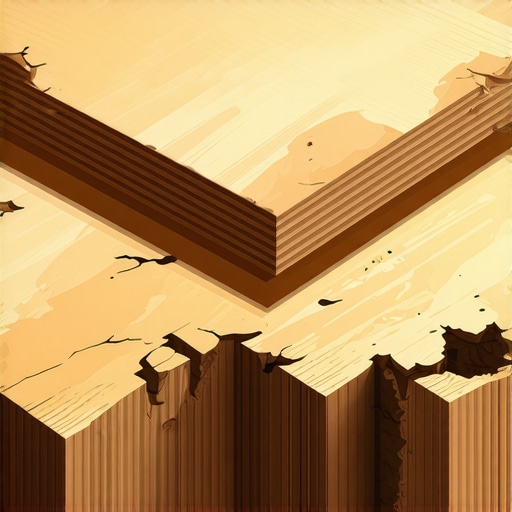
When water sits on a hardwood floor, it doesn’t just stay on the surface. It travels through the microscopic pores of the wood and the gaps between the planks. Once the underside of the wood absorbs moisture, it expands. Because the top of the plank is usually sealed with polyurethane, it expands slower than the bottom. This imbalance causes “cupping,” where the edges of the board rise higher than the center. Even an engineered hardwood flooring installation, which is designed to be more stable, can suffer from delamination if the internal plywood layers get saturated.
The Cost of Repair
If you experience a major spill on wood, your options are limited and expensive. You can attempt to restore floorboards by drying them out with industrial fans, but this rarely returns the wood to its original flat state. More often than not, you are looking at a full sand-and-refinish job, which creates immense dust and requires you to move out of your home for several days. In the worst-case scenarios, the subfloor becomes compromised, leading to mold growth that can only be fixed by a complete tear-out.
The “Water-Resistant” Myth
Many manufacturers market “water-resistant” coatings for wood. While these coatings can protect against a stray ice cube or a quick splash from the sink, they do nothing to protect the expansion gaps at the perimeter of the room. If water reaches the edges – near your cabinets or baseboards – it bypasses the protective coating entirely and attacks the raw wood from the side. This is why wood is rarely the right choice for those who want a truly “worry-free” kitchen.
The Champion: Why LVP (Pisos LVP) Wins
Luxury Vinyl Plank has evolved significantly over the last decade. It is no longer the “cheap plastic” flooring of the 1990s. Today’s Luxury Vinyl Plank is a high-tech, multi-layered product designed specifically to survive the rigors of a modern home.
Core Construction: WPC vs. SPC
When you are looking for the best flooring for kitchen floors, you will encounter two main types of LVP cores:
- WPC (Wood Plastic Composite): This core contains foaming agents that make the floor softer and warmer underfoot. It’s great for comfort but slightly less dense than its counterpart.
- SPC (Stone Plastic Composite): This is the “heavy-duty” version. Made from a mix of limestone and stabilizers, SPC is incredibly dense and virtually indentation-proof. For a kitchen where heavy appliances or dropped cast-iron pans are a factor, SPC is the gold standard.
Waterproof vs. Water-Resistant
The primary reason I steer my McKinney clients toward pisos lvp is the 100% waterproof guarantee. Unlike wood or laminate, the core of LVP does not contain organic fibers that swell when wet. You could submerge a piece of SPC vinyl in a bucket of water for a week, take it out, dry it off, and install it – it would be perfectly fine. This makes waterproof flooring installation a reality rather than a marketing gimmick.
The Spill Test: Click-Lock Technology
Research and real-world testing show that high-quality LVP utilizes advanced click-lock seams. These seams are engineered to be so tight that surface liquids cannot penetrate through to the subfloor for up to 72 hours. This gives you a massive window of safety. If your refrigerator leaks while you are at work, your LVP floor will hold that water on the surface until you get home, protecting your home’s structural integrity.
LVP vs. Laminate vs. Carpet: A Comparison
When planning a remodel, homeowners often weigh LVP against other common materials. Let’s look at how they compare in the kitchen environment.
Affordable Laminate Flooring Installation
Laminate has long been the go-to for those seeking a budget-friendly wood look. While affordable laminate flooring installation is attractive for the wallet, laminate is essentially high-density fiberboard (compressed sawdust) with a photo layer on top. Even “waterproof” laminate usually only protects the surface. If water gets into the joints, the fiberboard swells like a sponge, leading to “edge peaking” that cannot be repaired. Laminate tile flooring can look great, but it lacks the chemical immunity to water that vinyl possesses.
Nylon Carpet Flooring
It might seem obvious, but I occasionally see older homes with carpeted kitchens. While a carpet flooring warehouse might offer beautiful nylon carpet flooring for a bedroom, it is a disaster in a kitchen. Carpet traps moisture, harbors bacteria from food spills, and is impossible to sanitize after a plumbing leak. If you are looking for comfort, LVP with a high-quality underlayment provides a much better balance of softness and hygiene.
The Verdict
When you compare durability, ease of cleaning, and moisture resistance, LVP wins every time. It offers the aesthetic of engineered hardwood flooring installation without the fragility. It is the only material that truly allows you to have a “wood look” in a wet environment like a kitchen or a bathroom remodeling McKinney project.
Professional Installation: The McKinney Standard
As an expert with 12 years in the field, I can tell you that the product is only half of the equation. Even the best Luxury Vinyl Plank will fail if it isn’t installed correctly. Here in McKinney, we deal with specific challenges, such as high humidity and concrete slab foundations that can shift over time.
The Importance of a Level Subfloor
A successful luxury vinyl plank installation depends entirely on what’s underneath. If your subfloor has “dips” or “humps,” the click-lock joints of the LVP will be under constant stress. Over time, these joints can snap, opening up gaps where water can seep through. Part of my “Expert Guidance” involves a thorough subfloor inspection. Sometimes, this means we have to address issues like the proper way to shim a cabinet on a slanted slab floor to ensure everything is level before the first plank is laid.
Local Context: Humidity and Expansion
In North Texas, our humidity levels fluctuate wildly. Even though vinyl doesn’t absorb water like wood, it still expands and contracts slightly with temperature changes. A professional installer knows exactly how much of an expansion gap to leave at the perimeter. We then hide that gap with baseboards or shoe molding. If you’re also doing a bathroom remodeling McKinney, this precision is even more critical to prevent buckling near tubs and showers.
The Gap Fix
One common question I get is how to handle the transition between the new floor and existing cabinetry. It is vital to understand the best way to seal the gap between your cabinet and the floor. This ensures a seamless look and prevents crumbs and moisture from disappearing under your base cabinets, where they can cause odors and mold.
Design Synergy: Cabinets and Flooring
Your floor is the foundation of your kitchen’s design, but it must work in harmony with your cabinetry. When we talk about modern kitchen remodels featuring custom cabinets and built-ins, the interplay between the floor texture and the cabinet finish is what creates that “magazine-ready” look.
Choosing the Right Look
Modern LVP comes in thousands of styles. You can choose a rustic, hand-scraped oak look to pair with farmhouse-style cabinets, or a sleek, wide-plank maple look for a contemporary feel. If you are looking for inspiration, check out these custom cabinets ideas that transform your home’s style. The key is to choose a flooring color that either complements or provides a deliberate contrast to your cabinetry.
The “Floating Floor” Rule
One of the most important professional tips I can give you is this: **Never install heavy custom cabinets on top of a floating LVP floor.** Luxury Vinyl Plank is designed to “float” as a single unit. If you pin it down with several thousand pounds of cabinetry and granite countertops, the floor cannot expand or contract. This leads to buckling and joint failure. The correct method is to install the cabinets first, then lay the LVP up to the cabinets, leaving a small gap that is covered by toe kicks or molding. This ensures your modern kitchen remodel stays beautiful for decades.
Maintaining Your LVP for the Long Haul
One of the reasons homeowners love LVP is that it is incredibly low-maintenance. Unlike hardwood, you don’t need special oils or expensive waxes. However, to keep your waterproof flooring installation looking new, follow these simple steps:
- Sweep Regularly: Grit and dirt act like sandpaper. Even though LVP has a tough wear layer, consistent abrasion can dull the finish over years.
- Use the Right Cleaner: Avoid “mop and shine” products that leave a waxy film. A simple pH-neutral cleaner or a mixture of water and a drop of dish soap is all you need.
- Address Spills: While LVP is waterproof, you shouldn’t let standing water sit indefinitely. Wipe up large spills to prevent any potential moisture from creeping under the baseboards.
- Protective Pads: Use felt pads under chair legs and tables to prevent scratches, especially if you opted for a WPC core which is slightly softer than SPC.
Conclusion: The Practical Choice for McKinney Homeowners
At the end of the day, a kitchen is a workroom. It is a place of heat, moisture, heavy traffic, and the occasional dropped plate. While hardwood floorboards are undeniably beautiful, they require a level of “babying” that most modern families simply don’t have time for. Luxury Vinyl Plank offers the perfect compromise: the stunning visual appeal of natural wood with the rugged, waterproof durability of a synthetic material.
Whether you are dealing with a “nightmare” leak or just want to upgrade your home’s aesthetic, LVP is the survivor that will keep your kitchen looking pristine for years to share. If you are in the McKinney, Plano, or Frisco area and are ready to transform your space, I am here to help. From choosing the right pisos lvp to ensuring a flawless luxury vinyl plank installation, I provide the expert guidance you need to make an informed decision.
Don’t wait for the next leak to realize your floors aren’t up to the task. Contact Us today for a fast quote and let’s start building the kitchen of your dreams.