The Mudroom Bench Move: Why We Prefer Cubbies Over Drawers for Kids
I still remember the afternoon my grand storage master plan crumbled. I had just finished installing beautiful, deep drawers under our mudroom bench. I was so proud of how clean it looked, but within twenty-four hours, my kids proved me completely wrong. My six-year-old sprinted through the door, threw his muddy boots directly on top of the closed drawer, and shoved his soaking-wet winter coat onto the floor because opening a drawer required ‘too many steps.’ The mudroom was instantly a war zone of wet socks and trapped moisture. That was my lightbulb moment. I realized that when it comes to kids, hidden storage is often forgotten storage, and the traditional drawer setup is the enemy of an organized entry. Today, we are going to solve the ultimate mudroom dilemma: how to build an entryway that actually works for real, messy, fast-moving families without losing your sanity. We will dive into why open cubbies beat drawers every single day of the week and how making this shift saves your floors, your sanity, and your home’s daily flow.
Are drawers actually too much work for a seven-year-old?
If you are skeptical that a drawer is too difficult for a child to use, you are not alone. I used to think, ‘It is just a handle, how hard can it be?’ But child development experts note that children’s brains prioritize efficiency and immediate reward; adding even a single physical barrier, like pulling a heavy drawer open, dramatically decreases the likelihood of them putting items away. Early in my DIY journey, I made the mistake of prioritizing a picture-perfect Pinterest aesthetic over the functional reality of daily life. I designed a gorgeous setup of deep, heavy-duty drawer slides, thinking it would keep the clutter hidden. Instead, it created a graveyard of damp, forgotten mittens and single shoes jammed behind the drawer boxes. That mistake taught me that successful home design is not about hiding our lives; it is about creating systems that work with our natural habits. If you want to elevate other parts of your home with smart design, choosing the right structures is key. For instance, understanding built-ins that elevate your living rooms functionality can help you apply these same lessons of open versus closed storage to your main living areas. Have you ever spent a weekend building what you thought was the perfect organizational system, only to watch your family completely ignore it within an hour? Tell me about your biggest organizational battle in the comments below!
Ditching the Drawers for a High-Flow Entry System
Designing a mudroom that actually works is a lot like planning a high-traffic highway: if you put up a toll booth, traffic backs up instantly. In the world of home organization, every drawer slide or cupboard door is a toll booth that slows down your family’s entry sequence. To build a system that works, we have to eliminate those friction points entirely. If you have ever planned a major home update, you know that layout and flow dictate everything. It is the same reason why smart designers insist that your kitchen remodel should start with the floor plan. In the entryway, that floor plan must prioritize immediate, visible access.
Build Open Cubbies with Heavy-Duty Hooks
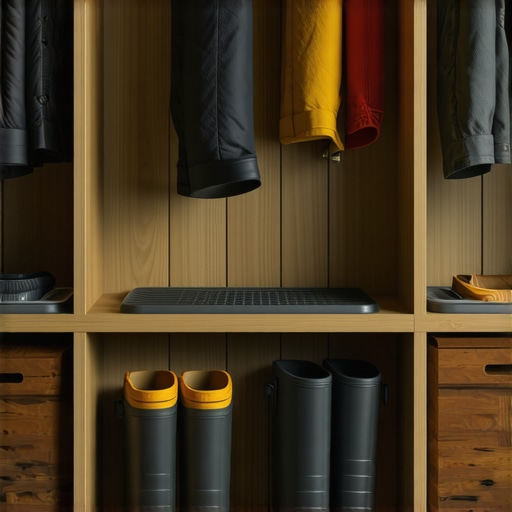
The core of an effective mudroom is the open cubby. Instead of hiding coats behind doors, use deep, open-front lockers. Each family member gets their own dedicated bay. Inside each bay, mount double-pronged hooks at shoulder height for the kids and higher up for adults. When we built our first open locker system, I initially worried it would look chaotic. But the reality was a revelation: the physical act of hanging a coat on an open hook takes exactly two seconds. My kids actually did it. No doors to open, no hangers to fumble with. The clutter was contained within their visual boundaries, keeping the rest of the hallway completely clear.
Incorporate Low Bench Seating and Boot Racks
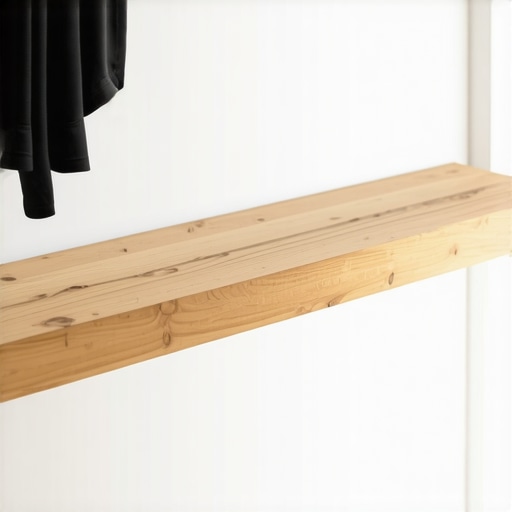
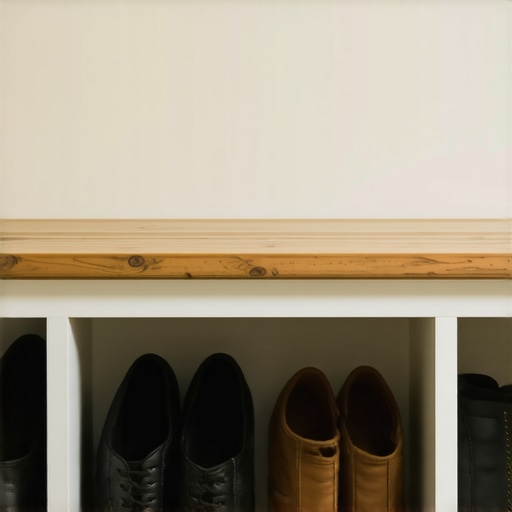
A mudroom bench should pull double duty as a seat and a boot storage zone. Instead of installing closed drawer boxes under the bench, build a sturdy, open-bottom shelf raised about eight inches off the floor. This allows wet shoes to slide directly underneath, where air can circulate freely. When shoes are trapped inside closed drawers, moisture from rain and snow has nowhere to go, which quickly ruins your woodwork. If you want to keep the rest of your home organized, keeping the entryway functional is your first line of defense. The same principles of maximizing accessibility apply across your entire house, which you can see when you maximize space with innovative storage solutions for every room.
The Power of Drop Zones for Small Items
Where do the keys, mail, and school permission slips go? If they do not have a designated home, they end up on the kitchen island or the nearest flat surface. Dedicate a small shelf or build a shallow, open cubby specifically for these items at adult waist height. Think of it as a launchpad. By keeping this zone open and organized, you prevent the daily morning scramble of ‘where are my keys?’ before it even starts.
Everyone in the design world tells you to hide the mess. They promise that if you just buy enough cabinet doors, custom panels, and deep pull-out drawers, your home will look like a pristine design magazine. But in my years of designing and building, I have discovered a contrarian truth: over-concealing is the absolute death of functional organization. When you hide absolutely everything behind closed doors, you do not actually solve clutter; you just build beautiful, expensive closets to store your frustration.
The physical reality is that we are governed by cognitive load. When you come home tired, your brain naturally seeks the path of least resistance. If putting an item away requires opening a door, pulling out a tray, placing the item, and sliding it back, you will eventually just drop that item on the nearest flat surface. In fact, environmental psychology studies, such as research published in the Journal of Environmental Psychology, consistently show that visual prompts and immediate accessibility are the strongest drivers of long-term habit maintenance. By forcing a high-friction, completely hidden system on your family, you are setting everyone up for failure.
Why do your expensive custom cabinets still feel so disorganized?
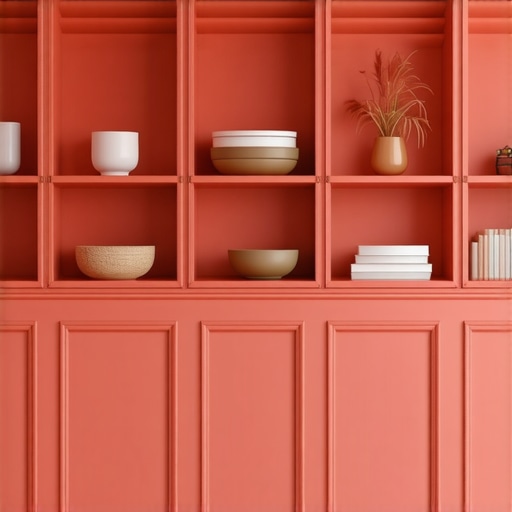
The trap is simple: we often design for who we want to be on our best days, rather than how we actually behave on our worst. If you are planning a major home upgrade, you have probably looked into how to transform your kitchen with custom cabinets or how to integrate built-ins throughout your living areas. The mistake is assuming that more doors equal more order. For example, in the kitchen, a common design trap is hiding daily-use items behind complex touch-latches or heavy integrated panels. Over time, those doors stay half-open, and the system fails. To truly succeed, you must balance closed beauty with open practicality.
If you want custom cabinets to truly serve your daily workflow, you have to mix your storage styles. For instance, when planning your space, you will learn why your kitchen island should have a mix of drawers and doors. The same logic applies to your entryway, mudroom, or living room built-ins. You need dedicated open zones for high-frequency items and closed cabinets reserved strictly for things you use once a week or once a month. Have you ever fallen into this trap of over-concealing your clutter only to have it blow up in your face? Let me know in the comments below!
When we move past the design phase and actually live with our custom installations, the real work begins. No matter how perfectly you balanced open and closed zones in your entry or kitchen layout, wood expands, dust settles, and families test boundaries. To keep these hard-working zones performing like new, you have to transition from a builder mindset to a maintenance mindset.
How do I maintain my custom entryway and built-ins over time?
High-use areas like open mudroom cubbies and high-traffic drop zones take a beating from moisture, road salt, and constant impact. To protect the investment you made when deciding to transform your kitchen with custom cabinets or custom entry built-ins, you must establish a quick, proactive maintenance routine. I personally use a high-quality paste wax on wood surfaces that contact wet shoes or damp coats twice a year. This creates a sacrificial water-resistant barrier that far outperforms standard spray polishes. For cleaning, I avoid harsh commercial degreasers and stick to a heavily diluted, pH-neutral soap mixture. If you want to keep your hardware looking pristine as well, knowing how to clean matte black cabinet hardware without scratches is absolutely essential to prevent premature finish wear from acidic sweat and daily oils.
Structurally, heavy use means hardware will inevitably loosen. I keep a dedicated cabinet repair kit on hand containing a stubby screwdriver, a bottle of wood glue, and a box of flat-head toothpicks. If you find a loose screw in your bench hinges or locker hooks, do not just keep tightening it into stripped wood. Instead, use the classic woodworker trick: dip a toothpick in wood glue, jam it into the stripped hole, snap it flush, and re-drive your screw. This simple fix provides fresh wood fiber for the screw threads to bite into, preventing sagging doors or wobbly hooks down the line.
Looking ahead, the future of residential storage lies in the integration of smart, antimicrobial materials and modular flexibility. According to the Architectural Woodwork Institute (AWI) technical guidelines, using moisture-resistant core materials (like exterior-grade MDF or marine plywood) in high-humidity entry zones is becoming the gold standard for high-end residential millwork. In the coming years, expect to see built-ins featuring integrated, low-voltage drying fans built directly into boot shelves, alongside touchless sanitizing bins. We are moving away from static wood boxes and toward dynamic, responsive utility hubs that actively clean up after our families.
My challenge to you this weekend is to take action on one high-friction zone in your home. Take five minutes to identify your household’s single biggest storage bottleneck—whether that is a cluttered kitchen island or a pile of shoes by the door—and try stripping away just one door or drawer barrier to create an open drop zone instead. You might be shocked at how quickly your family adopts the new flow!
What Experts Won’t Tell You About Entryway Built-ins
Behind those glossy magazine spreads of seamless mudrooms lies a quiet truth that veteran custom builders rarely share openly. The most beautiful closed-door cabinetry systems are often the first to fail in a household with active kids or pets. Over my years of designing and installing high-end woodwork, I have realized three fundamental truths about human behavior and structural durability in the entry zone.
- The 2-Second Rule is absolute: If an organizational step takes longer than two seconds, your family will bypass it. Hanging a coat on a visible hook takes 1.5 seconds; opening a cabinet door, finding a hanger, and sliding it back takes six seconds. Your kids will always choose the floor.
- Trapped air is your worst enemy: When you store damp boots or wet raincoats inside closed wood drawers, you are creating a micro-greenhouse. Without airflow, that moisture seeps into the wood fibers, leading to warped drawer fronts and musty odors.
- Heavy drawer slides fail under impact: Kids do not gently pull drawers open; they kick them, step on them to reach higher shelves, and slam them shut with their feet. Open cubbies have zero moving parts, meaning there is nothing to break or misalign.
My Essential Toolkit for Lasting Cabinetry
When you are ready to move past the planning stage and start building or refining your home’s high-traffic storage, having the right tools and guidelines makes all the difference. To protect your investment and build things that last, I highly recommend relying on these specific resources and structural solutions:
- Architectural Woodwork Institute (AWI) Standards: Before you buy materials, check their guidelines on moisture-resistant substrates. This is the single best way to ensure your bench bases do not swell over time.
- A Dedicated Cabinet Repair Kit: Always keep a small stash of wood glue, flat-head toothpicks, and a stubby screwdriver nearby. Knowing how to fix a stripped hinge hole with a simple wooden matchstick or toothpick will save your locker doors and hooks from sagging after a season of heavy winter coats.
- PH-Neutral Wood Cleaner: Skip the harsh commercial sprays that degrade lacquer. A simple, diluted pH-neutral soap is all you need to wipe down muddy cubby walls without stripping the protective topcoat.
Make the Shift to Low-Friction Living
You do not need a massive budget or a sprawling floor plan to establish an entry system that actually works. The transition from chaotic clutter to a smooth daily flow starts with a simple change in perspective: prioritize human habits over flawless concealment. By designing open, accessible zones, you respect your family’s natural movement while keeping your floors and woodwork safe from moisture damage. If you are planning to extend this smart, highly functional philosophy to other parts of your home, make sure you explore how to choose the right layout and materials, such as learning custom cabinets as a game-changer in your kitchen remodel journey. Start with one small, open drop zone this weekend and watch how quickly your daily entry routine transforms.
Have you ever struggled with keeping a closed-door entryway organized, or did your kids immediately reject your beautiful storage drawers? Let me know in the comments below!